The 9 Traditional Mexican Christmas Foods are bacalao a la vizcaína, romeritos, stuffed turkey, pork leg, ponche, tamales, atole, buñuelos, and Christmas salad. They are not one universal menu: bacalao, romeritos, turkey, pork, and salad suit Nochebuena, while ponche, tamales, atole, and buñuelos span posadas and December gatherings.
Mexican Christmas cuisine makes more sense when organized by occasion and region. A formal Christmas Eve dinner differs from a neighborhood posada, and a Michoacán celebration may highlight foods that are uncommon in another family’s home.
Key takeaways
- Nochebuena dinner is especially associated with bacalao a la vizcaína, romeritos with shrimp cakes, Christmas salad, stuffed turkey, and holiday pork.
- Posadas take place from December 16 through December 24, and commonly feature ponche, tamales, atole, buñuelos, fruit, and sweets.
- Bacalao a la vizcaína is a Mexican adaptation of a Spanish and Basque cod preparation, not a dish made from a fish native to Mexican waters.
- Romeritos are cooked greens served with mole and shrimp cakes, not simply a raw salad.
- Mexican Christmas food varies significantly by region, household, occasion, and available ingredients; the nine foods below are representative rather than a universal national menu.
What are the 9 Traditional Mexican Christmas Foods?
The nine representative foods are bacalao a la vizcaína, romeritos with shrimp cakes, stuffed turkey or guajolote, roasted or adobada pork leg, ponche de frutas, tamales, atole, buñuelos, and ensalada de Navidad or ensalada de manzana. The first group is most closely associated with Nochebuena, while the drinks, tamales, and sweets extend across posadas and December celebrations.
| Food | Typical occasion | Role | Main ingredients or character | How much does it vary? |
|---|---|---|---|---|
| Bacalao a la vizcaína | Nochebuena | Main dish | Salted cod in a Mexican-style Vizcaína preparation | Sauce, garnish, and seasoning vary by household |
| Romeritos with shrimp cakes | Nochebuena; also associated with Cuaresma | Main or substantial side | Cooked greens, mole, dried-shrimp cakes, potatoes, and often nopales | Additions and proportions vary widely |
| Stuffed turkey or guajolote | Nochebuena | Centerpiece | Roasted turkey with stuffing; one documented style uses bread and chestnuts | Stuffing and preparation are not universal |
| Roasted or adobada pork leg | Nochebuena, Christmas season, or New Year | Main dish | Pork leg or loin with an adobo, marinade, glaze, filling, or fruit | Very flexible by family and region |
| Ponche de frutas | Posadas and cold-weather gatherings | Hot drink | Seasonal fruit such as guava, sugar cane, and tejocote, with cinnamon and piloncillo | Fruit and optional alcohol vary |
| Tamales | Posadas and regional December gatherings | Meal or substantial snack | Masa with regional fillings, steamed in corn husks or leaves | Extremely high regional and household variation |
| Atole | Posadas and the December season | Hot drink | A warm masa-based beverage with changing regional flavors | Flavor, thickness, and ingredients vary |
| Buñuelos | Posadas and December gatherings | Dessert | Very thin fried sweets covered with piloncillo syrup | Shape and serving style vary |
| Ensalada de Navidad or ensalada de manzana | Nochebuena and Christmas season | Side or dessert-like salad | Apple, pineapple, walnuts, and sometimes beet or a creamy dressing | There is no single fixed fruit combination |
Which Mexican Christmas foods are served at Nochebuena?
A formal Mexican Nochebuena dinner commonly centers on a substantial main dish and festive sides, especially bacalao a la vizcaína, romeritos with shrimp cakes, Christmas salad, stuffed turkey, or pork. Mexico’s Secretaría de Cultura gastronomic calendar identifies bacalao, romeritos, Christmas salad, and stuffed turkey as Nochebuena foods.
The Tool Desk
Outbyte Driver Updater FREEFix the driver behind crashes, sound loss and screen glitchesFind Drivers →Outbyte PC Repair FREEClear out junk files and repair common Windows errorsFree Scan →#1 Best Overall

- Made of Aluminum
- Tempered Glass Lid with Steam Vent
- Includes Removable Steamer Insert to Keep your Food up and out of the Hot Liquid
- The Handles and Knob are Cool-Touch
- Ideal for Tamales, Lobster, Mussels, Corn on the Cob and More
1. Bacalao a la vizcaína
Bacalao a la vizcaína is salted cod prepared as a festive Nochebuena dish. The preparation reflects Spanish and Basque culinary influence, but Mexican cooks adapted the dish with ingredients available in Mexico. The Secretaría de Agricultura y Desarrollo Rural explains that cod comes from cold northern seas and is imported, so bacalao should be described as a Mexican adaptation rather than an indigenous Mexican fish dish.
Mexican versions are commonly associated with a tomato-based sauce, olives, capers, garlic, and chiles, although the exact sauce and garnish differ. Families may prepare the cod well in advance so the flavors can develop, but the sources support the Christmas context and Mexican adaptation more directly than one standardized recipe.
2. Romeritos with shrimp cakes
Romeritos are cooked leafy greens served with mole and dried-shrimp cakes. Potatoes and nopales are frequent additions, but household recipes differ. The dish is identified by official Mexican cultural sources as a Nochebuena food and is also associated with Cuaresma.
The important distinction is that romeritos are not simply a salad green. The greens become part of a rich, sauced preparation, often with the earthy flavor of mole and the savory intensity of dried shrimp. The texture and balance can change substantially depending on how much mole, potato, nopal, or shrimp cake a family uses.
Recommended Free Tools
3. Stuffed turkey or guajolote
Stuffed turkey, or guajolote, serves as a celebratory centerpiece in many Mexican Christmas meals. The cultural calendar describes a Nochebuena preparation stuffed with bread and chestnuts and labels that particular recipe as having Anglo-Saxon affiliation. That history applies to the documented stuffing style, not to every festive turkey served in Mexico.
Turkey can therefore be called a traditional Christmas centerpiece without claiming that every stuffing or seasoning is uniquely Mexican. Families may use different breads, fruits, nuts, vegetables, sauces, or regional seasonings.
Rank #2
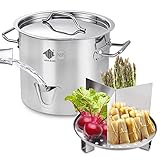
- PREMIUM STAINLESS STEEL: ARC Vegetable steamer pot and parts are made of multi-ply construction high-quality food-grade stainless steel. It is durable and easy to clean
- SPOUT DESIGN : Vaporeras para tamales with spout allows adding more water without opening the lid when cooking. It helps to avoid steam burn and to preserve food's nutrition and favor by limiting water evaporation
- DETACHABLE DIVIDER & STEAMER RACK: 3 types of food can cook together to save time with the divider in this steamer pot. Great for separating food with different favors and cook time
- AVAILABLE IN 5 SIZES: 20QT / 24QT / 32QT are great for small to medium families. 40QT / 52QT are ideal for big family and party
- NOTE : This stainless steel pot can be used on gas and electric stove tops but not on induction
4. Roasted or adobada pork leg
Roasted pork leg, often called pierna enchilada or pierna adobada al horno, is a recurring holiday alternative to turkey. Pork loin can fill the same role. Government sources list pork leg and loin among Mexican Christmas foods, while the cultural calendar also mentions pork leg with fruit as a New Year’s preparation.
“Pork leg” describes a category rather than one national recipe. A family may use a chile-based adobo, a sweet glaze, fruit, a filling, or a simpler roast. The cut is practical for feeding a gathering and often appears alongside salads, bread, vegetables, or other celebratory sides.
What’s actually slowing this PC down?
Pick the symptom - the matching free tool is one click away.
What do people eat at Mexican posadas?
Mexican posadas run from December 16 through December 24 and are more strongly associated with shared drinks, portable foods, sweets, and communal gatherings than with one formal dinner. Official cultural sources connect posadas with ponche, tamales, atole, buñuelos, fruit, and sweets.
5. Ponche de frutas
Ponche de frutas is a hot seasonal punch served at posadas and other cold-weather gatherings. Commonly mentioned ingredients include guava, sugar cane, tejocote, raisins, cinnamon, and piloncillo. The Secretaría de Cultura’s December-traditions catalog documents ponche among the season’s traditional recipes.
Recipes are flexible because the fruit depends on region, season, and household preference. Some adult versions include a splash of spirits, but alcohol is optional and should not be treated as a universal ingredient. In Michoacán, the state tourism authority highlights cane, guavas, and tejocotes as part of the region’s December traditions; its Michoacán Christmas traditions guide also documents the region’s broader range of seasonal foods and drinks.
6. Tamales
Tamales are a major part of the wider December celebration cycle, especially at posadas and regional community gatherings. Masa, fillings, shape, wrapping material, and serving context can all change from one region or family to another.
Rank #3
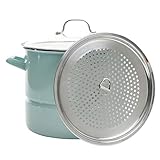
- STEAM TO PERFECTION: Stainless steel insert seamlessly fits over steamer pot for perfectly steamed tamales, lobster, mussels, clams, Corn on the Cob and much more
- BEAUTIFUL AND CAPABLE: Durable steel pot construction promotes quick, precise heating; brilliant blue hard enamel exterior cleans easily and looks great on your stovetop
- LARGE STURDY HANDLES: Make lifting and moving the pot easy even when fully loaded
- INCLUDES: 16-quart enamel on steel pot, stainless steel steamer insert, and lid
- Oven safe up to 400°F
Regional examples show why “tamales” is more accurate than naming one supposedly national style. Michoacán’s documented nacatamales are rectangular, flat tamales wrapped in banana leaves, while chapatas are made with chia or wheat. Other families use corn husks, different fillings, or different masa textures.
Making them at home: A large batch may require a tamale steamer pot, but equipment needs depend on the recipe, the size of the batch, and whether the tamales are wrapped in corn husks or leaves. A steamer is a practical aid, not proof that every regional tamal is prepared the same way.
7. Atole
Atole is a warm masa-based drink associated with posadas and the December season, and it is frequently served alongside tamales. Atole is a category rather than one fixed flavor: regional and household versions vary in thickness, sweetness, and added ingredients.
That distinction also explains the difference between ponche and atole. Ponche is a hot fruit-based punch, usually built around seasonal fruits and piloncillo, while atole is a warm masa-based beverage. Both are December drinks, but their bases and textures are different.
Free tools Windows power users keep installed
One-click scans. No signup required.
8. Buñuelos
Buñuelos are thin fried sweets served at posadas and other December gatherings, usually with piloncillo syrup. Mexico’s Secretaría de Cultura states in its gastronomic calendar: “Por su parte, los buñuelos, de vieja tradición, deben ser muy delgados y bañarse con miel de piloncillo.” In English, the institutional statement says that buñuelos, an old tradition, should be very thin and bathed in piloncillo syrup.
The same official source states, “En éstas debe servirse ponche de frutas y buñuelos,” meaning that fruit punch and buñuelos should be served at these celebrations. The statements come from Mexico’s Secretaría de Cultura, not from an individually named author.
Rank #4

- Made of Aluminum
- Tempered Glass Lid with Steam Vent
- Includes Removable Steamer Insert to Keep your Food up and out of the Hot Liquid
- The Handles and Knob are Cool Touch
- Ideal for Tamales, Lobster, Mussels, Corn on the Cob and More
9. Ensalada de Navidad or ensalada de manzana
Ensalada de Navidad is a broad name for festive Christmas salads, while creamy apple salad, or ensalada de manzana, is one common version. The cultural calendar describes a white salad containing apple, pineapple, and walnuts; beet can turn a version pink. PROFECO’s Christmas dinner article also identifies apple salad as a representative seasonal dish.
Christmas salad may sit beside savory mains or function as a sweet, creamy course depending on the recipe. Not every family uses the same fruits, nuts, color, or dressing, so “ensalada de Navidad” is safer than presenting one combination as the only authentic version.
How do Christmas Day and the recalentado fit into the menu?
Christmas Day may include leftovers from Nochebuena, a tradition commonly known as el recalentado. The cultural calendar specifically notes reheated leftovers as the traditional meal on December 25. Reheated bacalao, pork, turkey, romeritos, or other dishes can therefore be part of the celebration even when the original Christmas Eve menu differed.
Independent reader supportYour contribution helps us test, update, and keep practical guides available for everyone.Why is there no single traditional Mexican Christmas dinner?
There is no single national menu because Mexican Christmas food reflects region, family history, local ingredients, community traditions, and the difference between Nochebuena, posadas, Christmas Day, and New Year’s celebrations. One family may serve a formal dinner with bacalao or turkey; another may emphasize tamales, atole, and ponche at a community gathering.
Michoacán illustrates that regional variety. The state tourism authority describes December traditions that include communal mole, ponche, buñuelos, nacatamales, chapatas, atoles, pinole, and ponteduro. That documented repertoire is one reason a representative list is more accurate than a national ranking.
No authoritative national statistic measuring the share of Mexican households serving each of these foods was found in the researched sources. Claims that one dish is eaten by “most” Mexican families, or that these foods rank in a definitive national order, would require a separate primary survey.
Best Value

- PREMIUM STAINLESS STEEL: ARC Vegetable steamer pot and parts are made of multi-ply construction high-quality food-grade stainless steel. It is durable and easy to clean
- SPOUT DESIGN: Vaporeras para tamales with spout allows adding more water without opening the lid when cooking. It helps to avoid steam burn and to preserve food's nutrition and favor by limiting water evaporation
- DETACHABLE DIVIDER & STEAMER RACK: 3 types of food can cook together to save time with the divider in this steamer pot. Great for separating food with different favors and cook time
- AVAILABLE IN 5 SIZES: 20QT / 24QT / 32QT are great for small to medium families. 40QT / 52QT are ideal for big family and party
- NOTE: This stainless steel pot can be used on gas and electric stove tops but not on induction
Which dishes should you choose for a Mexican Christmas menu?
Choose dishes according to the occasion rather than trying to serve all nine foods together. A Nochebuena menu might pair bacalao, romeritos, turkey, or pork with Christmas salad. A posada menu is better suited to ponche, tamales, atole, and buñuelos. Christmas Day can be built around recalentado from the previous evening.
| If you are planning… | Good choices from the list | Why |
|---|---|---|
| A formal Nochebuena dinner | Bacalao, romeritos, stuffed turkey, pork leg, Christmas salad | These foods are the strongest formal-dinner associations in the official cultural calendar. |
| A posada | Ponche, tamales, atole, buñuelos, fruit, and sweets | These foods and drinks suit a December gathering and are documented in the posada context. |
| A regional or communal celebration | Tamales, mole, ponche, atole, buñuelos, or local specialties | Regional traditions can differ substantially from a formal urban Nochebuena menu. |
| A Christmas Day meal | Reheated Nochebuena dishes | El recalentado makes leftovers part of the tradition rather than an afterthought. |
What equipment may help with tamales?
A tall steamer pot can make it easier to steam a large batch of tamales, but the right size depends on the recipe and the number of tamales being prepared. Readers shopping for equipment can compare a tamale steamer pot with the capacity, rack arrangement, and lid fit needed for their batch; no particular commercial product is being presented as tested or universally suitable.
Sources and further recipe research
The official Secretaría de Cultura recipe and traditions catalog documents a Christmas collection covering dishes including bacalao, buñuelos, guajolote, lechón, ponche, romeritos, and tamales. The catalog is useful for readers who want to investigate complete recipes, while the food descriptions above preserve the regional and household variation documented by the official sources.
Frequently Asked Questions
What is Mexican Christmas punch made of?
Mexican Christmas punch, called ponche de frutas, is commonly made with seasonal fruit such as guava, sugar cane, and tejocote, plus cinnamon, raisins, and piloncillo. Some adult versions contain spirits, but alcohol is optional.
Do these 3 things before closing this tab:
1Clear out junk files and repair common Windows errors2Fix the driver behind crashes, sound loss and screen glitches3Repair Windows errors before they cause bigger problemsAre tamales a Christmas food in Mexico?
Yes. Tamales are associated with posadas and regional December gatherings, although fillings, masa, shape, and wrapping materials vary widely. Michoacán examples include banana-leaf-wrapped nacatamales and chapatas made with chia or wheat.
What are romeritos?
Romeritos are cooked leafy greens prepared with mole and commonly served with dried-shrimp cakes. Potatoes, nopales, and other ingredients vary by household, and romeritos are especially associated with Nochebuena.
What is the difference between ponche and atole?
Ponche is a hot fruit-based punch sweetened with ingredients such as piloncillo, while atole is a warm masa-based beverage. Both are associated with posadas and December, but ponche is fruit-based and atole is masa-based.
What is a traditional Mexican Nochebuena dinner?
There is no single traditional Mexican Christmas dinner. Nochebuena menus often include bacalao, romeritos, turkey, pork, or Christmas salad, while posadas commonly feature ponche, tamales, atole, and buñuelos; regional and family traditions differ.
Quick wins for a faster PC:
Clear out junk files and repair common Windows errorsFree Scan →Scan for outdated or missing drivers - takes under a minuteDriver Scan →The Bottom Line
Traditional Mexican Christmas foods are best understood as an occasion-and-region-based repertoire, not a fixed national menu: Nochebuena often brings bacalao, romeritos, turkey, pork, and Christmas salad, while posadas bring ponche, tamales, atole, and buñuelos.
Quick Recap
Product prices and availability are accurate as of the date/time indicated and are subject to change. Any price and availability information displayed on Amazon at the time of purchase will apply.