What’s actually slowing this PC down?
Pick the symptom - the matching free tool is one click away.
The best-known dere labels describe how an anime character expresses affection: openly, behind a guarded front, through emotional reserve, or with obsessive intensity. Tsundere, yandere, kuudere, and dandere form the clearest core set in common fan explanations; deredere is another foundational type. Other labels, including himedere and kamidere, appear in broader lists but are less consistently used. There is no official count or anime-wide survey that proves which types are objectively most or least common.
What “dere” means
“Dere” is shorthand for a family of fan labels for character archetypes associated with being lovestruck or affectionate toward a love interest. The prefix describes the character’s outward manner: whether affection is hidden, plainly expressed, or taken to an extreme. These are informal interpretive labels, not official classifications or clinical diagnoses. The tsundere glossary entry describes the trope as a stock love interest.
Five familiar dere types
These five labels recur in basic fan explanations. The order is a practical guide, not a measured ranking of anime characters.
1. Tsundere
A tsundere initially comes across as stern, prickly, cold, or even hostile toward a love interest, while warmer feelings surface despite attempts to hide them. The name combines tsuntsun (aloof or prickly) and deredere (lovestruck or affectionate). Taiga Aisaka from Toradora!, Asuka Langley from Neon Genesis Evangelion, and Kurisu Makise from Steins;Gate are often cited as examples; the label is an interpretation, not a definitive classification. Wikipedia’s tsundere entry covers the term and examples.
#1 Best Overall

- Anime-Inspired Warrior Figure Set:This action figure set includes 6 or 8 unique warrior-style characters, inspired by classic anime martial arts themes, each featuring dynamic poses and expressive details for collectors and fans.
- Compact Size for Display:Each figure measures approximately 7.8inches tall, made from durable PVC material, suitable for shelves, desks, display cabinets, or small figure collections.
- Dynamic Energy Style Design:Designed with spiky hair, battle-ready stances, and energy-inspired details, these figures capture the spirit of anime combat scenes without referencing any specific franchise.
- Great for Display & Party Use:Ideal as desk decor, cake toppers, party favors, or collectible displays, also suitable for themed events, birthdays, and anime-style decorations.
- Gift-Ready Collectible Set:A fun gift choice for anime fans, figure collectors, teens, and adults, suitable for holidays, birthdays, or as a starter figure set for new collectors.
2. Yandere
A yandere’s love or devotion can become possessive and obsessive, and in some stories destructive or violent. That escalation gives the trope much higher story stakes than a tsundere’s guarded warmth. It is a fictional character trope, not a mental-health diagnosis.
3. Kuudere
A kuudere is calm, composed, and emotionally restrained, sometimes concealing affection beneath a cool exterior. Rei Ayanami from Neon Genesis Evangelion and Yuki Nagato from The Melancholy of Haruhi Suzumiya are commonly cited examples. The kuudere overview describes Rei as influential in popularizing the type. Wikipedia’s kuudere entry discusses the label and examples.
Rank #2
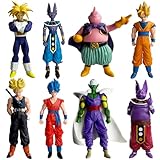
- Anime-Inspired Warrior Figure Set:This action figure set includes 6 or 8 unique warrior-style characters, inspired by classic anime martial arts themes, each featuring dynamic poses and expressive details for collectors and fans.
- Compact Size for Display:Each figure measures approximately 7.8inches tall, made from durable PVC material, suitable for shelves, desks, display cabinets, or small figure collections.
- Dynamic Energy Style Design:Designed with spiky hair, battle-ready stances, and energy-inspired details, these figures capture the spirit of anime combat scenes without referencing any specific franchise.
- Great for Display & Party Use:Ideal as desk decor, cake toppers, party favors, or collectible displays, also suitable for themed events, birthdays, and anime-style decorations.
- Gift-Ready Collectible Set:A fun gift choice for anime fans, figure collectors, teens, and adults, suitable for holidays, birthdays, or as a starter figure set for new collectors.
4. Dandere
A dandere is quiet, shy, or socially reserved. The defining signal is reticence or difficulty speaking up, rather than the deliberate emotional coolness associated with a kuudere. A character may be quiet for many reasons, so the label depends on how the story presents that reserve.
5. Deredere
A deredere character is openly affectionate and lovestruck, without the defensive mask typical of a tsundere. The label is a useful baseline for understanding the family: it describes affection expressed plainly rather than hidden or intensified into obsession.
Quick wins for a faster PC:
Repair Windows errors before they cause bigger problemsFix Now →Scan for outdated or missing drivers - takes under a minuteDriver Scan →Clear out junk files and repair common Windows errorsFree Scan →Rank #3
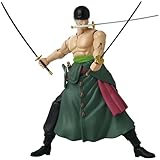
- Join the Straw Hat Crew in their search for the One Piece with Anime Heroes One Piece 6.5 inch action figures, from Bandai Namco Toys & Collectibles
- Relive or recreate epic moments from one of the longest running anime titles with over 1000 episodes and countless adventures to be had
- Anime Heroes brings all the iconic One Piece characters to life with fan favorites that remind you why you love the show, and how the journey of finding the One Piece isn't finished yet
- With over 20 points of articulation, it's primed for dynamic, action-packed poses that will ignite your imagination and keep the adventures going non-stop!
- For Ages 4+
Five less-standard labels found in broader lists
“Rare” here means less central or less consistently included in fan taxonomies, not statistically rare across anime. These labels do appear in broader lists, but their definitions and use vary.
Himedere
A himedere label is used in fan taxonomies for a character who expects or demands treatment like a princess. It emphasizes a particular self-presentation or expectation in a relationship; inclusion and usage are not uniform across lists.
Rank #4

- Iconic Character Collection: Includes 6 popular anime-inspired warrior characters (such as Saiyan heroes) in their classic battle stances for fans and collectors to relive legendary moments
- Premium PVC Material: Each figure is crafted from high-quality, durable PVC, measuring approximately 7-8 inches (18-20 cm) in height, with vivid detailing and authentic anime-style expressions
- Static Pose Design: These non-articulated, non-foldable figures feature fixed dynamic poses that capture the essence of the original characters-no assembly or batteries needed, just display and enjoy
- Versatile Display and Gift Option: Suitable for shelf, desk, display case, or party decor. A thoughtful gift for anime fans, figure collectors, and hobbyists on birthdays, holidays, or special occasions
- No Small Parts or Batteries: Safe and hassle-free for display anywhere. These figures are not poseable and have no interchangeable parts, ensuring a sturdy, one-piece collectible
Kamidere
Kamidere is another label in expanded fan lists, generally associated with a character who presents themself as godlike or superior. As with other less-standard types, definitions can shift between lists, so the label is best treated as informal shorthand rather than a fixed category.
Why the remaining three do not have reliable “rare” rankings
Fan lists sometimes add further coined or niche labels, but the available reference material does not establish three additional types as consistently recognized, nor does it measure their prevalence. Naming three as objectively rare would imply a stable taxonomy and frequency data that do not exist. The overall count is unsettled: labels can be added, and reference pages offer qualitative descriptions of regular use rather than corpus statistics.
Free tools Windows power users keep installed
One-click scans. No signup required.
How to tell similar types apart
| Type | Outward manner | How affection is expressed |
|---|---|---|
| Tsundere | Prickly, stern, or cold | Hidden at first; warmth gradually shows |
| Yandere | Devoted, potentially possessive | Can intensify into obsession or destructive behavior |
| Kuudere | Calm and emotionally restrained | May be present beneath a composed exterior |
| Dandere | Quiet, shy, or reserved | May be hard to express because of reticence |
| Deredere | Warm and openly affectionate | Expressed directly, with little defensive concealment |
The most useful distinction is the character signal, not simply whether a character seems “cold” or “sweet.” A kuudere’s composure differs from a dandere’s shyness; a tsundere’s guarded affection differs from a yandere’s potentially obsessive devotion. The labels describe patterns that a story may develop or complicate, not rigid boxes every character fits perfectly.
How many dere types are there?
There is no official total. The four long-established core labels are commonly given as tsundere, yandere, kuudere, and dandere; broader fan lists also include deredere and additional types. One current fan-taxonomy reference describes about seven labels as seeing regular use, but that is a qualitative judgment by the page author, not a count derived from a survey of anime characters. Japanese Rituals’ dere-types overview presents its taxonomy as a fan reference, not an official standard.
Quick Recap
Product prices and availability are accurate as of the date/time indicated and are subject to change. Any price and availability information displayed on Amazon at the time of purchase will apply.