There is no objective number-one goriest movie, but the 30 films below represent the strongest candidates across splatter cinema, practical-effects body horror, international extreme horror, and modern gore showcases. The list is intentionally not ranked: Braindead is excessive in a comic way, Terrifier 3 specializes in prolonged practical mutilation, while Martyrs and The Sadness are disturbing for reasons that go beyond the amount of blood on screen.
Important content warning: Several entries contain torture, sexual violence, child endangerment, animal cruelty or disturbing animal imagery, self-mutilation, cannibalism, genital mutilation, and extreme body horror. Cannibal Holocaust includes real animal-killing footage. These films are not suitable for every viewer.
| # | Preview | Product | Price | |
|---|---|---|---|---|
| 1 |

|
Horror 20 Movie Collection | $15.96 | Buy on Amazon |
| 2 |

|
Friday The 13th The Ultimate Collection | Buy on Amazon | |
| 3 |

|
HORROR CLASSICS 50 MOVIE MEGAPACK | $15.79 | Buy on Amazon |
| 4 |
|
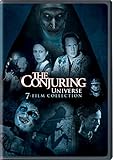
Conjuring 7-Film Collection, The (DVD) | $19.96 | Buy on Amazon |
| 5 |

|
Final Destination Franchise (5pk) | $9.41 | Buy on Amazon |
How should you interpret this list? These are 30 films widely associated with extreme gore, but they are not ranked by an objective blood-volume score. The selection considers sustained graphic violence, explicit injury detail, dismemberment and evisceration, practical-effects intensity, historical influence, and reputation within extreme-horror culture.
Some films below are relentlessly splattery; others reserve their most upsetting material for one or two scenes. That distinction matters. Martyrs, The Sadness, The Woman, Ichi the Killer, and even films such as Antichrist can be more psychologically or sexually disturbing than a movie with a higher visible body count.
Crashes, No Sound, or Screen Glitches?
Random freezes, missing sound and display glitches usually trace back to one bad driver. Find and replace yours safely.Free scan · under a minuteWindows Errors? Fix Them Before They Spread
Repair common Windows errors and clear accumulated junk for a smoother, more stable PC - no reinstall needed.Free scan · no reinstall#1 Best Overall
How the films were selected
The word goriest is inherently subjective. A film can be graphic because it shows prolonged mutilation in close-up, because its practical effects make bodies feel tangible, or because a single sequence is so concentrated and brutal that it remains more memorable than an entire film of conventional kills. The list therefore uses four broad groupings rather than pretending to establish a precise first-to-thirtieth ranking.
| Group | What to expect | Representative films |
|---|---|---|
| Historical splatter pioneers | Films that established, popularized, or radically influenced screen gore | Blood Feast, Dawn of the Dead, The Evil Dead |
| Practical-effects and body-horror landmarks | Transformation, anatomical rupture, creature effects, and hands-on makeup work | The Thing, The Fly, Braindead |
| International extreme horror | Torture, sexual violence, exploitation, cannibalism, and psychologically punishing material | Inside, Martyrs, The Human Centipede 2 |
| Modern gore showcases | Contemporary films built around prolonged kill pieces, shock imagery, or dense practical gore | Terrifier 2, The Sadness, Evil Dead Rise |
For readers interested in the craft behind these effects rather than simply the scenes themselves, Special Make-Up Effects is a relevant practical-effects makeup book covering horror characters, materials, techniques, and effects-development methods.
Historical splatter pioneers
1. Blood Feast (1963) — Herschell Gordon Lewis
Herschell Gordon Lewis’s landmark exploitation film foregrounded explicit gore as a selling point, helping establish what would become known as splatter cinema. Its ritual murders and lurid practical effects can look crude by modern standards, but that directness is precisely its historical importance. Lewis was later dubbed the Godfather of Gore, and Blood Feast remains one of the earliest films to make graphic mutilation its central attraction.
Quick wins for a faster PC:
Scan for outdated or missing drivers - takes under a minuteDriver Scan →Repair Windows errors before they cause bigger problemsFix Now →Fix the driver behind crashes, sound loss and screen glitchesFind Drivers →Content note: Ritualized murder, dismemberment, cannibalistic imagery, and graphic food-related gore.
2. The Wizard of Gore (1970) — Herschell Gordon Lewis
Lewis’s follow-up is built around a magician whose stage demonstrations appear to mutilate volunteers before the injuries mysteriously vanish. The film is theatrical rather than realistic: bodies are opened, sliced, and displayed as lurid stage spectacle. It belongs on this list because it treats mutilation as performance, pushing the visual language of early splatter toward deliberate excess.
Content note: Repeated staged mutilation, cutting, stabbing, and graphic injury imagery.
3. The Texas Chain Saw Massacre (1974) — Tobe Hooper
The Texas Chain Saw Massacre is often remembered as one of the goriest horror films ever made, even though much of its violence is implied rather than anatomically displayed. Its filthy, documentary-like texture, Leatherface’s power tools, animalistic sound design, and suggestion of mutilation make the violence feel authentic. That distinction is important: graphic detail is not the only route to visceral horror, and Hooper’s restraint arguably made the film more disturbing than a conventional splatter production.
Content note: Implied mutilation, meat-hook imagery, torture, psychological terror, and distressing treatment of bodies.
4. Dawn of the Dead (1978) — George A. Romero
George A. Romero’s zombie classic combines social satire with repeated practical-effects carnage. Zombie attacks, torn flesh, dismemberment, and the extended shopping-mall siege give the effects plenty of screen time, while the film’s satirical framework prevents the violence from becoming empty spectacle. Tom Savini’s makeup and gore work helped define the visual vocabulary of modern zombie cinema.
Content note: Zombie attacks, dismemberment, exposed organs, shootings, and sustained bloody violence.
5. Zombie (1979) — Lucio Fulci
Released in some markets as Zombi 2, Lucio Fulci’s Italian splatter landmark is famous for decomposing undead bodies and several exceptionally graphic set pieces. Eye trauma, decaying flesh, and slow, tactile zombie attacks give the film a nastier texture than many of its contemporaries. Alongside Fulci’s The Beyond and City of the Living Dead, it helped cement Italian horror’s reputation for baroque, unapologetic gore.
Do these 3 things before closing this tab:
1Scan for outdated or missing drivers - takes under a minute2Repair Windows errors before they cause bigger problems3Fix the driver behind crashes, sound loss and screen glitchesContent note: Eye injury, decomposing bodies, zombie attacks, impalement, and graphic bodily damage.
6. The Evil Dead (1981) — Sam Raimi
Sam Raimi’s original Evil Dead attacks the viewer with aggressive editing, warped camera movement, practical effects, self-mutilation, dismemberment, and demonic bodily violation. The famous pencil, electric carving knife, and limb-removal sequences are not presented as realistic medical violence; they are feverish, kinetic horror set pieces. The result is both intensely graphic and unmistakably inventive.
Content note: Self-mutilation, possession, sexualized threat, cutting off limbs, dismemberment, and strong bloody violence.
Rank #2
- Friday the 13th - 8 Movie Collection - Part 1 / Part 2 / Part 3 3D / The Final Chapter / A New Begin
Practical-effects and body-horror landmarks
7. The Thing (1982) — John Carpenter
John Carpenter’s The Thing earns its place through transformation effects that make anatomy seem unstable. Chests open into toothed maws, heads separate from bodies, limbs reshape, and infected flesh ruptures in ways that remain astonishing because the effects were created as tangible physical spectacles. The gore is inseparable from the film’s paranoia: nobody knows which human body is still human.
The Tool Desk
Outbyte PC Repair FREERepair Windows errors before they cause bigger problemsFix Now →Outbyte Driver Updater FREEScan for outdated or missing drivers - takes under a minuteDriver Scan →Content note: Transformation, rupturing bodies, creature anatomy, amputation, blood testing, and graphic practical-effects horror.
8. Re-Animator (1985) — Stuart Gordon
Re-Animator turns H. P. Lovecraft-inspired laboratory horror into gleeful comic splatter. Reanimated anatomy, decapitation imagery, surgical mutilation, severed body parts, and outrageous laboratory experiments arrive with a deliberately irreverent tone. Its gore is not merely grim; it is inventive, colorful, and timed like a horror comedy, making the film one of the genre’s most entertaining practical-effects achievements.
Content note: Laboratory mutilation, decapitation, corpses, sexual violence, and reanimated body parts.
9. The Fly (1986) — David Cronenberg
David Cronenberg’s The Fly is less a kill-count film than a sustained biological collapse. Seth Brundle’s body loses its human form piece by piece: skin, teeth, fingernails, bodily fluids, and eventually his entire physical identity become sources of horror. The visceral practical effects support the tragedy rather than functioning as isolated shock moments, which is why the film remains as emotionally powerful as it is unpleasant to watch.
What’s actually slowing this PC down?
Pick the symptom - the matching free tool is one click away.
Content note: Body transformation, vomiting, bodily decay, deformity, loss of bodily control, and disturbing medical imagery.
10. Society (1989) — Brian Yuzna
The majority of Society is comparatively restrained, but its climax is one of body horror’s defining practical-effects sequences. The grotesque process known as shunting turns bodies into merging, stretching, and collapsing masses of flesh. Its concentrated finale is so conceptually and visually extreme that it justifies the film’s inclusion even though it is not a nonstop gore movie.
Content note: Body merging, sexualized body horror, deformation, flesh distortion, and grotesque transformation.
11. Braindead / Dead Alive (1992) — Peter Jackson
Peter Jackson’s Braindead, known as Dead Alive in North America, is arguably the purest expression of splatstick excess on this list. Zombie carnage escalates from individual attacks to mass dismemberment, fountains of blood, severed limbs, crushed bodies, and a lawnmower massacre that treats overkill as a comic rhythm. It is not trying to make gore feel plausible; it is trying to make the next gag more excessive than the last.
Content note: Mass zombie violence, dismemberment, infant endangerment, exposed organs, bodily fluids, and extreme comic gore.
12. Audition (1999) — Takashi Miike
Audition spends much of its running time as an uneasy romantic drama, which makes its late turn into torture horror especially punishing. The film’s gore is comparatively limited when measured against a splatter marathon, but its needle imagery, deliberate pacing, and psychological setup make each injury feel horribly intimate. It is best understood as slow-burn extreme horror, not as nonstop visual carnage.
Content note: Torture, needles, mutilation, abuse, coercion, and psychologically disturbing violence.
International extreme horror
13. Cannibal Holocaust (1980) — Ruggero Deodato
Cannibal Holocaust combines simulated human violence with genuinely controversial footage of animals being killed. That fact changes how the film should be discussed. Its notoriety does not come solely from convincing gore effects or its found-footage framing; it also comes from the ethical boundary it crossed during production. Viewers who avoid animal cruelty should skip it, and descriptions should not blur real animal harm together with the film’s staged human violence.
Recommended Free Tools
Content note: Real animal killings, simulated torture, sexual violence, exploitation, cannibalism, and graphic death.
Rank #3
- An instant library of 50 horrorics assembled on 12 DVD's.
14. Ichi the Killer (2001) — Takashi Miike
Takashi Miike’s manga-influenced crime horror uses stylized sadism, mutilation, sexual violence, and exaggerated bodily damage. Its violence is not simply a sequence of practical-effects showcases: the film deliberately links brutality, sexual humiliation, pain, and power. That makes it psychologically extreme even when its visual style is heightened and unreal.
Content note: Sexual violence, sadistic torture, mutilation, abuse, fetishized violence, and psychologically extreme material.
15. Inside (2007) — Alexandre Bustillo and Julien Maury
This French home-invasion horror confines sustained bloody violence to a claustrophobic domestic setting. Pregnancy-related bodily threat gives the film’s attacks an especially harsh emotional charge, while the practical gore keeps escalating as the intruder and victim collide. Inside is not simply a slasher with a shocking finale; it is a pressure-cooker built around bodily vulnerability.
Content note: Pregnancy-related violence, home invasion, stabbing, blood loss, bodily mutilation, and sexualized threat.
16. Frontier(s) (2007) — Xavier Gens
Frontier(s) combines survival horror, torture, sadism, and bodily mutilation with a grim political and social backdrop. Its violence is harsher than that of a conventional slasher because victims are subjected to prolonged captivity and degradation rather than dispatched in brief, stylized encounters. It belongs firmly in the modern French extreme-horror wave.
Content note: Torture, captivity, sadism, sexualized violence, mutilation, cannibalistic imagery, and strong bloody violence.
17. Martyrs (2008) — Pascal Laugier
Pascal Laugier’s original Martyrs uses sustained torture horror to pursue an ideological and existential premise. Its most notorious material includes the cutting and peeling away of skin from a woman’s back. The film’s purpose is not merely to demonstrate how much violence an audience can endure; it makes endurance, belief, pain, and the search for transcendence part of the horror itself.
Free tools Windows power users keep installed
One-click scans. No signup required.
Content note: Sustained torture, severe beating, cutting, skin removal, captivity, psychological abuse, and strong bloody violence.
18. The Human Centipede 2 (Full Sequence) (2011) — Tom Six
Few films on this list are as unambiguous an inclusion. The black-and-white sequel intensifies the original concept through deliberate ugliness and prolonged physical abuse. Classification descriptions include teeth being hammered out, skin and ligaments being cut, mouths being stapled to anuses, tongue removal, throat cutting, and graphic blood loss. Its monochrome presentation does not make the content less extreme.
Content note: Torture, forced bodily connection, dental mutilation, tongue removal, sexual violence, fecal imagery, and extreme bodily abuse.
19. The Woman (2011) — Lucky McKee
Lucky McKee’s film mixes folk horror with family abuse, sexual violence, and severe bodily injury. It is disturbing not just because of what happens to the captive woman, but because the violence is embedded in a family structure that normalizes cruelty. Classification descriptions specifically note throats being torn open and a heart being removed from a chest.
Content note: Sexual violence, family abuse, child endangerment, throat injury, organ removal, captivity, and strong bloody violence.
20. The Green Inferno (2013) — Eli Roth
Eli Roth’s cannibal-horror revival emphasizes ritualized dismemberment, disembowelment, captivity, and the collision between naïve outsiders and an imagined hostile environment. The film is designed as exploitation spectacle, with several set pieces that linger on the mechanics of bodily destruction. It is worth distinguishing this simulated animal imagery from the real animal harm documented in Cannibal Holocaust.
Content note: Cannibalism, dismemberment, disembowelment, captivity, ritual violence, sexual threat, and disturbing animal imagery.
Rank #4
- The Conjuring Universe: 7 Film Collection
- Product type: PHYSICAL MOVIE
- Brand: WB
21. Evil Dead (2013) — Fede Álvarez
Fede Álvarez’s remake shifts the franchise toward sustained contemporary gore. Self-mutilation, limb loss, bloodshed, and demonic bodily violation are treated with a denser and more visible effects style than in the 1981 original. The result is less playful than Raimi’s film and more committed to making pain and injury occupy the foreground.
Content note: Self-mutilation, sexual violence, possession, cutting, limb loss, dismemberment, and sustained bloody horror.
Independent reader supportYour contribution helps us test, update, and keep practical guides available for everyone.Modern gore showcases
22. Bone Tomahawk (2015) — S. Craig Zahler
Bone Tomahawk is a slow-burn western horror film rather than a continuous splatter movie. Its inclusion rests largely on one concentrated practical-effects sequence involving extreme dismemberment. The film spends enough time building dread and physical vulnerability that the sudden burst of violence lands with unusual force.
Content note: Extreme dismemberment, cannibalistic violence, captivity, scalping, and graphic injury in a concentrated sequence.
23. Raw (2016) — Julia Ducournau
Julia Ducournau’s Raw uses cannibalism, flesh, appetite, and bodily transformation as part of a coming-of-age story. Its gore is psychologically and thematically meaningful: hunger becomes a way to explore identity, family, sexuality, and loss of control. It is better described as artful body horror than as a simple shock movie, even though several images are intensely graphic.
Recommended Free Tools
Content note: Cannibalism, eating flesh, bodily transformation, sexual themes, animal-derived imagery, and disturbing medical or bodily detail.
24. Terrifier (2016) — Damien Leone
The first feature-length Terrifier establishes Art the Clown’s signature approach: prolonged practical mutilation presented as a sadistic set piece. Rather than cutting away quickly, the film often makes the viewer wait through the mechanics of an attack. That emphasis on duration and visible injury became the foundation for the franchise’s increasingly extreme sequels.
Content note: Sadistic murder, prolonged mutilation, dismemberment, sexualized threat, torture, and graphic practical gore.
25. Terrifier 2 (2022) — Damien Leone
Terrifier 2 expands the original’s kill-piece structure into an endurance test. Art’s attacks are longer, more elaborate, and more committed to showing the stages of mutilation than a conventional slasher would be. It is best grouped with Terrifier 3 as modern practical-effects splatter, without making an unsupported claim that either sequel contains an objectively measurable maximum amount of gore.
Crashes, No Sound, or Screen Glitches?
Random freezes, missing sound and display glitches usually trace back to one bad driver. Find and replace yours safely.Free scan · under a minutePC Slower Than It Used to Be?
A free scan shows the junk files, broken settings and background clutter dragging Windows down - then fixes them in one click.Free scan · Windows 10 & 11Content note: Prolonged torture, dismemberment, scalp and head trauma, stabbing, mutilation, sexualized violence, and extreme bloody detail.
26. The Sadness (2021) — Rob Jabbaz
Rob Jabbaz’s Taiwanese infection horror is among the most extreme recent entries because its violence combines bloody carnage with cannibalism, eye gouging, genital mutilation, evisceration, and sexual violence. The infected are not merely hungry monsters; they retain enough awareness to turn cruelty into deliberate sadism. That makes the film especially bleak and confrontational rather than purely adrenalized.
Content note: Cannibalism, eye gouging, genital mutilation, sexual violence, exploding heads, evisceration, and sustained bloody carnage.
27. Evil Dead Rise (2023) — Lee Cronin
Evil Dead Rise modernizes the franchise with dense, highly visible gore and a larger emphasis on family vulnerability. Its effects include scalping, biting, decapitation by chainsaw, a head kicked into a woodchipper, and a demon sucking an eye from its socket. The film frequently returns to strong gory images instead of treating them as brief punctuation.
Content note: Child endangerment, possession, scalping, biting, decapitation, chainsaw violence, eye injury, woodchipper violence, and frequent graphic gore.
Best Value
- Brand New in box. The product ships with all relevant accessories
28. When Evil Lurks (2023) — Demián Rugna
Demián Rugna’s possession horror is notable for abrupt, shocking physical violence and a bleak treatment of contamination. Its gore often arrives without the reassuring rhythm of a conventional kill scene: bodies, children, animals, and communities can become vulnerable with little warning. The film is grim and unpredictable rather than playful, so viewers looking for splatstick should choose something like Braindead instead.
Content note: Possession, child endangerment, sudden mutilation, animal danger, graphic death, and disturbing contamination imagery.
29. Terrifier 3 (2024) — Damien Leone
Terrifier 3 pushes the franchise’s practical-effects approach further, with classification descriptions documenting flesh pulled from living victims, limbs and heads hacked off with axes and chainsaws, liquid-nitrogen freezing followed by butchery, severed heads, flayed skin, entrails, and what the BBFC characterizes as excessive bloody detail. It is one of the clearest modern candidates for viewers seeking prolonged, explicit splatter.
Content note: Prolonged torture, flaying, dismemberment, decapitation, chainsaw and axe violence, freezing, entrails, and extreme bloody detail.
Physical-media note: If you collect rather than stream, you can check the Terrifier 3 Blu-ray, DVD, and collector-edition options. Edition names, stock, prices, and regional availability change, so this should not be read as a guarantee that a particular version is currently available or that a physical disc is included with a streaming subscription.
30. Evil Dead Burn (2026) — director not specified in the supplied classification record
As of August 12, 2026, Evil Dead Burn is the newest film in this selection. The BBFC classification dated June 26, 2026 records frequent stabbings, bludgeonings, shootings, strangulation, a face repeatedly smashed in close-up, people being set on fire, and dismemberment with a rotary saw. Because this entry depends on the film’s 2026 release and classification, its release status and details should be rechecked before a later republication.
Content note: Stabbing, bludgeoning, shooting, strangulation, close-up facial violence, burning, rotary-saw dismemberment, and frequent graphic gore.
The Tool Desk
Outbyte Driver Updater FREEFix the driver behind crashes, sound loss and screen glitchesFind Drivers →Outbyte PC Repair FREEClear out junk files and repair common Windows errorsFree Scan →Which kind of gore are you looking for?
- For the most exuberant splatter: Start with Braindead, Re-Animator, The Evil Dead, or Dawn of the Dead.
- For modern prolonged practical mutilation: Choose Terrifier, Terrifier 2, or Terrifier 3.
- For body transformation: Try The Thing, The Fly, Society, or Raw.
- For concentrated rather than constant gore: The Texas Chain Saw Massacre, Audition, and Bone Tomahawk rely heavily on dread and memorable bursts.
- For the most psychologically punishing material: Approach Martyrs, The Woman, Ichi the Killer, Inside, and The Sadness with particular caution.
- For notorious exploitation: Cannibal Holocaust, The Human Centipede 2, Frontier(s), and The Green Inferno are among the harshest choices, but their warnings matter as much as their gore credentials.
A note on classifications and availability
Official classification descriptions are especially useful for this subject because they identify what a film actually depicts rather than relying on promotional language. The BBFC’s notes for The Human Centipede 2, Martyrs, The Woman, The Sadness, Evil Dead Rise, Terrifier 3, and Evil Dead Burn support the specific content descriptions above. The classifications do not turn a subjective list into a scientific ranking, but they do make the warnings more concrete.
Where to watch these films is a separate question. Streaming catalogs, rental windows, physical editions, censorship cuts, and regional classifications change frequently. A disc sold through an online retailer does not prove that the same movie is available through that retailer’s streaming service, and availability in the United States should not be generalized to other countries.
For collectors, physical editions are particularly relevant to this group of films: boutique labels have historically served cult horror, Italian splatter, extreme French horror, and practical-effects classics well. Check the specific territory, edition, cut, and current stock before buying.
Frequently Asked Questions
Are these movies ranked from least to most gory?
No. Gore cannot be measured reliably by blood volume or a universal ranking. This selection weighs graphic injury detail, sustained violence, dismemberment, practical effects, historical influence, and reputation in extreme-horror culture.
What’s actually slowing this PC down?
Pick the symptom - the matching free tool is one click away.
Which movie on the list is the goriest?
For sustained, visibly excessive splatter, try Braindead, Terrifier 2, Terrifier 3, or Evil Dead Rise. For practical body horror, choose The Thing or The Fly. Films such as Martyrs, The Sadness, and Ichi the Killer may be more psychologically or sexually disturbing even when they are not constantly bloody.
Does Cannibal Holocaust contain real animal cruelty?
Yes. Cannibal Holocaust includes genuinely controversial footage of animals being killed, unlike the simulated human violence in most of the other films listed. Viewers who avoid animal cruelty should skip it.
Are the most disturbing films always the most graphic?
Not necessarily. Films such as The Texas Chain Saw Massacre, Audition, and Bone Tomahawk use restraint or concentrated bursts, while The Thing, The Fly, and Raw focus on transformation. A film can be deeply disturbing without showing nonstop blood.
The Bottom Line
There is no single objective winner for the title of goriest movie ever made. Braindead is the clearest choice for sustained comic splatter, Terrifier 3 for modern prolonged mutilation, The Thing and The Fly for practical body horror, and Martyrs, The Sadness, or Cannibal Holocaust for material whose disturbing qualities extend well beyond visible blood. Choose by the kind of horror you can tolerate, not just by the number attached to a list.
Quick Recap
Product prices and availability are accurate as of the date/time indicated and are subject to change. Any price and availability information displayed on Amazon at the time of purchase will apply.