My Fault didn’t just trend on Amazon Prime Video; it detonated across social feeds, fan edits, and late-night group chats because it delivered something streaming audiences can’t quit: romance with real risk. Adapted from Mercedes Ron’s wildly popular novel, the film taps into the intoxicating pull of forbidden desire, where every glance feels dangerous and every argument crackles with unresolved want. Noah and Nick’s relationship isn’t designed to be safe or polite, and that tension is exactly what made viewers hit play and then immediately search for something that feels just as intense.
What sets My Fault apart in the crowded YA romance space is how unapologetically it leans into extremes. The enemies-to-lovers dynamic is volatile, messy, and emotionally charged, wrapped in a glossy, high-drama aesthetic that feels tailor-made for binge culture. The film understands that modern romance fans aren’t just looking for chemistry; they’re craving chaos, moral gray areas, and characters who make terrible decisions for love and dare the audience to follow them anyway.
Why Forbidden Romance Still Dominates Streaming Culture
In the streaming era, forbidden love stories thrive because they feel both escapist and transgressive, especially when drawn from novels or online fiction with built-in fandoms. My Fault speaks directly to viewers who grew up on Wattpad, BookTok, and emotionally intense adaptations, where romance is as much about power struggles and personal demons as it is about passion. That same addictive mix of longing, conflict, and high-stakes attraction is what defines the movies that follow, each capturing a different shade of the obsession that made My Fault impossible to ignore.
What Fans Are Really Looking For Next: Core Tropes, Emotional DNA, and Vibes That Match ‘My Fault’
For viewers who connected deeply with My Fault, the search isn’t about finding a carbon copy. It’s about chasing that same emotional spike: the feeling that the romance could implode at any second, but you want it anyway. These fans are drawn to stories that lean into discomfort, desire, and impulsive choices, where love feels dangerous because it actually is.
#1 Best Overall

- HD streaming made simple: With America’s number 1 TV streaming platform,* exploring popular apps—plus tons of free movies, shows, and live TV—is as easy as it is fun. *Based on hours streamed—Hypothesis Group
- Compact without compromises: The sleek design of Roku Streaming Stick won’t block neighboring HDMI ports, and it even powers from your TV alone, plugging into the back and staying out of sight. No wall outlet, no extra cords, no clutter.
- No more juggling remotes: Power up your TV, adjust the volume, and control your Roku device with one remote. Use your voice to quickly search, play entertainment, and more.
- Shows on the go: Take your TV to-go when traveling—without needing to log into someone else’s device.
- TV, simplified: With setup that only takes minutes, a simple-to-navigate Home Screen, and an uncluttered remote control that does all you need—Roku makes it easier to watch the TV you love.
At its core, My Fault works because it understands the fantasy of intensity. The movies that satisfy the same craving tend to share a very specific emotional DNA, built from familiar tropes but elevated by mood, chemistry, and a willingness to go dark when necessary.
Enemies-to-Lovers With Real Teeth
This isn’t playful bickering or flirty sarcasm. Fans want enemies-to-lovers dynamics that feel genuinely hostile at first, fueled by resentment, jealousy, or power imbalances that don’t resolve overnight. The appeal lies in watching attraction cut through anger, turning fights into charged confrontations where emotions spill before either character is ready.
Movies that resonate with My Fault fans let the friction linger. The slow burn matters, but so does the volatility, especially when characters hurt each other before they fall in love.
Forbidden Love That Actually Feels Forbidden
Whether it’s step-sibling tension, social class divides, parental disapproval, or moral lines that shouldn’t be crossed, the stakes need to be more than symbolic. What My Fault gets right is the sense that the relationship could cost the characters something real, from family stability to personal identity.
The Tool Desk
Outbyte PC Repair FREEClear out junk files and repair common Windows errorsFree Scan →Outbyte Driver Updater FREEFix the driver behind crashes, sound loss and screen glitchesFind Drivers →The best follow-up films don’t rush past these obstacles. They sit in the discomfort, letting secrecy, guilt, and temptation heighten the emotional payoff.
Emotionally Messy Characters Making Bad Decisions
Perfect protagonists don’t belong in this corner of romance. Fans are responding to characters who are reactive, wounded, and occasionally self-destructive, people who love hard because they don’t know how not to. Noah and Nick are compelling precisely because they’re flawed, and their choices feel driven by emotion rather than logic.
The movies that scratch the same itch give their leads room to be reckless. Love isn’t portrayed as healing by default; it’s complicated, destabilizing, and sometimes the reason everything spirals.
High-Drama Aesthetics With a Streaming-Era Gloss
There’s also a visual and tonal expectation at play. My Fault looks expensive, polished, and emotionally heightened, the kind of film designed to fuel fan edits and TikTok clips. Viewers want moody lighting, sensual soundtracks, and scenes that linger on eye contact and unspoken tension.
Free tools Windows power users keep installed
One-click scans. No signup required.
This glossy presentation doesn’t dilute the drama; it amplifies it. The vibe matters just as much as the plot, especially for audiences who binge based on mood as much as story.
Adaptation Energy and Built-In Fandom Intensity
Many My Fault fans come from reading-first communities, and they gravitate toward films adapted from novels, Wattpad stories, or viral online fiction. These movies tend to feel more unapologetic about indulging romance tropes, because they’re designed to satisfy audiences who already crave emotional excess.
That adaptation energy often shows in heightened dialogue, dramatic arcs, and relationships that feel tailor-made for obsession. It’s not subtle, and that’s exactly the point.
Romance That Flirts With Toxicity Without Sanitizing It
One of the most controversial but undeniable draws of My Fault is its willingness to flirt with unhealthy dynamics without pretending they’re harmless. Fans aren’t necessarily looking for role models; they’re looking for intensity, boundaries pushed, and stories that trust viewers to grapple with complicated feelings.
The most satisfying recommendations in this space don’t excuse bad behavior, but they don’t shy away from it either. They understand that for many romance fans, the thrill lies in watching love collide with danger, ego, and emotional risk head-on.
Enemies-to-Lovers Energy: Movies Fueled by Explosive Chemistry and Constant Tension
If My Fault hooked you with the way Nick and Noah oscillate between resentment and desire, this is the lane you want to stay in. Enemies-to-lovers stories thrive on friction, on the sense that attraction is inconvenient, dangerous, and impossible to ignore. The best versions don’t rush the payoff; they let hostility, power struggles, and emotional resistance simmer until every glance feels loaded.
These movies understand that chemistry isn’t just about romance. It’s about conflict, verbal sparring, and the thrill of two people who absolutely should not fall for each other doing it anyway.
After (2019)
Love it or hate it, After is a cornerstone of modern enemies-to-lovers cinema. Tessa and Hardin’s relationship is built on provocation, emotional warfare, and an almost addictive cycle of push and pull that mirrors My Fault’s most volatile moments.
Do these 3 things before closing this tab:
1Clear out junk files and repair common Windows errors2Scan for outdated or missing drivers - takes under a minute3Repair Windows errors before they cause bigger problemsAdapted from a massively popular online story, the film leans into heightened emotions and messy behavior without apology. Fans drawn to Nick’s unpredictable intensity will recognize the same combustible energy in Hardin’s presence.
Culpa Tuya (2024)
The sequel to My Fault deepens the enemies-to-lovers tension by refusing to let peace come easily. Nick and Noah’s connection is more mature, but also more dangerous, weighed down by jealousy, secrets, and external pressure that keeps them emotionally at odds.
Rather than softening their dynamic, Culpa Tuya sharpens it. For viewers who crave conflict-driven romance where love feels like a constant negotiation, this is essential viewing.
The Tearsmith (2024)
Netflix’s The Tearsmith transforms emotional hostility into something operatic. Nica and Rigel begin as adversaries shaped by trauma and resentment, their connection simmering beneath cruelty and mistrust.
PC Slower Than It Used to Be?
A free scan shows the junk files, broken settings and background clutter dragging Windows down - then fixes them in one click.Free scan · Windows 10 & 11Outdated Drivers Are Slowing You Down
One free scan finds every outdated or missing driver and matches the right update for your exact hardware.Free scan · exact hardware matchWhat makes it resonate with My Fault fans is the slow burn of realization. Their chemistry grows not through sweetness, but through confrontation, stolen moments, and the uncomfortable truth that hate and desire are closer than either wants to admit.
Through My Window (2022)
Raquel and Ares aren’t traditional enemies, but their dynamic is charged with class tension, emotional walls, and mutual resistance that feels just as volatile. Ares’ cold arrogance clashes with Raquel’s obsession, creating a romance fueled by imbalance and provocation.
Like My Fault, the film thrives on forbidden proximity. Every interaction feels like it could tip into either rejection or intimacy, keeping viewers locked into the emotional tug-of-war.
Cruel Intentions (1999)
Long before streaming-era gloss, Cruel Intentions mastered the art of seductive antagonism. Sebastian and Annette’s relationship begins as a challenge, a battle of morals and manipulation that slowly fractures into genuine feeling.
What’s actually slowing this PC down?
Pick the symptom - the matching free tool is one click away.
For My Fault fans, the appeal lies in watching desire emerge where it was never supposed to exist. The film treats romance as something dangerous, capable of dismantling carefully constructed facades.
The Hating Game (2021)
On the lighter end of the spectrum, The Hating Game still delivers that essential enemies-to-lovers spark. Lucy and Joshua’s rivalry is rooted in emotional repression and power plays, with attraction leaking through every insult and staredown.
While less dark than My Fault, it scratches the same itch of tension-first romance. The payoff feels earned because the film commits to letting the characters clash before they connect.
Rank #2

- Ultra-speedy streaming: Roku Ultra is 30% faster than any other Roku player, delivering a lightning-fast interface and apps that launch in a snap.
- Cinematic streaming: This TV streaming device brings the movie theater to your living room with spectacular 4K, HDR10+, and Dolby Vision picture alongside immersive Dolby Atmos audio.
- The ultimate Roku remote: The rechargeable Roku Voice Remote Pro offers backlit buttons, hands-free voice controls, and a lost remote finder.
- No more fumbling in the dark: See what you’re pressing with backlit buttons.
- Say goodbye to batteries: Keep your remote powered for months on a single charge.
Beautiful Disaster (2023)
Travis and Abby’s relationship is chaotic, combative, and fueled by mutual defiance. Their connection grows out of arguments, jealousy, and emotional one-upmanship, echoing the raw volatility that defines Nick and Noah’s dynamic.
Based on another beloved novel, Beautiful Disaster embraces messiness. It’s not interested in portraying love as neat or stable, making it a natural fit for viewers drawn to romance that thrives on friction rather than comfort.
Forbidden Love & Taboo Romance: Stories Where Desire Collides With Consequences
After (2019)
Few modern romance franchises lean into taboo intensity quite like After. Tessa and Hardin’s relationship thrives on emotional imbalance, secrecy, and a push-pull dynamic that constantly threatens to implode.
For fans of My Fault, the appeal is unmistakable. It’s a romance built on obsession, moral gray areas, and the idea that love can be as destructive as it is intoxicating.
The Kissing Booth (2018)
At first glance, The Kissing Booth plays like a glossy teen rom-com, but its central conflict is rooted in forbidden territory. Elle’s romance with Noah violates her lifelong pact with his younger brother, turning desire into an act of betrayal.
Quick wins for a faster PC:
Scan for outdated or missing drivers - takes under a minuteDriver Scan →Repair Windows errors before they cause bigger problemsFix Now →Fix the driver behind crashes, sound loss and screen glitchesFind Drivers →What makes it resonate with My Fault viewers is how consequences ripple outward. Love doesn’t exist in a vacuum here, and every stolen moment threatens friendships, family bonds, and personal identity.
Purple Hearts (2022)
Purple Hearts reframes forbidden romance through circumstance rather than bloodlines or rivalry. Cassie and Luke’s relationship begins as a transactional marriage, crossing ethical and emotional boundaries neither expects to matter.
As feelings deepen, the film leans into the tension between obligation and authenticity. Like My Fault, it asks whether love that starts for the wrong reasons can ever escape its origins without leaving scars.
Romeo + Juliet (1996)
Baz Luhrmann’s modernized classic remains the blueprint for love doomed by circumstance. Romeo and Juliet aren’t just star-crossed; they’re actively punished for wanting something their world refuses to allow.
Recommended Free Tools
For My Fault fans, this is forbidden romance at its most operatic. Passion burns bright precisely because it’s unsustainable, turning every glance and vow into an act of rebellion.
Call Me by Your Name (2017)
More restrained but no less intense, Call Me by Your Name explores taboo desire through age, timing, and emotional vulnerability. Elio and Oliver’s relationship unfolds quietly, shadowed by the knowledge that it cannot last.
What connects it to My Fault is the emotional aftermath. Love here isn’t condemned with drama or violence, but with inevitability, proving that forbidden romance can devastate just as deeply without ever raising its voice.
Bad Boys, Dangerous Secrets, and Emotional Damage: Darker YA and New Adult Picks
If My Fault worked its way under your skin, it’s likely because it didn’t flinch from messier emotions. This is the corner of YA and New Adult romance where love hurts, power dynamics are uneven, and attraction feels like a bad decision you make anyway.
These films lean into morally gray characters, volatile chemistry, and relationships shaped by trauma, secrecy, and self-destruction. They aren’t comforting watches, but they are undeniably addictive.
After (2019)
After is often called My Fault’s closest cinematic cousin, and not just because of its fan-fiction roots. Tessa and Hardin’s relationship thrives on emotional whiplash, with tenderness and cruelty existing side by side.
Like Nick and Noah, Hardin is a walking red flag with unresolved pain, and the film never pretends love alone can fix him. The appeal lies in watching desire overpower reason, even when the cost is obvious.
Beautiful Disaster (2023)
Beautiful Disaster leans hard into the bad boy fantasy, introducing Travis Maddox as a charismatic brawler with a reputation for chaos. Abby’s attraction to him feels both inevitable and ill-advised from the start.
What’s actually slowing this PC down?
Pick the symptom - the matching free tool is one click away.
For My Fault fans, the pull comes from the push-and-pull dynamic. Love isn’t a soft landing here; it’s a trigger that brings buried issues violently to the surface.
Cruel Intentions (1999)
Cruel Intentions is forbidden romance sharpened into a weapon. Its characters don’t just fall in love; they manipulate, exploit, and test each other as a form of sport.
Sebastian’s dangerous charm and Annette’s moral resistance echo My Fault’s fascination with temptation versus self-preservation. It’s a reminder that sometimes the most damaging relationships are the ones that feel like a game you’re determined to win.
Fear (1996)
Fear takes the bad boy archetype and strips away any romantic illusion about where obsession can lead. What begins as intoxicating attraction quickly becomes a psychological trap.
For viewers drawn to My Fault’s darker undercurrents, this film serves as a cautionary mirror. It explores how desire can cloud judgment and how control can masquerade as devotion until it’s too late.
The Spectacular Now (2013)
Not all emotional damage comes wrapped in danger and dominance. The Spectacular Now offers a quieter but equally devastating take on young love shaped by avoidance and addiction.
Sutter’s charm hides deep self-loathing, and Aimee’s affection becomes both a refuge and a risk. Like My Fault, the film understands that loving someone broken can fracture you in ways you don’t recognize until after the fallout.
Endless Love (2014)
Endless Love frames obsession as romance, pushing devotion to a level that becomes suffocating. Jade and David’s relationship intensifies as external pressure mounts, turning passion into defiance.
What makes it resonate with My Fault fans is its fixation on intensity over stability. Love isn’t about balance here; it’s about how far you’re willing to go when everything else tells you to stop.
Adapted From Novels & Online Fiction: BookTok and Wattpad-Fueled Romance Hits
If My Fault feels like it was engineered for late-night binge-watching and emotional spirals, that’s because it shares DNA with a wave of romances born online. These films come from Wattpad chapters, viral TikToks, and heavily dog-eared paperbacks, where intensity is the point and controversy is part of the appeal.
Rank #3

- 4K streaming made simple:With America’s number 1 TV streaming platform,* exploring popular apps—plus tons of free movies, shows, and live TV—is as easy as it is fun. *Based on hours streamed—Hypothesis Group
- 4K picture quality: With Roku Streaming Stick Plus, watch your favorites with brilliant 4K picture and vivid HDR color.
- Compact without compromises: Our sleek design won’t block neighboring HDMI ports, and it even powers from your TV alone, plugging into the back and staying out of sight. No wall outlet, no extra cords, no clutter.
- No more juggling remotes: Power up your TV, adjust the volume, and control your Roku device with one remote. Use your voice to quickly search, play entertainment, and more.
- Shows on the go: Take your TV to-go when traveling—without needing to log into someone else’s device.
After (2019)
After is arguably the blueprint for the modern BookTok romance adaptation. Based on Anna Todd’s wildly popular Wattpad series, it leans hard into the enemies-to-lovers dynamic, with Hardin’s volatility clashing against Tessa’s carefully structured life.
What makes it irresistible to My Fault fans is its unapologetic messiness. Love here isn’t healing or aspirational; it’s consuming, destabilizing, and impossible to walk away from, even when you know you probably should.
Through My Window (2022)
Adapted from Ariana Godoy’s novel, Through My Window turns obsession into proximity-based torture. Raquel’s long-standing fixation on her wealthy, emotionally closed-off neighbor explodes once Ares finally notices her.
Like My Fault, the film thrives on class divides, secrecy, and forbidden access. It understands the thrill of wanting someone who feels untouchable and the emotional chaos that follows when the fantasy becomes real.
The Kissing Booth (2018)
At first glance, The Kissing Booth looks lighter than My Fault, but its core conflict is just as fraught. Elle falling for her best friend’s older brother turns a simple crush into a loyalty test with real emotional stakes.
The appeal lies in the way the relationship forces Elle to choose between stability and desire. Much like My Fault, it captures that terrifying moment when first love collides with consequences you weren’t prepared to face.
Recommended Free Tools
Beautiful Disaster (2023)
Based on Jamie McGuire’s novel, Beautiful Disaster is fueled by attraction that borders on self-destruction. Travis Maddox is walking red flag energy personified, and Abby’s insistence that she can handle him becomes the film’s central tension.
For My Fault fans, the connection is immediate. It romanticizes intensity over safety, framing love as something that tests your limits rather than protects them, for better or worse.
Purple Hearts (2022)
While less overtly toxic, Purple Hearts taps into the same emotionally charged terrain through forced proximity and ideological conflict. Adapted from Tess Wakefield’s novel, it pairs a struggling musician with a disciplined Marine in a marriage of convenience that slowly fractures their defenses.
What aligns it with My Fault is the way love grows out of friction. Their relationship isn’t born from compatibility but from clashing values and shared pressure, proving that intensity doesn’t always need danger to feel consuming.
Quick wins for a faster PC:
Repair Windows errors before they cause bigger problemsFix Now →Fix the driver behind crashes, sound loss and screen glitchesFind Drivers →Clear out junk files and repair common Windows errorsFree Scan →The Tearsmith (2024)
One of Netflix’s most polarizing romance adaptations, The Tearsmith comes from Erin Doom’s Italian bestseller and leans fully into gothic emotional excess. Two traumatized teens raised in the same orphanage form a bond that blurs the line between comfort and obsession.
It speaks directly to My Fault viewers drawn to pain-driven connection. The film understands how shared wounds can create intimacy that feels profound, even when it’s deeply unhealthy.
These adaptations thrive because they don’t sand down their rough edges. Like My Fault, they invite audiences into romances that feel volatile, obsessive, and impossible to ignore, born from stories that were never meant to play it safe.
High-Drama Relationships Set Against Adrenaline-Fueled Backdrops
If My Fault proved anything, it’s that romance hits harder when it’s surrounded by risk. Cars, danger, crime, competition, and environments that feel just as volatile as the relationships themselves turn love into a high-stakes experience, not a safe haven. These films understand that chemistry becomes explosive when the world around the couple is constantly pushing them toward disaster.
The Tool Desk
Outbyte Driver Updater FREEScan for outdated or missing drivers - takes under a minuteDriver Scan →Outbyte PC Repair FREERepair Windows errors before they cause bigger problemsFix Now →After We Fell (2021)
By the third entry in the After franchise, Hardin and Tessa’s relationship has fully evolved into emotional warfare. Career ambition, family trauma, and jealousy collide as their love story unfolds across international moves and escalating personal stakes.
For fans of My Fault, this chapter captures the same feeling of loving someone who complicates every part of your life. The adrenaline doesn’t come from physical danger alone, but from the constant fear that one wrong decision could permanently destroy the relationship.
Through My Window: Across the Sea (2023)
Distance becomes the ultimate antagonist in this sequel, as Raquel and Ares attempt to survive long-distance love while surrounded by temptation, wealth, and freedom. Set against glamorous summer locations, the film contrasts romantic fantasy with emotional insecurity.
What makes it resonate with My Fault viewers is how quickly passion turns into control, jealousy, and fear of replacement. The heightened setting only amplifies the anxiety, proving that paradise can still feel like a pressure cooker.
Romeo + Juliet (1996)
Baz Luhrmann’s hyper-stylized adaptation places Shakespeare’s doomed lovers in a world of guns, speed, and neon-soaked chaos. Violence and desire exist side by side, making every romantic moment feel urgent and reckless.
Like My Fault, the film frames love as something that thrives under opposition. The adrenaline comes from knowing that the relationship itself is an act of rebellion, one that refuses to slow down even when everything points toward tragedy.
The Fast and the Furious: Tokyo Drift (2006)
Often overlooked as a romance, Tokyo Drift quietly centers on a forbidden relationship unfolding within the underground racing scene. The attraction grows amid illegal street races, rival crews, and constant threats of violence.
For My Fault fans, the appeal is obvious. Cars aren’t just aesthetic here, they’re emotional accelerants, turning desire into something dangerous and intoxicating, where intimacy is forged in moments of speed and risk.
Free tools Windows power users keep installed
One-click scans. No signup required.
Endless Love (2014)
This modern remake wraps obsessive young love in privilege, rebellion, and high-drama family conflict. The relationship escalates quickly, fueled by defiance, surveillance, and a sense that the world is actively trying to tear the couple apart.
It mirrors My Fault in how it romanticizes intensity over logic. Love becomes something that demands sacrifice, secrecy, and emotional endurance, especially when authority figures and social boundaries stand firmly in the way.
These films lean into motion, danger, and heightened environments to intensify their romances. For viewers who loved how My Fault blended desire with speed and risk, these stories understand that sometimes love feels most real when everything else is spiraling out of control.
International Romance Thrillers That Capture the Same Intensity
If My Fault proved anything, it’s that obsessive, dangerous love translates across cultures. International romance thrillers often push these dynamics even further, leaning into moral gray areas, raw desire, and relationships that feel volatile from the first glance. These films tap into the same nerve My Fault hits so well, where attraction is immediate, consequences are looming, and emotional restraint is never really an option.
PC Slower Than It Used to Be?
A free scan shows the junk files, broken settings and background clutter dragging Windows down - then fixes them in one click.Free scan · Windows 10 & 11Outdated Drivers Are Slowing You Down
One free scan finds every outdated or missing driver and matches the right update for your exact hardware.Free scan · exact hardware matchThrough My Window (2022)
This Spanish hit shares more than a language with My Fault. It thrives on obsession, proximity, and a romance that begins with longing and spirals into something far more consuming.
Rank #4
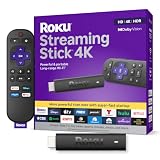
- Stunning 4K and Dolby Vision streaming made simple: With America’s number 1 TV streaming platform,* exploring popular apps—plus tons of free movies, shows, and live TV—is as easy as it is fun. *Based on hours streamed—Hypothesis Group
- Breathtaking picture quality: Stunningly sharp 4K picture brings out rich detail in your entertainment with four times the resolution of HD. Watch as colors pop off your screen and enjoy lifelike clarity with Dolby Vision and HDR10+.
- Seamless streaming for any room: With Roku Streaming Stick 4K, watch your favorite entertainment on any TV in the house, even in rooms farther from your router thanks to the long-range Wi-Fi receiver.
- Shows on the go: Take your TV to-go when traveling—without needing to log into someone else’s device.
- Compact without compromises: Our sleek design won’t block neighboring HDMI ports, so you can switch from streaming to gaming with ease. Plus, it’s designed to stay hidden behind your TV, keeping wires neatly out of sight
Like Noah and Nick, Raquel and Ares are pulled together by temptation they can’t control. The film understands how desire becomes all-encompassing when boundaries blur, especially inside wealthy, insulated worlds where intensity replaces emotional safety.
365 Days (2020)
Few international romances sparked as much controversy as this Polish erotic thriller. The relationship is built on power imbalance, danger, and attraction that borders on fixation, making it uncomfortable and addictive in equal measure.
For My Fault fans, the parallel lies in how the film romanticizes emotional extremes. Love isn’t gentle or patient here, it’s urgent, possessive, and framed as something that overwhelms logic and personal freedom.
Do these 3 things before closing this tab:
1Clear out junk files and repair common Windows errors2Scan for outdated or missing drivers - takes under a minute3Repair Windows errors before they cause bigger problemsThe Tearsmith (2024)
This Italian adaptation of a viral novel leans heavily into damaged characters and emotionally charged intimacy. The romance unfolds between two people shaped by trauma, anger, and unspoken longing.
Much like My Fault, the tension comes from what’s left unsaid. Every interaction carries weight, turning stolen glances and explosive arguments into the emotional backbone of the story.
Berlin Syndrome (2017)
What begins as a spontaneous vacation romance quickly transforms into psychological horror. This Australian-German thriller explores how attraction can turn into entrapment with terrifying speed.
While darker than My Fault, the emotional throughline is familiar. The film exposes how easily passion can mask control, tapping into the same fear-driven intensity that lurks beneath forbidden relationships.
The Handmaiden (2016)
Park Chan-wook’s sensual Korean thriller layers romance with deception, manipulation, and shifting power dynamics. Love here is dangerous not because it’s forbidden, but because it disrupts carefully constructed lies.
Fans of My Fault will recognize the thrill of alliances changing mid-scene. Desire becomes a weapon, and intimacy is never safe, only strategic and deeply emotional.
Aashiqui 2 (2013)
This Bollywood romance wraps obsession and self-destruction in sweeping music and emotional excess. The love story burns bright and painfully, fueled by jealousy, insecurity, and sacrifice.
Like My Fault, the film romanticizes emotional suffering as proof of devotion. Love is intense, overwhelming, and ultimately costly, especially when personal demons threaten to destroy everything it touches.
Quick wins for a faster PC:
Scan for outdated or missing drivers - takes under a minuteDriver Scan →Clear out junk files and repair common Windows errorsFree Scan →Fix the driver behind crashes, sound loss and screen glitchesFind Drivers →Love (2015)
Gaspar Noé’s polarizing French drama strips romance down to its rawest impulses. The film focuses on obsession, sexual intensity, and emotional fallout without softening its edges.
For viewers drawn to My Fault’s unfiltered passion, Love offers a more confrontational version of the same idea. It treats desire as something consuming and destructive, where intimacy leaves scars long after the relationship ends.
Independent reader supportYour contribution helps us test, update, and keep practical guides available for everyone.Final Watchlist Breakdown: 20 Movies Ranked by How Closely They Channel ‘My Fault’
This final ranking pulls everything together into one definitive watchlist, ordered by how closely each film captures the addictive DNA of My Fault. From dangerous step-sibling dynamics to emotionally volatile enemies-to-lovers romances, these movies deliver the same mix of obsession, rebellion, and heightened stakes that keep fans pressing play.
1. After (2019)
If My Fault had a cinematic cousin, it would be After. The enemies-to-lovers tension, emotional manipulation, and combustible chemistry mirror Nick and Noah’s dynamic almost beat for beat.
Both films thrive on toxic attraction and the fantasy of love as something all-consuming. It’s messy, controversial, and designed to hook viewers who crave emotional chaos.
2. Through My Window (2022)
This Spanish romance feels tailor-made for My Fault fans. The obsession, class divide, and forbidden desire play out with the same glossy intensity and youthful recklessness.
Raquel and Ares’ relationship leans heavily on longing, secrecy, and emotional dependency. It’s tender and troubling in equal measure.
3. Culpa Tuya (2024)
The direct sequel deepens everything that made My Fault resonate. The love grows more volatile, the consequences more severe, and the emotional stakes higher.
Windows Errors? Fix Them Before They Spread
Repair common Windows errors and clear accumulated junk for a smoother, more stable PC - no reinstall needed.Free scan · no reinstallOutdated Drivers Are Slowing You Down
One free scan finds every outdated or missing driver and matches the right update for your exact hardware.Free scan · exact hardware matchFor fans already invested, this is essential viewing. It leans fully into the idea that love doesn’t fix damage, it exposes it.
4. The Tearsmith (2024)
Adopted siblings, emotional repression, and slow-burning obsession define this Italian Netflix hit. The tension lives in silence and stolen moments rather than explosive arguments.
Like My Fault, it romanticizes emotional suffering while questioning whether love can survive unresolved trauma.
5. Beautiful Disaster (2023)
Bad-boy magnetism meets emotional masochism in this campus-set romance. The central relationship thrives on jealousy, possessiveness, and dramatic reconciliation cycles.
Fans of My Fault will recognize the familiar push-pull of desire and self-destruction.
6. Cruel Intentions (1999)
Manipulation and attraction blur into something dangerous in this iconic forbidden romance. Power games and sexual tension drive every interaction.
It channels My Fault’s fascination with morally compromised love and emotional brinkmanship.
7. The Handmaiden (2016)
This is My Fault filtered through erotic thriller territory. Love becomes rebellion, strategy, and survival all at once.
Recommended Free Tools
Best Value

- The Google TV Streamer (4K) delivers your favorite entertainment quickly, easily, and personalized to you[1,2]
- HDMI 2.1 cable required (sold separately)
- See movies and TV shows from all your services right from your home screen[2]; and find new things to watch with tailored recommendations for everyone in your home based on their interests and viewing habits
- Watch live TV and access over 800 free channels from Pluto TV, Tubi, and more[3]; if you find an interesting show or movie on your TV, mobile app, or Google search, you can easily add it to your watchlist, so it’s ready when you are[2]
- Up to 4K HDR with Dolby Vision delivers captivating, true-to-life detail[4]; and you can connect speakers that support Dolby Atmos for more immersive 3D sound
The emotional payoff comes from shifting power dynamics and intimacy forged under pressure.
8. Blue Is the Warmest Color (2013)
A raw, intimate portrayal of obsession and emotional dependence. The romance is deeply personal and painfully consuming.
Like My Fault, it captures how first love can feel like total annihilation.
9. 365 Days (2020)
Pure fantasy-driven obsession pushed to its most extreme. Control, desire, and controversy are the point.
While far less grounded, it taps into the same allure of dangerous romance without safety nets.
10. Endless Love (2014)
Young love spirals into obsession and rebellion against authority. Passion here feels reckless and unstoppable.
It mirrors My Fault’s theme of love as an act of defiance.
11. The Spectacular Now (2013)
A softer but emotionally resonant take on damaged young love. Trauma and avoidance shape the relationship.
Fans drawn to My Fault’s vulnerability beneath the bravado will connect here.
12. A Walk to Remember (2002)
Emotionally earnest and idealized, this romance trades danger for devotion. Love becomes transformative rather than destructive.
It resonates with viewers who connected to My Fault’s emotional sincerity.
13. The Kissing Booth (2018)
Glossy, chaotic, and fueled by bad decisions. Forbidden attraction drives the plot forward.
What’s actually slowing this PC down?
Pick the symptom - the matching free tool is one click away.
While lighter in tone, the emotional impulsiveness feels familiar.
14. Love (2015)
Obsessive desire stripped of fantasy and comfort. Intimacy is raw and often painful.
It appeals to viewers who want the darker emotional edges My Fault hints at.
15. Berlin Syndrome (2017)
Romance morphs into psychological captivity. Attraction becomes a trap.
Do these 3 things before closing this tab:
1Clear out junk files and repair common Windows errors2Fix the driver behind crashes, sound loss and screen glitches3Repair Windows errors before they cause bigger problemsThis is My Fault’s intensity taken into horror-adjacent territory.
16. Aashiqui 2 (2013)
Grand romantic suffering and self-destruction define this musical love story. Emotion is everything.
It shares My Fault’s belief that love and pain are inseparable.
17. Five Feet Apart (2019)
Physical distance replaces social taboo, but longing fuels the story. Love is defined by what can’t be touched.
The emotional restraint echoes My Fault’s quieter moments.
18. Chemical Hearts (2020)
Trauma and grief complicate teenage romance. Love arrives broken and uncertain.
Fans who connected to My Fault’s wounded characters will appreciate its sensitivity.
19. Palm Trees and Power Lines (2022)
A deeply uncomfortable exploration of manipulation disguised as affection. Romance is exposed as control.
The Tool Desk
Outbyte PC Repair FREEClear out junk files and repair common Windows errorsFree Scan →Outbyte Driver Updater FREEScan for outdated or missing drivers - takes under a minuteDriver Scan →It challenges the fantasies My Fault flirts with by showing their consequences.
20. Romeo + Juliet (1996)
The blueprint for forbidden love. Passion burns fast and catastrophically.
While stylized and classic, its emotional extremity still aligns with My Fault’s spirit.
Taken together, these 20 films map the emotional terrain My Fault thrives in: love that feels dangerous, irresistible, and impossible to ignore. Whether you’re chasing toxic tension, forbidden desire, or romances that leave bruises behind, this watchlist proves that the appeal of My Fault isn’t just the story, it’s the feeling of falling into something you know you shouldn’t.
Free tools Windows power users keep installed
One-click scans. No signup required.
Quick Recap
Product prices and availability are accurate as of the date/time indicated and are subject to change. Any price and availability information displayed on Amazon at the time of purchase will apply.