Quick wins for a faster PC:
Clear out junk files and repair common Windows errorsFree Scan →Scan for outdated or missing drivers - takes under a minuteDriver Scan →Repair Windows errors before they cause bigger problemsFix Now →More than a decade after its release, this revisionist Western has quietly reclaimed its place as one of the defining genre films of the modern era. What once sparked heated debate and box office spectacle now plays like a fully formed statement, a movie whose craft, confidence, and sheer entertainment value feel even more pronounced with time. Watching it today, especially now that it’s available to stream for free, feels less like catching up and more like rediscovering a landmark.
Part of what keeps the film so vital is how boldly it reshapes classic Western iconography into something muscular, confrontational, and unmistakably contemporary. Its action remains a standout, staged with operatic flair and razor-sharp tension, but there’s also a meticulous sense of control behind every frame. The movie understands the power of genre mythology and isn’t afraid to challenge it, weaponizing familiar tropes to comment on violence, history, and American storytelling itself.
| # | Preview | Product | Price | |
|---|---|---|---|---|
| 1 |

|
WB 10-Film Western Collection (DVD) | $16.49 | Buy on Amazon |
| 2 |
![The Cowboy Way [DVD]](https://m.media-amazon.com/images/I/51ox3ZKjnHL._SL160_.jpg)
|
The Cowboy Way [DVD] | $7.99 | Buy on Amazon |
| 3 |
|
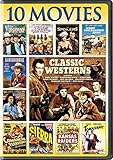
Classic Westerns, 10-Movie Collection: When Daltons Rode / The Virginian / Whispering Smith / The... | $7.89 | Buy on Amazon |
| 4 |
![James Stewart: 6-Movie Western Collection [DVD]](https://m.media-amazon.com/images/I/51AO7iUbS1L._SL160_.jpg)
|
James Stewart: 6-Movie Western Collection [DVD] | $9.86 | Buy on Amazon |
| 5 |

|
Clint Eastwood Collection, The | $12.99 | Buy on Amazon |
Thirteen years on, the cultural conversation around the film has matured, allowing its ambitions to be appreciated without the noise that initially surrounded it. What emerges is a work of craft and conviction, one that balances crowd-pleasing thrills with a filmmaker’s unmistakable voice. That it’s now so easily accessible only strengthens its legacy, inviting a new audience to see why this modern Western is increasingly spoken of as a masterpiece rather than just a provocation.
A Bold Reimagining of the Western Myth: Premise, Setting, and Genre Subversion
A Western Unbound by Geography or Tradition
Rather than retreating into the familiar dust and deserts of the American frontier, the film relocates the Western’s moral framework to the antebellum South. Plantations replace frontier towns, and slavery becomes the central engine of conflict, reframing the genre’s obsession with freedom, justice, and violence through a far more confrontational historical lens. It’s a daring shift that immediately signals this is not a nostalgic throwback, but a reckoning.
Do these 3 things before closing this tab:
1Clear out junk files and repair common Windows errors2Scan for outdated or missing drivers - takes under a minute3Repair Windows errors before they cause bigger problems#1 Best Overall
- Shrink-wrapped
By doing so, the movie exposes how deeply the Western myth has always been tied to power and brutality, even when classic Hollywood smoothed those edges. The setting isn’t just a backdrop; it’s an accusation, forcing viewers to confront a chapter of American history that traditional Westerns often sidestepped. That boldness is a major reason the film still feels urgent today.
A Familiar Structure, Radically Rewired
On the surface, the premise echoes classic genre beats: a lone figure, a ruthless mission, a journey defined by violence and moral tests. But those elements are deliberately destabilized, flipped to center a protagonist who has historically been marginalized or erased in Western storytelling. The result is a revenge narrative that feels both mythic and sharply political.
The film borrows the skeleton of spaghetti Westerns and exploitation cinema, then injects it with modern sensibilities and razor-edged dialogue. This collision of old and new is where much of its power lies, turning familiar genre rhythms into something bracingly unpredictable. What once felt shocking now reads as purposeful, even elegant.
Subversion as Spectacle
Action is where the film’s genre subversion becomes most visible. Gunfights are staged with operatic excess, but they’re also loaded with thematic intent, transforming violence into a form of narrative release rather than empty spectacle. Every explosive moment reinforces the film’s larger argument about agency, vengeance, and the cost of mythmaking.
Thirteen years later, that approach feels less controversial and more assured. The movie doesn’t just borrow the Western’s iconography; it interrogates it, reshaping the genre into something confrontational, cathartic, and undeniably entertaining. Seen now, especially with the ease of free streaming access, its bold reimagining plays not as a provocation, but as a confident statement that helped redefine what a modern Western could be.
Action as Storytelling: How the Film’s Set Pieces Redefined Modern Western Violence
What truly elevates the film into modern-masterpiece territory is how inseparable its action is from its storytelling. Violence isn’t a decorative flourish or a box-checking genre requirement; it’s the primary language through which power, resistance, and liberation are expressed. Every gunshot, explosion, and standoff advances character and theme as much as plot.
Rather than chasing realism in the traditional sense, the film embraces stylization as a form of truth. The heightened bloodshed, exaggerated reactions, and operatic pacing turn violence into punctuation, moments where the narrative underlines what words alone cannot. It’s a deliberate choice that reframes brutality as a tool of authorship rather than mere spectacle.
Set Pieces as Moral Turning Points
Each major action sequence functions like a chapter break, marking a shift in the protagonist’s control over their fate. Early violence is reactive and constrained, shaped by survival and disguise, while later confrontations explode with confidence and clarity. By the time the story reaches its most infamous shootout, the carnage feels earned, even inevitable.
What’s actually slowing this PC down?
Pick the symptom - the matching free tool is one click away.
This escalation gives the action emotional logic. The audience isn’t just watching bodies fall; they’re witnessing a systematic dismantling of a corrupt social order. The film understands that in the language of Westerns, violence is often how justice is articulated, and it leans into that tradition with ruthless precision.
Choreography Over Chaos
Despite its reputation for excess, the action is meticulously controlled. Gunfights unfold with clean spatial geography, sharp editing, and a keen sense of rhythm, ensuring that every beat lands with clarity. The result is action that feels expressive rather than noisy, closer to a dance than a brawl.
Rank #2
- Factory sealed DVD
This control allows the film to balance shock with readability. Viewers always know who holds power in a given moment, and when that power shifts, it’s unmistakable. That clarity is a hallmark of great action filmmaking, and it’s one reason these sequences remain so rewatchable over a decade later.
Violence as Reclamation
Perhaps most importantly, the film reclaims Western violence from nostalgia. Where classic entries often romanticized bloodshed as heroic inevitability, this movie reframes it as a means of reckoning. The action forces viewers to confront who has historically been allowed to wield violence on screen, and who has paid the price for it.
Seen today, the approach feels both influential and fully realized. Many modern genre films borrow its bravado, but few match its precision or purpose. That combination of great action and meaningful intent is exactly why, thirteen years on, the film’s set pieces still feel electric—and why rediscovering them now carries the same visceral impact as ever.
Career-Defining Performances and Iconic Characters
If the action gives the film its propulsion, the performances are what give it staying power. Thirteen years later, this modern Western is just as remembered for its characters as it is for its blood-soaked bravado. Each central performance doesn’t merely support the genre exercise; it actively reshapes how these actors are perceived within it.
Jamie Foxx’s Transformational Lead
At the center is Jamie Foxx, delivering a performance that quietly grew into a career landmark. His portrayal charts a deliberate evolution from guarded survivalist to mythic gunslinger, and Foxx sells every stage without ever overplaying the transformation. The confidence arrives gradually, until by the film’s final act, the character feels fully self-authored.
What’s striking in hindsight is how restrained the performance is for such a heightened film. Foxx understands that power, in this Western, comes from composure rather than bravado. It’s a turn that solidified him as a leading man capable of carrying both genre spectacle and thematic weight.
Free tools Windows power users keep installed
One-click scans. No signup required.
Christoph Waltz and the Power of Polite Menace
Christoph Waltz’s role remains one of the most celebrated performances of the 2010s, and revisiting it now only sharpens its impact. His character weaponizes intellect, civility, and legal language, offering a chilling contrast to the blunt cruelty around him. Waltz brings warmth and humor, but never lets the audience forget the danger beneath the charm.
The performance redefined the actor’s screen persona almost overnight. It proved that menace doesn’t need volume, and that control can be more unsettling than chaos. In a genre built on confrontations, his calm authority is often the most commanding presence in the room.
Leonardo DiCaprio and Samuel L. Jackson as Villainous Mirrors
Leonardo DiCaprio delivers one of his most audacious performances, embracing theatrical villainy without insulation or irony. His character embodies entitlement as pathology, a man so insulated by power that his cruelty feels casual, even petulant. It’s a fearless turn that refuses likability and leans fully into discomfort.
Opposite him, Samuel L. Jackson crafts one of the most complex and disturbing figures of his career. His performance subverts expectations, presenting a character who understands the system intimately and manipulates it to maintain his own proximity to power. Together, they form a chilling portrait of how corruption sustains itself across generations.
The Tool Desk
Outbyte PC Repair FREEClear out junk files and repair common Windows errorsFree Scan →Outbyte Driver Updater FREEScan for outdated or missing drivers - takes under a minuteDriver Scan →Rank #3
Characters That Entered the Modern Western Canon
What ultimately makes these performances iconic is how completely the characters have embedded themselves into modern genre mythology. Their dialogue, costumes, and moral positioning feel instantly recognizable, even to viewers who haven’t revisited the film in years. These aren’t just roles; they’re archetypes refined for a new era.
That durability is a key reason the film now wears the “masterpiece” label so comfortably. Great Westerns are remembered as much for their figures as their shootouts, and this one delivered both in equal measure. Rediscovering it today means encountering characters that still feel alive, dangerous, and impossible to forget.
Craftsmanship on Display: Direction, Cinematography, Score, and Visual Style
If the characters are what linger in the memory, it’s the film’s craftsmanship that makes revisiting it such a visceral pleasure. Quentin Tarantino directs with absolute command, blending reverence for classic Westerns with his own elastic sense of tone and rhythm. Thirteen years on, the confidence of the filmmaking feels even more striking, like a director fully in control of every frame and beat.
What’s remarkable is how disciplined the direction feels beneath the bravura. Tarantino indulges when it serves character or tension, but the film never drifts. Each scene is engineered to escalate, whether through dialogue, blocking, or sudden eruptions of violence.
A Western Eye Reimagined Through Cinematography
Cinematographer Robert Richardson gives the film its operatic visual identity, capturing landscapes with a grandeur that recalls classic Hollywood Westerns while pushing them into something sharper and more confrontational. The wide shots of the American South are both beautiful and ominous, framing freedom and brutality within the same horizon. Light is used aggressively, from sun-drenched exteriors to candlelit interiors that feel claustrophobic and morally suffocating.
Richardson’s camera also knows when to get out of the way. During confrontations, the compositions emphasize power dynamics rather than spectacle, letting posture, distance, and eye contact do the work. It’s visual storytelling that respects the genre’s past while refusing nostalgia.
A Score That Bridges Eras and Emotions
The film’s eclectic score is one of its most daring choices, stitching together classic Western cues, soul, and modern influences into a soundscape that feels timeless and provocative. Rather than anchoring the film to a single era, the music underscores its emotional truth. It reminds the audience that this story, while historical, is meant to resonate far beyond its setting.
Ennio Morricone’s contributions lend mythic weight, while unexpected musical choices inject momentum and attitude. The result is a soundtrack that heightens the action without romanticizing the violence, keeping the audience alert and unsettled.
Violence, Color, and the Language of Excess
Visually, the film embraces stylization without losing clarity. Blood is vivid, compositions are bold, and moments of excess are calibrated to shock rather than numb. Tarantino uses color and contrast to make violence feel operatic and confrontational, forcing viewers to reckon with its implications rather than passively consume it.
That balance is a major reason the film has aged so well. What once felt provocative now reads as deliberate and precise, a conscious rejection of sanitized Western mythmaking. Watching it today, especially with the ease of free streaming, the craftsmanship feels not just impressive, but essential to why this modern Western still commands attention.
Rank #4
Cultural Impact and Controversy: Why the Film Still Sparks Conversation
More than a decade later, the film’s reputation has only grown louder and more complicated. What was once framed as a provocative genre exercise is now frequently cited as one of the defining modern Westerns, a film that refused to play by the rules of historical reverence or polite storytelling. Its cultural footprint extends far beyond box office numbers, living on through debate, imitation, and constant reappraisal.
Reclaiming the Western Through Confrontation
At its core, the film challenged who gets to be centered in a Western and who gets to wield mythic power. By placing a formerly enslaved Black man at the center of a revenge-driven frontier narrative, it reframed a genre long built on exclusion. That act alone forced audiences and critics to reconsider the moral blind spots of classic Western storytelling.
Outdated Drivers Are Slowing You Down
One free scan finds every outdated or missing driver and matches the right update for your exact hardware.Free scan · exact hardware matchWindows Errors? Fix Them Before They Spread
Repair common Windows errors and clear accumulated junk for a smoother, more stable PC - no reinstall needed.Free scan · no reinstallThe approach was deliberately abrasive, rejecting subtlety in favor of clarity and force. The film wasn’t interested in comfort or consensus, and that refusal is a major reason it continues to provoke discussion. It demanded that viewers confront the uglier truths behind American mythmaking rather than escape into romanticized history.
Violence, Language, and the Ongoing Debate
Few elements of the film sparked more controversy than its explicit violence and repeated use of racial slurs. For some, these choices were necessary to depict the brutality of the era without dilution. For others, they crossed a line, raising questions about excess, exploitation, and authorial perspective.
What’s notable is that the debate hasn’t faded with time. If anything, modern conversations around representation and historical storytelling have made the film feel newly relevant. Watching it today, especially in the context of free streaming access, invites a fresh examination of whether its confrontational style clarifies history or complicates it further.
Influence, Legacy, and a Modern Canon
The film’s impact can be seen in the wave of genre-blending Westerns and revisionist action films that followed. Its blend of operatic violence, sharp dialogue, and unapologetic perspective opened doors for bolder reinterpretations of classic American genres. It also solidified performances that remain career-defining, particularly in how villains and heroes are portrayed with unsettling charisma.
Thirteen years on, the conversation around the film feels less about shock value and more about legacy. As it finds new audiences through free streaming, it continues to challenge expectations, spark arguments, and remind viewers that great genre films don’t fade quietly. They linger, provoke, and demand to be reckoned with.
Independent reader supportYour contribution helps us test, update, and keep practical guides available for everyone.From Acclaimed Release to Modern Masterpiece: How Reputation Has Grown Over Time
When the film premiered in 2012, it was greeted with near-instant acclaim, praised for its swaggering confidence, muscular action sequences, and audacious reworking of Western iconography. Critics highlighted its technical command and undeniable entertainment value, even as debates around tone and historical depiction simmered beneath the surface. At the time, it felt like a cultural event as much as a movie, one that demanded to be argued with as much as admired.
Over the years, however, the conversation has shifted. What once felt incendiary now reads as deliberate, even carefully constructed, with time revealing how meticulously the film balances provocation and craft. Distance has allowed audiences to see past the initial shock and better appreciate the precision of its filmmaking.
Craftsmanship That Rewards Rewatching
Revisiting the film today makes its formal strengths impossible to ignore. The action remains razor-sharp, staged with a clarity and rhythm that puts many modern blockbusters to shame. Gunfights unfold like grim choreography, blending tension, brutality, and dark humor without losing narrative momentum.
Recommended Free Tools
Best Value
- Factory sealed DVD
Equally enduring is the film’s visual language. Its widescreen compositions, striking use of color, and deliberate pacing recall classic Westerns while modernizing their energy. What once seemed flashy now feels confident, the work of a filmmaker fully in command of tone and genre.
Performances That Have Only Grown in Esteem
Time has been especially kind to the film’s performances. What were already widely praised turns now feel definitive, with characters that linger in the cultural imagination long after the credits roll. Heroes are complicated, villains are disturbingly magnetic, and the emotional extremes are played without irony or restraint.
These performances have become reference points, frequently cited in discussions of modern genre acting. Seen again years later, they help explain why the film has endured beyond its initial controversy.
A Masterpiece in the Age of Free Streaming
Perhaps the clearest sign of the film’s elevated status is how naturally it fits into today’s conversations about modern classics. No longer framed solely as a provocation, it’s increasingly discussed as a benchmark for action-driven storytelling with thematic weight. Its influence can be felt across contemporary Westerns and genre hybrids that dare to be confrontational.
The Tool Desk
Outbyte PC Repair FREERepair Windows errors before they cause bigger problemsFix Now →Outbyte Driver Updater FREEFix the driver behind crashes, sound loss and screen glitchesFind Drivers →Its availability on free streaming platforms only strengthens that reputation. With barriers removed, new viewers can engage with the film on its own terms, while longtime fans can reassess it with fresh perspective. Thirteen years on, it doesn’t feel like a relic of its era, but a fully realized modern Western that has earned its place as a genuine masterpiece.
Why Streaming It for Free Makes This the Perfect Time to Rewatch—or Discover—It
There’s something uniquely satisfying about revisiting a film once the cultural noise around it has faded. Streaming it for free removes expectations, hype, and the pressure of its original release moment, allowing the movie to be judged purely on its craft. In that quieter context, its confidence as a modern Western becomes impossible to deny.
For longtime fans, this accessibility invites reassessment. Scenes that once felt designed to provoke now register as carefully calibrated genre statements, balancing spectacle with intent. The film’s reputation benefits from distance, revealing how deliberate its choices really were.
Zero Barrier, Maximum Impact
Free streaming lowers the barrier of entry in a way that suits this film perfectly. There’s no risk involved, only the chance to experience one of the most talked-about Westerns of the 21st century as it was meant to be seen: uninterrupted, immersive, and on its own terms. That accessibility helps explain why the movie continues to find new admirers more than a decade later.
Windows Errors? Fix Them Before They Spread
Repair common Windows errors and clear accumulated junk for a smoother, more stable PC - no reinstall needed.Free scan · no reinstallOutdated Drivers Are Slowing You Down
One free scan finds every outdated or missing driver and matches the right update for your exact hardware.Free scan · exact hardware matchFor viewers who missed it the first time, this is an ideal entry point into modern Western cinema. The film distills classic genre pleasures—gunfights, standoffs, revenge—while pushing them into bolder, more confrontational territory. It’s both familiar and bracingly new.
A Modern Western That Still Feels Dangerous
What stands out most on rewatch is how little the film has softened with age. Its action remains forceful, its humor sharp, and its worldview unapologetically intense. Few studio-era releases from the early 2010s feel this alive, or this willing to challenge an audience.
That edge is precisely why it benefits from rediscovery now. In a streaming landscape crowded with safe, algorithm-friendly entertainment, the film’s audacity feels refreshing rather than excessive. It reminds viewers what a big, director-driven genre film can achieve.
Why It Belongs on Your Watchlist Right Now
Free streaming transforms this movie from a remembered cultural event into an immediate experience. It invites comparison with today’s Western-inspired films and makes its influence easier to trace. Seen now, its craftsmanship feels ahead of its time rather than bound to it.
Thirteen years on, this modern Western stands as proof that great action filmmaking doesn’t expire. Whether revisiting it with fresh eyes or discovering it for the first time, watching it now reveals why it has quietly, confidently earned its status as a modern masterpiece.
Quick Recap
Product prices and availability are accurate as of the date/time indicated and are subject to change. Any price and availability information displayed on Amazon at the time of purchase will apply.