“123 million views: Elon Musk makes Kamala Harris’ fake AI video hit” describes a manipulated parody video, not a real Harris statement. Shared by Musk on X on July 26, 2024, the clip reused campaign footage and an AI-generated imitation of Harris’s voice; the Associated Press reported more than 123 million views on July 29.
The video became a political-media controversy because the original creator labeled it parody, while Musk’s initial post did not prominently preserve that disclosure. That distinction matters: a creator’s satirical intent does not guarantee that every viewer receiving a widely amplified copy will recognize the content as fake.


Key takeaways
- The video shared by Elon Musk was not an authentic statement by Kamala Harris; it used an AI-generated imitation of her voice and manipulated campaign-style content.
- The original Mr. Reagan post labeled the video as parody, but Musk’s initial X post did not prominently preserve that disclosure.
- The Associated Press, in reporting published July 29, 2024, said Musk’s post had been viewed more than 123 million times; later reports recorded higher snapshots.
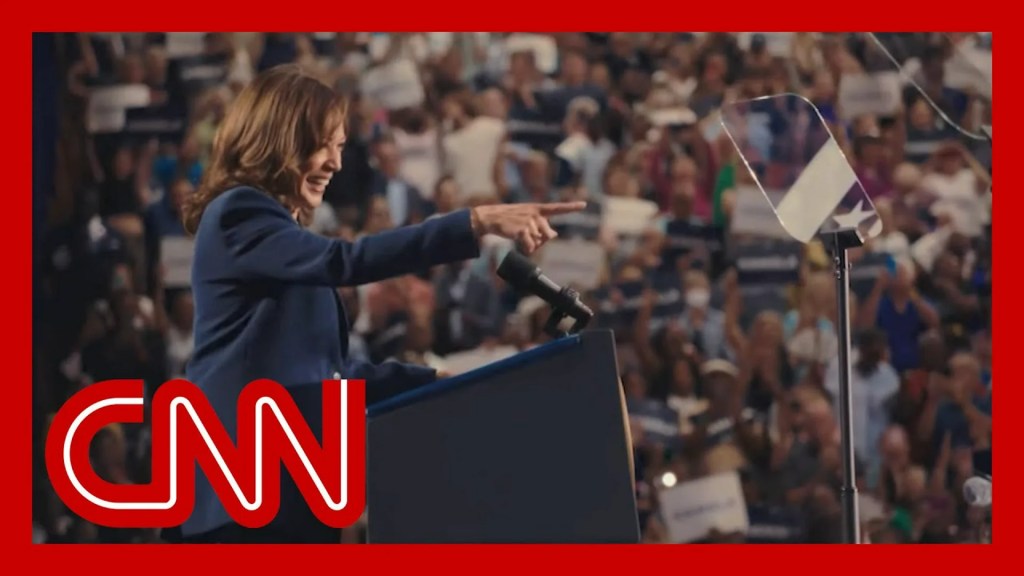
- The fake video reused recognizable elements from Harris’s first official campaign ad, which was released on July 25, 2024, and featured Beyoncé’s song “Freedom.”
- X’s synthetic-media policy addressed misleading manipulated content, but the available reporting does not establish that X formally found Musk’s post to violate the policy.
Did Elon Musk share a fake Kamala Harris video?
Yes. Elon Musk shared a manipulated campaign-style video on X on July 26, 2024. The video made Kamala Harris appear to speak words she did not say by replacing the voice-over from her campaign material with an AI-generated imitation of her voice. The video was not an authentic Harris statement.
The clip was originally posted by the account using the Mr. Reagan persona and was labeled as parody. Musk shared it with the caption “This is amazing” and a laughing emoji. The controversy centered on the difference between the original creator’s stated satirical intent and the context visible when Musk amplified the clip to his much larger audience. The Associated Press-sourced account of Musk’s post reported those details on July 29, 2024.
#1 Best Overall
How many views did Elon Musk’s Harris deepfake get?
The Elon Musk Harris deepfake had more than 123 million views in a July 29, 2024 snapshot. According to the Associated Press, as reported by Fortune on July 29, 2024, Musk’s post had been viewed more than 123 million times. That number was not a permanent or current audience total; it was a platform snapshot taken while the post continued circulating.
Later contemporaneous reports gave higher figures. ABC15 reported that the unlabelled version had passed 130 million views, while ABC7 reported that more than 132 million accounts had viewed it on July 30, 2024. The figures can differ because they were recorded on different dates and used different platform metrics, including views and accounts reached. They should not be presented as a single independently audited total or as the video’s current view count.
| Reported figure | Date of snapshot | What it represents |
|---|---|---|
| More than 123 million views | July 29, 2024 | Figure attributed to the Associated Press in Fortune’s report |
| More than 130 million views | Reported during subsequent coverage | A later contemporaneous description of the unlabelled version’s circulation |
| More than 132 million accounts | July 30, 2024 | ABC7’s reported snapshot of accounts that had viewed the post |
The important point is not that one number is the definitive total. The important point is that a synthetic political message reached an exceptionally large audience before every viewer necessarily saw the original parody context.
Was the Kamala Harris campaign ad AI-generated?
No. The authentic Kamala Harris campaign ad was real; the altered version was AI-manipulated. Harris’s campaign released the original ad on July 25, 2024, around a freedom theme and using Beyoncé’s song “Freedom.” The official campaign video provides the authentic source material for comparison.
Do these 3 things before closing this tab:
1Fix the driver behind crashes, sound loss and screen glitches2Repair Windows errors before they cause bigger problems3Scan for outdated or missing drivers - takes under a minuteThe fake clip reused recognizable visual and campaign elements from that real advertisement but replaced the original narration with synthetic audio. The altered narration made Harris appear to attack herself and Joe Biden. That combination—real-looking footage, familiar campaign branding, and a cloned-sounding voice—made the clip more persuasive than an obviously fabricated image or an ordinary written joke.
Rank #2
| Authentic campaign ad | Manipulated video |
|---|---|
| Released July 25, 2024 | Shared by Musk on July 26, 2024 |
| Official Harris campaign material | Parody video posted by the Mr. Reagan account |
| Used Beyoncé’s “Freedom” | Reused recognizable campaign-ad elements |
| Contained the campaign’s genuine narration and message | Used an AI-generated imitation of Harris’s voice to deliver false words |
Was the Elon Musk Harris video a parody?
The original creator said the video was intended as parody, and the original post carried a parody label. That establishes the creator’s stated intent, but it does not prove that every person who encountered the amplified version understood the joke.
Context is part of how political media communicates. A disclosure attached to an original post can become less visible when a video is downloaded, reposted, embedded, clipped, or shared with a new caption. In this case, reporting said that Musk’s initial post did not prominently foreground the parody label. The same audiovisual content could therefore be read as satire by one viewer and as a genuine campaign statement by another.
Chris Kohls, who used the Mr. Reagan persona, described the video as parody in reporting by Scripps News. The careful conclusion is that the creator claimed satirical intent, while the distribution of the clip created a separate audience-context problem.
Quick wins for a faster PC:
Scan for outdated or missing drivers - takes under a minuteDriver Scan →Repair Windows errors before they cause bigger problemsFix Now →Fix the driver behind crashes, sound loss and screen glitchesFind Drivers →Why did the AI-generated voice make the video consequential?
The synthetic voice made false words sound as though they came from a recognizable public figure. Hany Farid, a University of California, Berkeley professor and digital-forensics expert, said, “The AI-generated voice is very good.” Farid also explained that false words become more powerful when placed in a familiar public figure’s voice. His assessment appears in UC Berkeley’s report on the video, published July 31, 2024.
A convincing synthetic voice does not need to fool every listener to have an effect. A viewer may remember the emotional impression of a clip, share it without checking the source, or see it only after the parody disclosure has disappeared. Authentic-looking footage can also reduce the suspicion that normally accompanies a visibly fabricated political meme.
The episode therefore illustrates two different questions: whether a video is technically authentic and whether the audience is receiving enough context to interpret it correctly. A video can be intended as satire and still function as misleading content after mass amplification.
Did Elon Musk violate X’s deepfake policy?
The available reporting does not establish that X formally adjudicated Musk’s post as a policy violation. Critics argued that the post lacked adequate context, while X’s published policy materials described the kinds of synthetic and manipulated media that could warrant warnings, notices, contextual links, or removal when serious harm was possible.
Recommended Free Tools
X’s policy-development material defined synthetic and manipulated media as content significantly altered or fabricated in a way intended to mislead people or change the original meaning. X stated: “You can’t share deceptively synthetic or manipulated media that may cause harm.” The official X policy-development statement described possible responses including notices, warnings, contextual links, and removal in serious cases.
X also said in January 2024 that it had taken action on more than 30,000 pieces of content under its synthetic and manipulated media policy. According to X’s 2024 statement, that figure was a broad platform-reported enforcement number, not a finding about the Harris video specifically. The number should not be used to imply that X reached the same conclusion about Musk’s post.
The most accurate description is that Musk’s post appeared to conflict with the spirit of the platform’s synthetic-media rules, or prompted criticism that it lacked required context. Calling the incident a proven legal violation or a formally established X-policy violation would go beyond the evidence in the contemporaneous reporting.
Why did the Harris campaign object?
The Harris campaign objected that voters should see the candidate’s real message rather than manipulated material falsely presented in her voice. Campaign spokesperson Mia Ehrenberg said: “We believe the American people want the real freedom, opportunity and security Vice President Harris is offering; not the fake, manipulated lies of Elon Musk and Donald Trump.” The statement was reported by the Associated Press and reproduced by Euronews.
PC Slower Than It Used to Be?
A free scan shows the junk files, broken settings and background clutter dragging Windows down - then fixes them in one click.Free scan · Windows 10 & 11Outdated Drivers Are Slowing You Down
One free scan finds every outdated or missing driver and matches the right update for your exact hardware.Free scan · exact hardware matchThe response reflects the central political risk: synthetic media can change what voters think a candidate said without requiring the creator to produce an entirely new video. Reusing authentic campaign footage supplies visual credibility, while an AI-generated voice supplies a false statement.
How can you tell if a political video is a deepfake?
No single visual clue or software tool can reliably authenticate every live political video. A stronger check combines the original source, the surrounding context, the audio and video evidence, and a comparison with official material.
- Find the earliest available post. Check who uploaded the clip first, whether the post included a parody or satire disclosure, and whether the disclosure remains attached to later reposts.
- Compare the claim with an official source. Look for the candidate’s official campaign account, website, or original video. In the Harris case, the July 25 campaign ad was a useful reference because the manipulated clip reused its recognizable elements.
- Separate the picture from the words. Real footage does not prove that the accompanying narration is genuine. Ask whether the lips, pauses, breathing, room acoustics, and edits match the supposed speaker.
- Check the date and caption. A real campaign video can be reposted with a false caption or combined with newly generated audio. The upload date, caption, and editing history matter as much as the pixels.
- Look for independent reporting. Prefer named reporting, official statements, and specialist analysis over comments that merely assert that a clip “sounds fake.”
- Do not amplify an uncertain claim while investigating. Sharing the clip to ask whether it is real can increase its reach before the correction reaches the same audience.
Readers who want a deeper technical introduction can consult DeepFakes: Creation, Detection, and Impact, a book covering deepfake creation, detection, manipulated-content identification, and media forensics. A book can explain detection concepts and limitations; it cannot by itself authenticate a particular Musk post or establish the provenance of a live social-media upload.
Independent reader supportYour contribution helps us test, update, and keep practical guides available for everyone.What does the incident show about AI and political media?
The Harris video was controversial because creator intent, platform context, and audience interpretation did not align neatly. The original creator labeled the work parody. Musk’s post gave the video broad additional distribution without prominently preserving that label. Viewers encountering the repost could therefore miss the information needed to distinguish satire from a genuine campaign statement.
The Tool Desk
Outbyte PC Repair FREERepair Windows errors before they cause bigger problemsFix Now →Outbyte Driver Updater FREEScan for outdated or missing drivers - takes under a minuteDriver Scan →Best Value
The episode also shows why view counts should be treated as dated evidence rather than timeless facts. More than 123 million views on July 29, 2024 described the post’s reach at that moment. It did not establish how many viewers believed the clip, how many saw the parody label, or how many watched the entire video.
Finally, the story is not only about whether AI can imitate a public figure. It is about how authentic material, synthetic audio, a powerful account, and missing context interact. The most responsible analysis keeps those elements separate: the video was manipulated, the original creator said it was parody, the amplification made the context easier to lose, and the available evidence does not prove a formal legal or platform-policy finding against Musk.
Frequently Asked Questions
Was the Kamala Harris campaign ad AI-generated?
No. The video used recognizable material from Harris’s real July 25, 2024 campaign ad but replaced its narration with an AI-generated imitation of her voice. The altered narration made Harris appear to say things she did not say.
How many views did Elon Musk’s Harris deepfake get?
The Associated Press reported more than 123 million views for Musk’s post in a July 29, 2024 snapshot. Later reports cited more than 130 million views and more than 132 million accounts on July 30, so the figures reflect different dates and platform metrics rather than one confirmed permanent total.
Was the Elon Musk Harris video a parody?
The original Mr. Reagan post labeled the video as parody, and creator Chris Kohls said it was intended as parody. Musk’s initial amplification did not prominently preserve that context, so the video could reach viewers who did not realize it was satire.
Did Elon Musk violate X’s deepfake policy?
The available reporting does not establish that X formally found the post to violate its policy. X’s published rules addressed deceptively synthetic or manipulated media that may cause harm, and critics argued that Musk’s post lacked sufficient context.
The Bottom Line
The viral video was a parody built from real Harris campaign material but altered with an AI-generated imitation of her voice. The original parody label mattered, yet Musk’s amplification made that context less prominent. The more than 123 million views reported on July 29, 2024 were a dated snapshot—not proof that the video was authentic or that every viewer understood it was satire.
Quick Recap
Product prices and availability are accurate as of the date/time indicated and are subject to change. Any price and availability information displayed on Amazon at the time of purchase will apply.
Free tools Windows power users keep installed
One-click scans. No signup required.