The Tool Desk
Outbyte Driver Updater FREEScan for outdated or missing drivers - takes under a minuteDriver Scan →Outbyte PC Repair FREEClear out junk files and repair common Windows errorsFree Scan →Rage Against the Machine’s best songs turn political anger into a distinctive musical collision: Zack de la Rocha’s urgent vocals, Tom Morello’s unconventional guitar sounds, and a rhythm section that locks hip-hop grooves to heavy rock. This ranked list is an editorial judgment, not an official or statistically measured consensus. It weighs performance, originality, lyrical and historical resonance, and lasting recognition—and includes a starter set for new listeners.
How this ranking works
The band’s official site describes its 1992 debut as a fusion of hip-hop and metal carrying political messages. That sound remained the through-line across the four studio albums represented here: Rage Against the Machine (1992), Evil Empire (1996), The Battle of Los Angeles (1999), and the cover collection Renegades (2000). The ranking balances the albums rather than treating familiarity or awards as proof of artistic quality. For the debut’s own description and track list, see the official album page.
| # | Preview | Product | Price | |
|---|---|---|---|---|
| 1 |

|
Rage Against The Machine | $12.99 | Buy on Amazon |
| 2 |

|
Evil Empire | $9.99 | Buy on Amazon |
| 3 |

|
Rage Against The Machine - XX (20th Anniversary Edition) | $9.99 | Buy on Amazon |
| 4 |

|
The Battle of Los Angeles | $6.99 | Buy on Amazon |
| 5 |
|
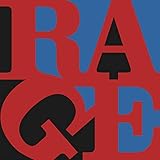
Renegades | $7.58 | Buy on Amazon |
Rage Against the Machine’s 25 best songs
-
“Killing in the Name”
The band’s most instantly recognizable confrontation is built on a riff that keeps tightening until de la Rocha’s repeated final lines become a release. Reporting by Louder connects the song’s context to the 1991 beating of Rodney King by four LAPD officers, while attributing recollections about its origins to producer Garth Richardson and Morello. That context matters, but it should not be treated as the song’s only possible reading. Its later reach was striking too: a 2009 fan campaign helped it reach the UK Christmas number one, a development Morello said “took us completely by surprise.”
-
“Bulls on Parade”
Morello’s scratched, turntable-like guitar sound makes the song feel like a warning siren, while the groove stays muscular and controlled. It is the signature track from Evil Empire, an album that debuted at No. 1 on the Billboard 200 according to the band’s official album page. That album-level achievement is context, not a song-level popularity measure.
Recommended: PC Feels Slow? A Free Scan Shows What's Dragging Windows Down →Recommended: Update Every Outdated Driver on Your PC in One Scan - Free →Recommended: Fix Windows Errors and Clear Junk Files in Minutes - Free Scan →Special offer. See more information about Outbyte and uninstall instructions. Please review EULA and Privacy policy.#1 Best Overall
Rage Against The Machine- Shrink-wrapped
-
“Wake Up”
A slow-building, heavy arrangement gives way to one of de la Rocha’s most forceful performances. Its lyrics invoke Black political history, and the gradual escalation makes it a powerful closer to the debut rather than a simple burst of anger.
-
“Testify”
The clipped, restless riff and call-and-response vocal delivery turn political urgency into a track that moves like a chase. The band’s official album page identifies it as a political song and notes that Michael Moore directed its video.
-
“Guerrilla Radio”
Morello’s sharp, elastic guitar figure gives the song an immediate hook, and the arrangement keeps its momentum without sacrificing the band’s abrasive edge. It won Best Hard Rock Performance at the 2001 Grammys, according to the band’s official chronology.
-
“Take the Power Back”
The debut’s funk-driven bass and guitar groove gives de la Rocha space to deliver a pointed critique of education and historical narratives. It is one of the clearest examples of the band making a political argument inseparable from the physical feel of the music.
Do these 3 things before closing this tab:
1Repair Windows errors before they cause bigger problems2Scan for outdated or missing drivers - takes under a minute3Clear out junk files and repair common Windows errorsSpecial offer. See more information about Outbyte and uninstall instructions. Please review EULA and Privacy policy. -
“Sleep Now in the Fire”
The song charges forward on a riff that feels both blunt and nimble, with de la Rocha pushing its critique of wealth and power into the foreground. The official Battle of Los Angeles page calls it a political track and credits Michael Moore with directing its video.
Rank #2
Evil Empire- Shrink-wrapped
-
“Bombtrack”
The opening track of the 1992 debut announces the band’s formula with unusual clarity: tightly coiled rhythm, an explosive chorus, and a voice that sounds ready to break through the speakers. It is a concentrated introduction to the record’s hip-hop-and-metal fusion.
-
“Down Rodeo”
A deep, swaggering groove gives this Evil Empire track a different kind of menace from the band’s faster songs. Its sharply drawn images of class conflict make it one of the album’s most vivid pieces of writing.
-
“Calm Like a Bomb”
Its title captures the tension in the arrangement: a controlled, loping pulse carrying explosive vocal and guitar accents. The official Battle of Los Angeles page specifically highlights it among the album’s political tracks.
Special offer. See more information about Outbyte and uninstall instructions. Please review EULA and Privacy policy. -
“Freedom”
The debut closes with a gradual build that turns into a full-band surge. De la Rocha’s focus on Leonard Peltier gives the song a specific political subject, while the arrangement makes its final stretch feel earned rather than merely loud.
-
“People of the Sun”
This compact Evil Empire track takes on the erasure and appropriation of Indigenous history through a clipped, forceful performance. Its directness makes it one of the band’s clearest songs about historical memory.
Rank #3
Rage Against The Machine - XX (20th Anniversary Edition)- Shrink-wrapped
-
“Know Your Enemy”
A taut, shifting arrangement gives way to a memorable vocal exchange, with Maynard James Keenan appearing as a guest. The contrast between the song’s different vocal textures adds to its sense of confrontation.
-
“Bullet in the Head”
The debut’s heavy, unsettled groove suits lyrics about media, control, and political passivity. Morello’s guitar sounds less like conventional hard-rock decoration than another voice interrupting the argument.
Special offer. See more information about Outbyte and uninstall instructions. Please review EULA and Privacy policy. -
“Tire Me”
Short, jagged, and deliberately abrasive, “Tire Me” compresses the band’s attack into a burst rather than building toward a conventional anthem. It won Best Metal Performance at the 1997 Grammys, as recorded in the band’s official chronology.
-
“Mic Check”
The song’s stop-start rhythm gives the vocals room to snap into the gaps, making it one of the more rhythmically playful tracks on The Battle of Los Angeles. It shows how the band could create tension through silence and interruption as well as volume.
-
“Vietnow”
A lurching groove and abrasive guitar tone make this one of the most unsettling songs on Evil Empire. Its target is political messaging that dresses itself up as news and reassurance.
Rank #4
-
“Fistful of Steel”
Morello’s sharp, almost metallic guitar accents keep changing the texture of this debut-album track. The performance feels restless and unpredictable, a useful counterpoint to the album’s more straightforwardly anthemic songs.
Special offer. See more information about Outbyte and uninstall instructions. Please review EULA and Privacy policy. -
“War Within a Breath”
The closing track on The Battle of Los Angeles feels less like a calm resolution than a final escalation. Its fast, insistent rhythm and compressed vocal delivery leave the album on a note of unresolved pressure.
-
“Year of tha Boomerang”
Originally associated with the soundtrack to Higher Learning before appearing on Evil Empire, the song has a rough, surging energy that suits its themes of resistance and retaliation. The unconventional spelling in the title is part of the official track listing.
-
“Without a Face”
This Evil Empire track pairs a compact, hard-driving riff with lyrics about the treatment of immigrants. Its force comes from the contrast between the song’s controlled groove and its anger at dehumanizing policy.
-
“The Ghost of Tom Joad” (cover)
Rage Against the Machine transforms Bruce Springsteen’s acoustic song into a slow, heavy rock performance. The cover keeps the original’s focus on displacement and hardship while changing its scale and texture. It appears on Renegades, the band’s tribute to artists who influenced it.
Free tools Windows power users keep installed
One-click scans. No signup required.
Special offer. See more information about Outbyte and uninstall instructions. Please review EULA and Privacy policy.Best Value
-
“Renegades of Funk” (cover)
Afrika Bambaataa and the Soulsonic Force’s song gets a propulsive, guitar-driven treatment that preserves its celebration of musical and cultural innovators. It is one of Renegades’ clearest examples of the band making an influence feel like an extension of its own sound.
-
“Maggie’s Farm” (cover)
The band turns Bob Dylan’s song into a blunt, distorted refusal of exploitative work and authority. Its tense attack makes it a natural fit for the band’s catalogue, while its place on Renegades marks it clearly as an interpretation rather than an original.
-
“The Ghost of Tom Joad” (cover)
This cover’s stripped-down opening and gradual rise show the group working with space and restraint rather than starting at full force. Springsteen’s original supplies the song’s narrative of people pushed to the margins; Rage Against the Machine’s version gives that story a heavier, more ominous frame.
Where to start with Rage Against the Machine
For a quick introduction, start with “Bombtrack,” “Killing in the Name,” and “Wake Up” from the debut, then move to “Bulls on Parade” and “Down Rodeo” from Evil Empire. Finish with “Testify,” “Guerrilla Radio,” and “Sleep Now in the Fire” from The Battle of Los Angeles. That sequence shows the band’s core sound across its three original studio albums; try Renegades afterward to hear how it recast songs by artists who influenced it.
Recommended Free Tools
How the four albums fit together
The official track catalogs give the ranking its boundaries: the 1992 debut, Evil Empire (1996), The Battle of Los Angeles (1999), and Renegades (2000). The last is a tribute collection built around covers, not another album of original Rage Against the Machine songs. The official Renegades page describes its tribute purpose and lists its tracks; the band chronology names the original artists represented.
The albums also have useful recognition points, though none establishes an objective song ranking: Evil Empire debuted at No. 1 on the Billboard 200; “Tire Me” won Best Metal Performance in 1997; “Guerrilla Radio” won Best Hard Rock Performance in 2001; and the band says The Battle of Los Angeles was named the best album of 1999 by Rolling Stone and Time. Those claims come from the band’s album page, chronology, and album page, respectively.
Quick Recap
Product prices and availability are accurate as of the date/time indicated and are subject to change. Any price and availability information displayed on Amazon at the time of purchase will apply.