Recommended Free Tools
Meta did not make Sarah Wynn-Williams’s memoir disappear. It used private arbitration to restrict her ability to promote and discuss it; the book remained on sale, and the dispute itself drew more attention to it. That is why the episode is often described as a Streisand effect—but the publicity does not settle the legal dispute or prove that Meta’s actions alone made the book a bestseller.
Who is Sarah Wynn-Williams, and what is the book?
Wynn-Williams is a former New Zealand diplomat who later became Facebook’s director of global public policy. Her memoir, Careless People: A Cautionary Tale of Power, Greed, and Lost Idealism, recounts her experience inside the company, including its leadership, workplace culture, international operations and political influence. It also makes allegations about senior figures and workplace conduct; those are claims in the memoir, not findings established by the arbitration.


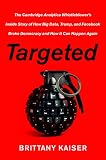


Flatiron Books, a Macmillan imprint, published the roughly 400-page book on March 11, 2025. Macmillan identifies it as a No. 1 New York Times bestseller. Macmillan’s book page gives the publication details, while its author biography describes Wynn-Williams’s background.
What did Meta try to restrict?
Meta relied on a severance agreement with non-disparagement and confidentiality provisions and pursued emergency private arbitration. In March 2025, an emergency arbitrator issued an interim award restricting Wynn-Williams’s promotion and discussion of the book, as well as certain critical comments about Meta and its executives. The dispute was not an ordinary public trial over whether the memoir’s allegations were true.
#1 Best Overall
The distinction matters: the initial restriction came from an arbitrator, not a government court issuing a general order that the book could not be published or sold. An interim arbitration award is a procedural measure, not a final judicial decision on the truth of the memoir or the ultimate enforceability of the restrictions. Publishers Marketplace’s account of the award and TechCrunch’s explanation of the dispute describe the effort as targeting the author’s promotion and speech—not the book’s general availability.
Why did the book remain available?
Wynn-Williams’s employment agreement was hers; it was not the publisher’s agreement. Macmillan said the award did not bind the publisher and continued to publish and support the memoir. The book stayed listed through the publisher and retailers rather than being removed from the market. Macmillan’s book page provides official information and retailer options.
So “Meta banned the book” is an imprecise description. The episode involved different possible restraints: stopping publication, stopping distribution, limiting an author’s promotion, preventing the author from repeating particular statements, or restricting appearances where copies might be sold. The documented initial action centered on Wynn-Williams’s speech and promotion. Her later complaint says Meta’s enforcement position also reached public appearances and activities that could indirectly promote the book; that account remains an allegation. Her June 2026 complaint sets out her account of those later restrictions.
What did Meta and the publisher say?
Meta said the book contained false and defamatory claims and argued that Wynn-Williams had contractual obligations under her severance agreement. It characterized the arbitration result as confirming that the disputed book should not have been published in its existing form. These are Meta’s stated positions; the existence of the award did not establish that the memoir’s claims were false, and the reviewed material does not show a court finding Meta liable for censorship or the conduct described in the book. The Associated Press’s March 2025 report outlines the competing accounts.
Macmillan and Flatiron, by contrast, maintained that the arbitration decision did not apply to the publisher and continued to back the book. Publishers Weekly’s coverage discusses the implications for the publishing industry. Calling the dispute censorship captures the public concern, but it should not blur the legal distinction: a private company’s contract-enforcement effort is not the same as government censorship under the First Amendment.
How did the dispute create a Streisand effect?
The Streisand effect describes an effort to restrict or hide information that instead attracts more attention to it. Here, the book was already announced and published; Meta’s legal intervention supplied a dramatic news angle, drawing coverage to both the memoir and the attempt to limit its author’s promotion. Because the publisher and booksellers continued distributing it, readers who learned about the book through the dispute could still obtain it.
Contemporary reports described strong first-week sales and the memoir’s bestseller status after the controversy became public. Macmillan now identifies it as a No. 1 New York Times bestseller, and the AP reported on early sales and the competing claims. The sequence supports saying that the legal fight amplified attention and appears to have helped sales momentum. It does not establish how many purchases the action generated, or prove that it alone caused the book’s success. Wynn-Williams’s profile, the subject matter, publisher marketing, existing interest in Meta and her later congressional testimony also formed part of the story. The Los Angeles Times examined the publicity dynamic.
Independent reader supportYour contribution helps us test, update, and keep practical guides available for everyone.How did the dispute escalate in 2026?
On June 25, 2026, Wynn-Williams filed a federal lawsuit in California seeking to vacate the interim arbitration award and challenge Meta’s continuing enforcement of the restrictions. Her complaint alleges that the restrictions silenced her, interfered with her livelihood and constrained appearances, speech and promotion. It also claims lost or cancelled speaking and book-tour opportunities, royalties and other professional work. These are allegations in a court filing, not judicial findings.
Quick wins for a faster PC:
Clear out junk files and repair common Windows errorsFree Scan →Fix the driver behind crashes, sound loss and screen glitchesFind Drivers →Repair Windows errors before they cause bigger problemsFix Now →In a related motion, Wynn-Williams argued that the award operates as an unlawful prior restraint and conflicts with public policy. Those are her legal arguments, not settled conclusions about the First Amendment or the validity of the agreement. The motion to vacate and for a preliminary injunction and the AP report on the lawsuit describe the challenge. Based on the available material through August 18, 2026, the dispute remained ongoing; there was no established final ruling vacating or upholding the award.
What is still unresolved?
- The truth of the memoir’s disputed claims: Wynn-Williams’s account and Meta’s denials remain competing positions; the arbitration award does not resolve their truth.
- The contract dispute: The federal challenge seeks to undo the interim award, and its ultimate enforceability remains unresolved in the material available through August 18, 2026.
- The full scope of later enforcement: Wynn-Williams describes restrictions on appearances and professional activity in her complaint; those claims have not been established as findings.
- The size of the sales effect: Bestseller status and publicity are documented, but the precise portion of sales attributable to Meta’s actions is not established.
Why the episode matters beyond one memoir
The case illustrates how post-employment agreements and private arbitration can affect what a former employee says publicly, even when a publisher outside the employment relationship continues selling a book. It also shows the limits of trying to suppress attention after publication: restrictions on an author may have real professional and financial consequences while turning the contested book into a larger public story.
Wynn-Williams has presented herself as a whistleblower and testified before Congress. Meta disputes her account and has argued that whistleblower status does not excuse defamatory statements or erase contractual obligations. Whether any particular speech is protected, and whether the agreement can lawfully be enforced as Meta seeks, are questions for the pending proceedings—not conclusions that follow simply from the word “whistleblower.”
Quick Recap
Product prices and availability are accurate as of the date/time indicated and are subject to change. Any price and availability information displayed on Amazon at the time of purchase will apply.
Do these 3 things before closing this tab:
1Fix the driver behind crashes, sound loss and screen glitches2Repair Windows errors before they cause bigger problems3Scan for outdated or missing drivers - takes under a minute