The Tool Desk
Outbyte Driver Updater FREEFix the driver behind crashes, sound loss and screen glitchesFind Drivers →Outbyte PC Repair FREEClear out junk files and repair common Windows errorsFree Scan →Smallpox was a severe, contagious disease caused by variola virus; the World Health Organization (WHO) says it was fatal in up to 30% of cases. It no longer occurs naturally: vaccination combined with surveillance and containment led to eradication, declared by WHO in 1980. Routine vaccination is not recommended today, while WHO oversees limited research and preparedness involving retained virus stocks.
What is smallpox?
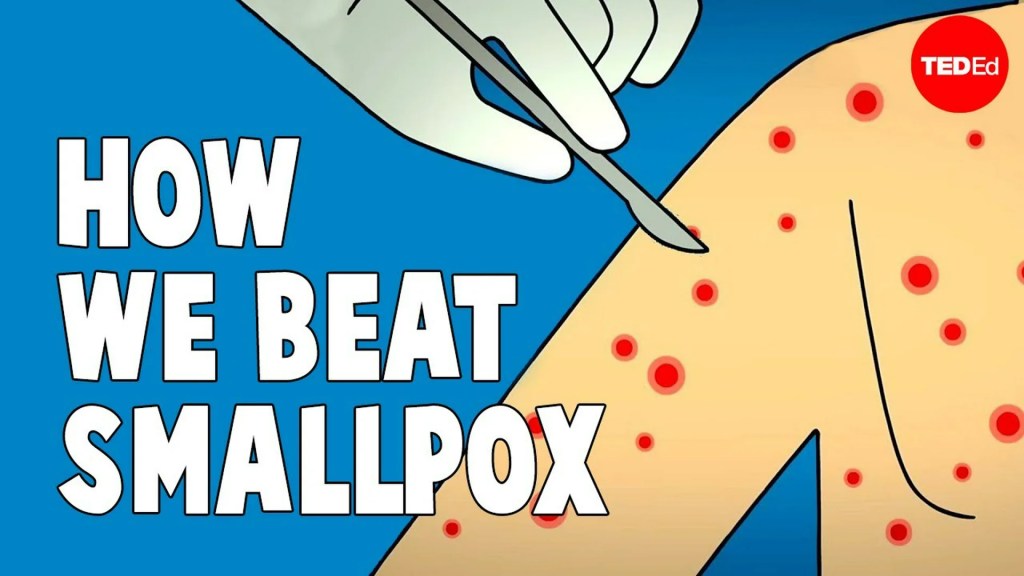
Smallpox was an acute disease caused by variola virus, an orthopoxvirus. It is distinct from mpox, although both are orthopoxvirus diseases. WHO describes early symptoms including fever, fatigue, and severe back pain, sometimes with abdominal pain and vomiting. A characteristic rash follows about two to three days later, beginning on the face and hands before spreading. The lesions progress from clear fluid to pus and then scabs.


WHO reports an incubation period of 7–17 days after exposure. The disease spread mainly through close contact and infectious respiratory droplets from symptomatic people; contaminated clothing or bedding could also be involved. People became infectious once fever developed and remained so until the last scabs fell off. Spread was generally slower than measles or chickenpox because sick patients were often too ill to be out and about.
How dangerous was smallpox?
WHO’s 2016 Q&A gives an upper fatality estimate of up to 30%; this is not a universal risk for every patient. WHO distinguishes variola major, with approximately 30% mortality, from variola minor, with approximately 1%. Both are forms of smallpox. WHO also reports that 65–80% of survivors were left with deep pitted scars.
#1 Best Overall
How vaccination helped eradicate smallpox
Variolation, practiced in parts of Asia and Africa, used material from smallpox sores and could cause the disease. In 1796, Edward Jenner demonstrated vaccination using cowpox material, a less dangerous source that could protect against smallpox. The later worldwide eradication effort combined vaccination with surveillance and containment.
WHO called for global eradication in 1958, began its Smallpox Eradication Programme in 1959, and intensified the effort in 1967. The last known natural case occurred in Somalia in 1977. WHO declared smallpox eradicated in 1980.
Smallpox vaccination and treatment today
Smallpox vaccines use vaccinia virus, not variola virus. WHO does not recommend routine vaccination after eradication because the vaccine can cause rare but serious adverse effects, including fatal outcomes. It may be used for people at high risk, such as certain researchers, or for people judged to have been exposed. Anyone concerned about a possible exposure should follow public-health advice rather than seek vaccination on their own.
WHO says there is no cure for smallpox. Its Q&A notes that vaccination may prevent disease if given within up to four days after exposure. Antiviral drugs developed since eradication may have a role, but their usefulness and safety have not been studied in humans exposed to smallpox, according to WHO.
What happens to smallpox virus stocks?
WHO identifies two authorized repositories for remaining live variola virus: the CDC in Atlanta, Georgia, United States, and VECTOR in Koltsovo, Russian Federation. The World Health Assembly authorized continued research in 2024 to advance countermeasures, including diagnostics, vaccines, and therapeutics. WHO says its Advisory Committee for Variola Virus Research oversees the work, which includes biosafety and biosecurity inspections of the repositories.
Independent reader supportYour contribution helps us test, update, and keep practical guides available for everyone.FAQ
Does smallpox still occur naturally?
No. WHO records 1977 as the last known natural case and declared smallpox eradicated in 1980.
Rank #4
How contagious was smallpox?
It spread mainly through close contact and infectious droplets from symptomatic people. Contaminated clothing or bedding could also be implicated. People were infectious from the onset of fever until the last scabs fell off.
Is there a smallpox vaccine today?
Vaccines exist, but WHO does not recommend routine vaccination because serious adverse effects are possible. Vaccination may be used for people at high risk or judged exposed under public-health guidance.
Do these 3 things before closing this tab:
1Fix the driver behind crashes, sound loss and screen glitches2Repair Windows errors before they cause bigger problems3Scan for outdated or missing drivers - takes under a minuteCan smallpox be treated?
WHO says there is no cure. Vaccination may prevent disease if given within up to four days after exposure. WHO notes that antiviral drugs may have a role, but their usefulness and safety have not been studied in humans exposed to smallpox.
Where are live smallpox virus stocks kept?
WHO identifies the CDC in Atlanta and VECTOR in Koltsovo as the two authorized repositories for remaining live variola virus stocks.
Quick Recap
Product prices and availability are accurate as of the date/time indicated and are subject to change. Any price and availability information displayed on Amazon at the time of purchase will apply.