Quick wins for a faster PC:
Fix the driver behind crashes, sound loss and screen glitchesFind Drivers →Repair Windows errors before they cause bigger problemsFix Now →Scan for outdated or missing drivers - takes under a minuteDriver Scan →Alexander Litvinenko, a former Russian security-service officer who had sought refuge in Britain, died in London on 23 November 2006 after ingesting polonium-210. The UK public inquiry later concluded that he was deliberately poisoned, while carefully distinguishing its findings from a criminal-court verdict.
Litvinenko died at University College Hospital from acute radiation syndrome. His case became a major international and public-health incident, but his life and the testimony he left behind should not be reduced to the circumstances of his death.


Who was Alexander Litvinenko?
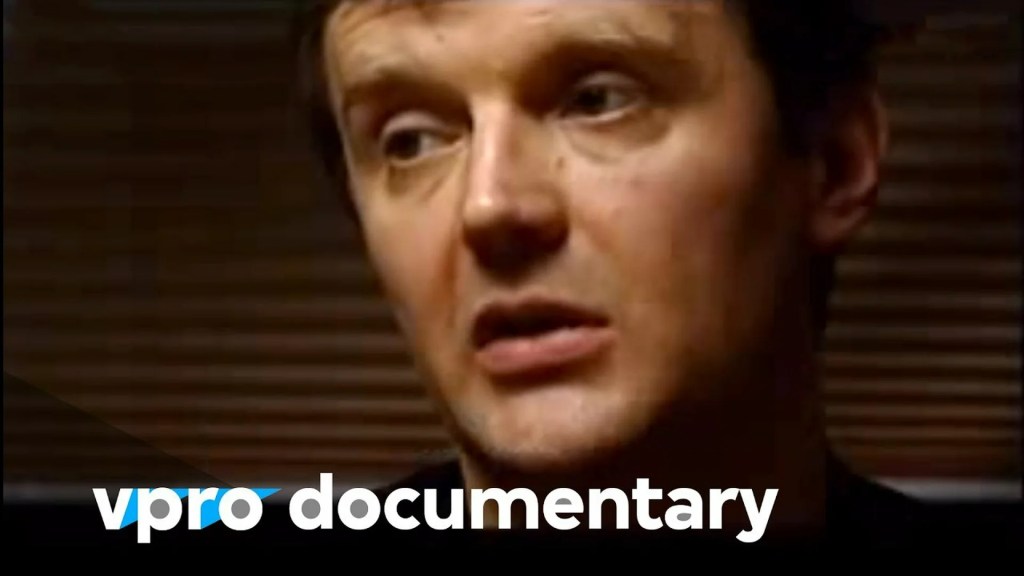
Litvinenko was a former officer of Russia’s Federal Security Service (FSB). Before his death, he spoke to documentary-maker Jos de Putter about his life, including his service, his experience in Chechnya and his allegations concerning bomb attacks in Russia. Those claims are part of his account and should not be treated as independently established facts merely because he made them.
After his death, the documentary programme Backlight also spoke with his widow, Marina Litvinenko, about their relationship, their move to England and his final illness. These interviews preserve personal testimony alongside the later formal investigation.
#1 Best Overall

- Used Book in Good Condition
How did Alexander Litvinenko die?
The public inquiry chaired by Sir Robert Owen concluded that Litvinenko died on 23 November 2006 after ingesting polonium-210 on 1 November. Owen wrote, “To use everyday language, I conclude that Mr Litvinenko was fatally poisoned with polonium 210 on 1 November 2006.” The inquiry found that he ingested the fatal dose in tea at the Pine Bar of the Millennium Hotel.
The inquiry estimated the amount ingested at approximately 4.4 GBq. This is the inquiry’s estimate, not an exact measurement. The joint experts’ report, as quoted in the inquiry, stated: “It can be stated with certainty that Mr Litvinenko died as a consequence of an intake of polonium-210.”
What did the Litvinenko inquiry find?
Published on 21 January 2016, the inquiry found that Andrey Lugovoy and Dmitry Kovtun deliberately poisoned Litvinenko. It concluded there was a strong probability that they acted under FSB direction, and that the operation was probably approved by then FSB head Nikolai Patrushev and President Vladimir Putin.
These are findings of a public inquiry, not criminal convictions. The inquiry was not a criminal trial and could not assign civil or criminal liability. When its report was issued, the Home Secretary said those responsible had not been brought to justice.
Do these 3 things before closing this tab:
1Repair Windows errors before they cause bigger problems2Scan for outdated or missing drivers - takes under a minute3Clear out junk files and repair common Windows errorsWhat happened after the polonium-210 incident?
The Health Protection Agency detected contamination at several London locations, including parts of hospitals, hotels, restaurants and office buildings. It processed urine samples from 753 people. Of those, 139 measurements exceeded the incident reporting level. The agency assessed most committed effective doses as below 1 mSv; its highest assessed dose was about 100 mSv. These figures describe monitoring connected to this specific incident, not ordinary exposure.
Independent reader supportYour contribution helps us test, update, and keep practical guides available for everyone.FAQ
Where was Alexander Litvinenko poisoned?
The inquiry found that he ingested the fatal dose in tea at the Pine Bar of the Millennium Hotel in London on 1 November 2006.
Rank #4
When did Alexander Litvinenko die?
He died on 23 November 2006 at University College Hospital. The inquiry said he died from acute radiation syndrome after ingesting polonium-210.
Did a court convict anyone for Litvinenko’s murder?
The public inquiry was not a criminal trial and did not issue criminal convictions or assign criminal liability. Its conclusions about Lugovoy, Kovtun and possible direction or approval should be reported as inquiry findings, including its stated levels of probability.
Best Value
How many people were monitored after the incident?
The Health Protection Agency processed urine samples from 753 people; 139 measurements were above the incident reporting level.
Quick Recap
Product prices and availability are accurate as of the date/time indicated and are subject to change. Any price and availability information displayed on Amazon at the time of purchase will apply.