About the film
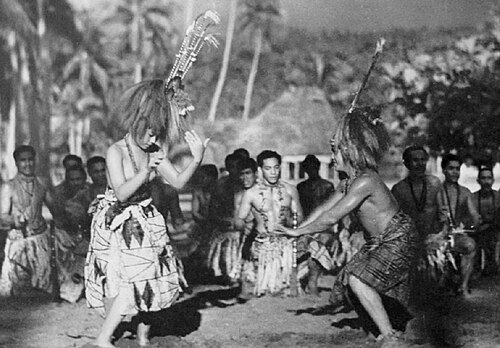
Moana is a 1926 American silent film directed by Robert J. Flaherty. It is described as a documentary and, more specifically, as a work of docufiction; its genres also include drama and ethnographic film.
The 60-minute film concerns Samoans and is in English, despite its silent-film classification. Robert J. Flaherty is listed as both director and producer, and Paramount Pictures as the production company.
Frances H. Flaherty is identified as a co-creator with her husband. The film is notable in documentary history because a reviewer coined the now-common term “documentary” in response to it.
Its combination of documentary and docufiction labels gives viewers a clear point of entry to consider how the film relates to those forms.
Who it is for
Suitable for viewers studying early documentary, silent cinema, docufiction, or films concerning Samoans.
Worth knowing
- 60-minute runtime
- Directed and produced by Robert J. Flaherty
- Concerns Samoans
- Associated with the term “documentary”
Before you press play
- Silent film
- Classified as docufiction as well as documentary
The short of it
Moana combines documentary and docufiction classifications in a silent film directed by Robert J. Flaherty. It may be of particular interest to viewers exploring documentary history and ethnographic film.