Y2K arrives with a clean, irresistible pitch: a teen hangout movie smashed into a doomsday fantasy, filtered through the collective anxiety and pop ephemera of the late ’90s. The film wants to tap into that specific millennial memory—dial-up tones, frosted tips, AOL chat bravado—while asking what happens when cultural paranoia literally turns against its characters. It’s a high-concept setup that promises chaos, satire, and maybe even a sharp generational joke or two.
What the movie actually seems to want, though, is something gentler: a coming-of-age ensemble piece where the apocalypse is mostly a backdrop for awkward crushes, social hierarchies, and last chances to be seen. The stakes are theoretically enormous, but emotionally modest, as if the film is more interested in vibes than velocity. That tension between premise and payoff defines Y2K from its opening stretch, and not always in a way that works to its advantage.
| # | Preview | Product | Price | |
|---|---|---|---|---|
| 1 |

|
Y2K (DVD) 2024 | $24.50 | Buy on Amazon |
| 2 |
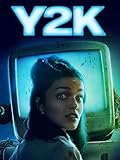
|
Y2K | $4.99 | Buy on Amazon |
| 3 |
![VHS Violence: Y2K [DVD]](https://m.media-amazon.com/images/I/51VVKmccJ6L._SL160_.jpg)
|
VHS Violence: Y2K [DVD] | $17.99 | Buy on Amazon |
| 4 |

|
Y2K | $6.97 | Buy on Amazon |
| 5 |

|
Fudeeluyee Y2K DVD Buckle Belt for Women Men, 1.5 Inch PU Leather Streetwear Belt for Jeans Cargo... | $12.99 | Buy on Amazon |
Rachel Zegler, positioned as both a grounding presence and a pop-culture draw, fits neatly into this vision, even when the script can’t quite keep up with her. She plays within the ensemble rather than above it, offering flashes of warmth, wit, and sincerity that hint at a sharper movie hiding inside this one. And when Y2K briefly locks its concept, tone, and character dynamics into alignment during one standout sequence, you can see the movie it wants to be—funny, anxious, oddly sincere—before it drifts back into something softer and less urgent.
Millennial Memory Lane: How the Film Deploys Late-’90s Nostalgia (and When It Overplays Its Hand)
Y2K is at its most confident when it treats late-’90s nostalgia as texture rather than punchline. The film understands that this era wasn’t just defined by its objects—beepers, CD binders, glowing desktop towers—but by the social rituals wrapped around them. There’s a recognizable rhythm to the way characters hover around landlines, jockey for status at parties, and perform confidence before they actually feel it. For viewers who lived through it, the details land with an almost muscle-memory familiarity.
Do these 3 things before closing this tab:
1Clear out junk files and repair common Windows errors2Fix the driver behind crashes, sound loss and screen glitches3Repair Windows errors before they cause bigger problems#1 Best Overall
When Nostalgia Feels Observational
The strongest stretches let the nostalgia breathe without demanding applause. Costumes and production design quietly sketch a world where identities are half-formed and heavily influenced by pop culture, but not yet flattened into memes. Zegler’s performance benefits from this restraint; she moves through these spaces with an ease that suggests a real teenager navigating a very specific cultural moment, not an actor signaling period accuracy.
There’s also an appealing looseness to the ensemble interactions, especially early on, that recalls the hangout energy of late-’90s teen cinema. Conversations drift, jokes don’t always land, and awkwardness is allowed to linger. It’s here that Y2K feels less like a nostalgia product and more like a memory being reconstructed in good faith.
When the References Start Doing the Talking
The problem arises when the film stops trusting those textures and starts underlining them. Needle drops arrive a little too perfectly curated, visual gags linger a beat too long, and familiar cultural signifiers are occasionally deployed as shortcuts rather than storytelling tools. Instead of deepening character or tension, the references sometimes flatten scenes into recognition exercises.
This is where the film’s skepticism toward its own apocalypse becomes muddled. The late-’90s paranoia around technology is ripe for satire, but Y2K often opts for affectionate recycling over sharper commentary. The result is a movie that knows exactly what its audience remembers, but isn’t always sure what it wants to say about those memories.
The Scene Where It All Clicks
There is, however, one sequence where the nostalgia, ensemble dynamics, and thematic ambition briefly lock into place. Set against a familiar social ritual from the era, the scene lets the looming technological threat collide directly with teenage insecurity and performative cool. The humor sharpens, the tension spikes, and Zegler’s grounded presence helps anchor the chaos in something emotionally legible.
In that moment, Y2K feels less like a scrapbook and more like a statement—about how fragile those memories were, and how easily they could curdle into fear. It’s a glimpse of a bolder, stranger movie that understands nostalgia not just as comfort, but as a pressure cooker. The fact that the film can reach that clarity, even briefly, makes its safer choices elsewhere feel more noticeable.
Rachel Zegler in the Ensemble: Charisma, Constraints, and Star Power
Rachel Zegler arrives in Y2K carrying a level of cultural awareness the film itself seems unsure how to deploy. She’s the most recognizable face in an intentionally scrappy ensemble, and the movie both benefits from and tiptoes around that fact. Rather than positioning her as a clear lead, Y2K tucks her into the group, trusting her natural charisma to surface without structural support.
A Performance That Feels Human, Even When the Script Doesn’t
Zegler’s greatest asset here is her ease. She listens well, reacts honestly, and grounds even the broadest moments with a sense of internal logic. When scenes lean into teenage uncertainty rather than punchlines, she gives the film its most believable emotional texture.
What’s actually slowing this PC down?
Pick the symptom - the matching free tool is one click away.
At the same time, the script rarely challenges her in ways that build momentum. Her character’s arc is more implied than articulated, leaving Zegler to do the heavy lifting through expression and timing rather than dialogue. It’s effective moment to moment, but frustrating in aggregate.
Rank #2
Ensemble Energy vs. Star Gravity
There’s a push-and-pull between Y2K’s ensemble ethos and Zegler’s inevitable star gravity. In group scenes, she never overplays or dominates, which speaks to her discipline as a performer. But the camera often finds her anyway, as if the film itself senses where the emotional center should be.
This dynamic works best in the standout sequence referenced earlier, where her reactions quietly recalibrate the tone. While others spiral into performative panic or ironic detachment, Zegler plays the moment straight without flattening it. That contrast sharpens the scene and briefly gives the movie a point of view.
Potential Recognized, Not Fully Realized
For fans tracking Zegler’s post-breakout choices, Y2K is less a showcase than a study in restraint. She proves she can thrive inside a messy, tonal balancing act, but the film stops short of giving her a defining turn. It’s a reminder that presence alone can elevate material, even when the material doesn’t quite rise to meet it.
Windows Errors? Fix Them Before They Spread
Repair common Windows errors and clear accumulated junk for a smoother, more stable PC - no reinstall needed.Free scan · no reinstallCrashes, No Sound, or Screen Glitches?
Random freezes, missing sound and display glitches usually trace back to one bad driver. Find and replace yours safely.Free scan · under a minuteY2K ultimately treats Zegler as part of the vibe rather than the engine. That choice aligns with the film’s hangout ambitions, but it also leaves the sense that something sharper was within reach. When the movie briefly clicks, it’s no coincidence that she’s at the center of the frame, quietly holding it together.
Teen Chaos at the Turn of the Millennium: Supporting Performances and Comic Energy
If Zegler provides the emotional anchor, the rest of Y2K runs on chaotic teen momentum. The supporting cast leans into broad types pulled straight from late-’90s memory: the overconfident class clown, the doom-obsessed tech kid, the mall-goth philosopher convinced the world deserves what’s coming. It’s familiar on purpose, and the film bets that recognition will do some of the comic work for it.
Archetypes as a Feature, Not a Bug
Most of the secondary performances are pitched just this side of caricature, but that feels intentional rather than lazy. These characters aren’t meant to evolve so much as ricochet off one another, generating the nervous energy that defines the film’s best stretches. When the movie embraces that looseness, the ensemble clicks into something that feels like a real group of teenagers killing time before midnight.
Several actors make sharp use of timing and physicality, especially in reaction shots that underline how absurd the situation is without stopping the movie cold for jokes. The humor often lands not because of the lines themselves, but because of the way panic, bravado, and denial overlap in the same frame. It’s messy, but messiness is part of the appeal.
Recommended Free Tools
Comedy Fueled by Cultural Anxiety
Y2K’s comic engine runs on the low-grade paranoia of the era, and the cast sells that anxiety with just enough sincerity. The jokes about technology, misinformation, and end-of-the-world logic feel knowingly retro without winking too hard at the audience. When characters argue over what’s real, what’s hype, and what they’re supposed to be afraid of, the film briefly taps into something sharper than parody.
This all builds toward the standout sequence hinted at earlier, where the ensemble’s chaos peaks and the movie finally finds its rhythm. Everyone is playing at full volume, but the scene works because the performances remain rooted in recognizable teenage fear rather than sketch comedy exaggeration. It’s the clearest example of how effective Y2K can be when tone, nostalgia, and performance align.
Rank #3
When Energy Replaces Structure
The downside is that this reliance on ensemble energy sometimes substitutes for narrative shape. Characters drift in and out of focus, delivering laughs but rarely accumulating weight. The film seems content to ride the vibe rather than refine it, which leaves certain relationships feeling more implied than earned.
Still, there’s something infectious about the way these performances recreate a specific cultural moment. Even when Y2K loses control of its pacing, the cast keeps it watchable, filling the screen with jittery, end-of-the-century uncertainty. At its best, the movie feels less like a story and more like a memory of how it felt to be young, overstimulated, and vaguely convinced the clock might actually reset everything.
The One Great Scene: Where ‘Y2K’ Briefly Becomes the Movie It Could Have Been
Midnight, Locked In
The film’s best sequence unfolds almost in real time, set during a New Year’s Eve lockdown as the clock crawls toward midnight. Phones stop working, lights flicker, and rumors about system failures ricochet through the group faster than any actual information. For a few minutes, Y2K stops chasing jokes and simply observes how fear spreads when no one knows who, or what, to trust.
The scene works because it embraces stillness. Instead of cutting away for punchlines, the camera lingers on faces processing the possibility that everything might actually go wrong. The tension is low-level but constant, and the humor grows organically out of discomfort rather than setup-and-payoff gags.
Rachel Zegler Finds the Right Frequency
This is also where Rachel Zegler quietly becomes the film’s emotional anchor. She plays the moment not as a comic centerpiece, but as someone trying to stay rational while everyone else spirals, and that restraint gives the scene its grounding. Zegler’s best work here is in the pauses: the looks she gives when the bravado collapses, the hesitation before admitting she’s scared too.
Within the ensemble, she finally feels essential rather than just prominent. The performance suggests a version of Y2K that might have centered more firmly on character instead of chaos, using her natural screen presence to guide the audience through the noise. It’s a reminder that Zegler thrives when the movie trusts her to play sincerity instead of volume.
Nostalgia with a Pulse
What makes the sequence linger is how precisely it captures a pre-social-media panic. No instant fact-checking, no viral consensus, just half-remembered news reports and word-of-mouth escalation. The nostalgia here isn’t about references or needle drops, but about recreating the texture of uncertainty that defined the era.
For millennials, it hits close to home in a way the rest of the movie only gestures toward. The fear feels real because it once was, even if history later laughed it off. In that moment, Y2K briefly transcends pastiche and becomes something closer to cultural snapshot.
The Missed Opportunity
When the scene ends, the film snaps back into broader comedy, and the spell breaks. The characters disperse, the tension diffuses, and the narrative never quite rebuilds that level of focus. You can feel the movie choosing momentum over meaning, even though it’s already proven it can balance both.
Rank #4
That’s why this sequence stands out so sharply. It’s not just well-executed; it’s diagnostic, revealing what Y2K could have been with more discipline and fewer detours. For a few minutes, the film understands its own anxiety, its cast, and its nostalgia perfectly, and then lets it slip through its fingers.
Free tools Windows power users keep installed
One-click scans. No signup required.
Tone, Pacing, and Direction: A Comedy Caught Between Satire and Silliness
If Y2K ultimately falters, it’s less about ideas than about tone control. The film wants to be a sharp satire of turn-of-the-millennium paranoia and a goofy ensemble comedy at the same time, but it rarely commits fully to either. What results is a movie that’s often amusing, occasionally inspired, and frustratingly inconsistent in how seriously it takes its own premise.
A Satire That Won’t Sharpen Its Teeth
The early stretches suggest a pointed send-up of late-1990s hysteria, complete with exaggerated authority figures and half-informed teens reacting to rumors like gospel. But just as the satire starts to bite, the film undercuts itself with punchlines that feel broader than necessary. The jokes aren’t bad; they’re just safer than the setup deserves.
That reluctance to push further is especially noticeable after the standout scene anchored by Zegler. Having briefly flirted with emotional and thematic clarity, Y2K retreats into silliness instead of building on the tension it’s earned. The result is a satire that gestures toward insight without ever fully landing it.
Pacing Over Precision
Directorially, the film favors speed over shape. Scenes tumble into one another with nervous energy, as if afraid that pausing too long might invite scrutiny. This keeps the runtime breezy, but it also prevents characters and ideas from settling into place.
Moments that could deepen relationships or sharpen stakes are often cut short in favor of the next gag or escalation. Even the nostalgia, so potent in that one central sequence, becomes diluted when the movie rushes past opportunities to let the era’s specific anxieties breathe. The film keeps moving, but not always forward.
Direction That Distracts from Its Best Asset
There’s a sense that the direction doesn’t entirely trust the cast to hold attention without constant tonal nudging. Visual flourishes and heightened performances crowd scenes that might have benefited from restraint, particularly when Zegler is on screen. Ironically, the movie is at its strongest when it slows down and lets her react rather than react for her.
That tension between control and chaos defines Y2K. It’s a comedy with a smart hook, a capable ensemble, and one genuinely great scene that proves it knows what it’s doing. The trouble is that the direction rarely allows that version of the film to take over for long.
Independent reader supportYour contribution helps us test, update, and keep practical guides available for everyone.Themes Beneath the Tamagotchis: Technology Anxiety, Youth, and Missed Depth
Y2K is clearly fascinated by the late-1990s fear that technology was quietly plotting against us. Dial-up modems, primitive chat rooms, and plastic gadgets become visual shorthand for a generation both empowered and overwhelmed by suddenly networked lives. The film understands the aesthetic of that anxiety perfectly, but it’s less certain about what to say beyond the surface-level joke.
Quick wins for a faster PC:
Scan for outdated or missing drivers - takes under a minuteDriver Scan →Clear out junk files and repair common Windows errorsFree Scan →Fix the driver behind crashes, sound loss and screen glitchesFind Drivers →Best Value
- Unisex Y2K style: An openwork DVD letter buckle with a polished alloy finish adds a distinctive detail to outfits for men and women. Pair it with jeans, cargo pants or a skirt to bring a touch of 2000s-inspired style to your wardrobe.
- Choose your fit: Available for waists measuring 33-35 inches (83.8-88.9 cm) or 37-39 inches (94.0-99.1 cm). Measure around your intended wearing position over clothing before ordering. These ranges describe the intended fit, not the belt's total length.
- PU faux leather strap: The leather-look strap features stitched edges and an approximately 1.10-inch (2.8 cm) width. Its simple design balances the bold letter buckle and coordinates with casual denim, trousers and everyday streetwear.
- Adjustable hole fastening: Multiple sizing holes allow fit adjustments within your selected size, while the matching keeper holds the strap end in place. Check your wearing-position measurement and your garment's belt-loop width before choosing a size.
- Four color combinations: Choose a black or white strap with a gold-tone or silver-tone buckle. Coordinate the finish with your accessories, then pair the belt with a tee and jeans, a layered streetwear outfit or a concert look.
Nostalgia as Texture, Not Thesis
The nostalgia here works best as atmosphere rather than argument. Tamagotchis, burned CDs, and clunky desktops aren’t just props; they’re emotional cues designed to trigger recognition in millennial viewers. The problem is that recognition often replaces exploration, as if naming the artifact is enough to justify its presence.
There’s an opportunity to interrogate how that era trained young people to trust systems they barely understood. Instead, Y2K mostly treats tech paranoia as a punchline, leaning into exaggeration without fully unpacking why those fears felt so real to teenagers on the brink of a digital future.
Teenage Fear Without the Aftermath
At its core, the film wants to be about youth confronted with forces larger than itself, a classic genre setup. Authority figures are useless, information is unreliable, and the adults clearly don’t get it. That dynamic is familiar, but also fertile ground for something sharper than what Y2K ultimately delivers.
The standout scene involving Zegler hints at that sharper version, briefly allowing fear, confusion, and responsibility to coexist without undercutting them. It’s the one moment where the film seems interested in how panic reshapes identity, not just behavior. Unfortunately, that curiosity doesn’t extend much further.
The Tool Desk
Outbyte PC Repair FREEClear out junk files and repair common Windows errorsFree Scan →Outbyte Driver Updater FREEFix the driver behind crashes, sound loss and screen glitchesFind Drivers →Zegler and the Film That Almost Forms Around Her
Rachel Zegler’s performance suggests a coming-of-age story trying to break through the noise. Within the ensemble’s heightened energy, she offers something more grounded, reacting to the chaos rather than competing with it. When the script gives her space, she becomes the emotional anchor the movie didn’t realize it needed.
That only makes the missed depth more frustrating. Y2K flirts with big ideas about technological trust, generational fear, and the way youth absorbs cultural panic, then backs away just as those ideas come into focus. Beneath the Tamagotchis and glitch jokes is a more resonant film, one that briefly appears, proves its worth, and then slips back into the background hum of nostalgia.
Final Verdict: Is ‘Y2K’ Worth Your Time—or Just a Nostalgia Trip?
Y2K is a film caught between wanting to say something and wanting to remind you of something. As a nostalgia object, it’s efficient to the point of overconfidence, stacking familiar sights and sounds until recognition does most of the work. As a story about generational anxiety and technological dread, it only occasionally breaks through its own ironic distance.
What Works, and What Almost Does
Rachel Zegler emerges as the movie’s clearest asset, not because the film centers her, but because she quietly recenters it herself. In the standout scene where panic finally carries emotional weight, she grounds the chaos with a sense of dawning responsibility that feels authentic to the era and the age. It’s a glimpse of the sharper, more resonant film Y2K might have been if it trusted moments like that to linger.
What’s actually slowing this PC down?
Pick the symptom - the matching free tool is one click away.
Elsewhere, the ensemble leans into volume over texture, and the film’s satirical edge often dulls just when it should cut deepest. The jokes land, the vibes are immaculate, but the fear that once defined the Y2K moment rarely feels lived-in. Nostalgia becomes a substitute for interrogation, not a gateway to it.
The Bottom Line
If you’re a millennial drawn in by late-’90s iconography or a Zegler fan curious to see her hold her own amid controlled chaos, Y2K is worth a watch. It’s entertaining, occasionally insightful, and anchored by one genuinely compelling performance and scene. Just don’t expect it to fully unpack the anxieties it so lovingly recreates.
In the end, Y2K plays like a time capsule that briefly cracks open to reveal something urgent, then seals itself shut again. What’s inside is interesting, even promising. You just wish the film had been brave enough to stay there a little longer.
Quick Recap
Product prices and availability are accurate as of the date/time indicated and are subject to change. Any price and availability information displayed on Amazon at the time of purchase will apply.
Do these 3 things before closing this tab:
1Fix the driver behind crashes, sound loss and screen glitches2Repair Windows errors before they cause bigger problems3Scan for outdated or missing drivers - takes under a minute
