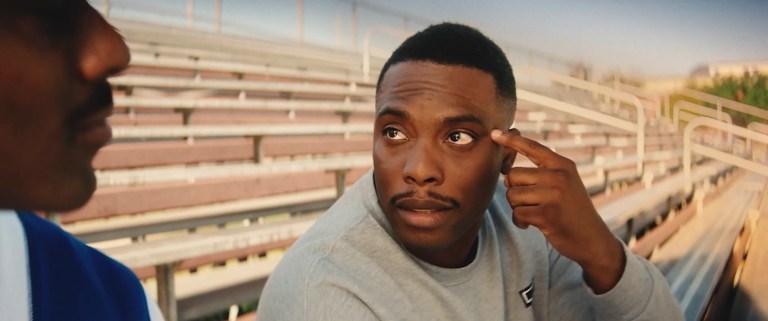
For fans tracking the weekly numbers, the cancellation of The Bondsman felt less like a business decision and more like a betrayal. The series debuted with solid opening-week viewership, maintained a steady presence on platform trending charts, and sparked consistent social media engagement that suggested real momentum. In an era where many shows vanish quietly after a soft launch, The Bondsman looked, on the surface, like a rare mid-tier streaming success story.
What made the decision even more baffling was how closely the show seemed to align with what streamers publicly claim to want. It delivered a clear genre hook, a recognizable lead, and an audience that actually showed up. By traditional TV logic, those ingredients usually bought a show time to grow. Instead, its cancellation landed abruptly, with little warning and even less explanation.
| # | Preview | Product | Price | |
|---|---|---|---|---|
| 1 |

|
Domino (DVD) (WS) | $5.55 | Buy on Amazon |
| 2 |
![Today You Die [DVD]](https://m.media-amazon.com/images/I/51t-2kWa1wL._SL160_.jpg)
|
Today You Die [DVD] | $16.99 | Buy on Amazon |
| 3 |

|
Jackie Brown | Buy on Amazon | |
| 4 |

|
Hamlet: (1996) Special Edition (Dbl DVD) | $17.86 | Buy on Amazon |
Viewership Metrics That Suggested Stability
Internally, fans assumed the numbers told a reassuring story. The Bondsman reportedly performed well in its first 28 days, avoided the steep week-two drop-offs that doom many originals, and over-indexed in the coveted 18–49 demographic. For a platform struggling to cut through a crowded genre landscape, that kind of consistency typically signals a safe renewal bet.
Yet the streaming era has quietly rewritten what “good numbers” actually mean. Raw viewership totals no longer tell the whole story, especially when platforms prioritize completion rates, long-term subscriber value, and cost efficiency over buzz. The shock wasn’t that The Bondsman was canceled, but that audiences were still operating under outdated assumptions about what success looks like.
Recommended Free Tools
#1 Best Overall
- DVD
- Multiple Formats, AC-3, Closed-captioned
- English (Published), English (Subtitled), Spanish (Subtitled)
- 1
- 128
A False Sense of Security in the Streaming Age
Part of why the cancellation stung so sharply is that The Bondsman never felt like a risky show. It wasn’t a niche experiment or an expensive prestige gamble; it was designed to be reliable, scalable, and binge-friendly. That sense of stability lulled viewers into believing the show had cleared the hardest hurdle simply by finding its audience.
What fans didn’t see were the invisible thresholds that matter more than popularity alone. In today’s streaming economy, a show can be widely watched and still fail to justify its continued investment. The Bondsman didn’t collapse under poor ratings; it ran headfirst into a system where ratings are only one piece of a much colder equation.
Breaking Down the Viewership Numbers: What ‘Strong’ Actually Means in the Streaming Era
In the traditional TV model, strong viewership meant one thing: enough people showed up, and advertisers followed. Streaming has dismantled that simplicity. A show like The Bondsman can post respectable audience figures and still fall short of what platforms now define as success.
The confusion comes from how selectively streamers share data. Public-facing metrics often emphasize total hours watched or vague “top ten” placements, but those figures only represent a fraction of the internal scorecard. What looks strong to audiences can look merely adequate, or even inefficient, behind closed doors.
Total Viewers vs. Viewer Behavior
One of the biggest disconnects lies between how many people start a show and how many actually finish it. Completion rate has become one of the most heavily weighted metrics in renewal decisions, especially for serialized dramas. If viewers sample the premiere but drop off before the final episodes, platforms see that as unrealized value.
Reports suggested The Bondsman maintained steady interest early on, but steadiness isn’t the same as depth. A solid opening followed by modest completion can register as underperformance when compared to cheaper reality series or returning hits with proven binge-through rates. In that comparison, “good” numbers can quickly feel expendable.
Cost Per Viewer Is the Quiet Dealbreaker
Streaming economics are less about popularity and more about efficiency. Every show is measured against how much it costs to produce relative to the engagement it generates. Genre dramas like The Bondsman tend to sit in an uncomfortable middle ground, too expensive to be disposable but not flashy enough to justify premium budgets.
Even with healthy viewership, the show reportedly carried rising production costs tied to location work, action sequences, and talent contracts. When executives evaluate renewal, they don’t ask whether people watched, but whether enough of the right people watched to justify the spend. In many cases, the math simply doesn’t scale favorably.
Demographics That Don’t Move the Needle
While The Bondsman performed well among adults 18–49, that demo no longer guarantees leverage. Streamers are increasingly focused on audience segments that drive long-term retention, including younger viewers, international subscribers, and franchise-loyal fandoms. A broadly appealing adult audience can still struggle to rank as strategically essential.
There’s also the issue of overlap. If a show attracts viewers already subscribed for other flagship titles, it may not meaningfully grow the platform’s base. From a corporate standpoint, a series that doesn’t bring in new subscribers or prevent churn can be deemed nonessential, regardless of how well-liked it is.
Benchmarking Against an Invisible Standard
Another complicating factor is that shows aren’t competing against abstract expectations; they’re competing against internal alternatives. The Bondsman wasn’t judged in a vacuum, but against other originals in development, licensed content with lower costs, and genres with stronger international performance.
In that context, “strong” becomes relative. A show can outperform several peers and still lose out to a cheaper unscripted series or a global breakout that travels better across markets. Viewership, in this ecosystem, is less about absolute success and more about winning a zero-sum game.
Quick wins for a faster PC:
Repair Windows errors before they cause bigger problemsFix Now →Scan for outdated or missing drivers - takes under a minuteDriver Scan →Why Transparency Doesn’t Favor the Audience
The lack of clarity around streaming metrics fuels frustration because fans never see the full equation. Platforms rarely disclose completion data, cost structures, or retention impact, leaving audiences to assume that popularity equals safety. The Bondsman exposed how misleading that assumption has become.
What appears to be a cancellation in spite of success is often a decision rooted in priorities viewers aren’t meant to track. Strong numbers still matter, but only when they align with a platform’s shifting economic goals. In the streaming era, being watched is no longer enough; a show has to justify its existence line by line.
The Retention Problem: Where ‘The Bondsman’ Lost the Algorithm Battle
Strong opening-week numbers can create the illusion of momentum, but streaming platforms are far more concerned with what happens after the click. For The Bondsman, the problem wasn’t that people didn’t watch; it was how they watched. Internal data reportedly showed a steep drop-off after the first few episodes, a signal that matters more to algorithms than raw reach.
In the streaming economy, completion rates are currency. Platforms want viewers who finish seasons, return for rewatches, and immediately roll into another in-house title. Shows that generate curiosity without sustained engagement often trigger alarms, especially when renewal budgets are being scrutinized.
What’s actually slowing this PC down?
Pick the symptom - the matching free tool is one click away.
Why Episode-to-Episode Drop-Off Matters More Than Buzz
The Bondsman performed well as a sampler-friendly series. Its premise and marketing drove strong initial interest, but audience behavior suggested diminishing returns as the season progressed. That kind of tapering tells a platform the show may not be habit-forming, which weakens its long-term value.
This is where traditional ratings logic breaks down. A linear hit could survive on appointment viewing and delayed growth, but streaming originals are judged on velocity. If engagement slows too quickly, the algorithm reallocates promotion to titles that keep viewers locked in longer.
Binge Behavior and the Completion Curve
Streaming services heavily favor shows that encourage binge consumption. The Bondsman, with its deliberate pacing and character-driven arcs, skewed more toward a weekly-style experience. While critically appreciated by its core audience, it didn’t inspire the rapid, full-season consumption that boosts internal rankings.
Rank #2
That slower burn becomes a liability when dashboards compare thousands of titles in real time. A show that takes weeks to finish loses out to one that’s consumed in a weekend, even if both attract similar viewer counts.
The Cost-to-Retention Equation
Retention issues become especially problematic when paired with a higher production cost. Genre elements, location shooting, and above-the-line talent all raised The Bondsman’s price tag. When executives weighed that expense against its ability to keep subscribers engaged month over month, the math became less favorable.
From a business perspective, a cheaper series with stronger completion metrics often wins. Retention efficiency, not creative ambition, is the metric that drives renewal decisions in a tightening market.
Demographics That Didn’t Move the Needle
The show’s audience skewed older and domestic, a group that historically delivers strong Nielsen-style ratings but less churn prevention. Younger viewers and international subscribers tend to drive longer platform lifecycles, and The Bondsman struggled to break through in those segments.
Without evidence that it was expanding the subscriber base or anchoring underserved demographics, the series lost strategic ground. In the algorithm’s eyes, popularity without expansion is a diminishing asset.
Free tools Windows power users keep installed
One-click scans. No signup required.
Ultimately, The Bondsman didn’t fail because it lacked fans. It failed because it couldn’t prove it was indispensable to the platform’s retention engine, and in the current streaming landscape, that distinction is everything.
High Costs vs. Long-Term Value: Why the Show May Not Have Made Financial Sense
Once viewership, retention, and demographic reach are weighed, the next filter is brutally simple: cost. This is where The Bondsman’s impressive audience size collided with the less forgiving realities of modern streaming economics. Strong numbers matter, but only if they scale efficiently over time.
A Price Tag That Grew Faster Than Its Value
The Bondsman wasn’t an inexpensive series to produce. Its genre demands required cinematic lighting, extensive location work, practical effects, and a cast whose contracts likely escalated after a well-received first run. Each new season represented a meaningful increase in per-episode cost, not a flat investment.
In a traditional network model, rising costs could be justified by advertising revenue tied to live ratings. Streaming platforms, however, don’t earn more money because a show gets bigger; they earn more when a show keeps people subscribed. If the subscriber impact plateaus, rising costs quickly become a red flag.
Limited Library Value in a Content-Saturated Era
Executives now think in terms of library longevity, not just season-to-season performance. Shows that can be rewatched endlessly, discovered internationally, or consumed casually over time offer compounding value. The Bondsman, with its serialized storytelling and emotionally heavy arcs, didn’t lend itself to passive rewatching or algorithmic rediscovery.
That makes the show less valuable once its initial release window closes. If a series doesn’t consistently resurface in recommendations or generate ongoing engagement, it stops earning its keep, regardless of how well it once performed.
Opportunity Cost and the Platform’s Bigger Bet
Every renewal comes at the expense of something else. The budget allocated to The Bondsman could instead fund multiple lower-cost originals, international co-productions, or unscripted hits that perform well globally. In a tightening market, platforms increasingly favor volume and flexibility over prestige with modest upside.
This isn’t a reflection of quality, but of portfolio management. From an executive standpoint, canceling a solid but expensive show can free resources for content with a higher margin or broader reach, even if that content is less ambitious creatively.
Windows Errors? Fix Them Before They Spread
Repair common Windows errors and clear accumulated junk for a smoother, more stable PC - no reinstall needed.Free scan · no reinstallOutdated Drivers Are Slowing You Down
One free scan finds every outdated or missing driver and matches the right update for your exact hardware.Free scan · exact hardware matchThe Shift Away From Prestige Middleweights
Streaming strategies have quietly moved away from what insiders call prestige middleweights: shows that are well-made, well-liked, but not culturally dominant. These series often sit in the most dangerous zone, too costly to justify casually and not explosive enough to become must-have brands.
The Bondsman fit squarely into that category. It delivered consistency rather than virality, loyalty rather than growth, and quality rather than scale. In an era where platforms are recalibrating toward fewer, bigger bets or cheaper, faster content, that middle ground has become increasingly hard to defend.
Demographics, Data, and Advertisers: Was the Audience the ‘Wrong’ Kind of Popular?
Strong viewership numbers don’t mean much unless they align with what a platform is trying to sell. In the current streaming economy, who watches can matter more than how many. For The Bondsman, the data reportedly painted a picture of enthusiasm that didn’t translate cleanly into business upside.
An Older, Loyal Audience With Limited Ad Upside
The Bondsman skewed older than many of the platform’s growth priorities, with a sizable portion of its audience landing outside the coveted 18–34 demo. That isn’t a creative failure, but it does affect monetization, especially as streamers lean harder into ad-supported tiers. Advertisers pay premiums for younger viewers who are perceived as more brand-flexible and easier to convert.
The Tool Desk
Outbyte Driver Updater FREEScan for outdated or missing drivers - takes under a minuteDriver Scan →Outbyte PC Repair FREEClear out junk files and repair common Windows errorsFree Scan →Shows with older audiences can perform extremely well and still generate lower CPMs. From an ad sales perspective, that makes renewal math less forgiving, particularly when production costs are rising and inventory is tight.
Completion Rates vs. Discovery Starts
Internally, platforms weigh completion rates alongside raw viewership, and this is where The Bondsman reportedly looked more complicated. Fans who committed tended to finish episodes and seasons, a sign of genuine engagement. But the show struggled to convert casual browsers into long-term viewers at the same rate as lighter, more accessible series.
Rank #3
That gap matters because discovery fuels growth. A show that attracts millions once but doesn’t keep pulling in new cohorts month after month begins to plateau, even if its core audience remains passionate.
Solo Viewing in a Co-Viewing Market
Another quiet factor is how people watch. The Bondsman was largely a solo experience, driven by tone and serialized storytelling that rewarded focused attention. That limits co-viewing, which has become increasingly valuable for advertisers and platforms chasing broader household reach.
Do these 3 things before closing this tab:
1Clear out junk files and repair common Windows errors2Fix the driver behind crashes, sound loss and screen glitches3Repair Windows errors before they cause bigger problemsSeries that can play in the background, spark group conversations, or work across age groups tend to outperform their raw numbers. The Bondsman’s intensity was a strength creatively, but it narrowed its commercial flexibility.
Domestic Strength, Limited Global Leverage
While the show performed solidly in domestic markets, its international traction was more muted. Global performance is no longer a bonus; it’s a baseline expectation for expensive originals. Platforms want series that travel easily across regions, cultures, and dubbing markets with minimal friction.
Without a strong international multiplier, domestic success has to carry the full financial burden. In a globalized content strategy, that’s a tough position for any mid-budget drama to sustain.
Popularity That Didn’t Fit the Portfolio
None of this suggests The Bondsman failed to find an audience. It found the right audience for the story it was telling. The issue was that the audience didn’t align perfectly with the platform’s evolving mix of advertisers, ad tiers, and global priorities.
Windows Errors? Fix Them Before They Spread
Repair common Windows errors and clear accumulated junk for a smoother, more stable PC - no reinstall needed.Free scan · no reinstallCrashes, No Sound, or Screen Glitches?
Random freezes, missing sound and display glitches usually trace back to one bad driver. Find and replace yours safely.Free scan · under a minuteIn today’s streaming calculus, popularity is only valuable when it’s the right kind of popular. For The Bondsman, the numbers told a story of commitment without scalability, and that distinction can quietly seal a show’s fate.
Independent reader supportYour contribution helps us test, update, and keep practical guides available for everyone.Critical Buzz, Awards Potential, and Brand Prestige: The Intangibles That Matter
Beyond metrics and margins, there’s another layer to renewal decisions that rarely shows up in press releases: perception. Critical acclaim, awards visibility, and brand alignment all influence whether a series earns internal advocates willing to fight for its future.
For The Bondsman, that intangible equation was more complicated than its viewership suggested.
Solid Reviews, Limited Cultural Breakthrough
Critically, The Bondsman was well-regarded, but it never crossed the threshold into must-watch territory. Reviews praised its performances and tone, yet the conversation rarely extended beyond genre fans and dedicated viewers.
Do these 3 things before closing this tab:
1Fix the driver behind crashes, sound loss and screen glitches2Clear out junk files and repair common Windows errors3Scan for outdated or missing drivers - takes under a minuteIn an overcrowded streaming landscape, platforms increasingly favor shows that generate discourse, memes, think pieces, and social media spillover. The Bondsman earned respect, but it didn’t dominate the cultural oxygen in a way that justifies long-term investment on prestige alone.
Awards Trajectory That Never Fully Materialized
Awards attention remains one of the few non-monetary factors that can protect a show during renewal talks. Nominations bring credibility, marketing leverage, and a long tail of visibility that helps platforms justify cost-heavy series.
The Bondsman, however, sat in an awkward middle ground. It was too grounded and restrained for genre awards buzz, but not flashy or topical enough to muscle into major Emmy categories. Without a clear awards lane, it lacked the prestige armor that often shields mid-performing dramas.
Brand Alignment in an Era of Identity Shifts
Streaming platforms aren’t just curating libraries; they’re curating identities. As strategies shift toward clearer brand definitions, shows are increasingly evaluated on how well they signal what a service wants to be known for.
The Bondsman was confident in its tone but harder to position as a flagship. It wasn’t a four-quadrant crowd-pleaser, nor was it a boundary-pushing prestige statement. In a portfolio tightening around clearer brand pillars, that ambiguity worked against it.
The Marketing Reality of Prestige Without Scale
Prestige shows require sustained marketing to remain visible, especially when they don’t naturally drive viral engagement. That means awards campaigns, critical outreach, and continued promotional spend long after launch.
For a series whose audience growth had already plateaued, the return on that investment becomes harder to justify. Without awards momentum or cultural ubiquity to amplify the spend, the economics of prestige simply didn’t tip in The Bondsman’s favor.
Why Intangibles Can Tip the Scale
In the end, strong viewership numbers are only one part of a much larger internal conversation. When a show lacks breakout buzz, awards insulation, or brand-defining impact, it has fewer advocates when budgets tighten.
The Bondsman wasn’t rejected for lacking quality. It was caught in the narrow space between success and indispensability, where good numbers aren’t enough to outweigh shifting priorities and intangible value calculations that increasingly define survival in the streaming era.
Rank #4
- Factory sealed DVD
Platform Strategy Shifts and Corporate Pressures: The Bigger Business Forces at Play
By the time The Bondsman was up for renewal, its fate was being weighed against forces far larger than its week-to-week performance. Streaming decisions now live at the intersection of Wall Street expectations, corporate restructuring, and rapidly evolving platform goals. In that environment, even shows with healthy audiences can become vulnerable.
From Growth at All Costs to Profitability Discipline
The streaming industry has decisively moved out of its expansion phase. Where platforms once prioritized subscriber growth and engagement at nearly any cost, the mandate has shifted toward profitability, margin improvement, and demonstrable return on investment.
That shift fundamentally changes how success is defined. A show like The Bondsman could deliver solid viewership and still fall short if it didn’t materially reduce churn, attract new subscribers, or justify its ongoing production expense in a measurable way.
Rising Costs and the Math of Renewal
Prestige-leaning dramas tend to become more expensive over time, not less. Cast renegotiations, production inflation, and creative ambitions often push costs upward in later seasons, forcing platforms to evaluate whether incremental viewership gains can offset rising budgets.
For The Bondsman, the calculus likely wasn’t about whether people were watching, but whether enough new value was being created relative to what the next season would cost. In today’s climate, maintaining an audience is often less persuasive than expanding one.
Corporate Consolidation and Internal Competition
Many streaming services are also operating under the weight of recent mergers, restructurings, or leadership changes. These moments tend to trigger slate-wide evaluations, where every show competes internally for limited resources and executive attention.
In those scenarios, projects with clearer franchise potential, international scalability, or cross-platform synergy tend to rise to the top. The Bondsman, while creatively consistent, may not have checked enough of those boxes to survive an increasingly competitive internal ecosystem.
Quick wins for a faster PC:
Scan for outdated or missing drivers - takes under a minuteDriver Scan →Clear out junk files and repair common Windows errorsFree Scan →Audience Quality vs. Audience Size
Not all viewers are valued equally in modern streaming economics. Platforms now scrutinize who is watching, how they watch, and what those viewers do next, whether they binge, rewatch, upgrade plans, or stick around month to month.
If a show attracts a loyal but narrow demographic, it can struggle to justify renewal even with strong raw numbers. The Bondsman’s audience may have been engaged, but if it skewed older, niche, or already subscribed long-term, its strategic impact would be limited.
Strategic Refocusing and Portfolio Pruning
As platforms refine their identities, they also prune content that no longer aligns with where they’re headed. That doesn’t mean the show failed creatively; it means the company’s priorities changed around it.
In that sense, The Bondsman became collateral damage of a broader reset. It existed in a moment when streaming services are narrowing their focus, reducing risk, and making harder calls about what truly earns its place in a leaner, more accountability-driven era.
Could ‘The Bondsman’ Be Revived Elsewhere? What the Cancellation Really Signals
For fans, the most immediate question after any abrupt cancellation is whether another platform could step in. In theory, The Bondsman checks several boxes that often make a revival possible: a completed season, demonstrable viewership, and a vocal audience. In practice, the path forward is far more complicated than raw demand suggests.
The Rights and Cost Barrier
The biggest obstacle to a revival is almost always ownership. If the original platform financed the bulk of production and retains the underlying rights, any outside buyer would need to license or purchase the series outright, often at a premium that negates the value of an already expensive show.
The Bondsman’s production scale, including its cast, locations, and genre-specific demands, likely makes it a costly proposition for a second home. A rival streamer would have to believe not just in its quality, but in its ability to attract new subscribers who weren’t already watching it before.
Does Another Platform Actually Need This Show?
Revived series tend to succeed when they fill a clear gap in another service’s lineup. The most successful rescues in recent years weren’t just popular, they aligned perfectly with a platform’s brand identity or strategic push.
The Tool Desk
Outbyte PC Repair FREERepair Windows errors before they cause bigger problemsFix Now →Outbyte Driver Updater FREEFix the driver behind crashes, sound loss and screen glitchesFind Drivers →The Bondsman sits in a more ambiguous space. It may be too niche for broad-appeal streamers chasing mass audiences, and too expensive for smaller platforms focused on tightly budgeted originals. That leaves limited suitors who could justify the investment.
What the Cancellation Really Reveals About Streaming in 2026
More than anything, The Bondsman’s cancellation underscores how dramatically the rules have changed. Viewership is no longer the primary currency; profitability, retention impact, and strategic fit now outweigh traditional success metrics.
In this environment, shows are judged less on how many people watch and more on what those viewers represent to the business. Do they sign up because of the show? Do they stay longer? Do they explore the platform further? If the answer isn’t strong enough across those questions, even a well-performing series becomes expendable.
A Show Ahead of the Metrics
For audiences, the loss of The Bondsman feels particularly frustrating because it represents a widening gap between creative reception and corporate logic. The show didn’t fail its viewers; it failed to justify itself inside a system increasingly optimized for financial efficiency over cultural resonance.
What’s actually slowing this PC down?
Pick the symptom - the matching free tool is one click away.
That doesn’t mean a revival is impossible, but it does mean it’s unlikely without a significant shift in ownership or strategy. Ultimately, The Bondsman didn’t disappear because people stopped watching. It disappeared because, in today’s streaming economy, being watched is no longer enough.
Quick Recap
Product prices and availability are accurate as of the date/time indicated and are subject to change. Any price and availability information displayed on Amazon at the time of purchase will apply.