Free tools Windows power users keep installed
One-click scans. No signup required.
For a film that helped redefine modern zombie cinema and launched the global reputation of Danny Boyle and Alex Garland, 28 Days Later has become strangely hard to find. Fans searching Netflix, Prime Video, Apple TV, or any other major platform are met with the same result: nothing. In an era when even obscure catalog titles cycle endlessly through streaming libraries, its total absence feels less like coincidence and more like a quiet industry mystery.
The reason isn’t a lack of demand or cultural relevance, but a perfect storm of rights entanglements, aging formats, and shifting studio priorities. Unlike most early-2000s studio releases, 28 Days Later exists in a gray zone between physical media history and the modern digital ecosystem. Its distribution rights are split across territories and companies, its original digital-video presentation complicates remastering, and no single streamer currently has both the incentive and the authority to bring it back online.
| # | Preview | Product | Price | |
|---|---|---|---|---|
| 1 |
|
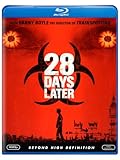
28 Days Later | $40.49 | Buy on Amazon |
| 2 |
![28 Days Later... / 28 Weeks Later [Blu-ray]](https://m.media-amazon.com/images/I/511ZH0UHGzL._SL160_.jpg)
|
28 Days Later... / 28 Weeks Later [Blu-ray] | $80.17 | Buy on Amazon |
| 3 |
![28 Days Later [Blu-ray] by Fox Searchlight](https://m.media-amazon.com/images/I/417gGAKI8rL._SL160_.jpg)
|
28 Days Later [Blu-ray] by Fox Searchlight | $42.95 | Buy on Amazon |
| 4 |

|
28 Weeks Later | Buy on Amazon | |
| 5 |
![28 Days Later [Blu-ray]](https://m.media-amazon.com/images/I/51TMIu3qtwL._SL160_.jpg)
|
28 Days Later [Blu-ray] | Buy on Amazon |
This disappearance reveals an uncomfortable truth about the streaming era: availability has less to do with popularity than with paperwork. As studios consolidate, libraries fracture, and older films fall outside algorithm-driven strategies, even landmark titles can vanish overnight. Understanding why 28 Days Later isn’t streaming anywhere means understanding how fragile film access has become, and why its return is far more complicated than simply flipping a digital switch.
Who Actually Owns 28 Days Later? Untangling the Film’s Fragmented Rights History
At first glance, 28 Days Later looks like a straightforward studio title. It was released in 2002 by Fox Searchlight Pictures in the U.S., backed by a recognizable specialty label that now sits under Disney’s corporate umbrella. But beneath that familiar logo is a web of divided ownership that has made modern distribution anything but simple.
#1 Best Overall
The film was independently produced, not owned outright by a major studio. That distinction is the root of nearly every problem keeping it offline today.
An Independent Film with Studio Distribution
28 Days Later was produced by DNA Films, the U.K.-based company founded by Andrew Macdonald, with Danny Boyle directing from Alex Garland’s script. Fox Searchlight acquired distribution rights rather than ownership, meaning it handled the film’s theatrical rollout and marketing in certain territories without controlling the underlying property.
That arrangement was common in the early 2000s, especially for prestige genre films. At the time, it allowed independent producers to retain long-term value while leveraging a studio’s reach. Two decades later, it means no single entity has universal authority to greenlight a global streaming release.
Territory-by-Territory Rights Splintering
The film’s rights are divided geographically, with different companies historically controlling distribution in the U.S., the U.K., and international markets. Fox Searchlight managed North American distribution, while other partners handled various overseas territories through separate agreements.
Recommended Free Tools
Those contracts were negotiated for theatrical runs, DVDs, and early home video formats, long before streaming became the dominant model. Many have since expired, reverted, or entered legal gray areas that require renegotiation. Streaming platforms don’t license films one territory at a time unless the demand justifies the effort, and in this case, the paperwork alone is a deterrent.
Disney’s Fox Library Isn’t a Magic Fix
When Disney acquired 20th Century Fox in 2019, it inherited Fox Searchlight’s catalog, but not full ownership of every title Searchlight ever released. 28 Days Later falls into that gap: a film Disney distributed in the past, but does not fully control.
Without clear worldwide rights, Disney cannot simply place the film on Disney+ or license it broadly to third-party streamers. Any move would require coordination with the original producers and international rights holders, turning what should be a routine catalog addition into a multi-party negotiation.
Home Media vs. Streaming Authority
Physical releases have further muddied the waters. The film has appeared on DVD and Blu-ray through now-defunct or restructured home entertainment arms tied to Fox. Those releases often operate under separate agreements from digital streaming, and their existence does not guarantee streaming clearance.
Do these 3 things before closing this tab:
1Repair Windows errors before they cause bigger problems2Fix the driver behind crashes, sound loss and screen glitches3Clear out junk files and repair common Windows errorsIn the modern ecosystem, streaming rights are treated as premium assets, not automatic extensions of past deals. For a film like 28 Days Later, that means starting from scratch, legally speaking.
A Film Caught Between Eras
Ultimately, no one company is incentivized to untangle the mess alone. The producers don’t own a streaming platform, the distributors don’t fully own the film, and streamers prioritize frictionless acquisitions. Until those interests align, 28 Days Later remains stuck in a rights limbo created by an earlier era of filmmaking.
Its absence isn’t the result of neglect or controversy, but of a system that never anticipated how completely streaming would replace everything that came before it.
The Fox, Disney, and Sony Problem: How Studio Transitions Complicated Distribution
If 28 Days Later were controlled by a single studio today, its streaming absence would be far easier to explain—or fix. Instead, the film sits at the intersection of multiple corporate transitions that fractured its rights across time, territories, and formats. What began as a straightforward Fox Searchlight release slowly became a case study in how studio mergers complicate legacy titles.
The Tool Desk
Outbyte PC Repair FREERepair Windows errors before they cause bigger problemsFix Now →Outbyte Driver Updater FREEFix the driver behind crashes, sound loss and screen glitchesFind Drivers →Fox Searchlight’s Original Role
When 28 Days Later was released in 2002, Fox Searchlight handled U.S. distribution, while international rights were split among various partners. This arrangement was typical for mid-budget independent films at the time, especially those financed outside the traditional studio system. Fox distributed the film but did not outright own it in perpetuity.
That distinction matters now. Distribution rights granted in the early 2000s were often limited by medium and duration, with little foresight into a future dominated by streaming platforms.
Rank #2
Disney’s Acquisition Created Partial Control, Not Clarity
Disney’s purchase of 20th Century Fox in 2019 folded Fox Searchlight into what is now Searchlight Pictures. However, Disney did not acquire blanket, unrestricted rights to every film Searchlight ever released. 28 Days Later is one of the titles where Disney’s control is incomplete.
As a result, Disney cannot simply upload the film to Disney+ or Hulu at will. Any streaming release would require new agreements with the original producers and possibly international distributors, turning a catalog title into a complex legal project with limited financial upside.
Quick wins for a faster PC:
Repair Windows errors before they cause bigger problemsFix Now →Scan for outdated or missing drivers - takes under a minuteDriver Scan →Clear out junk files and repair common Windows errorsFree Scan →Sony’s Involvement Further Fractured the Chain
Sony enters the picture through later rights arrangements connected to home media and international distribution. Over the years, Sony-affiliated entities have handled certain Blu-ray releases and overseas markets, creating overlapping claims tied to specific formats or regions. None of these deals were designed with global streaming in mind.
This means no single studio can confidently license the film worldwide without first untangling who controls what. For streamers that prioritize clean, all-territory rights, that uncertainty is often enough to walk away.
Why Streaming Platforms Haven’t Stepped In
From a business perspective, 28 Days Later is valuable but not essential. It is a cult classic rather than a franchise-launching asset, and renegotiating its rights would involve multiple stakeholders with competing interests. For Netflix, Prime Video, or Apple TV+, the return rarely justifies the legal effort.
Until one company decides the film is worth the time and expense to consolidate those rights, 28 Days Later remains a casualty of studio evolution. Its streaming absence is less about demand and more about how thoroughly the industry has changed since the film first terrified audiences over two decades ago.
Shot on Digital, Trapped in Time: How Early-2000s Technology Created Modern Format Issues
Beyond rights entanglements, 28 Days Later faces a quieter but equally stubborn obstacle: the technology it was shot on. Danny Boyle’s decision to embrace early digital cameras was revolutionary in 2002, giving the film its raw, apocalyptic texture. Two decades later, that same choice has made the movie unusually difficult to prepare for modern streaming platforms.
A Pioneering Digital Look That Aged Differently
Most of 28 Days Later was shot on Canon XL1 digital video cameras, recording in standard definition at 480p in PAL format. At the time, this was a bold aesthetic choice that allowed Boyle to shoot quickly on empty London streets without attracting attention. The grainy, smeared image became part of the film’s identity.
However, those original digital masters were never designed for HD, let alone 4K streaming ecosystems. Unlike films shot on 35mm, which can be rescanned at higher resolutions, standard-definition digital footage has a hard ceiling on visual fidelity.
Why Upscaling Isn’t a Simple Fix
In theory, studios could upscale 28 Days Later for modern platforms, but the results are often inconsistent. Upscaling can exaggerate compression artifacts, motion blur, and digital noise that were masked on early-2000s displays. What once felt gritty can look distractingly ugly on a 65-inch 4K television.
Any serious attempt to prepare the film for streaming would require extensive digital restoration, scene-by-scene adjustments, and careful color correction. That process is time-consuming and expensive, especially for a title that is not guaranteed to drive massive subscriber engagement.
Format-Specific Rights Complicate the Process Further
The technical issues intersect directly with licensing. Rights agreements from the early 2000s were often tied to specific masters and formats, such as DVD or early Blu-ray transfers. Creating a newly restored or remastered version can trigger fresh contractual obligations with producers, cinematographers, and other rights holders.
In some cases, a new digital master is legally considered a new deliverable, requiring approvals and renegotiations. For a film already caught between multiple studios, that adds another layer of hesitation before anyone commits to a streaming release.
Why Physical Media Still Exists, but Streaming Doesn’t
This helps explain why 28 Days Later remains available on DVD and select Blu-ray editions while being absent from digital storefronts and streaming libraries. Those physical releases rely on older masters that fit within existing agreements. Streaming platforms, by contrast, demand consistent technical standards and centralized global rights.
What’s actually slowing this PC down?
Pick the symptom - the matching free tool is one click away.
Until a studio decides the film is worth a full technical overhaul alongside legal cleanup, 28 Days Later remains frozen in a transitional era. It is a landmark digital film made just early enough to fall through the cracks of today’s streaming-first infrastructure.
Why Streaming Economics Don’t Favor a Costly Restoration (Yet)
Even if the rights issues were magically resolved tomorrow, the business case for restoring 28 Days Later remains complicated. Streaming platforms operate on data-driven economics, and older catalog titles must justify their costs through measurable engagement. For a film approaching its 25th anniversary, that math is not automatically in its favor.
Unlike new releases or franchise tentpoles, legacy films rarely move the subscriber needle on their own. Platforms prioritize content that either drives sign-ups, fuels binge behavior, or supports a larger branded ecosystem. A standalone horror classic, no matter how influential, often struggles to compete for internal resources.
Restoration Costs vs. Streaming Returns
A proper digital restoration is not cheap. Scanning original elements, repairing digital artifacts, regrading color, stabilizing motion, and preparing multiple platform-ready masters can run into the millions. That investment only makes sense if a studio expects sustained licensing revenue or long-term platform value.
For streamers, however, catalog titles tend to generate short bursts of interest before fading back into the algorithmic background. 28 Days Later would likely see an initial spike driven by fan curiosity, followed by diminishing returns. From a purely financial standpoint, that makes executives cautious about greenlighting an expensive restoration.
The Algorithm Doesn’t Reward Historical Importance
Streaming platforms do not program based on cultural legacy; they program based on performance metrics. Minutes watched, completion rates, and repeat viewing carry more weight than influence on an entire genre. The fact that 28 Days Later reshaped modern zombie cinema does not translate cleanly into dashboard-friendly data.
This creates a paradox where influential films are undervalued unless tied to an active franchise or anniversary-driven marketing push. Without a sequel release, remake announcement, or viral resurgence, the film lacks a built-in promotional hook. That absence makes restoration harder to justify internally.
Why Timing Matters More Than Demand
Ironically, demand for 28 Days Later has never been higher among genre fans. Its absence from streaming has turned it into a kind of cinematic ghost, frequently searched for and discussed. But demand alone does not dictate action unless it aligns with a strategic window.
Outdated Drivers Are Slowing You Down
One free scan finds every outdated or missing driver and matches the right update for your exact hardware.Free scan · exact hardware matchPC Slower Than It Used to Be?
A free scan shows the junk files, broken settings and background clutter dragging Windows down - then fixes them in one click.Free scan · Windows 10 & 11A future sequel, franchise revival, or major anniversary could shift the equation overnight. In that scenario, restoration costs become part of a larger marketing spend rather than a standalone risk. Until then, streaming economics favor newer, cleaner, and contract-ready titles over a film that requires both technical rescue and legal untangling.
Home Video vs. Streaming: Why You Can Still Buy the Movie but Not Stream It
One of the most confusing aspects of 28 Days Later’s disappearance is that it has never been completely unavailable. Physical copies still circulate, and digital storefronts have intermittently sold the film as a purchase. That visibility creates the impression that streaming should be simple, but home video and streaming operate under fundamentally different rules.
Buying a movie and streaming it are not interchangeable rights. They are licensed, cleared, and monetized separately, often years or even decades apart. In the case of 28 Days Later, those distinctions explain why ownership does not automatically equal availability.
Physical Media Runs on Legacy Agreements
When 28 Days Later was released in 2002, home video was the primary secondary market. Fox Searchlight licensed DVD and later Blu-ray editions under long-term agreements designed for physical distribution, not on-demand streaming. Those deals remain valid, allowing copies to be manufactured, sold, and resold without renegotiation.
The Blu-ray currently in circulation is based on an older master derived from the film’s unconventional digital source. It is not pristine, but it is serviceable for disc replication. From a legal and financial standpoint, pressing or selling that version requires far fewer approvals than launching a new streaming version.
Streaming Requires Fresh Rights and Fresh Deliverables
Streaming platforms do not use legacy home video contracts. Each service requires a distinct licensing agreement, platform-specific deliverables, and often updated technical materials. That means new negotiations with rights holders, music licensors, and international partners, all of which can stall or complicate a release.
Rank #4
For 28 Days Later, those negotiations are layered on top of its technical challenges. Streamers expect high-definition or 4K masters that meet modern standards. Delivering anything less risks customer complaints, brand dilution, and algorithmic penalties tied to poor engagement.
Ownership Doesn’t Mean Instant Access
Today, 28 Days Later sits under the Disney umbrella following its acquisition of Fox. But corporate ownership does not override distribution complexity. Disney must still decide whether a streaming release aligns with its platform strategy, especially when the film does not neatly fit Hulu’s ongoing content priorities or Disney+’s brand identity.
There is also the issue of territorial rights. In some regions, older distribution agreements may limit where and how the film can be streamed. Untangling those rights for a global rollout can be more effort than the projected returns justify.
Why Digital Purchases Sometimes Exist Without Streaming
Occasional availability on digital storefronts like iTunes or Amazon as a purchase-only title reflects a different licensing logic. Electronic sell-through operates more like home video than streaming. Consumers pay once for ownership, reducing long-term platform risk and bypassing the need for sustained audience engagement.
Streaming, by contrast, is a recurring-value model. Platforms want titles that drive subscriptions, retention, and repeat viewing. A cult classic with technical limitations and a niche audience does not always meet those thresholds, even if it remains culturally significant.
What This Reveals About Modern Streaming Economics
The situation underscores a broader industry reality: availability is no longer about whether a movie exists, but whether it fits a platform’s economic model at a specific moment. Physical media preserves films through permanence. Streaming prioritizes performance, flexibility, and minimal friction.
Outdated Drivers Are Slowing You Down
One free scan finds every outdated or missing driver and matches the right update for your exact hardware.Free scan · exact hardware matchPC Slower Than It Used to Be?
A free scan shows the junk files, broken settings and background clutter dragging Windows down - then fixes them in one click.Free scan · Windows 10 & 11Until 28 Days Later is positioned as part of a larger strategy—such as a sequel release, franchise revival, or prestige restoration—its path of least resistance remains ownership, not access.
Independent reader supportYour contribution helps us test, update, and keep practical guides available for everyone.How 28 Days Later Became a Rights Cautionary Tale for the Streaming Era
At first glance, 28 Days Later seems like an obvious streaming staple. It is influential, widely studied, and regularly cited as a modern horror landmark. Yet its continued absence exposes how films made on the cusp of the digital transition can become stranded by contracts, formats, and assumptions that predate streaming altogether.
The movie’s journey from early-2000s indie hit to elusive catalog title illustrates how the industry’s rapid evolution has outpaced the legal and technical frameworks that once governed distribution.
Made Before Streaming Was Even a Consideration
When 28 Days Later was released in 2002, streaming was not part of any studio’s long-term planning. Distribution agreements were built around theatrical runs, physical media, television windows, and later, basic digital sales. Streaming rights, as we understand them today, were either undefined or treated as speculative extensions with little immediate value.
As a result, the film’s rights were fragmented across different uses and territories. What looks like a single asset in the Disney-Fox library is actually a patchwork of legacy agreements that must be renegotiated or consolidated before a modern streaming deal can happen at scale.
The Technical Format Became a Legal Problem
Unlike most studio releases, 28 Days Later was shot largely on early digital video rather than traditional 35mm film. That creative choice gave the movie its raw, apocalyptic texture, but it also created downstream complications. The existing masters do not meet current HD or 4K streaming standards without extensive restoration or reprocessing.
For streaming platforms, technical readiness is inseparable from rights clearance. A service cannot simply upload an inferior version without risking customer dissatisfaction and brand damage. In this case, the cost of upgrading the film to meet platform specifications intersects directly with whether the rights are valuable enough to justify that investment.
Corporate Ownership Didn’t Simplify the Math
Disney’s acquisition of Fox theoretically centralized control of 28 Days Later, but it did not erase earlier obligations or strategic conflicts. Hulu, Disney+, and international partners all operate under different content mandates. An R-rated, grim, early-2000s zombie film does not naturally anchor any of those ecosystems without a broader narrative push.
The Tool Desk
Outbyte Driver Updater FREEFix the driver behind crashes, sound loss and screen glitchesFind Drivers →Outbyte PC Repair FREEClear out junk files and repair common Windows errorsFree Scan →Best Value
From a corporate standpoint, clearing rights, funding restoration, and positioning the film all require internal alignment. Without a compelling business case, the default option is often to leave the title dormant rather than risk a low-performing release.
A Case Study in Streaming’s Blind Spots
The absence of 28 Days Later reveals a structural flaw in the streaming era. The system favors titles that are either brand-new, algorithm-friendly, or easily slotted into franchise collections. Films that fall between eras, formats, and strategies can quietly disappear, even when demand exists.
In that sense, 28 Days Later has become a cautionary tale. It shows how cultural importance does not guarantee accessibility, and how the industry’s pivot to streaming has left certain landmark films in a kind of rights limbo, waiting for the moment when nostalgia, strategy, and economics finally align.
Will 28 Days Later Ever Return to Streaming? What Could Trigger Its Comeback
The short answer is yes, 28 Days Later could return to streaming. The longer answer is that it will likely take a specific catalyst to make it happen, rather than a quiet licensing flip. In today’s ecosystem, legacy films rarely resurface by accident.
A Restoration Project Is the Most Direct Path
The single biggest trigger would be a full remaster or restoration approved by the rights holders. If Disney or a partner commits to creating a new HD or 4K master that meets modern delivery standards, the film immediately becomes viable for streaming placement. That investment only happens when there is confidence the title will drive subscriptions, rentals, or brand value.
Restoration also opens the door to premium positioning. A newly upgraded 28 Days Later could be marketed as a rediscovered classic rather than dumped quietly into a catalog, which significantly changes the financial equation.
A Franchise Revival Could Force the Issue
Nothing unlocks dormant titles faster than renewed franchise relevance. If future sequels, spin-offs, or anniversary events gain momentum, the original film becomes essential viewing rather than optional nostalgia. At that point, keeping it unavailable would actively undermine marketing efforts.
Studios are acutely aware of this dynamic. When audience interest spikes, the cost of clearing rights and upgrading masters suddenly looks like a strategic necessity instead of a gamble.
Recommended Free Tools
Physical Media Success Still Matters
Ironically, the film’s continued presence on Blu-ray and DVD works both for and against its streaming return. On one hand, it proves sustained demand. On the other, it allows rights holders to monetize the title without incurring restoration costs or navigating platform negotiations.
If physical sales slow or boutique labels push for a premium reissue, that pressure can tip the balance toward a streaming-friendly remaster. Home media has not disappeared; it has simply become another signal in the decision-making process.
Streaming Economics, Not Fan Demand, Will Decide
What ultimately determines 28 Days Later’s fate is not how often fans search for it, but how neatly it fits into a platform’s strategy at a given moment. Streaming services prioritize content that supports branding, retention, and cross-promotion. A standalone, bleak, early-digital horror film requires intentional placement to succeed.
Until those strategic incentives align, the film remains easier to shelve than to showcase.
Free tools Windows power users keep installed
One-click scans. No signup required.
In that sense, the absence of 28 Days Later is not a mystery so much as a mirror. It reflects how modern streaming economics can sideline even era-defining films unless restoration, rights clarity, and corporate momentum converge. When that convergence happens, its return will likely be loud, deliberate, and long overdue.
Quick Recap
Product prices and availability are accurate as of the date/time indicated and are subject to change. Any price and availability information displayed on Amazon at the time of purchase will apply.