The Tool Desk
Outbyte PC Repair FREEClear out junk files and repair common Windows errorsFree Scan →Outbyte Driver Updater FREEFix the driver behind crashes, sound loss and screen glitchesFind Drivers →Most “missing” iTunes music has not been deleted. It is often in Apple Music instead of iTunes, associated with a different Apple Account, hidden by a view or filter, disconnected from a library database, stored on an unmounted drive, waiting for Sync Library, or still eligible for redownload. First identify whether the item was an iTunes Store purchase, an Apple Music subscription track, or a file you imported yourself; each follows a different recovery path.
Identify your app and the kind of music that is missing
| What you had | Where to look now | What recovery means |
|---|---|---|
| iTunes Store purchase | Apple Music on Mac or Windows, or iTunes for Windows | Check the purchasing Apple Account, authorization, hidden purchases and Purchased items; eligible items can be downloaded again. |
| Apple Music subscription track | Apple Music with Sync Library | Availability depends on an active subscription, account, region and the current catalog. You do not permanently own a subscription stream. |
| CD rip, MP3 or another personal file | The computer, external disk or network location where you stored it | The file must still exist and be linked to the library, or restored from a backup. |
On a current Mac, use Apple Music, not an assumed iTunes app. Windows may have the Apple Music app or legacy iTunes. iPhone and iPad use Apple Music for playback and downloads. The exact menus vary by operating system and release.
Quick triage: match the symptom to the likely fix
| Symptom | Start here |
|---|---|
| Purchases are missing | Confirm the purchasing account, authorize the computer, check Hidden Items and open Purchased. |
| The whole library is empty | Check the selected library, media-folder location, connected drives and whether files remain on disk. |
| Songs are greyed out | Inspect Cloud Status, account and authorization, restrictions, region and catalog availability. |
| Files exist but the app cannot play them | Locate the original path, reconnect the drive and re-add the files or restore the library database. |
| The library vanished after a new computer | Restore the library database and media folder together, then authorize the replacement computer. |
Do not delete the library, repeatedly sign out, or turn Sync Library off as a first reaction. Those actions can remove offline copies or overwrite useful library information.
Check the Apple Account before changing anything
Purchases belong to the Apple Account used to buy them. The account used for Apple Music and Sync Library must also match across devices. Family Sharing purchases may be listed under the family member who bought them.
What’s actually slowing this PC down?
Pick the symptom - the matching free tool is one click away.
#1 Best Overall

- BASS SOUND: Enjoy powerful bass and comfort with the OneOdio Studio headphones. Large 50 millimeter speaker unit drivers combined with neodymium magnets deliver dynamic bass, great for DJing, mixing, monitoring or listening music.
- BUILT TO STAY COMFORTABLE: The soft padded ear cushions are designed for monitor headphones comfort and noise isolation. The headband is adjustable and stretchable for you to find the desired angle you like to fit in.
- NO MORE ADAPTER: A long DJ-style 9.8-foot cord easily reaches from the TV or stereo to your chair. A standard-sized 6.35mm plug and a 3.5mm plug are included. They both are completely detachable, you can plug in the mixer you want to use.
- SINGLE-SIDE MONITORING: 90° swiveling ear cups for single-ear monitoring anytime; self-adjustable and flexible headband delivers a fatigue-free listening experience that can last for hours, ideal for mastering and mixing.
- WORKS WITH: All devices have 3.5 or 6.35mm audio jack. Bass sound, durability, and comfort. These are the headphones you've been looking for.
Mac
- Open Apple Music.
- Choose Account in the menu bar and note the displayed account.
- Compare it with the account shown in purchase history or on your other device.
Windows Apple Music
- Open Apple Music.
- Click the account name at the bottom of the sidebar.
- Confirm that it is the account used for the purchase or subscription.
iPhone or iPad
- Open Settings and tap your name.
- Tap Media & Purchases.
- Check the account shown there.
Apple’s account guidance is available for Mac and Windows at Apple Support and Apple Support, and for iPhone or iPad at Apple Support.
Redownload an iTunes Store purchase
Mac: Apple Music
- Open Apple Music.
- Choose Account → Purchased from the menu bar.
- If necessary, select the relevant family member.
- Choose Albums or Songs.
- Click the download button, or Download All where offered.
Windows: Apple Music app
- Open Apple Music and click the account name at the bottom of the sidebar.
- Choose Purchased.
- Select Albums or Songs.
- Download individual items or use Download All where available.
Windows: legacy iTunes
- Open iTunes and choose Account → Purchased.
- Select Music from the upper-left media menu.
- Choose Songs or Albums, then download the items.
iPhone or iPad
- Open Apple Music and tap the account button, profile photo or initials.
- Open Account Settings.
- Use Hidden Purchases if the item is not listed, unhide it, and download it again.
Redownloading is limited to eligible purchases associated with the correct account and still available in the store or your region. Apple’s detailed procedures are at Mac, Windows and iPhone and iPad.
Authorize the computer and check hidden purchases
Being signed in does not always mean a Mac or PC is authorized to play or redownload purchases. In Apple Music or iTunes, use the Account menu and the authorization command for the current computer, then sign in with the purchasing account. Authorization is account-specific; changing accounts can make an older purchase set disappear. Avoid authorizing random computers if you may be near the account’s current authorization limit.
Rank #2
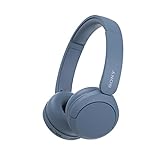
- LONG BATTERY LIFE: With up to 50-hour battery life and quick charging, you’ll have enough power for multi-day road trips and long festival weekends.(USB Type-C Cable included)
- HIGH QUALITY SOUND: Great sound quality customizable to your music preference with EQ Custom on the Sony | Headphones Connect App.
- LIGHT & COMFORTABLE: The lightweight build and swivel earcups gently slip on and off, while the adjustable headband, cushion and soft ear pads give you all-day comfort.
- CRYSTAL CLEAR CALLS: A built-in microphone provides you with hands-free calling. No need to even take your phone from your pocket.
- MULTIPOINT CONNECTION: Quickly switch between two devices at once.
Unhide an item on Mac or Windows
- Open Apple Music or iTunes and choose Account → Account Settings.
- Sign in if prompted.
- Find Hidden Items and click Manage.
- Unhide the music, return to Purchased and download it.
On iPhone or iPad, use Apple Music → account button → Account Settings → Hidden Purchases, unhide the item and download it.
Quick wins for a faster PC:
Fix the driver behind crashes, sound loss and screen glitchesFind Drivers →Clear out junk files and repair common Windows errorsFree Scan →Scan for outdated or missing drivers - takes under a minuteDriver Scan →Make sure the music is not merely hidden
- Switch from a downloaded-only view to the full library.
- Search by artist, album and song title, not just Recently Added.
- Remove sort and content filters and check both Songs and Albums.
- Look for a cloud or download icon: it generally means the item is available to fetch, not that it was deleted.
- Check whether a subscription-only filter is excluding locally owned files.
Repair Sync Library safely
Sync Library applies only with an Apple Music or iTunes Match subscription. It requires an internet connection, the same Apple Account on each device and Sync Library enabled on each relevant device (Apple’s requirements).
Mac
- Open Apple Music and confirm the account under Account.
- Choose Music → Settings → General.
- Turn on Sync Library and wait for the update to finish.
Windows Apple Music
- Click the account name at the bottom of the sidebar.
- Choose Sidebar Actions → Settings → General.
- Turn on Sync Library and wait.
iPhone or iPad
- Open Settings → Music.
- Turn on Sync Library and verify the same Apple Account is in use.
Request a cloud-library update
- Mac: File → Library → Update Cloud Library.
- Windows Apple Music: Sidebar Actions → Library → Update Cloud Library.
Turning Sync Library off removes downloaded music from the device. It does not necessarily erase original local files, but it can remove offline copies. Verify the original files and a backup before using the toggle as a later troubleshooting step (Apple’s troubleshooting guidance).
Rank #3

- Swimming Headphones for Spotify: With Tayogo T6 and W25 Combo, you can stream music from your smartphone directly to your W25 waterproof headphones while swimming. No more Mp3 downloads or conversions; just connect and enjoy seamless music playback from your favourite podcasts.
- 150 Meters Working Range: Tayogo T6 the trasnmitter works up to 150M and 2M under Water, For any corner of the pool, you can get clear signal for your swimming. 16 Channels availble to ensure your private signal without interuption.
- WATERPROOF DESIGN: Tayogo W25 the Waterprofoof bone conduction headphones are fully waterproof with IP68 rating for swimming. Bluetooth & Receiving, for normal use the bluetooth and for swimming, Switch to Receiving Mode to get signal transmitted from your mobile phone.
- LONG TIME PLAY: the Transmitter can plays up to 8 hours and the receving Headphones can play up to 15 hours for Bluetooth and 8 Hours for Receiving Mode.
- EASY OPERATION: Digital display screen with touch-sensitive buttons for easy Channel adjustment. PPT Button to send out real time instruction for the swim coach to communicate easliy with the swimming students.
Use Cloud Status to explain greyed-out songs
In the Songs view, show the Cloud Status and Cloud Download columns. The status points to the correct branch:
- Exclamation mark: the original local file cannot be found.
- Waiting: syncing has not finished.
- No Longer Available: the track may have left the Apple Music catalog.
- Greyed out: account mismatch, authorization, restrictions, hidden content, a missing file, regional availability or catalog changes can all be responsible.
Repair an exclamation mark
- Click the exclamation mark.
- Choose Locate and select the original file.
- If offered, allow the app to find other missing files in that location.
For a greyed-out subscription track, check Sync Library, account and restrictions before assuming deletion. Explicit-content controls can block explicit songs. A purchase download and a subscription version are different entitlements. If a track is unavailable in your region, search for an equivalent version; Apple recommends deleting the unavailable version and adding an available one where appropriate.
Free tools Windows power users keep installed
One-click scans. No signup required.
Find local files and reconnect the library
The library database is an index; the audio files are separate. An empty app can therefore coexist with intact music.
Rank #4

- [Authentic Sound Integrity] Experience natural sound reproduction with the podcast microphone with boom arm to preserve the audio sound without distortion. The XLR dynamic microphone boasts a SPL of 130dB, delivering original and consistent recordings. Cardioid pattern reduces ambient noise, ensuring your voice takes center stage, free from distracting background sounds. (For better input volume, record within 2'' to 6'' from the dynamic microphone. )
- [Flexible Connectivity Options] Equipped with both USB and XLR connections, recording studio microphone kit offers versatility to suit your streaming/gaming needs. Seamlessly transition between plug-and-play USB convenience or enhanced XLR connectivity, providing flexibility and studio-grade sound reproduction.
- [Robust Boom Arm Support] Crafted from durable metal, the boom arm microphone stand ensure secure placement of the XLR/USB dynamic microphone. Whether you're podcasting or streaming, the sturdy suspension recording microphone kit lessen collisions and vibrations for uninterrupted and smooth audio quality.
- [Intuitive Controls] Manage your podcast session with intuitive controls. The USB microphone features a tap-to-mute button for instant muting without software adjustments. Fine-tune audio levels with the gain knob, while the headphone monitoring jack and volume knob keep you informed and in control, optimizing recording effectiveness. (All the function keys on the mic are invalid when XLR connection. You can operate on mixer or audio interface to control the XLR mic.)
- [Enhanced Noise Suppression] The included windscreen and shock mount set on the PC microphone for music recording effectively do away with harsh noises caused by explosive sounds and low-frequency vibrations. The heavy-duty boom arm maintains distance from your desktop, preventing noise interference, resulting in smoother, clearer vocals during voice-over and streams. (For optimal input volume, adjust input volume via the mic's gain knob in USB connection, or control on your audio interface when XLR connection.)
Mac Apple Music
- Select a song and choose Song → Get Info to inspect its path.
- Use File → Show in Finder where available.
- Search Finder for the title, artist,
.mp4or.mp3. - Drag the file or folder into Apple Music.
Windows Apple Music
- Select the song and open its properties.
- Inspect the file location and use Show in Explorer where available.
- Search File Explorer for the title, artist,
.mp4or.mp3, then drag files or folders into Apple Music.
Legacy iTunes
- Select the item and choose Edit → [Item] Info.
- Inspect the Location field.
- Use File → Show in Windows Explorer.
- Search the Music folder, external disks, Recycle Bin and other likely locations.
Apple documents these paths for Mac, Windows Apple Music and iTunes for Windows.
Independent reader supportYour contribution helps us test, update, and keep practical guides available for everyone.Check the media-folder setting and external storage
Media locations
- Mac default: your Home/Music folder. Check Music → Settings → Files; use Change or Reset.
- Windows Apple Music default:
MusicApple Music. Check Sidebar Actions → Settings → Files. - Legacy iTunes default:
[User folder]MusiciTunesiTunes Media. Check Edit → Preferences → Advanced.
Changing the media-location setting affects new imports; it does not move existing songs automatically. If your media is on an external hard drive, USB SSD, NAS, network share or second internal disk, mount it before opening Music or iTunes. Avoid renaming folders or changing a Windows drive letter after import, because the saved paths may no longer match.
Re-add a moved folder
Locate the existing Music, Apple Music or iTunes folder and drag it into the appropriate app. If the library file is included, playlists, ratings and other organization may return along with the files. Preserve any old library file before creating a fresh one.
Recommended Free Tools
Best Value

- Critically acclaimed sonic performance praised by top audio engineers and pro audio reviewers
- Proprietary 45 millimeter large aperture drivers with rare earth magnets and copper clad aluminum wire voice coils
- Exceptional clarity throughout an extended frequency range, with deep, accurate bass response
- Circumaural design contours around the ears for excellent sound isolation in loud environments
- 90 degree swiveling earcups for easy, one ear monitoring, and professional grade earpad and headband material delivers more durability and comfort
Restore a Windows iTunes library after a computer change
- Back up the iTunes folder and all media files.
- Where possible, use File → Library → Organize Library → Consolidate files before migration. Consolidation copies scattered media into the iTunes folder; it does not necessarily remove originals.
- Copy the backed-up iTunes folder to the new computer’s expected Music location.
- Quit iTunes.
- Hold Shift while opening iTunes, choose Choose Library, and select
iTunes Library.itl. - Authorize the replacement computer and use Purchased for eligible store downloads.
The complete migration procedure is documented at Apple Support. Copying only audio files can recover playback while losing playlists, ratings, play counts and artwork.
If the files were genuinely deleted
- Check Trash or the Recycle Bin.
- Search every internal and external drive.
- Check the original computer.
- Look in Time Machine, Windows File History, cloud-drive history or another backup.
- Restore the library database and media together where possible.
- If no backup contains the files, stop writing to the affected drive and consider professional recovery.
Apple can generally help with eligible account purchases, not independently sourced MP3s or CD rips that have been deleted without a backup. Do not run cleaners, duplicate removers or aggressive “repair” utilities before copying the affected folder.
Prevent the next disappearance
- Keep the media folder in at least two independent locations.
- Back up the library database separately from the audio files.
- Export important playlists; Apple’s Mac instructions are at Apple Support.
- Before migrating, consolidate and copy the complete library.
- Do not keep the only copy on a removable drive.
- Treat Sync Library as synchronization, not backup. Apple explicitly says Apple Music is not a backup service (Apple Support).
The practical answer
Start with the account and Purchased view for store music; the library path and connected storage for personal files; and Cloud Status, subscription requirements and region for greyed-out or streaming tracks. If the files are absent from every location and backup, recovery becomes a data-recovery problem rather than an iTunes setting. The app transition from iTunes to Apple Music changes the menus, but it does not by itself prove that your music was deleted.
Quick Recap
Product prices and availability are accurate as of the date/time indicated and are subject to change. Any price and availability information displayed on Amazon at the time of purchase will apply.