Do these 3 things before closing this tab:
1Clear out junk files and repair common Windows errors2Scan for outdated or missing drivers - takes under a minute3Repair Windows errors before they cause bigger problemsThe poem-like reply to Taliban foreign minister Amir Khan Muttaqi’s use of Rabindranath Tagore’s story “Kabuliwala” is not something Tagore wrote or said. Moska Najibullah, an Afghan-born writer, composed it herself in her October 13, 2025 essay for Scroll.in as an imagined response from the poet. The essay mixes memoir, literary reading and political criticism, and the event it describes comes to readers through her account.
What the essay reports about the event
According to Najibullah, Muttaqi invoked “Kabuliwala” at a New Delhi event on October 11, 2025, while praising cultural and civilisational ties between India and Afghanistan. She presents the invocation as the trigger for her essay. No primary transcript or official recording of the remarks has been published that this article could verify, so the exact wording of the minister’s speech is known only through what Najibullah quotes. Treat the event account as hers, not as an independently confirmed record.
| # | Preview | Product | Price | |
|---|---|---|---|---|
| 1 |

|
Rabindranath Tagore (Set of 5 Books) - Gitanjali,My Boyhood Days,Gora,Kabuliwala and Other... | $16.65 | Buy on Amazon |
| 2 |
|
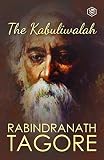
The Kabuliwala | $0.99 | Buy on Amazon |
| 3 |

|
Kabuliwala & The Postmaster: Classic Indian Stories | $12.09 | Buy on Amazon |
| 4 |

|
Kabuliwala Tagore, Rabindranath | $8.85 | Buy on Amazon |
Why the invocation reads as ironic to the author
Najibullah’s central argument is that “Kabuliwala” is about tenderness, the bonds people form across difference, and the pain of separation. Set against the restrictions on women and girls that she describes in Afghanistan, a Taliban representative citing the story looks, to her, like a contradiction. These are her claims and judgments. If you want to test them against Taliban policy, use current reporting or official documents on women’s and girls’ access to education, work and public life, since the essay itself is an opinion piece and does not set out those policies in detail.
The imagined response, and how to attribute it
The centrepiece of the essay is a poem-like speech that begins “Ah, my dear ideologues of sand and silence.” Najibullah builds it as her imagining of what Tagore might answer. It is not a historical quotation, and nothing in the record shows Tagore speaking or writing these lines.
Quick wins for a faster PC:
Fix the driver behind crashes, sound loss and screen glitchesFind Drivers →Clear out junk files and repair common Windows errorsFree Scan →#1 Best Overall
Lines from that passage, such as “He was a man, not a muzzle,” belong to her imaginative construction. If you quote the passage, introduce it as Najibullah’s imagined response, or as a passage from her essay, and never as Tagore’s words.
Who Najibullah is and how she reaches the story
Najibullah recalls growing up in India in exile and identifying with the travelling Afghan figure of Rahmun, the fruit seller at the centre of Tagore’s story. As an adult she went to Kolkata to look for the descendants of the Kabuliwalas and the community that grew up around them. There she met Amir Khan, whom she identifies as the head of a Kolkata Afghan community. Her photographic project From Kabul to Kolkata comes out of that search, and she presents it as a record of migration, trade, memory and belonging.
Rank #2
Najibullah reports Amir Khan saying: “We are part of Kolkata, but Kabul is still in our dreams.” This is her report of his words. It has not been independently verified.
Independent reader supportYour contribution helps us test, update, and keep practical guides available for everyone.The story itself and where to read it
“The Cabuliwallah,” also rendered “The Cabuliwalla” or “Kabuliwala,” is included in the collection Stories from Tagore. It follows Mini, a young girl, and Rahmun, a fruit seller from Kabul, and it is the literary basis for the essay’s discussion of empathy, separation and cross-cultural connection.
Project Gutenberg’s record identifies Tagore as the author, lists the story in the contents, and links to a digitized 1918 Macmillan edition. The story has been translated many times, so the 1918 text is not the only or definitive English version. Choose an edition by what you need:
| Access route | What is documented | Points to check |
|---|---|---|
| Free digital text via Project Gutenberg | Digitized 1918 Macmillan edition, story listed in the contents | Free to read; older translation wording |
| Print collection Stories from Tagore | Documented as containing the story; 1918 Macmillan print edition | Current price and stock not verified for this article; check the publisher or a bookseller |
| Other English translations | Not compared in this article | Confirm that the translation is complete and check its edition metadata |
If your interest is the essay’s argument, read “Kabuliwala” first and then Najibullah’s piece. The story gives the reader a baseline for judging her reading of its tenderness and her claim that the minister’s invocation is hollow.
Quick Recap
Rank #4
Product prices and availability are accurate as of the date/time indicated and are subject to change. Any price and availability information displayed on Amazon at the time of purchase will apply.




