Set nearly a century before the events of Game of Thrones, A Knight of the Seven Kingdoms is HBO’s most intimate return to Westeros yet. Rather than dragons, court politics, and continent-shaking wars, this prequel zeroes in on chivalry, honor, and the quieter human stories that exist between history’s blood-soaked chapters. It’s a deliberate tonal shift that recalls the early seasons of Thrones while offering something refreshingly grounded for longtime fans.
The series is adapted from George R.R. Martin’s Tales of Dunk and Egg novellas, following the adventures of Ser Duncan the Tall, a hedge knight of humble origins, and his young squire, Egg, who harbors a royal secret. Their journey takes place roughly 90 years before Daenerys Targaryen is born and about 70 years after House of the Dragon, placing the story in a transitional era where the Targaryen dynasty still rules Westeros but its grip on power is quietly fraying.



A Smaller Story With Big Canon Implications
Unlike its predecessors, A Knight of the Seven Kingdoms is designed as a character-driven road story, moving from tourney grounds to rural villages rather than royal courts. That smaller scope allows the series to explore how the legends, titles, and social hierarchies of Westeros actually affect everyday life. Fans will encounter familiar houses and long-foreshadowed conflicts, but through a more personal lens that emphasizes moral choice over spectacle.
Importantly, the show isn’t a reboot or standalone curiosity. It’s a canonical bridge within the larger franchise, illuminating the political climate and cultural values that eventually shape the world of Game of Thrones. As HBO maps out its release strategy on Max, this series functions as both a narrative palate cleanser after House of the Dragon and a foundational chapter that deepens the mythology without retreading familiar ground.
The Tool Desk
Outbyte PC Repair FREERepair Windows errors before they cause bigger problemsFix Now →Outbyte Driver Updater FREEScan for outdated or missing drivers - takes under a minuteDriver Scan →#1 Best Overall
Official Release Window: When ‘A Knight of the Seven Kingdoms’ Premieres on HBO Max
After months of quiet development and carefully spaced updates, HBO has officially confirmed that A Knight of the Seven Kingdoms is slated to premiere in 2025 on HBO Max. While an exact premiere date has not yet been announced, the network has consistently positioned the series as one of its major tentpole releases for the year, following the production momentum established by House of the Dragon.
The timing is intentional. HBO is clearly aiming to maintain an annual presence in Westeros without oversaturating the franchise, allowing each series room to breathe. By placing A Knight of the Seven Kingdoms in 2025, the studio creates a clean narrative and scheduling bridge between seasons of House of the Dragon while expanding the timeline in a new direction.
What HBO Has Confirmed So Far
HBO executives and George R.R. Martin himself have indicated that the first season has completed principal photography and is deep into post-production. That puts the show squarely on track for a mid-to-late 2025 release window, which aligns with how HBO typically rolls out prestige dramas requiring extensive visual finishing.
Like Game of Thrones and House of the Dragon before it, A Knight of the Seven Kingdoms will debut exclusively on HBO Max in the U.S., with simultaneous or near-simultaneous releases internationally depending on region. Episodes will also air weekly on HBO’s linear channel, preserving the franchise’s communal, appointment-viewing tradition.
Expected Episode Rollout and Weekly Schedule
The first season is expected to consist of six episodes, reflecting the more intimate scope of the Dunk and Egg stories. HBO plans to follow its standard weekly release model rather than dropping episodes all at once, a strategy that has proven effective at sustaining conversation, theory-crafting, and audience engagement across the franchise.
Assuming a typical Sunday-night premiere slot, new episodes would arrive weekly on HBO Max, with each installment building on the duo’s travels and the political undercurrents simmering beneath Westeros’ surface. This measured rollout also mirrors the novella structure, allowing each chapter of Dunk and Egg’s journey to stand on its own while contributing to a larger arc.
How the Release Fits HBO’s Westeros Strategy
From a scheduling perspective, A Knight of the Seven Kingdoms functions as a strategic counterbalance to House of the Dragon. Where that series leans heavily into dynastic warfare and spectacle, this release offers a quieter, character-forward experience without breaking HBO’s annual cadence of premium fantasy content.
For fans tracking HBO Max’s upcoming slate, the takeaway is clear: 2025 marks the next official return to Westeros, and this time the road is narrower, the stakes more personal, and the storytelling more intimate. As HBO finalizes its exact premiere date, A Knight of the Seven Kingdoms is already positioned as a key chapter in the franchise’s long-term future, not a detour but a deliberate step deeper into its history.
Episode Count and Format: How Many Episodes to Expect in Season 1
HBO has confirmed that Season 1 of A Knight of the Seven Kingdoms will consist of six episodes, a leaner order than its Westeros predecessors but one that aligns closely with the source material. Unlike the sprawling, multi-threaded narratives of Game of Thrones and House of the Dragon, this series is built around a focused, episodic journey.
The first season primarily adapts The Hedge Knight, the opening novella in George R.R. Martin’s Dunk and Egg cycle. That smaller narrative footprint allows the show to tell a complete, emotionally grounded story without stretching its premise or introducing filler subplots.
Why a Shorter Season Makes Sense
The six-episode format reflects HBO’s intent to preserve the tone and pacing of the novellas, which are more character-driven than epic in scale. Each episode is expected to function almost like a chapter, following Ser Duncan the Tall and his young squire Egg as they navigate tournaments, local politics, and the quiet tensions simmering across Westeros.
This structure also gives the series room to breathe. Rather than racing through major historical events, the show can linger on relationships, moral choices, and the everyday realities of life in the Seven Kingdoms a century before Daenerys Targaryen.
Episode Length and Storytelling Style
While official runtimes have not been announced, episodes are expected to fall in the 50-to-60-minute range typical of HBO prestige dramas. That length allows for cinematic production values and thoughtful character development without inflating the story beyond its natural scope.
Importantly, the season is designed to feel complete while still leaving the door open for future installments. Subsequent seasons would likely adapt later Dunk and Egg novellas, making A Knight of the Seven Kingdoms a modular, anthology-like expansion of the franchise rather than an open-ended saga.
Full Episode Release Schedule: Weekly Rollout vs. Binge Model on HBO Max
HBO has confirmed that A Knight of the Seven Kingdoms will follow the network’s traditional weekly release strategy rather than dropping all episodes at once. Like Game of Thrones and House of the Dragon before it, the series is designed to unfold week by week, encouraging conversation, speculation, and sustained engagement across its six-episode season.
While the exact premiere date has not yet been formally announced, HBO has been clear that the show will debut with a single-episode launch, followed by weekly Sunday night releases on HBO and HBO Max.
Crashes, No Sound, or Screen Glitches?
Random freezes, missing sound and display glitches usually trace back to one bad driver. Find and replace yours safely.Free scan · under a minutePC Slower Than It Used to Be?
A free scan shows the junk files, broken settings and background clutter dragging Windows down - then fixes them in one click.Free scan · Windows 10 & 11What the Weekly Release Schedule Will Look Like
Assuming a standard rollout, Episode 1 will premiere on HBO and stream simultaneously on HBO Max, with one new episode released each subsequent week. With six total episodes, the season will run for roughly a month and a half from premiere to finale.
This mirrors the release cadence HBO has refined over the past decade, allowing each chapter of Dunk and Egg’s journey to stand on its own while still building momentum toward the season’s conclusion.
Why HBO Is Sticking With Weekly Episodes
HBO has consistently resisted the binge model for its flagship franchises, and A Knight of the Seven Kingdoms fits squarely within that philosophy. Weekly releases help maintain cultural visibility, keeping the series part of the broader conversation rather than a single-weekend event.
For a character-driven story rooted in small-scale conflicts and moral choices, that pacing also benefits the material. Each episode has room to breathe, giving viewers time to absorb the quieter moments that define this era of Westeros.
Free tools Windows power users keep installed
One-click scans. No signup required.
Expected Episode Rollout (Subject to Change)
Although exact dates are still pending, the structure is expected to follow this pattern once the premiere window is announced:
– Episode 1: Series premiere
– Episode 2: One week after premiere
– Episode 3: Two weeks after premiere
– Episode 4: Three weeks after premiere
– Episode 5: Four weeks after premiere
– Episode 6: Season finale, five weeks after Episode 1
HBO typically locks in specific dates closer to release, so viewers should expect a full, official schedule once the network begins its final marketing push.
How This Fits Into HBO’s Westeros Release Strategy
Positioned between seasons of House of the Dragon, A Knight of the Seven Kingdoms benefits from HBO’s now-familiar franchise rhythm. The weekly rollout keeps Westeros on the calendar without overwhelming audiences, while also distinguishing the show’s intimate tone from the larger, dragon-driven spectacle of its sibling series.
For fans tracking HBO’s fantasy slate, the message is clear: this is not a binge-and-move-on spinoff. It’s a deliberate, chapter-by-chapter return to the Seven Kingdoms, meant to be watched, discussed, and savored in real time.
Exact Release Times: When New Episodes Drop Each Week
While HBO has not yet announced the exact premiere date, the network’s release timing for A Knight of the Seven Kingdoms is expected to follow its long-established Sunday night playbook. New episodes should debut simultaneously on HBO’s linear channel and HBO Max, aligning with the franchise’s traditional appointment-viewing slot.
For viewers planning their watch schedule in advance, the key detail is the time of day. HBO’s biggest series almost always drop at the same hour, regardless of scale or spinoff status.
Expected Weekly Drop Time on HBO Max
Barring any late-stage scheduling shifts, new episodes of A Knight of the Seven Kingdoms are expected to release at:
– 9:00 p.m. Eastern Time
– 8:00 p.m. Central Time
– 7:00 p.m. Mountain Time
– 6:00 p.m. Pacific Time
This mirrors the release strategy used for Game of Thrones, House of the Dragon, and other Sunday-night HBO tentpoles. Episodes should appear on HBO Max the moment they begin airing on cable, with no delay between platforms.
Recommended Free Tools
Rank #3
What This Means for International and Streaming-Only Viewers
For U.S. subscribers watching exclusively on HBO Max, the experience should be seamless. Episodes typically populate the app right at the scheduled time, allowing viewers to start immediately without waiting for the linear broadcast to finish.
International release timing may vary depending on regional HBO partners and local streaming services, but HBO tends to keep global premieres tightly aligned to limit spoilers. Once HBO confirms the final schedule, international platforms usually announce their corresponding release windows shortly after.
Will Episodes Ever Drop Early?
Unlike some streaming-first originals, HBO rarely releases episodes early in the day for its prestige dramas. Sunday night premieres are part of the brand, designed to anchor weekly viewing habits and fuel post-episode discussion.
Fans hoping for surprise early drops should temper expectations. If history is any guide, A Knight of the Seven Kingdoms will arrive precisely when HBO wants the realm paying attention: Sunday night, prime time, one chapter at a time.
What’s actually slowing this PC down?
Pick the symptom - the matching free tool is one click away.
Where It Fits in the Westeros Timeline: Dunk and Egg vs. Game of Thrones and House of the Dragon
A Knight of the Seven Kingdoms occupies a sweet spot in the Westeros timeline, bridging the gap between House of the Dragon and Game of Thrones while telling a far more intimate story. It’s set roughly 90 years before the events of Game of Thrones and about 80 years after House of the Dragon, during a period when the Targaryen dynasty still sits the Iron Throne but its grip on absolute power is slowly loosening.
This placement gives the series a unique identity. The realm is no longer dominated by dragons in daily life, but the memory of them still shapes politics, bloodlines, and ambition across the Seven Kingdoms.
After the Dance of the Dragons
House of the Dragon chronicles the Dance of the Dragons, a brutal Targaryen civil war that nearly destroyed the family from within. By the time A Knight of the Seven Kingdoms begins, that conflict is part of living history rather than legend, with its consequences still rippling through noble houses and the monarchy itself.
The Targaryens remain in power, but they are diminished. Dragons are rare, the royal line is thinner, and the aura of invincibility that defined earlier eras has faded, creating a more grounded political landscape than what viewers saw in House of the Dragon.
Do these 3 things before closing this tab:
1Clear out junk files and repair common Windows errors2Scan for outdated or missing drivers - takes under a minute3Repair Windows errors before they cause bigger problemsBefore the Fall Seen in Game of Thrones
Unlike Game of Thrones, this era is not defined by imminent collapse or continent-spanning war. Westeros is relatively stable, ruled by Targaryen kings rather than Baratheons, and the great houses are maneuvering for influence rather than survival.
This allows the series to focus on everyday life in the Seven Kingdoms. Tourneys, hedge knights, small castles, and forgotten roads take center stage, offering a ground-level view of the realm long before White Walkers, dragons reborn, and the War of the Five Kings reshape everything.
Dunk and Egg’s Place in Westerosi History
At the heart of the story are Ser Duncan the Tall, a wandering hedge knight, and Egg, his squire who is secretly Prince Aegon Targaryen, a future king. Their travels intersect with major houses and future legends, but the stakes are personal rather than apocalyptic.
For longtime fans, this era is packed with quiet significance. Characters and events referenced only in dialogue or lore during Game of Thrones finally come into focus, adding depth to the franchise without requiring viewers to track massive battle lines or royal succession charts.
Quick wins for a faster PC:
Scan for outdated or missing drivers - takes under a minuteDriver Scan →Repair Windows errors before they cause bigger problemsFix Now →Fix the driver behind crashes, sound loss and screen glitchesFind Drivers →A Different Kind of Westeros Story
Positioned between two dragon-heavy epics, A Knight of the Seven Kingdoms deliberately scales things down. It’s about honor, loyalty, and survival in a realm that feels lived-in rather than mythic, showing how history is shaped not just by kings and queens, but by ordinary people moving through extraordinary times.
That timeline placement makes the series an ideal entry point for newer viewers and a rewarding deep cut for longtime fans. It expands the Game of Thrones universe not by going bigger, but by going closer.
Rank #4
How This Series Expands the Franchise: Tone, Scope, and Storytelling Differences
A Lighter Touch Without Losing Consequence
Where Game of Thrones and House of the Dragon lean heavily into tragedy and moral collapse, A Knight of the Seven Kingdoms adopts a more measured, human tone. The series allows humor, warmth, and moments of decency to exist alongside danger, making its emotional beats feel earned rather than relentless.
That tonal shift doesn’t mean the stakes disappear. Instead, consequences are intimate rather than catastrophic, with reputations, honor, and survival carrying more weight than the fate of the realm. It’s a version of Westeros where a bad decision can still ruin a life, even if it doesn’t ignite a war.
Recommended Free Tools
Smaller Stories, Broader World-Building
By narrowing its focus to Dunk and Egg’s travels, the series actually broadens the franchise’s sense of place. Viewers spend time in regions and social spaces rarely explored on screen, from minor lordly courts to roadside inns and local tourneys.
This approach deepens the world without relying on spectacle. Each episode functions almost like a historical vignette, revealing how the Seven Kingdoms operate day to day, which is especially effective with HBO’s expected weekly release cadence allowing these details to breathe and resonate between episodes.
A Character-Driven Narrative Structure
Unlike its predecessors, which juggle sprawling ensembles and shifting power centers, A Knight of the Seven Kingdoms is built around a consistent two-character core. That stability gives the storytelling a clearer emotional throughline and makes the season’s episodic structure feel intentional rather than fragmented.
As episodes roll out on HBO Max, the focus remains on personal growth and evolving relationships rather than sudden geopolitical turns. It’s a deliberate contrast to the franchise’s usual escalation model and one that encourages viewers to settle into the journey rather than brace for constant shock.
Windows Errors? Fix Them Before They Spread
Repair common Windows errors and clear accumulated junk for a smoother, more stable PC - no reinstall needed.Free scan · no reinstallCrashes, No Sound, or Screen Glitches?
Random freezes, missing sound and display glitches usually trace back to one bad driver. Find and replace yours safely.Free scan · under a minuteExpanding the Franchise Without Escalation
Perhaps the most important way the series expands the Game of Thrones universe is by resisting the urge to outdo what came before. There are no massive dragon battles to top House of the Dragon, and no looming apocalypse to rival Game of Thrones’ final seasons.
Instead, the franchise grows laterally, filling in history, culture, and character archetypes that make the larger saga feel more complete. It’s an expansion rooted in texture and perspective, proving Westeros still has compelling stories to tell even when the world isn’t ending.
Independent reader supportYour contribution helps us test, update, and keep practical guides available for everyone.What to Watch Before It Premieres: Essential Viewing and Reading for Fans
With A Knight of the Seven Kingdoms approaching, the most useful preparation isn’t about catching up on unresolved plotlines, but about recalibrating expectations. This series occupies a very specific pocket of Westerosi history, and revisiting the right material can make its quieter stakes and character-first approach resonate more deeply from the opening episode.
Revisiting Game of Thrones With a Historical Lens
While A Knight of the Seven Kingdoms takes place roughly 90 years before the events of Game of Thrones, the original series still provides crucial context. Pay particular attention to dialogue-heavy scenes about knighthood, honor, and legacy, especially those involving characters like Barristan Selmy, Brienne of Tarth, and Tyrion Lannister’s early reflections on history.
Quick wins for a faster PC:
Clear out junk files and repair common Windows errorsFree Scan →Fix the driver behind crashes, sound loss and screen glitchesFind Drivers →These moments echo the moral framework Dunk is navigating, even if the political landscape looks calmer. Watching with an eye toward how legends are formed versus how people actually live helps bridge the tonal gap between the two shows.
House of the Dragon as a Temporal Anchor
House of the Dragon sits earlier in the timeline, but it remains a useful point of reference. The Targaryens still sit firmly on the Iron Throne during A Knight of the Seven Kingdoms, though their power is more stable and less openly volatile than in the Dance of the Dragons era.
Seeing House of the Dragon first reinforces how much the realm has cooled by the time Dunk and Egg are traveling it. The contrast makes the new series’ smaller scale feel intentional rather than restrained.
The Essential Reading: Tales of Dunk and Egg
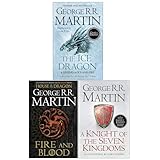
For fans willing to go beyond the screen, George R. R. Martin’s Tales of Dunk and Egg novellas are the single most valuable companion pieces. The Hedge Knight, The Sworn Sword, and The Mystery Knight form the narrative backbone of the series and establish its episodic structure.
Best Value
The show is expected to adapt these stories faithfully while expanding character moments and connective tissue. Reading them ahead of time doesn’t spoil the experience so much as enhance it, especially in appreciating how much subtext and history HBO can visually externalize.
Optional but Rewarding: Fire & Blood and World-Building Lore
Fire & Blood isn’t required reading, but select chapters provide useful background on the Targaryen kings ruling during this era. Understanding the political stability of the realm explains why Dunk and Egg can move relatively freely, encountering local conflicts instead of continent-spanning crises.
This broader historical awareness also clarifies where A Knight of the Seven Kingdoms fits within HBO’s release strategy. It’s not meant to escalate the franchise, but to enrich it, offering a different rhythm that complements the weekly episode rollout on HBO Max rather than competing with past spectacles.
Taken together, this viewing and reading path sets expectations correctly. When the premiere arrives, viewers aren’t waiting for dragons to return or wars to erupt. They’re prepared to watch Westeros at ground level, one tourney, one village, and one quietly consequential choice at a time.
What Comes Next for the Franchise: How ‘A Knight of the Seven Kingdoms’ Sets Up Future Westeros Stories
A Knight of the Seven Kingdoms isn’t designed as a one-off detour. It’s a strategic pivot for HBO’s Westeros slate, expanding the franchise outward rather than upward, and using a quieter, character-driven story to reinforce how flexible this world can be.
Premiering on HBO Max with a weekly rollout, the series arrives at a moment when the network is clearly focused on sustainability. By spacing episodes week to week instead of dropping the season all at once, HBO preserves the appointment viewing model that made Game of Thrones a cultural event, while allowing this smaller-scale story room to breathe.
A Different Model for Future Spin-Offs
If A Knight of the Seven Kingdoms connects with audiences, it effectively proves that not every Westeros series needs dragons, massive armies, or royal succession crises. Dunk and Egg operate on the fringes of power, and that perspective opens the door for future stories centered on knights, smallfolk, or lesser-known houses.
This approach also lowers the narrative barrier for new viewers. Fans tracking the release schedule on HBO Max won’t need deep knowledge of Targaryen family trees to follow along, making the weekly episodes easier entry points between larger franchise tentpoles like House of the Dragon.
What’s actually slowing this PC down?
Pick the symptom - the matching free tool is one click away.
Planting Seeds Without Immediate Payoff
Set decades before Daenerys Targaryen and roughly a century after the Dance of the Dragons, the series subtly lays groundwork for long-term storytelling. Egg’s future as King Aegon V, the gradual decline of dragons, and the shifting role of knighthood all exist beneath the surface without demanding immediate resolution.
This slow-burn setup mirrors the release strategy itself. Each episode builds incrementally, rewarding viewers who follow the schedule closely rather than bingeing for plot twists, and reinforcing the idea that Westeros history is best absorbed over time.
How It Fits Into HBO’s Bigger Westeros Plan
HBO has been clear that future Game of Thrones projects will vary in scope and tone. A Knight of the Seven Kingdoms functions as a tonal counterweight to House of the Dragon, proving the franchise can support multiple concurrent series without fatigue.
For fans watching week to week on HBO Max, that means a more balanced future slate. Big, explosive seasons can alternate with more intimate stories, keeping Westeros present year-round without overwhelming audiences.
Free tools Windows power users keep installed
One-click scans. No signup required.
Ultimately, A Knight of the Seven Kingdoms is less about escalating the franchise and more about stabilizing it. By grounding Westeros in human-scale storytelling and a deliberate episode release schedule, HBO is signaling confidence in the world itself. When viewers tune in each week, they’re not just following Dunk and Egg’s journey, they’re watching the foundation being laid for the next era of Westeros stories.
Quick Recap
Product prices and availability are accurate as of the date/time indicated and are subject to change. Any price and availability information displayed on Amazon at the time of purchase will apply.

