PC Slower Than It Used to Be?
A free scan shows the junk files, broken settings and background clutter dragging Windows down - then fixes them in one click.Free scan · Windows 10 & 11Outdated Drivers Are Slowing You Down
One free scan finds every outdated or missing driver and matches the right update for your exact hardware.Free scan · exact hardware matchReading Virginia Woolf’s Mrs Dalloway during a pandemic can bring illness, bereavement and lives pushed to the margins back into view. In her 2021 essay, Jess Cotton connects Clarissa Dalloway’s return to London’s streets after the Spanish flu with the death and trauma of Septimus Smith, a First World War veteran. Cotton’s reading is not the only way to understand the novel, but it shows how fiction can complicate stories of national strength by attending to private suffering.
Why the 2021 headline said Woolf died 80 years ago
The anniversary in the headline belongs to 2021: Virginia Woolf died in 1941, so that year marked 80 years since her death. The National Archives’ page identifies her death as a suicide on March 28, 1941, aged 59; this biographical detail should not be mistaken for an explanation of her writing or reduced to a single cause. The National Archives’ record is the source for the date and age.
| # | Preview | Product | Price | |
|---|---|---|---|---|
| 1 |
|
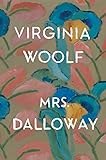
Mrs. Dalloway: The Virginia Woolf Library Authorized Edition | $5.93 | Buy on Amazon |
| 2 |

|
Mrs Dalloway | $14.93 | Buy on Amazon |
| 3 |

|
Mrs. Dalloway: (Penguin Classics Deluxe Edition) | $9.79 | Buy on Amazon |
| 4 |

|
Mrs. Dalloway (Warbler Classics Annotated Edition) | $10.95 | Buy on Amazon |
| 5 |

|
Mrs. Dalloway: A Norton Critical Edition | $14.49 | Buy on Amazon |
How Mrs Dalloway puts ordinary life beside illness
Published in 1925, Mrs Dalloway follows Clarissa through a day in London as she prepares for a party. Cotton reads Clarissa as a survivor of the 1919 Spanish flu. On that interpretation, her pleasure in walking through the city and planning to buy flowers acquires added meaning: ordinary movement and public life matter differently after confinement.
The novel opens, “Mrs Dalloway said she would buy the flowers herself.” Cotton draws attention to the line as an expression of Clarissa’s enjoyment of going out. Its force does not depend on claiming that Clarissa’s experience matches that of people living through COVID-19. The pandemic comparison is a way to notice the value of everyday freedom, not an assertion that separate outbreaks had identical conditions or consequences.
#1 Best Overall
Septimus and the lives outside the party’s center
Clarissa’s social world is not the novel’s only measure of experience. Septimus Smith, a young veteran of the First World War, lives with trauma; news of his suicide reaches Clarissa during her party. In Cotton’s reading, the contrast between the gathering and Septimus’s death makes the party’s apparent social center porous: private grief and lives at the edges of polite society cannot simply be excluded from the story.
This contrast also complicates narratives that remember the postwar period chiefly through military sacrifice and national triumph. Cotton argues that the novel returns illness and death to that memory, making space for the Spanish flu and individual bereavement alongside the public commemoration of war.
Rank #2
What Woolf’s inward attention makes visible
Cotton describes Woolf’s method as a radical inward tunneling into psychic life. Rather than treating public events and social roles as the whole story, the novel attends to the thoughts and feelings that characters carry beneath them. That attention can make suffering legible even when it is not publicly acknowledged or easily fitted into a triumphant national account.
The connection to pandemic reading lies in this shift of attention: a reader can look past broad accounts of resilience to notice people’s particular experiences of illness, loss and isolation. Woolf’s fiction does not supply a single historical verdict; it offers a way to see how private lives sit within, and sometimes unsettle, public narratives.
Do these 3 things before closing this tab:
1Scan for outdated or missing drivers - takes under a minute2Repair Windows errors before they cause bigger problems3Fix the driver behind crashes, sound loss and screen glitchesRank #3
Where to begin reading Woolf
Mrs Dalloway is the most direct starting point for Cotton’s argument. The Virginia Woolf Society of Great Britain lists it as a 1925 novel and also records works including To the Lighthouse (1927), A Room of One’s Own (1929) and The Waves (1931). The Society’s bibliography provides a concise guide to those principal works.
Cotton’s pandemic-era essay was published by Scroll, republished from The Conversation, on March 30, 2021. Its central question remains a literary one: what becomes visible when a novel directs attention toward illness, grief and ordinary pleasures that public histories may overlook? Read Cotton’s essay.
Quick Recap
Best Value
Product prices and availability are accurate as of the date/time indicated and are subject to change. Any price and availability information displayed on Amazon at the time of purchase will apply.




