Romantic-period music is Western classical music associated with nineteenth-century Romanticism, a movement that prized individual expression, emotion, drama and evocative moods. A useful approximate date range is 1820–1910, though some references frame the period more narrowly, such as 1830–1890. “Romantic” describes an artistic outlook—not a promise that a piece is about love.
When was the Romantic period in music?
There is no single boundary accepted by every reference. Oak National Academy uses approximately 1820–1910 for the Romantic period in Western classical music, while Oxford University Press’s survey is titled Romanticism (1830–1890). Treat either range as a historical framework rather than a precise dividing line: musical styles changed over time, and composers did not all adopt the same approach at once.

Sources: Oak National Academy; Oxford University Press, Romanticism (1830–1890).
What does “Romantic” mean?
The name connects the music to Romanticism, a broad artistic movement. In music, it points to an emphasis on personal expression, intense feeling, drama and the power to suggest a mood, image or story. A work might evoke love, but it might instead explore nature, heroism, grief, fantasy or other subjects. The label does not mean that the music is primarily about romantic relationships.
What’s actually slowing this PC down?
Pick the symptom - the matching free tool is one click away.
#1 Best Overall

- Format: Book & CD
- Instrument: Voice
- Genre: Masterwork Arrangement; Sacred; Secular
- Category: Vocal Collection
- Contributors: Ed. and arr. Patrick M. Liebergen
Source: Oak National Academy.
What are the characteristics of Romantic music?
Romantic music is a diverse body of work, not a checklist that every composition must satisfy. These tendencies can help listeners recognize its expressive possibilities:
- Heightened expression and drama: composers often shaped music around vivid moods and expressive contrasts.
- Richer harmonic color: chromatic writing uses notes outside the home key, giving composers more ways to create tension, color and movement.
- Changing instrumental color and texture: shifts in timbre, articulation and musical density can help create a distinctive atmosphere.
- Music that suggests a story or image: programme music is instrumental music intended to evoke a narrative, scene or idea. A leitmotif is a short musical idea associated with a character, place or concept.
- A larger, more powerful orchestra: orchestral forces could support broader contrasts of volume and color, while the symphony and concerto remained important forms. The tone poem also became prominent.
- An expressive piano tradition: the piano featured both in short character pieces and in works designed to display virtuosity.
These are useful listening clues, not requirements for every work. Romantic composers also wrote within familiar forms and pursued different artistic aims.
Rank #2
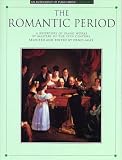
- Piano Solo
- Pages: 248
- Instrumentation: Piano/Keyboard
Source: Oak National Academy.
Which composers belong to the Romantic period?
The period’s range is clear from the composers included in Oxford University Press’s survey of nineteenth-century Western instrumental music and opera. Its coverage includes Chopin, Schumann, Mendelssohn, Liszt, Brahms, Berlioz, Verdi, Wagner, Tchaikovsky, Dvořák and Mahler, among others. They represent varied national traditions, genres and musical approaches—not one uniform Romantic sound.
Source: Oxford University Press, Romanticism (1830–1890).
Recommended Free Tools
Rank #3
How can you listen for Romantic style?
Try listening for how a piece changes mood, how its harmony creates color or tension, and how instruments contribute to its atmosphere. Oak National Academy suggests Liszt’s tone poems and piano works, as well as Tchaikovsky’s ballet music, as entry points.
For a simple comparison, listen to a Chopin piano work and then a programmatic orchestral piece. Ask what the piano’s phrasing and tone convey, what the orchestra adds through its range of instrumental colors, and whether a recurring musical idea seems connected to a character, scene or broader image. These are listening prompts: no single feature applies to every work by either composer.
Rank #4

- Format: Book & CD
- Instrument: Piano
- Genre: Masterwork
- Category: Piano Collection
- Contributors: Ed. Nancy Bachus / perf. Daniel Glover
Source: Oak National Academy.
Independent reader supportYour contribution helps us test, update, and keep practical guides available for everyone.How does Romantic music differ from Classical music?
A useful way to compare styles is to ask what each piece is trying to do and how it creates its effect. A programmatic work may invite the listener to imagine a story or scene, while other music works within conventional forms without a stated narrative. A piano or chamber work can create intimacy through a small group of instruments; a larger orchestra can offer broader contrasts in scale and timbre. Romantic composers also made expressive use of harmonic color and changing moods.
These are listening axes, not strict boundaries between Classical and Romantic music. The period contains varied approaches, and a broad stylistic label cannot classify every piece by one sound or technique.
Quick wins for a faster PC:
Fix the driver behind crashes, sound loss and screen glitchesFind Drivers →Repair Windows errors before they cause bigger problemsFix Now →Scan for outdated or missing drivers - takes under a minuteDriver Scan →Best Value

- Include a little romance in your day with this stirring music CD
- Celebrate love s moods with this tender ensemble of touching melodies
- Look deeply into each other s eyes and let the music sweep you away!
For historical context on the period’s range of musical paths and national traditions, see Britannica’s historical reader’s guide to music.
Quick Recap
Product prices and availability are accurate as of the date/time indicated and are subject to change. Any price and availability information displayed on Amazon at the time of purchase will apply.




