Quick wins for a faster PC:
Clear out junk files and repair common Windows errorsFree Scan →Scan for outdated or missing drivers - takes under a minuteDriver Scan →When American Pie hit theaters in the summer of 1999, it sold itself as an ensemble teen comedy, but audiences walked out talking about one character. Steve Stifler, loud, crude, gleefully unapologetic, felt less like a supporting role and more like a cultural detonation. Almost overnight, Seann William Scott went from an unknown character actor to the face of a very specific kind of millennial masculinity, one that dominated dorm rooms, cable reruns, and quote-heavy message boards for years.
What made Stifler resonate wasn’t just shock value, but precision. Scott played him with surprising discipline, blending cartoon bravado with an undercurrent of insecurity that made the character feel lived-in rather than disposable. In an era obsessed with pushing boundaries, Stifler became the archetype studios chased: the obnoxious friend who says what no one else will, yet somehow remains essential to the group dynamic.
![Just Before I Go [DVD] by Seann William Scott](https://m.media-amazon.com/images/I/51egJTQxrQL._SL160_.jpg)

That success, however, came with an invisible cost. Hollywood didn’t just see Seann William Scott as funny; it saw him as Stifler-shaped, a branding so effective it narrowed his opportunities almost immediately. This section explores how a breakout role turned Scott into a generational comedy icon by accident, setting the stage for both his meteoric rise and the complicated career decisions that followed as he worked to define himself beyond the character that made him famous.
Riding the Raunchy Comedy Wave: Box Office Hits, Overexposure, and the Limits of Early-2000s Hollywood
The Industry Rush to Bottle Lightning
In the immediate aftermath of American Pie, Hollywood moved quickly, and predictably. Seann William Scott was slotted into a string of studio comedies that leaned hard into the same bravado, volume, and crude confidence audiences had embraced the first time around. Films like Road Trip and Dude, Where’s My Car? weren’t subtle evolutions of his screen persona; they were amplifications, each betting that louder equaled funnier.
#1 Best Overall

- El Plan (Import Dvd) (2004) Seann William Scott; Lou Diamond Phillips; Varios;
For a few years, the strategy worked. These movies were reliable box office performers, staples of opening-weekend crowds and eventual cable immortality. Scott became a fixture of the era, his presence functioning almost like a genre guarantee for a specific kind of unruly, R-rated humor.
Success, Saturation, and the Cost of Familiarity
But the same consistency that made Scott bankable also made him easy to pigeonhole. Studios rarely asked him to stretch beyond variations of the same character, and audiences weren’t given many opportunities to see him try. By the early 2000s, his screen image had hardened into something fixed, a shorthand for arrested development that Hollywood was reluctant to interrogate.
This was also a period when the studio system favored speed over longevity. Comedies were churned out quickly, marketed aggressively, and replaced just as fast by the next wave of younger, louder faces. For actors like Scott, the risk wasn’t failure; it was becoming too familiar to feel essential.
When the Genre Itself Hit a Wall
The broader landscape didn’t help. The early-2000s raunch-com boom eventually collided with shifting tastes, changing sensibilities, and an industry growing more cautious about the kind of humor it once celebrated. Films that might have felt daring in 1999 began to read as formulaic only a few years later.
What’s actually slowing this PC down?
Pick the symptom - the matching free tool is one click away.
Scott found himself tied to a style of comedy that was losing its cultural momentum. Even projects that attempted to reposition him, like the sci-fi satire Evolution, struggled to break free from expectations attached to his name. The industry had trouble imagining him outside the box it had built around him.
The Quiet Pressure Behind the Laughter
Off-screen, the pace and visibility took a toll. Scott later spoke openly about struggling with substance abuse during this period, a reality not uncommon among actors thrust into sudden fame without much room to recalibrate. In 2011, he entered treatment, a decision that marked a turning point both personally and professionally.
That choice, however, coincided with a moment when Hollywood had largely moved on from the type of roles that made him famous. What looked like disappearance from the outside was, in many ways, a convergence of industry shifts, personal necessity, and an actor beginning to reassess what kind of career he actually wanted to have.
Typecast Trouble: Why Hollywood Couldn’t See Past Stifler (and How That Narrowed His Opportunities)
At the center of Seann William Scott’s career paradox was Stifler himself. The character was a cultural lightning bolt—profane, swaggering, instantly quotable—and Scott played him with such specificity that Hollywood stopped seeing the actor beneath the persona. What should have been a breakout performance quietly became a ceiling.
Crashes, No Sound, or Screen Glitches?
Random freezes, missing sound and display glitches usually trace back to one bad driver. Find and replace yours safely.Free scan · under a minuteWindows Errors? Fix Them Before They Spread
Repair common Windows errors and clear accumulated junk for a smoother, more stable PC - no reinstall needed.Free scan · no reinstallStudios didn’t just want Scott; they wanted Stifler in different outfits. Offers that followed American Pie leaned heavily on the same broad, hyper-masculine energy, often flattening his range into a single note. In an era obsessed with reliable branding, nuance felt like a risk executives weren’t eager to take.
The Comedy Box Hollywood Built Around Him
Scott’s post-Pie run reads like an industry struggling to imagine evolution. Films like Road Trip, Dude, Where’s My Car?, and The Rundown showcased his physical comedy and timing, but rarely allowed him to recalibrate his screen identity. Even when he was technically the lead, the roles reinforced the same juvenile bravado audiences already expected.
The irony is that Scott consistently hinted at more. He had an old-school physicality, a willingness to look ridiculous, and a sensitivity that occasionally surfaced beneath the bravado. But those flashes were treated as texture, not transformation.
When Range Wasn’t the Problem, Perception Was
Hollywood’s resistance wasn’t rooted in Scott’s ability; it was about audience expectation. Casting directors worried viewers would laugh at him when they weren’t supposed to, or worse, not laugh at all. Once an actor becomes synonymous with a specific tone, especially comedy, breaking that association requires either a radical role or an industry willing to reframe the conversation.
Recommended Free Tools
Scott attempted that pivot more than once. Projects like Southland Tales and later Goon suggested an actor eager to complicate his image, leaning into vulnerability, melancholy, or quiet sincerity. These choices earned respect but not the kind of box office recalibration that rewrites a career overnight.
Rank #2
The Cost of Being Instantly Recognizable
Fame arrived fast, but flexibility didn’t follow. While peers from the same era leveraged comedy into broader careers, Scott remained tethered to a persona that no longer aligned with where the industry—or he himself—was heading. As studio comedies shrank and tastes shifted, the space for his familiar archetype narrowed even further.
What looked like a fade-out was, in reality, a collision between timing, typecasting, and an actor refusing to endlessly replay the same note. Scott wasn’t unwilling to grow; Hollywood simply struggled to imagine him doing so.
Behind the Scenes Struggles: Substance Abuse, Rehab, and Stepping Away at the Height of Fame
For all the on-screen bravado that defined Seann William Scott’s rise, the reality off camera was far less carefree. By the mid-2000s, he was carrying the weight of franchise expectations, relentless press cycles, and an identity that had been flattened into a punchline. The same visibility that made him famous also made it difficult to disappear long enough to breathe.
Free tools Windows power users keep installed
One-click scans. No signup required.
Fame, Pressure, and the Cracks Beneath the Persona
Scott has never positioned himself as a tragic figure, but the timeline speaks volumes. In 2006, at the height of his visibility, he entered a treatment facility, publicly citing personal and health-related reasons. The announcement was brief and respectful, mirroring Scott’s own instinct to keep his private life out of the spotlight.
For fans, the news was jarring. This was peak Stifler-era fame, when he was still a recognizable studio draw and comedy leads were expected to be invincible. But the pressures of sustaining that persona, especially as studio comedies grew louder and more juvenile, took a toll that was impossible to ignore.
Choosing Rehab Over Reinvention
Scott’s decision to step away wasn’t framed as a career reset or image rehab. It was, by all indications, a genuine pause—one that prioritized stability over momentum. In an industry that rewards constant output, choosing treatment meant risking relevance at a time when the market was already shifting.
He returned to work selectively, but the machine that once moved effortlessly around him had changed. Studio comedies were beginning to contract, superhero franchises were ascendant, and the mid-budget star vehicle was quietly disappearing. For Scott, the window to reassert himself on those old terms had effectively closed.
A Second Step Back, and a Quieter Path Forward
In 2011, Scott again entered rehab, reinforcing the idea that his retreat from mainstream Hollywood wasn’t accidental or cosmetic. This wasn’t an actor mismanaging success; it was someone actively choosing self-preservation over visibility. The absence that followed wasn’t dramatic, but it was noticeable.
What replaced the constant spotlight was a more deliberate career rhythm. Smaller films, voice work, and later television roles allowed Scott to work without the cultural noise that once surrounded him. To audiences conditioned to equate presence with success, it felt like disappearance. In reality, it was a recalibration.
Redefining Success Away From the Noise
Scott’s step back reframed his relationship with fame entirely. Without the pressure to headline studio comedies or replicate past hits, he could choose projects that aligned with where he was personally, not where the market wanted him frozen in time. That shift didn’t generate headlines, but it did restore agency.
In a Hollywood that often conflates longevity with constant exposure, Scott’s story stands apart. His absence wasn’t a failure to survive the industry—it was a conscious decision to survive himself.
Trying to Break the Mold: Dramatic Turns, Indie Films, and Underrated Performances
Once Scott stepped off the studio-comedy treadmill, his choices began to reflect a quiet but determined effort to dismantle the Stifler silhouette. These weren’t loud reinventions designed to announce a new persona. They were incremental pivots, often in smaller films, that tested his range without demanding the industry’s immediate validation.
Early Swings at Something Stranger
Even before his time away, Scott showed a willingness to take risks that didn’t fit the frat-house mold. Richard Kelly’s Southland Tales cast him in an aggressively off-kilter satire, placing Scott in an ensemble that was confusing, divisive, and far removed from broad comedy. The film didn’t work for many viewers, but Scott’s presence signaled curiosity about darker, more experimental material.
Rank #3

- Seann William Scott, Johnny Simmons
That instinct would resurface repeatedly, even when the projects themselves flew under the radar. Scott wasn’t chasing prestige so much as escape velocity from expectation.
Comedy With Bruises Still Showing
Some of Scott’s strongest post-Stifler work lives in the space between comedy and character study. The Promotion paired him with John C. Reilly in a workplace rivalry that leaned less on punchlines and more on quiet insecurity. Scott played against his natural swagger, leaning into pettiness and vulnerability rather than dominance.
The Tool Desk
Outbyte Driver Updater FREEScan for outdated or missing drivers - takes under a minuteDriver Scan →Outbyte PC Repair FREERepair Windows errors before they cause bigger problemsFix Now →That tonal recalibration became a pattern. Films like Just Before I Go and later Bloodline allowed him to explore grief, resentment, and moral ambiguity—emotions rarely afforded to the one-note party instigator audiences remembered.
Goon and the Power of Reframing Masculinity
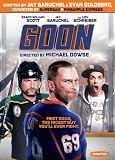
If there’s a single performance that best captures Scott’s post-mainstream recalibration, it’s Goon. As Doug Glatt, a hockey enforcer defined by kindness rather than intellect or ambition, Scott delivered something unexpectedly gentle. The role relied on physicality, yes, but it was rooted in empathy rather than aggression.
Goon didn’t redefine Scott’s career commercially, but it did redefine how he could be read onscreen. It suggested a performer comfortable with sincerity, even when surrounded by violence and crude humor.
Thrillers, Indies, and the Absence of Safety Nets
In smaller thrillers like Bloodline, Scott leaned into unsettling territory, shedding likability altogether. These were not career-calibrated choices designed to restore A-list status. They were roles that demanded commitment without offering insulation from failure.
Do these 3 things before closing this tab:
1Repair Windows errors before they cause bigger problems2Scan for outdated or missing drivers - takes under a minute3Clear out junk files and repair common Windows errorsThat willingness to risk discomfort, both for himself and the audience, marked a clear departure from the clean predictability of his early fame. The performances didn’t generate headlines, but they quietly expanded the boundaries of what he could do.
Underrated by Design
Scott’s post-hiatus work rarely arrived with marketing campaigns reminding audiences who he used to be. That absence of framing allowed his performances to exist on their own terms, even if it meant being overlooked. In retrospect, that invisibility feels less like neglect and more like intent.
Breaking the mold didn’t mean replacing Stifler with a new archetype. It meant dissolving the need for one altogether, one small, deliberate role at a time.
From Movie Star to Working Actor: Television Pivots, Voice Roles, and Lower-Profile Projects
As the industry shifted and Scott recalibrated his priorities, the most visible change wasn’t a single dramatic comeback—it was a gradual migration away from movie-star machinery. Studio comedies dried up, franchises moved on, and Scott began operating in a different register altogether. What emerged was not disappearance, but redistribution: smaller screens, quieter projects, and work that favored longevity over spotlight.
Television as a Pressure Release Valve
Television offered Scott something film no longer reliably did: room to exist without the weight of expectation. On Lethal Weapon, he stepped into a high-risk situation, replacing Clayne Crawford as one half of a beloved duo. Rather than attempting to replicate what came before, Scott adjusted the tone, softening the character and emphasizing steadiness over volatility.
The reception was mixed, but the move itself was telling. Scott wasn’t chasing cultural dominance; he was committing to the discipline of weekly work, ensemble storytelling, and a format that rewards consistency more than flash. It was the choice of a professional actor, not a brand caretaker.
Voice Acting and the Freedom of Anonymity
Animation and voice roles further distanced Scott from the baggage of his early image. His work as Crash in the Ice Age franchise became one of his most commercially successful endeavors, even as it required none of the physical performance or celebrity presence that once defined his appeal.
Voice acting allowed Scott to retain a foothold in mainstream entertainment without being visually typecast. It also underscored a recurring theme in his later career: a preference for the craft itself over recognition. When the face no longer has to sell the joke, the work becomes quieter—and often more sustainable.
Lower-Profile Films and the Value of Showing Up
In the years following his highest-profile roles, Scott appeared frequently in modest comedies, genre films, and indies that arrived without fanfare. These projects rarely positioned him as the center of a cultural moment, but they kept him working, experimenting, and visible to collaborators rather than audiences chasing nostalgia.
This phase also coincided with Scott’s openness about substance abuse struggles and recovery, a reality that reframed his career choices in a more human light. Stepping back from the relentless churn of studio expectations wasn’t retreat—it was recalibration. In that context, becoming a working actor rather than a perpetual movie star reads less like decline and more like survival.
Redefining Success Outside the Spotlight
Hollywood tends to measure relevance by volume and visibility, but Scott’s post-peak career resists that math. His resume from the 2010s onward reflects someone choosing stability, creative control, and personal health over reinvention-by-headline. That trade-off inevitably reduced his presence in pop culture conversations, even as it deepened his relationship with the work itself.
For audiences who grew up watching him dominate multiplex comedies, the shift can feel abrupt. But traced over time, it tells a quieter, more intentional story—one where stepping out of the spotlight wasn’t failure, but a conscious decision to keep going on his own terms.
Choosing Privacy Over Publicity: Why Seann William Scott Quietly Receded From the Spotlight
For an actor once synonymous with loud, outrageous comedy, Seann William Scott’s retreat from celebrity culture was strikingly calm. There was no public meltdown, no scorched-earth interview circuit, no dramatic farewell. Instead, his presence simply softened, thinning out across smaller projects and fewer appearances until the absence itself became the story.
That quiet recalibration was not accidental. As Scott moved further from the Stifler-era machine that helped define him, he also stepped away from the promotional ecosystem that sustains movie stardom. The work continued, but the noise around it did not.
A Deliberate Distance From Celebrity Culture
Unlike many of his contemporaries, Scott never cultivated a public persona beyond his roles. He avoided social media, rarely gave personal interviews, and showed little interest in maintaining visibility for its own sake. In an industry that rewards constant self-promotion, that restraint alone was enough to make him feel absent.
This distance created a feedback loop. Without headlines, audiences assumed he had disappeared; without audience demand, studios had little incentive to position him front and center. What looked like fading relevance was, in practice, a refusal to participate in the performance of fame.
Health, Recovery, and Reprioritization
Scott’s decision to seek treatment for substance abuse in the early 2010s marked a pivotal shift in how he approached his career. Recovery often requires removing oneself from high-pressure environments, and Hollywood’s spotlight can be unforgiving to anyone recalibrating their life. Choosing steadier, lower-profile work was as much about protection as it was about preference.
From that perspective, fewer blockbusters and quieter years were not setbacks. They were guardrails. The absence of tabloid visibility wasn’t secrecy—it was boundaries.
Television, Stability, and Controlled Visibility
When Scott did re-emerge in more visible ways, it was often through television, a medium that offered structure without the cultural intensity of studio comedy films. His run on Lethal Weapon and later work on Welcome to Flatch reflected a different rhythm: ensemble-driven, character-focused, and less reliant on marquee status.
Television also allowed him to work consistently without becoming a headline. It reinforced the idea that he wasn’t chasing a comeback narrative, but a sustainable career that fit the life he had chosen.
What’s actually slowing this PC down?
Pick the symptom - the matching free tool is one click away.
Why the Silence Felt Louder Than It Was
For audiences raised on late-’90s and early-2000s comedies, Scott’s reduced visibility felt personal. Stifler wasn’t just a character; he was a fixture of an era, and fixtures aren’t supposed to drift quietly offstage. When they do, it can feel like something has gone missing rather than simply moved on.
But Scott didn’t vanish. He opted out. In doing so, he challenged the assumption that relevance requires constant exposure, and that stepping back must signal failure. Sometimes, it’s just a different definition of success—one that values privacy over presence, and longevity over noise.
So, What Happened to Seann William Scott? Reframing His Career as Reinvention, Not Disappearance
The simplest answer is also the least dramatic: Seann William Scott didn’t disappear. He adjusted. What audiences interpreted as absence was really a recalibration away from the machinery that once defined his fame.
From Cultural Lightning Rod to Conscious Distance
Scott’s rise was fast, loud, and tightly bound to a very specific moment in pop culture. The early-2000s comedy boom didn’t just reward big personalities; it demanded repetition, and Stifler became a brand Hollywood wanted endlessly replicated.
Recommended Free Tools
Stepping back from that cycle wasn’t a failure to capitalize on fame. It was a recognition of its limits. Few actors escape a character that iconic without either being swallowed by it or intentionally creating distance.
Choosing Longevity Over Visibility
After American Pie, Scott experimented more than he’s often credited for, taking on action roles, darker comedies, and supporting parts that resisted easy categorization. Films like Goon and Just Before I Go showcased a performer interested in vulnerability, not volume.
These projects didn’t dominate the box office, but they expanded his range. They also suggested an actor less concerned with maintaining cultural dominance than with doing work that felt sustainable and honest.
Recovery as a Career Turning Point
Scott’s openness about seeking treatment reframes his quieter years in a crucial way. Recovery doesn’t align well with Hollywood’s demand for constant availability, self-promotion, and spectacle. Pulling back wasn’t a retreat from acting; it was an investment in being able to continue acting at all.
In that context, smaller roles and controlled environments weren’t concessions. They were survival strategies that prioritized health over momentum.
Redefining Success Outside the Spotlight
Television became a natural home because it offered routine without relentless scrutiny. Ensemble shows allowed Scott to contribute without carrying the weight of a franchise or becoming a nostalgia headline.
The industry often frames careers in terms of peaks and declines. Scott’s trajectory suggests a different model entirely, one where success is measured by stability, choice, and the ability to keep working without losing oneself.
The Legacy Looks Different Now
For fans revisiting American Pie or Road Trip, the question isn’t really where Seann William Scott went. It’s why we assumed he had to stay exactly where he was. Fame, after all, is not a contract—it’s a moment.
Scott’s career didn’t fade; it evolved quietly, deliberately, and on his terms. In an industry obsessed with constant reinvention for public consumption, his most radical move may have been choosing reinvention without an audience.
Quick Recap
Product prices and availability are accurate as of the date/time indicated and are subject to change. Any price and availability information displayed on Amazon at the time of purchase will apply.




