The title doesn’t include the exact quote, so I can’t tell which line you mean. If you’re asking about the novel’s closing sentence, its basic idea is that people keep striving for what they want while the past continues to pull them backward. Paste the line you have in mind for an explanation tailored to it.
Example: “So we beat on, boats against the current, borne back ceaselessly into the past.”
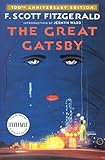
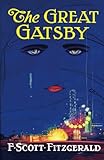
In plain English: we keep trying to move toward our hopes, but our memories and history keep drawing us back. The line closes F. Scott Fitzgerald’s The Great Gatsby, first published in 1925. Nick Carraway narrates it retrospectively, looking back on Gatsby and his desire to reunite with Daisy Buchanan.


How the image works
- “We beat on” suggests continued effort: people keep pressing forward.
- “Boats against the current” makes that effort difficult. The current resists the boats rather than carrying them toward their destination.
- “Borne back ceaselessly into the past” turns the image around: despite their effort, the boats are carried backward. The past is not simply something people leave behind.
The sentence therefore holds hope and limitation together. It is not just a message to never give up: the struggle continues, but forward motion is uncertain and the pull backward remains.
How it connects to Gatsby and the novel’s ending
Gatsby’s dream is personal: he wants to recover a life with Daisy. Nick’s final image widens that struggle into a reflection on human striving and the way the past shapes what people imagine they can become. Readers often connect that tension to the American Dream, but that is an interpretation of the novel, not a definitive statement of Fitzgerald’s personal beliefs.
The Tool Desk
Outbyte PC Repair FREERepair Windows errors before they cause bigger problemsFix Now →Outbyte Driver Updater FREEScan for outdated or missing drivers - takes under a minuteDriver Scan →#1 Best Overall
The green light and Gatsby’s pursuit can also be read as images of aspiration. In the ending, however, aspiration sits beside the current carrying the boats backward. The line’s force comes from that unresolved tension: wanting a future does not necessarily free someone from the past.
Independent reader supportYour contribution helps us test, update, and keep practical guides available for everyone.How to understand a different quote
If you meant another sentence, its meaning depends on who says or thinks it and what is happening around it. A useful close reading asks:
- Who is speaking? Separate a character’s words from Nick’s narration or reflection.
- Where does the line appear? Identify the chapter and the immediate scene.
- What image or word stands out? Translate the metaphor or unusual wording into a concrete idea.
- What changes around the line? Connect it to the scene without treating one sentence as the novel’s entire message.
Those steps help keep an interpretation grounded in the passage rather than turning it into a general slogan. Project Gutenberg provides the novel’s text in electronic formats; its U.S. record says the text is public domain in the United States. Read The Great Gatsby at Project Gutenberg. For chapter-by-chapter examples of quotations and interpretations, see College Transitions’ guide to important Great Gatsby quotes.
Quick Recap
Best Value

- It is easy to carry.
- The Great Gatsby (Deluxe Hardbound Edition) (Fingerprint! Classics)
Product prices and availability are accurate as of the date/time indicated and are subject to change. Any price and availability information displayed on Amazon at the time of purchase will apply.

