3/4 means there are three beats in each measure, and a quarter note gets one beat. It is called simple triple meter: each of those three beats can divide into two smaller pulses. Count it as “1, 2, 3” and begin again at the next bar line.
What the two numbers in 3/4 tell you
A time signature appears at the beginning of a passage to show how beats are organized. In 3/4, the top number indicates three beats per measure, while the bottom 4 means the quarter note receives one beat. These definitions are described in Texas A&M University’s Steps to Music Theory guide to simple meters.

The name for this arrangement is simple triple meter: “triple” refers to its three main beats, and “simple” means each beat can divide into two equal smaller pulses. The Open University explains the distinction between simple and compound time in its introduction to music theory.
How to count 3/4 time
Count the main beats evenly: “1, 2, 3; 1, 2, 3.” Each set of three numbers is one measure, and the count restarts at the next bar line. A waltz-like feel is a familiar illustration of three-beat grouping, but 3/4 describes the meter, not the genre; music in 3/4 is not necessarily a waltz.
Crashes, No Sound, or Screen Glitches?
Random freezes, missing sound and display glitches usually trace back to one bad driver. Find and replace yours safely.Free scan · under a minutePC Slower Than It Used to Be?
A free scan shows the junk files, broken settings and background clutter dragging Windows down - then fixes them in one click.Free scan · Windows 10 & 11#1 Best Overall

What notes fit in a 3/4 measure?
The time signature describes the measure’s beat structure, not a required number of note symbols. A measure can contain three quarter notes, one for each beat, or six eighth notes grouped into three pairs. In the latter case, count “1-and, 2-and, 3-and”: the eighth notes subdivide the three beats rather than creating six main beats. Rests and other note-value combinations can also fill the same duration. Germanna Community College’s March 2024 music theory handout covers how note values combine within measures.
Is 3/4 the same as 6/8?
No. Both signatures can contain six eighth notes in a measure, but they commonly group those notes differently. In 3/4, the usual pulse is three quarter-note beats, each divided into two eighth notes. In 6/8, the usual pulse is two dotted-quarter beats, each divided into three eighth notes. The difference is the grouping and feel, not simply how many eighth notes appear on the page.
Rank #2
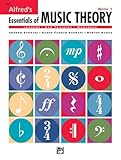
- An all-in-one music theory course designed for students of any age — whether listeners or performers — who want a solid understanding of the language of music
- Covers foundational concepts including staff, notes, pitches, clefs, time signatures, note values, dynamics, flats, sharps, and whole and half steps across 25 concise lessons
- Combines reading and writing exercises with ear-training support (CDs sold separately) and unit reviews to reinforce learning and test knowledge retention
- Compatible with optional computer software featuring randomized drilling and scorekeeping for interactive, self-paced study
- Part of a complete product line including Teacher's Answer Keys, Flash Cards, Double Bingo games, and Reproducible Teacher's Activity Kits for studio and classroom use
| Time signature | Common main-beat grouping | Subdivision of each main beat |
|---|---|---|
| 3/4 | Three quarter-note beats | Two eighth notes |
| 6/8 | Two dotted-quarter beats | Three eighth notes |
This is the usual beginner-level distinction; meter can involve more nuance in how music is performed. The Open University’s discussion of compound time explains why the top number should not always be read as the number of felt main beats.
Quick Recap
Best Value

- Format: Book & 2 CDs
- Category: Textbook - General
- Contributors: By Andrew Surmani, Karen Farnum Surmani, and Morton Manus
- Pub Date: 8/2004
- Series: Essentials of Music Theory
Rank #3

- Designed For Students Of Any Age.
- Provides A Better Understanding Of The Language Of Music.
- Learn The Essentials With Lessons And Exercises.
- Offers A Review Section At Each Ending To Test Your Knowledge.
Quick recap
- 3/4 has three beats in each measure.
- A quarter note gets one beat.
- It is simple triple meter, with each main beat dividing into two.
- Three quarter notes and six eighth notes are two possible ways to fill a measure.
- Count “1, 2, 3,” then restart at the next bar line.
Product prices and availability are accurate as of the date/time indicated and are subject to change. Any price and availability information displayed on Amazon at the time of purchase will apply.
Do these 3 things before closing this tab:
1Clear out junk files and repair common Windows errors2Scan for outdated or missing drivers - takes under a minute3Repair Windows errors before they cause bigger problems



