The Tool Desk
Outbyte PC Repair FREEClear out junk files and repair common Windows errorsFree Scan →Outbyte Driver Updater FREEFix the driver behind crashes, sound loss and screen glitchesFind Drivers →Nearly twenty years after Avatar: The Last Airbender ended, the franchise has re-entered a rare second life phase: one where nostalgia, new audiences, and long-term planning are finally aligned. The animated series never truly left the cultural conversation, but the 2020 streaming resurgence and Netflix’s live-action adaptation pushed it back into mainstream relevance. That renewed visibility created the conditions for something Avatar never had before — an organized, studio-backed expansion strategy.
The key turning point came with the launch of Avatar Studios at Paramount and Nickelodeon, led by original creators Michael Dante DiMartino and Bryan Konietzko. For the first time, the franchise has a dedicated production label focused entirely on expanding the Avatar universe across films and series, rather than one-off sequels or licensing experiments. That move signaled a shift from occasional follow-ups like The Legend of Korra to a multi-project roadmap designed to span generations, timelines, and formats.

At the same time, Avatar now exists in two parallel lanes that feed each other rather than compete. Netflix’s live-action series is introducing the world of bending to a new audience, while Avatar Studios’ animated projects are positioned as canon continuations and deep expansions of the original mythology. The result is a franchise that feels newly active but carefully managed — which makes understanding what’s officially coming, what connects to established canon, and what remains in development more important than ever.
Avatar Studios Explained: The New Creative Hub Behind All Future Canon
Avatar Studios exists to solve a problem the franchise never had to face before: scale. As Avatar: The Last Airbender grew from a beloved animated series into a multi-generational property, Nickelodeon and Paramount needed a centralized creative authority to protect continuity while expanding the universe. Avatar Studios is that authority, functioning as both a production label and a canon gatekeeper.
#1 Best Overall
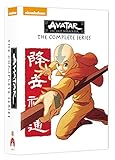
- Brand New in box. The product ships with all relevant accessories
Led by co-creators Michael Dante DiMartino and Bryan Konietzko, the studio was announced in 2021 with a clear mandate: develop new animated films and series set within the Avatar universe, all overseen by the original creators. This structure marks a fundamental shift from the past, where expansions like The Legend of Korra or tie-in comics were produced individually rather than as part of a long-term, interconnected plan.
What Avatar Studios Actually Controls
Avatar Studios is responsible for all new animated Avatar content moving forward, including theatrical films, streaming series, and limited projects. Anything produced under this banner is considered core canon, meaning it officially exists within the same continuity as Avatar: The Last Airbender and The Legend of Korra.
That includes stories set before Aang, between known eras, and after Korra. While publishing projects like novels and comics continue to expand the lore, Avatar Studios’ animated releases now sit at the top of the canon hierarchy, shaping the timeline rather than simply filling gaps.
How It Differs From Netflix’s Live-Action Avatar
One of the biggest points of confusion for fans is the relationship between Avatar Studios and Netflix’s live-action adaptation. The two are officially separate lanes. Netflix’s series is a reinterpretation of the original story, not a canon continuation, and it does not fall under Avatar Studios’ creative control.
Free tools Windows power users keep installed
One-click scans. No signup required.
Rather than competing, the projects serve different purposes. Netflix introduces new audiences to the world of bending, while Avatar Studios focuses on advancing the animated mythology longtime fans care about. Decisions made in live-action do not affect animated canon, and vice versa.
The Franchise’s New Timeline Strategy
Avatar Studios is designed to tell stories across multiple eras without locking itself into a single protagonist. Instead of another long-running sequel series immediately following Korra, the studio’s approach prioritizes variety: standalone films, shorter series, and focused character-driven projects.
This allows the franchise to explore major figures like Aang, Korra, and future Avatars while also spotlighting lesser-seen periods of history. It is a model closer to how Star Wars or the MCU manage their timelines, but with tighter creator oversight to avoid contradictions.
Confirmed Projects vs. Active Development
Not every Avatar Studios announcement carries the same level of certainty. Some projects, like the animated theatrical films, are officially dated and in production, while others are described as being in development without release windows. That distinction matters, especially for a franchise now planning years ahead.
Do these 3 things before closing this tab:
1Scan for outdated or missing drivers - takes under a minute2Clear out junk files and repair common Windows errors3Fix the driver behind crashes, sound loss and screen glitchesAvatar Studios has been deliberate about avoiding overexposure, spacing out releases rather than flooding the market. The goal is longevity, not volume, and understanding which projects are locked in versus still being shaped helps explain why information often arrives slowly but with intent.
The Animated Aang Movie (2026): What We Know, Timeline Placement, and Canon Status
The first major release from Avatar Studios is an animated theatrical film centered on Aang, scheduled for 2026. This project is not a reboot or side story; it is a direct continuation of the original animated canon created by Michael Dante DiMartino and Bryan Konietzko.
For longtime fans, this movie is positioned as the true next chapter for Team Avatar, answering questions the original series deliberately left open while staying faithful to its tone and mythology.
Where the Movie Fits in the Timeline
The film is set after the end of Avatar: The Last Airbender but well before The Legend of Korra. Aang and his friends are depicted as young adults, no longer children, but not yet the fully realized legends referenced in Korra’s era.
What’s actually slowing this PC down?
Pick the symptom - the matching free tool is one click away.
This placement allows the story to explore Aang’s early years as a fully realized Avatar, navigating peacekeeping, political responsibility, and the consequences of ending the Hundred Year War. It also bridges a long-standing gap in the timeline that fans have only partially seen through comics and flashbacks.
Which Characters Are Involved
The movie focuses on Aang, Katara, Sokka, Toph, and Zuko as a core group, with the intent of showing how their relationships evolve beyond the war. These are not cameos or nostalgia beats; the film is built around them as adults shaping the future of the world they saved.
While full casting details have not been officially revealed, Avatar Studios has confirmed that the characters will be aged up, which means new voice actors will portray these older versions rather than recasting the original child performers.
Canon Status and Creative Control
This film is fully canon. It exists in the same continuity as the original animated series, The Legend of Korra, and the official Avatar comics. Events introduced here will matter going forward and are expected to inform future projects set in both earlier and later eras.
Crashes, No Sound, or Screen Glitches?
Random freezes, missing sound and display glitches usually trace back to one bad driver. Find and replace yours safely.Free scan · under a minuteWindows Errors? Fix Them Before They Spread
Repair common Windows errors and clear accumulated junk for a smoother, more stable PC - no reinstall needed.Free scan · no reinstallCrucially, the movie is developed under Avatar Studios with DiMartino and Konietzko directly involved. That creative oversight is what separates this project from adaptations or reinterpretations and makes it foundational to the franchise’s future.
What This Movie Is and Is Not
The Aang movie is not a replacement for a fourth season of The Last Airbender, nor is it designed as a standalone epilogue. Instead, it functions as the first pillar in Avatar Studios’ long-term storytelling plan, establishing how theatrical films can expand the universe without contradicting existing lore.
It is also entirely separate from Netflix’s live-action adaptation. Story choices made here do not reflect or respond to changes in the live-action series, reinforcing that the animated timeline remains the definitive canon moving forward.
Why This Release Matters for the Franchise
By leading with Aang, Avatar Studios is grounding its new era in familiarity while signaling confidence in telling forward-moving stories. The movie reassures fans that the studio’s priority is continuity, character growth, and meaningful progression rather than endless retellings.
Recommended Free Tools
Rank #2

- Genre:TV Shows Type:Cloak
- MPN:59172274000 Release Date:10/06/2015 EAN:0032429228420 Rating:NR
- Rating:NR UPC:032429228420
As the first animated theatrical feature in the franchise’s history, it also sets expectations for scale, ambition, and narrative weight. Everything that follows, whether films about Korra, future Avatars, or unexplored eras, will be measured against the foundation this movie establishes.
Future Animated Films After Aang: Which Avatars and Eras Are Likely Next
With the adult Aang film positioned as the opening move, Avatar Studios has been clear that this is not a one-off experiment. Multiple animated films are officially in development, and while titles and release dates remain under wraps, the studio has openly discussed exploring different Avatars, eras, and tones.
What follows Aang is less about direct sequels and more about expanding the timeline in strategic, canon-respecting ways. The choices Avatar Studios makes next will determine how the franchise balances legacy characters with entirely new storytelling territory.
A Korra-Centered Film Is the Most Logical Next Step
Among fans and industry watchers, a Korra-focused animated film is widely considered the most likely follow-up. The Legend of Korra ended in 2014, but its characters, political themes, and unresolved world dynamics remain fertile ground for cinematic storytelling.
An older Korra, dealing with the long-term consequences of opening the Spirit Portals and reshaping global power structures, fits perfectly with Avatar Studios’ stated interest in aged-up characters. Such a film would also bridge the tonal gap between Aang’s era and whatever comes next, reinforcing Korra’s importance in the canon rather than sidelining her.
Importantly, this would not be a revival of the television series. Like the Aang movie, it would function as a narrative advancement, not a retread, expanding Korra’s legacy in ways the episodic format never allowed.
The Next Avatar After Korra: A New Era, New Stakes
Perhaps the most anticipated possibility is a film centered on the Avatar who follows Korra. This would mark the franchise’s first on-screen introduction of a completely new Avatar cycle protagonist outside of television.
A post-Korra world raises immediate questions about technology, spirituality, and global balance. How does the Avatar function in a society that may be even more modernized, skeptical, or fractured than Korra’s? These are big, cinematic ideas that align naturally with theatrical storytelling.
While no official announcement has confirmed this project, Avatar Studios has repeatedly emphasized interest in future Avatars. If realized, this film would likely serve as a soft starting point for new audiences while remaining deeply rooted in established lore.
Revisiting Past Avatars: Kyoshi, Roku, and Beyond
Another strong possibility lies in exploring Avatars from the distant past. Characters like Avatar Kyoshi and Avatar Roku already have extensive backstories through novels and the original series, making them ideal candidates for adaptation.
A Kyoshi film, in particular, feels especially viable. Her morally complex decisions, brutal sense of justice, and longer lifespan lend themselves to a darker, more mature animated feature that still fits within canon. Such a project could adapt existing novel material or tell entirely new stories set between known events.
These films would not replace the novels but rather complement them, reinforcing that all officially produced animated content exists on the same narrative level as the books and shows.
What Avatar Studios Has and Has Not Confirmed
Avatar Studios has officially confirmed multiple animated films are in development beyond the Aang project. What they have not done is lock in subjects, timelines, or release order publicly.
This ambiguity is intentional. It allows the studio to respond to audience reception, production realities, and creative priorities without contradicting earlier statements. Fans should treat specific claims about Kyoshi, Korra, or the next Avatar as informed speculation rather than confirmed announcements.
What is clear is the philosophy guiding these films. Each one is designed to expand the canon, not fragment it, and to explore eras that television alone could not fully realize.
Netflix’s Live-Action Avatar: Season 2, Season 3, and How Faithful It Plans to Be
Alongside Avatar Studios’ animated slate, Netflix’s live-action Avatar: The Last Airbender remains one of the most visible and, for many fans, most debated projects in the franchise. Unlike the animated films, this series exists as a parallel retelling rather than a canonical continuation, which shapes both its creative freedom and its limitations.
Quick wins for a faster PC:
Fix the driver behind crashes, sound loss and screen glitchesFind Drivers →Clear out junk files and repair common Windows errorsFree Scan →Scan for outdated or missing drivers - takes under a minuteDriver Scan →What matters most for viewers is clarity: how many seasons are planned, what story they will cover, and how closely they intend to follow the original animated series.
Season 2 and Season 3 Are Officially Greenlit
Netflix has officially renewed Avatar: The Last Airbender for both Season 2 and Season 3. Together, these seasons are designed to complete the full three-book structure of the original show, with Season 2 adapting Book Two: Earth and Season 3 adapting Book Three: Fire.
This confirmation is significant because it signals a long-term commitment to finishing Aang’s story rather than abandoning it mid-journey. From a production standpoint, it also allows the creative team to plan character arcs, casting, and visual effects with a defined endpoint in mind.
While no release dates have been announced for either season, Netflix has framed the project as a complete trilogy of seasons rather than an open-ended series.
How Closely Will It Follow the Original Series?
Netflix and the show’s producers have been clear that the live-action series is not a scene-for-scene remake. Instead, it aims to be a faithful adaptation of the core narrative while adjusting pacing, tone, and structure for an older-skewing, hour-long format.
Major story beats, character relationships, and endgame arcs are expected to remain intact. However, some episodic adventures, comedic detours, and tonal shifts from the animated series may be condensed, restructured, or removed to maintain narrative momentum.
The intent, according to Netflix, is respect rather than replication. The series wants to feel recognizably Avatar without being constrained by the exact rhythms of a 2000s animated show.
Changes in Tone, Aging Characters, and Narrative Streamlining
One of the most noticeable differences in the live-action adaptation is tone. The Netflix series leans more heavily into the seriousness of war, imperialism, and loss, often playing moments straighter than the animated version did.
Windows Errors? Fix Them Before They Spread
Repair common Windows errors and clear accumulated junk for a smoother, more stable PC - no reinstall needed.Free scan · no reinstallCrashes, No Sound, or Screen Glitches?
Random freezes, missing sound and display glitches usually trace back to one bad driver. Find and replace yours safely.Free scan · under a minuteCharacters are also portrayed with slightly more emotional maturity, even if their canonical ages remain similar. This affects dynamics like Aang’s burden as the Avatar, Katara’s grief and resolve, and Zuko’s internal conflict, which are framed with less overt levity.
Season 2 and Season 3 are expected to continue this approach, especially as the story moves into darker territory with Ba Sing Se, the Day of Black Sun, and the Fire Nation’s final campaign.
Canon Status and How It Fits With Avatar Studios
Importantly, Netflix’s live-action Avatar is not considered canon to the animated universe overseen by Avatar Studios. The animated series, The Legend of Korra, the novels, and the upcoming animated films all share a single continuity that the live-action show does not alter.
That separation is deliberate. It allows the Netflix series to reinterpret events without creating contradictions for future animated projects, including adult Aang stories and post-Korra timelines.
Quick wins for a faster PC:
Clear out junk files and repair common Windows errorsFree Scan →Scan for outdated or missing drivers - takes under a minuteDriver Scan →For fans, the simplest way to view it is this: the live-action Avatar is an alternate version of a familiar legend. It runs alongside the core canon, not through it, offering a different lens on a story that many already know by heart.
How The Legend of Korra Fits Into Future Plans (And Whether It Will Continue)
With multiple Avatar projects officially announced, many fans are wondering where The Legend of Korra fits into the franchise’s future, and whether Korra herself will return in a new series or film.
The short answer is that Korra remains fully canon and foundational to Avatar Studios’ long-term plans. The longer answer is more nuanced, especially when it comes to what kind of continuation, if any, is realistically on the table.
Korra Is Canon, Complete, and Still Central to the Timeline
The Legend of Korra is the direct sequel to Avatar: The Last Airbender and occupies a crucial place in the animated canon. Its four seasons, which aired from 2012 to 2014, fully tell Korra’s story from her emergence as the Avatar to her role in reshaping the spirit and human worlds.
Avatar Studios has never suggested that Korra’s ending is being retconned, rebooted, or undone. On the contrary, all official statements reinforce that Korra, like Aang, is a completed Avatar cycle whose legacy informs everything that comes after.
That includes the state of the Spirit World, the political evolution of Republic City, and the emotional and thematic groundwork for the next Avatar after Korra.
No Confirmed Korra Sequel Series — But No Door Is Closed
As of now, there is no officially announced fifth season of The Legend of Korra or a direct sequel series centered on Korra as the lead. Avatar Studios has been clear that its immediate focus is on animated films and new series set at different points in the timeline, rather than extending Korra’s television run.
That does not mean Korra is off the table entirely. Studio leadership has repeatedly emphasized a desire to explore the Avatar universe across eras, which leaves room for Korra to reappear in films, limited stories, or crossover-style projects.
In other words, Korra’s story is finished, but Korra as a character is not retired from the franchise.
How Upcoming Animated Films May Connect to Korra
The first confirmed animated film from Avatar Studios is set to focus on Aang and his friends as adults, taking place after The Last Airbender and well before The Legend of Korra. This positions Korra downstream in the timeline rather than at the forefront of the current slate.
Rank #4

- LEARN THE BASIC ELEMENTS OF MAGIC—Your Magic: The Gathering journey begins with a friend beside you! Play your first game in a guided battle of Aang versus Zuko. Choose your side and send your forces to your opponent while learning essential gameplay lessons
- GUIDED LEARN-TO-PLAY EXPERIENCE—Start by playing a tutorial game with two 20-card decks, each with a step-by-step guide booklet that will walk you through your first game
- CREATE THEMED DECKS—Once you’ve conquered the basics, master the remaining elements by combining any two of the eight 20-card half-decks into a full 40-card Avatar: The Last Airbender-themed deck; mix and match to try different combos!
- EVERYTHING YOU NEED TO PLAY—This Beginner Box includes everything you and a friend need to play, including 2 Playboards that will show you where to place your cards, 2 Spindowns to track your life totals, and 1 Rules Reference booklet to answer any questions you have along the way
- WELCOME TO THE GATHERING—Magic: The Gathering is a collectible card game that weaves deep strategy, gorgeous art, fantastical stories, and a thriving fan community all together into a card game experience like no other
However, additional animated films are in development, and they are expected to explore different eras. That could include stories set during Korra’s lifetime or even after her era, showing the long-term consequences of her decisions as Avatar.
This approach mirrors how Star Wars treats legacy characters: not every project centers on them, but their influence shapes the world.
Recommended Free Tools
Potential Future Eras: Post-Korra and the Next Avatar
One of the most intriguing possibilities is a series set after The Legend of Korra, following the next Earth Kingdom Avatar. This would allow Avatar Studios to move the timeline forward while keeping Korra present in a mentor role, similar to how Aang appeared to Korra.
This direction has not been officially confirmed, but it aligns with the studio’s stated interest in expanding the universe rather than circling the same story beats. It also avoids undoing Korra’s ending while still keeping her emotionally and spiritually relevant.
If and when this happens, Korra’s presence would likely be meaningful but not dominant, reinforcing her place in the Avatar lineage rather than reopening her personal arc.
Why Korra’s Role Feels Quieter Right Now
Part of the confusion surrounding Korra stems from timing. The franchise is currently balancing nostalgia-driven projects, like adult Aang stories, with the need to introduce fresh entry points for new fans.
Free tools Windows power users keep installed
One-click scans. No signup required.
Korra sits between those goals. She is beloved by longtime viewers, but her era is less immediately recognizable to casual audiences than the original Team Avatar.
Rather than sidelining her, Avatar Studios appears to be positioning Korra as a pillar of the canon whose full importance will become clearer as the timeline continues to expand.
Independent reader supportYour contribution helps us test, update, and keep practical guides available for everyone.Confirmed vs. Rumored Projects: Separating Official Announcements From Fan Speculation
With multiple studios, platforms, and timelines in play, it has become increasingly difficult for fans to tell what is officially happening in the Avatar universe and what is simply wishful thinking. Social media leaks, misinterpreted interviews, and recycled headlines often blur the line between confirmation and conjecture.
This is where clarity matters most. Avatar Studios has been deliberate about what it announces publicly, and anything outside those statements should be treated cautiously until backed by Nickelodeon or Paramount.
The Tool Desk
Outbyte Driver Updater FREEFix the driver behind crashes, sound loss and screen glitchesFind Drivers →Outbyte PC Repair FREEClear out junk files and repair common Windows errorsFree Scan →Officially Confirmed by Avatar Studios and Paramount
The cornerstone of the current slate is the animated theatrical film centered on Aang and the original Team Avatar as adults. This project is fully confirmed, in active development, and intended as the first major release under the Avatar Studios banner.
Beyond that, Avatar Studios has confirmed that multiple animated films are in development, designed to explore different eras of the Avatar timeline. While specific protagonists and time periods have not been publicly named, the intent to expand beyond Aang has been clearly stated.
On the live-action side, Netflix’s Avatar: The Last Airbender is officially moving forward with additional seasons, continuing its retelling of the original series. These seasons are adaptations, not new canon branches, and they exist separately from Avatar Studios’ animated continuity.
Projects in Development but Not Yet Defined
Several animated series are reportedly in early development at Avatar Studios, but none have been formally announced with titles, release windows, or central characters. This includes potential shows aimed at younger audiences and others designed to deepen lore for longtime fans.
What’s actually slowing this PC down?
Pick the symptom - the matching free tool is one click away.
Crucially, development does not equal greenlight. Until Avatar Studios publicly identifies a project, its place in canon, timeline, and release order remains undefined, even if industry insiders suggest otherwise.
This ambiguity is intentional. The studio has emphasized long-term planning over rapid announcements, preferring to lock in creative direction before revealing details.
Persistent Rumors That Have Not Been Confirmed
Despite frequent online claims, there has been no official confirmation of a standalone Korra movie, a direct Legend of Korra sequel series, or a show focused exclusively on Korra later in life. These ideas remain popular among fans, but popularity does not equal production.
Similarly, rumors of an immediate post-Korra series following the next Avatar have circulated for years without formal backing. While this concept aligns with the franchise’s mythology, it has not been announced as an active project.
Video game tie-ins, anime-style spinoffs, and crossover projects are also frequently cited in rumor cycles, often based on outdated trademark filings or misread corporate statements. None of these have been confirmed as part of the current slate.
How to Read Future Announcements Without the Noise
The safest rule is simple: if it does not come directly from Avatar Studios, Nickelodeon, or Paramount, it is not official. Teaser language about “expanding the universe” signals intent, not specific releases.
Best Value
![Avatar Aang: The Last Airbender [DVD]](https://m.media-amazon.com/images/I/41I4y6wgqnL._SL160_.jpg)
- Avatar Aang: The Last Airbender [DVD]
Avatar has entered a phase similar to other legacy franchises, where long-term worldbuilding invites speculation by design. That speculation can be fun, but it should not be mistaken for a roadmap.
As more projects are formally revealed, the gaps between rumor and reality will narrow. Until then, understanding what has actually been announced is the key to enjoying what comes next without unnecessary confusion.
Do these 3 things before closing this tab:
1Scan for outdated or missing drivers - takes under a minute2Clear out junk files and repair common Windows errors3Fix the driver behind crashes, sound loss and screen glitchesThe Big Picture Timeline: How All Upcoming Avatar Releases Connect Across Eras
With multiple animated films, a new animated series, and live-action seasons all in motion, the Avatar franchise is no longer moving in a straight line. Instead, Avatar Studios is building outward across eras, using different formats to explore different points in the timeline without overwriting what came before.
The key to understanding what’s coming next is recognizing that these projects are not sequels in a single chain. They are era-specific expansions, each designed to deepen a distinct chapter of the Avatar world while remaining canon to the original animated continuity.
The Aang Era: Filling in the Gaps After the War
The clearest anchor point is the first animated theatrical film from Avatar Studios, set to focus on Aang and his friends as young adults. This story takes place after the events of Avatar: The Last Airbender, but well before The Legend of Korra, occupying a long-sought-after gap in the timeline.
This era allows the franchise to explore how the Gaang transitioned from wartime heroes to world leaders. The formation of Republic City, early Fire Nation reconciliation, and the personal costs of peace all logically live here, making this film a connective bridge between the two classic series.
While two additional animated films have been confirmed in development, their specific eras have not yet been announced. Avatar Studios has only stated that these films will be set in different periods of the universe, suggesting a deliberate strategy to avoid overloading a single timeline.
The Korra Era: A Closed Story, For Now
Importantly, none of the currently announced animated films are confirmed to be set during Korra’s lifetime. The Legend of Korra remains a complete narrative, and Avatar Studios has been careful not to frame any upcoming project as a direct continuation of her story.
That does not mean the Korra era is off-limits forever. It simply means that, at present, it is being treated as a finished chapter whose consequences echo forward rather than a storyline in need of immediate extension.
This restraint helps preserve Korra’s ending while giving future creators room to revisit the era with purpose instead of obligation.
The Next Avatar: Moving the Timeline Forward
The most significant leap comes from the newly announced animated series set after The Legend of Korra, centered on the next Avatar in the cycle. This project represents the franchise’s first official step beyond Korra’s lifetime and establishes a new status quo for the world.
Set in a more modernized era shaped by Korra’s decisions, the series reframes the Avatar’s role in a world that may no longer want or trust a single spiritual authority. Rather than nostalgia, this show is positioned as a forward-looking evolution of the mythology.
Crucially, this series is canon and part of the main animated timeline, making it one of the most consequential releases in the franchise’s history.
Live-Action Exists on a Parallel Track
Netflix’s live-action Avatar: The Last Airbender operates alongside, not within, this animated timeline. Seasons two and three will continue adapting the original series, but they do not alter animated canon or dictate future animated storytelling.
This separation allows Avatar Studios to build long-term continuity without being constrained by adaptation choices. Viewers can enjoy the live-action version as a reinterpretation while understanding that the animated projects remain the definitive narrative spine.
A Franchise Built Across Time, Not in Order
Rather than moving chronologically from project to project, Avatar’s future is being assembled like a mosaic. Each release fills in a different era, answering old questions while introducing new ones, without demanding that audiences follow a single linear path.
This approach mirrors the Avatar Cycle itself: history matters, past lives echo forward, and no era exists in isolation. For fans, that means clarity comes not from release dates, but from understanding where each story sits in the world.
Taken together, the upcoming slate signals something important. Avatar is no longer just continuing — it is curating its own legacy, one era at a time.
Recommended Free Tools
Quick Recap
Product prices and availability are accurate as of the date/time indicated and are subject to change. Any price and availability information displayed on Amazon at the time of purchase will apply.