Windows Errors? Fix Them Before They Spread
Repair common Windows errors and clear accumulated junk for a smoother, more stable PC - no reinstall needed.Free scan · no reinstallOutdated Drivers Are Slowing You Down
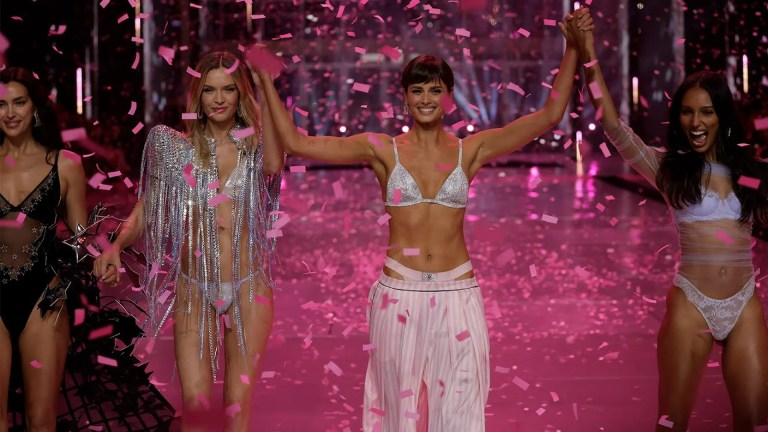
One free scan finds every outdated or missing driver and matches the right update for your exact hardware.Free scan · exact hardware matchTransgender models are changing fashion by making their presence visible on runways and in campaigns, while also challenging who gets cast, how identity is handled, and what brands owe the people they represent. But a headline-making appearance is not proof that inclusion has become broad or lasting: representation depends on agency, opportunity beyond a single booking, and the practices behind the image.
Visibility matters—but it does not tell the whole story
For Alex Consani, visibility is personal as well as professional. In a December 2025 Vogue profile, she said she signed with a Los Angeles agency for trans models at age 12 and wanted to become someone she had not seen in magazines. That experience gives representation a concrete meaning: seeing a possibility that had previously been absent.





Consani also resists having every accomplishment reduced to her identity. “My identity is a part of who I am, but it doesn’t make me who I am,” she told Vogue. That distinction matters: a model can be visible as a transgender person without being treated as though identity is the only relevant part of her work.
Runway and editorial visibility can broaden ideas about who fashion pictures are for. Yet a single prominent casting, profile, or campaign cannot establish whether transgender talent has access to sustained work or whether a brand’s everyday decisions have changed.
#1 Best Overall
Who gets cast—and how they are categorized
Representation is shaped not only by which models appear, but also by the systems that find, label, and present them. A Vogue interview describes a non-binary model being asked for pronouns and placed on men’s, women’s, and non-binary agency boards—an arrangement the interview characterized as uncommon. Such practices can give models more room to work across categories rather than forcing a single route into the industry.
Clothing and styling do not, by themselves, reveal a model’s gender identity. A gender-nonconforming or androgynous look may be created for a model of any identity, and a casting decision is not evidence that the person cast is transgender or non-binary. The Associated Press report on Paris menswear describes fashion blurring gender presentation while noting that categories remain legible. Image, identity, and inclusion are connected, but they are not interchangeable.
Model Stav Strashko captured the industry’s evolving visual language in a British Vogue interview: “Fashion is changing the way it looks at gender.” That shift in presentation can open creative possibilities, but it does not automatically change who has power over casting or whose work continues after a moment attracts attention.
Representation has to extend beyond the runway
Leyna Bloom has argued for transgender participation throughout fashion, not just in front of the camera. In an interview reproduced by British Vogue, she said: “It’s important to have transgender representation on the Victoria’s Secret runway, on every runway, and in every human sphere, in and outside of fashion.” Her point reaches beyond a single show: fashion is an ecosystem of talent and labor, including production, advertising, and other roles.
Do these 3 things before closing this tab:
1Repair Windows errors before they cause bigger problems2Fix the driver behind crashes, sound loss and screen glitches3Clear out junk files and repair common Windows errorsThat broader view helps distinguish an image of inclusion from inclusion as a working condition. A brand may feature a transgender model in a campaign; a deeper question is whether transgender people are also present in other parts of the business and whether opportunities persist beyond one highly visible booking.
Rain Dove, a model and inclusivity consultant, describes assessing a company’s conduct before agreeing to work with it. In a Vogue interview, Dove said: “Showing that it is profitable to be ethical is the best way, I think, to make capitalistic people change their policies.” That approach makes collaboration itself part of the conversation: a model’s visibility can carry influence, but the terms and context of the work matter too.
Rank #4
What the numbers do—and do not—show
One widely cited historical measure offers a limited snapshot. A British Vogue article published on 19 May 2019 reported that openly transgender women and non-binary models together made up 0.77 per cent of runway models in the season it examined. The figure combines two groups and describes that historical season; it is not a current estimate of transgender representation alone.
There is no comparable current transgender-only dataset in the cited reporting for major runway seasons or fashion campaigns. A 2026 academic article describes research into gender diversity in fashion as embryonic and notes that the UK Fashion DEI Report published in 2024 did not mention transgender people. The available evidence therefore supports discussion of individual experiences and specific historical reporting, not a confident claim about the industry-wide share today.
Free tools Windows power users keep installed
One-click scans. No signup required.
Other inclusion measures should not be mistaken for gender-identity data. For example, Vogue Business reported that its review of 8,763 looks across 208 Spring/Summer 2025 shows and presentations found 0.8 per cent plus-size, 4.3 per cent mid-size, and 94.9 per cent straight-size looks. Those figures concern clothing size, not transgender representation.
How to judge whether change is taking hold
Rather than treating a high-profile appearance as a verdict on the industry, consider what kind of opportunity it represents and what surrounds it. These are useful questions, not a standardized score:
- What kind of work is it? A runway booking, advertising campaign, editorial, and consulting role offer different forms of visibility and influence.
- How much agency does the model have? Consider whether the person’s identity, pronouns, and presentation are handled with care, and whether the model has a say in how they are styled and described.
- Is the opportunity sustained? A one-off casting shows presence at that moment; repeated opportunities across work and seasons would indicate a different pattern.
- Do brand practices support the image? As Bloom and Dove’s perspectives suggest, representation can be considered alongside who works across production and advertising and how a company conducts itself.
These questions keep two truths in view: transgender models can expand fashion’s imagination and claim space on their own terms, while the broader durability of that change remains difficult to measure with the available industry-wide data.
Quick Recap
Product prices and availability are accurate as of the date/time indicated and are subject to change. Any price and availability information displayed on Amazon at the time of purchase will apply.