For a budget-conscious first roll, choose a film-tested Canon 310XL or 514XL; for a vintage camera with more purchase support, consider a rebuilt Pro8mm Pro518 or Pro814; and for a new camera with modern controls, the KODAK Super 8 Camera is the clearest option—at a much higher price. A vintage model’s condition matters more than its name: a camera that powers on may still have an inaccurate meter or faulty film transport. If you are not ready to buy, renting a tested camera is a lower-commitment way to try the format.
Quick comparison: which Super 8 camera suits you?
| Camera | Best for | Exposure and lens | Sound approach | Price signal | Main caution |
|---|---|---|---|---|---|
| KODAK Super 8 Camera | A buyer who wants new hardware and a modern interface | Manual focus and iris; included 6 mm f/1.2 C-mount lens | Separate WAV audio recorded to SD card | U.S. B&H listing was $5,495 on August 16, 2026 | Expensive; B&H listing stated it could not be returned |
| Canon 310XL | A compact, simple vintage starter | Vintage camera; verify the specific unit’s meter and operation | Plan to record audio separately | Pro8mm listed rebuilt 310XL or 514XL cameras from $495 | Recommendation applies to tested or serviced examples, not unverified bargains |
| Canon 514XL | A compact general-purpose camera with a fast zoom | Historical Canon specification: 9–45 mm f/1.4 zoom, manual focus and macro | Plan to record audio separately | Pro8mm listed rebuilt 310XL or 514XL cameras from $495 | Historical specifications do not establish the condition of a used unit |
| Pro8mm Pro814 | A buyer who wants a capable vintage camera rebuilt and film-tested | Rebuilt Canon 814 AZ; confirm configuration with seller | Separate audio is the practical current workflow | Pro8mm listed it at $1,495 | Vintage-based, made-to-order status may mean a wait |
| Pro8mm Pro518 with Meter Mod | A serviced vintage middle ground | Meter-modified; confirm exact configuration | Plan to record audio separately | Pro8mm listed it from $695 | “From” price and model-level specifications vary |
Price and availability signals above are U.S. listings observed August 16, 2026, not guaranteed current offers. Check the seller’s listing for the exact configuration, included items, warranty, returns and stock. Pro8mm’s camera selection is at its Super 8 camera collection; the Kodak listing is at B&H.
What makes a good beginner Super 8 camera?
Super 8 is a motion-picture film format loaded in cartridges rather than by threading loose film. A standard cartridge contains 50 feet (15 meters), which gives roughly 3 minutes 20 seconds at 18 fps, 2 minutes 30 seconds at 24 fps, 2 minutes 24 seconds at 25 fps, or 1 minute 40 seconds at 36 fps. After shooting, you send the film to a lab for processing and usually scanning; the camera does not make an editable digital video file. Kodak describes the cartridge format and independent lab processing on its Super 8 camera page.
For a first camera, prioritize dependable film transport, a meter you can trust, straightforward controls, practical batteries, and access to service. A fast lens can help in dim conditions, but it does not guarantee a usable low-light image: film stock, exposure accuracy, lighting, processing and scanning all matter. With a vintage camera, testing and service history often matter more than the original feature list.
Recommended Free Tools
#1 Best Overall
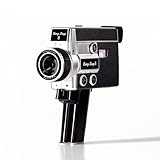
- 【2.7K Video Recording】Record stunning 2.7K videos at 30 frames per second with Camp Snap CS-8, providing crisp, clear images, perfect for vlogining, family moments and adventure videos. Enjoy high-quality video without distractions and screen.
- Configurable filters and creative fun - Unleash your creativity with 5 configurable movie-inspired filters to add a personal, cinematic style to your football. Capture unforgettable moments with time lapse, self-timer and anti-shock features for smooth and stunning videos of every time.
- 8X digital zoom and f/2.0 sensor: Zoom in with 8X digital zoom for clear, detailed close-ups. The f/2.0 sensor captures vivid images with clarity even in low light conditions, making your photos more vivid.
- Możliwość ładowania USB-C i rozszerzalna pamięć masowa: Ciesz się szybszym ładowaniem za pomocą USB-C i większą pamięci dzięki fabrycznie zainstalowanej karcie SD 4 GB, która można rozszerzyć do 128 GB, aby przechowywać wszystkie chwile.
- Easy to carry: Designed for simplicity and convenience, this compact camera fits perfectly in your pocket or bag. The easy-to-grip handle makes you always ready to capture memories on the go without the hassle.
- Film transport: a slipping or failed mechanism can waste the cartridge.
- Meter and exposure: incorrect exposure may not become obvious until after processing.
- Battery and electronics: corroded contacts, missing covers and obsolete accessories can complicate use.
- Lens and controls: check glass, focus, zoom and aperture operation rather than relying on a seller’s description.
- Purchase confidence: film testing, a return window, warranty and documented service reduce uncertainty.
- Sound workflow: current Super 8 sound film with a magnetic strip is no longer manufactured, according to Pro8mm; most beginners should plan to record sound separately.
1. KODAK Super 8 Camera: best new camera and modern workflow
Why choose it
This is the shortlist’s genuinely modern mass-market option. It accepts standard Super 8 cartridges and includes a 6 mm f/1.2 C-mount lens, manual focus and iris, a built-in meter, and a 4-inch swiveling LCD viewfinder. Kodak lists 18, 24, 25 and 36 fps, with crystal synchronization at 24 and 25 fps. It can record separate WAV audio to an SD card and has an external microphone input. The rechargeable integrated battery takes about 3.5 hours to charge; Kodak specifies operation for about 10 cartridges per charge. These are manufacturer specifications, not independent runtime results. See Kodak’s datasheet and product page.
Its LCD, modern charging and audio monitoring can make setup less frustrating than with an aging camera and a dim optical viewfinder. Kodak also says the camera’s extended gate captures approximately 11% more image area than traditional Super 8. That may affect framing and post-production, so check the intended lab or editing workflow if matching ordinary Super 8 framing matters.
What to weigh before buying
- At $5,495 in the U.S. B&H listing checked August 16, 2026, it is a major investment before buying film, processing and scans.
- It is not point-and-shoot: focus and iris are manual, so a beginner must learn both.
- Kodak does not include a built-in ND filter, and the LCD may be hard to see in bright sunlight.
- Audio is recorded separately to an SD card, not onto the film.
- B&H’s listing stated that the item could not be returned. Confirm the current return policy, stock and warranty before ordering.
The listed package included a TRI-X black-and-white reversal cartridge, lens, battery, pistol grip and case. Specifications and purchase information are on the B&H specifications page. Kodak’s purchase information identifies U.S. buying options at its purchase page.
2. Canon 310XL: best simple, compact vintage starter
Why choose it
The 310XL is a recognized Super 8 model that remains in Pro8mm’s rebuilt-camera and repair ecosystem. Its appeal for a first roll is a compact, comparatively straightforward vintage camera at far less than the new Kodak’s price. Pro8mm listed rebuilt Canon 310XL or 514XL cameras from $495 when checked August 16, 2026; that is a vendor’s starting price, not a general market value for every used 310XL.
What to check
Buy a film-tested or serviced unit if possible. Vintage electronics and mechanics can fail; a meter may be inaccurate, battery solutions may be missing, and a motor demonstration without film does not prove that the camera transports and exposes film correctly. A low sticker price can also be offset by repair, shipping and a wasted test cartridge. See Canon’s Camera Museum entry for historical model information and Pro8mm’s current serviced-camera listings for its rebuilt offering.
Rank #2

- Capture in 4 unique aspect ratios: 9:16 (Reels), 16:9 (Widescreen), 1:1 (Squares), 4:3 (Classic)
- Enhance videos with built-in film-style filters
- Start recording instantly by pulling the trigger
- Built-in microphone for audio, with optional jack for external mic
- Initial memory: 4GB SD card for approximately 30 minutes of footage
3. Canon 514XL: best compact all-purpose vintage option
Why choose it
Canon’s historical specification lists a 9–45 mm f/1.4 zoom, a 5× zoom ratio, manual focus from 1.2 meters to infinity, macro capability, powered and manual zooming, and two-AA-battery power. Canon lists the camera at about 620 grams including batteries. A fast f/1.4 lens and useful zoom range make it an appealing general-purpose choice, while macro adds close-up possibilities. These are original manufacturer specifications, not a guarantee that a particular half-century-old camera still works as intended. Consult Canon’s Camera Museum.
Important distinction: 514XL and 514XL-S
The 514XL-S is a sound-and-silent model with a magnetic sound system, according to Canon. Do not pay a premium simply for that sound designation: Pro8mm says magnetic sound-strip Super 8 film is no longer manufactured. For current projects, separate digital recording is the more practical route.
4. Pro8mm Pro814: best upgraded, serviced choice
What the name means
The Pro814 is not a newly designed Canon camera. Pro8mm describes it as a rebuilt and updated Canon 814 AZ. Its listing says the camera is fully film-tested, rebuilt by in-house technicians, and supplied with a 90-day warranty; the listed price was $1,495 when checked August 16, 2026. Pro8mm also says it may be made to order, with a lead time of several weeks. Confirm timing, included accessories and terms on the Pro814 listing.
Crashes, No Sound, or Screen Glitches?
Random freezes, missing sound and display glitches usually trace back to one bad driver. Find and replace yours safely.Free scan · under a minutePC Slower Than It Used to Be?
A free scan shows the junk files, broken settings and background clutter dragging Windows down - then fixes them in one click.Free scan · Windows 10 & 11Who should consider it
Choose this route if you want a more capable general-purpose camera and place real value on service and a defined warranty, rather than the lowest possible purchase price. The original Canon Auto Zoom 814 had an 8× f/1.4 zoom lens and used four AA batteries; Canon’s historical estimate was enough power for approximately 10 cartridges under normal conditions. That old estimate does not describe a current rebuilt unit’s battery performance. See Canon’s historical specification.
5. Pro8mm Pro518 with Meter Mod: best serviced middle ground
Pro8mm listed the Pro518 with Meter Mod from $695 when checked August 16, 2026. The modified meter addresses one of the more important uncertainties in vintage equipment, and a serviced-vendor purchase may offer greater confidence than an untested marketplace listing. The collection’s “from” price may not include every accessory or upgrade; confirm the exact configuration, whether that unit is fully film-tested, warranty coverage and availability directly with the seller. Available model-level information does not establish lens range, frame rates, weight or battery details, so compare it as a serviced purchase option rather than a specification leader. Listing: Pro8mm’s Super 8 camera collection.
Rank #3

- 【Video Camera as Webcam】: The video camera is useful to take the beautiful photos and share it in your Youtube. It can be used as webcam when the camera connect the computer. Please operate the camera button to choose the “PC CAM” mode.When the “AMCAP ” window is opened,from which shooting object through the camera will be showed on this window. You can have a video call with your families or friends. Please download the software “AMCAP ” before use the webcam function.
- 【Multifunction Camcorder】: 1080P(15fps) Video Resolution, 24M(6000x4500) Image Resolution, image format (JPEG), video format(AVI), 16X digital zoom, camcorder with fill light, 3.0 inch LCD and supports 270°rotation, Anti-shake, Face Capture, Beauty Function, Self-timer and Webcam function, Pause function, USB 2.0, TV Output, Setting Date and Time.
- 【Pause Function】: This video camera supports Pause function,so you can pause the recording when you need,then continue recording again without starting a new one, which makes it easier for you to edit and upload the videos. This video camera included a USB cable,you can connect it directly to the computer to upload videos. This video camera included a AV cable,you can connect it directly to the TV to playback the videos.
- 【Recording While Charging】: The camcorder come with two NP-FV5 batteries. It allows you to keep recording around 60 to 90 minutes when it's fully charged. For the first time use need to charge more than 8 hours. The camcorder support the recording while charging,good to record long videos anytime.
- 【Small and Compact Camcorder】: The camcorder supports SD/SDHC card up to 128GB (not included), just remember to format the SD card before use the camcorder first time. The camcorder support the tripod(not included) connection and the hole is standard size.
New Kodak or vintage Canon?
The choice is less about whether new is always better than old and more about which trade-off suits your project. The Kodak reduces vintage-equipment uncertainty, but its price is high and operation still involves manual focus and exposure. A Canon can cost much less, yet its meter, motor, battery contacts, lens and film transport need individual verification. A rebuilt camera sits between those options: it is still based on vintage equipment, but a seller’s stated service, film testing and warranty can materially improve purchase confidence.
If you want to try one cartridge before buying, Pro8mm listed tested rentals, including Pro814 rentals from $40 when checked August 16, 2026. Rental prices and availability vary; see the rental collection.
Quick wins for a faster PC:
Repair Windows errors before they cause bigger problemsFix Now →Fix the driver behind crashes, sound loss and screen glitchesFind Drivers →What does it cost to shoot one cartridge?
The camera is only the upfront purchase. Each 50-foot cartridge gives just a few minutes of footage, depending on frame rate, and the film must then be processed and usually scanned before digital editing. Budget separately for the cartridge, processing, scanning, shipping, batteries or charging, and—if needed—a tripod, filters, an external light meter, repairs and a digital audio recorder. The supplied price listings do not establish a reliable all-in cost per cartridge, so get a current quote from the lab you plan to use, including scan resolution and return shipping.
Do not assume a cheaper untested camera saves money overall: a repair or failed roll can erase the difference. If you are unsure whether the short runtime and lab turnaround suit your work, a tested rental can reveal that workflow before a camera purchase.
Independent reader supportYour contribution helps us test, update, and keep practical guides available for everyone.How to buy a vintage Super 8 camera safely
Ask the seller before paying
- Has the camera been film-tested with a current Super 8 cartridge?
- When was it last serviced, and what work was performed?
- Does the meter respond to changing light, and was it calibrated?
- Has motor speed been checked, and does the seller guarantee film transport?
- Are sample scans from this exact camera available?
- Which batteries does it require, and are battery modifications documented?
- Is there a return period or warranty?
- Are the case, grip, charger, covers and manual included?
- Has it been stored in a dry, stable environment?
- Is the lens clear internally, without haze, fungus or separation?
Inspect the camera or request a detailed demonstration
- Mechanics: smooth motor operation at available frame rates, correct stopping, functional cartridge chamber, steady transport, smooth zoom and focus, working macro if fitted, and an unobstructed shutter.
- Electrical parts: clean battery contacts, no corrosion, responsive meter, stable operation under load, intact doors and covers.
- Optics: check for haze, fungus, scratches, internal dust, separation, stiff focus, damaged filter threads and missing lens accessories.
A camera that runs without film has not demonstrated that it will expose a cartridge correctly. Prefer a meaningful film test or service documentation over a simple power-on video.
Rank #4
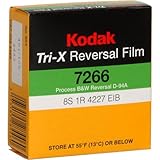
- As with the Plus-X above, there is a slight difference in ASA based upon the type of lighting - without the filter
- Daylight ASA is 200, Tungsten ASA is 160. Daylight ASA with the filter is 125.
- NOTE: When used in bright sunlight, care must be taken to avoid overexposing this film due to high speed.
Film, exposure, frame rate and sound basics
Loading and preparing a cartridge
Kodak says a cartridge fits only one way; on Kodak cameras, its notches face the front and the label should be visible through the side window. Follow the manual for your camera, since controls and indicators differ by model. Kodak’s Super 8 tips also cover loading and exposure.
The Tool Desk
Outbyte PC Repair FREERepair Windows errors before they cause bigger problemsFix Now →Outbyte Driver Updater FREEFix the driver behind crashes, sound loss and screen glitchesFind Drivers →- Confirm the film stock and whether it is intended for daylight or tungsten conditions.
- Switch the camera off, then insert the cartridge in the correct orientation and ensure it seats fully.
- Check the film indicator or side window, and verify that batteries are fresh and correctly installed.
- Remove the lens cap; set focus and exposure, then shoot a short, controlled test before an important scene.
Exposure and film stock
Film stocks differ in speed, color balance and rendering. Kodak’s tips advise using fresh batteries because they affect both motor and built-in meter operation; for some interiors, Kodak recommends adding fill light even when the meter indicates sufficient exposure. A meter can be misled by backlighting, bright windows, snow or a dark background, and a vintage meter may no longer be accurate. The Kodak camera has a built-in meter, but the iris is manual; vintage automatic exposure is useful only if its meter still works.
- Daylight color negative: a practical choice for outdoor or bright scenes, with scanning flexibility.
- Tungsten color negative: suited to controlled indoor or tungsten-lit scenes.
- High-speed tungsten stock: useful when light is limited, though grain may be more visible.
- EKTACHROME: color-reversal film with a direct-film character and a different exposure and processing workflow from negative film.
- TRI-X: black-and-white reversal stock with a distinctive contrasty look.
Kodak identifies current VISION3 color-negative stocks as well as TRI-X and EKTACHROME on its camera and film page. Check the chosen stock’s current manufacturer guidance for exposure and any required filter.
Choose a frame rate deliberately
- 18 fps: traditional-looking motion and more footage per cartridge than faster rates.
- 24 fps: a useful default for narrative motion and common cinematic workflows.
- 25 fps: useful in workflows built around 50 Hz systems.
- 36 fps: creates slow motion when played back at a lower rate, while using film faster.
The four rates above are available on the Kodak camera; Kodak specifies crystal sync at 24 and 25 fps. Other vintage cameras have their own capabilities, so verify the exact model and condition in its manual.
Plan sound as a separate track
A vintage camera marked “sound” does not automatically solve current sync-sound needs: Pro8mm says magnetic sound-strip Super 8 film is no longer manufactured. The Kodak records WAV audio separately to SD. With vintage cameras, record sound on a digital recorder, add a hand clap or slate as a synchronization cue, and sync in editing. Crystal-sync equipment is preferable for demanding dialogue work because motor speed is controlled more precisely.
Quick Recap
First-day shooting and troubleshooting
Before the first scene
- Charge the camera or install fresh batteries, then confirm that it runs.
- Check the film stock, cartridge orientation and seating.
- Set frame rate, focus and exposure; remove the lens cap.
- Make a short controlled test, keep the camera steady and label the cartridge when finished.
- Record separate audio if needed, and send the cartridge to a lab for processing and scanning.
If something goes wrong
- Motor runs but footage is blank: possible causes include a forgotten lens cap, poorly seated cartridge, failed transport, shutter or aperture problem, severe underexposure, or a processing issue. Do not treat a motor-running demonstration as proof of function; test with film before an important project.
- Footage is too dark: consider a dead or inaccurate meter, wrong film-speed setting, insufficient light, a daylight/tungsten mismatch, dirty lens or stuck aperture. Test with a known stock in controlled daylight, add light or use an external meter, and have the meter and iris inspected if the problem persists.
- Footage is shaky: use a tripod or monopod, support the camera with both hands and avoid excessive zooming. Kodak identifies steadiness as a major contributor to professional-looking results in its shooting tips.
- Film jams or fails to advance: stop the camera rather than repeatedly pressing the trigger. Follow the manual before removing the cartridge, label it, and contact the lab before trying to extract film. Repeated transport problems call for service.
- Image is blurry: check focus distance and whether macro is engaged, inspect the lens for haze or fungus, and remember that the viewfinder may not be perfectly calibrated. Test before a key shoot.
- Audio drifts out of sync: use separate audio and a clear sync cue; for demanding dialogue, use crystal-sync equipment rather than relying on a vintage magnetic-sound designation.
Product prices and availability are accurate as of the date/time indicated and are subject to change. Any price and availability information displayed on Amazon at the time of purchase will apply.




