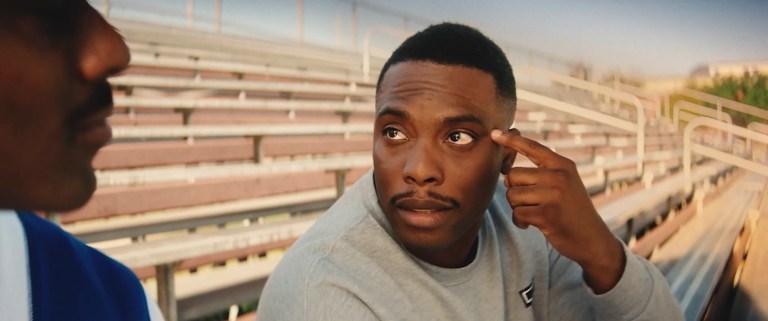
The Wrecking Crew didn’t arrive on Prime Video with the kind of marketing blitz that usually signals a chart-dominating hit. Instead, it slipped onto the platform quietly, positioned as another star-driven action release in an already crowded streaming landscape. Within days, though, the Jason Momoa and Dave Bautista pairing began to generate the kind of organic momentum streamers love, pushing the film to the No.1 spot as viewers discovered it en masse.
Part of that surge can be traced to timing and algorithmic luck. Prime Video dropped The Wrecking Crew into a window light on new tentpole action releases, allowing it to dominate recommendation feeds once early completion rates proved strong. Add in the undeniable curiosity factor of seeing Momoa and Bautista share the screen as bruising, mismatched leads, and the movie quickly became a weekend watch that traveled fast through word of mouth and social chatter.
| # | Preview | Product | Price | |
|---|---|---|---|---|
| 1 |
![The Wrecking Crew [Blu-ray]](https://m.media-amazon.com/images/I/51WDXgVxIoL._SL160_.jpg)
|
The Wrecking Crew [Blu-ray] | $9.63 | Buy on Amazon |
| 2 |
![Matt Helm Lounge: 4-Film Collection [Blu-ray] (The Silencers / Murderers Row / The Ambushers / The Wrecking Crew)](https://m.media-amazon.com/images/I/5112X3C6gTL._SL160_.jpg)
|
Matt Helm Lounge: 4-Film Collection [Blu-ray] (The Silencers / Murderers Row / The Ambushers / The... | $41.79 | Buy on Amazon |
| 3 |

|
Wrecking Crew - Legendary Musicians (Blu-ray) | $50.01 | Buy on Amazon |
| 4 |

|
Juice | $3.99 | Buy on Amazon |
| 5 |

|
The Runaways | $12.99 | Buy on Amazon |
The film’s rise also reflects a broader streaming truth: audiences consistently reward straightforward, star-powered action when it delivers exactly what it promises. The Wrecking Crew doesn’t reinvent the genre, but its blend of muscular set pieces, humor, and buddy-movie energy made it an easy click for Prime subscribers. That No.1 ranking now does more than validate the film’s appeal; it puts real pressure on Amazon Studios to consider what comes next for a pairing that clearly resonates with viewers.
Star Power Collision: Why Jason Momoa and Dave Bautista Are the Movie’s Biggest Assets
The Wrecking Crew works first and foremost because it understands exactly what audiences want from Jason Momoa and Dave Bautista, then smartly lets their contrasting personas do the heavy lifting. This isn’t a case of two action stars competing for dominance on screen. Instead, the film leans into their differences, turning star power into chemistry rather than spectacle overload.
PC Slower Than It Used to Be?
A free scan shows the junk files, broken settings and background clutter dragging Windows down - then fixes them in one click.Free scan · Windows 10 & 11Outdated Drivers Are Slowing You Down
One free scan finds every outdated or missing driver and matches the right update for your exact hardware.Free scan · exact hardware match#1 Best Overall
Jason Momoa’s Charismatic Chaos
Momoa has spent the last decade refining a screen identity built on swagger, humor, and physicality, and The Wrecking Crew uses all three to maximum effect. He plays to his strengths as the loose-cannon lead, delivering action with a grin and dialogue that feels intentionally unpolished. That accessibility matters on streaming, where viewers gravitate toward performers who feel fun to spend two hours with, not just impressive to watch.
Momoa’s appeal also extends beyond traditional action fans. His crossover popularity, fueled by franchises like Aquaman and Fast X, makes The Wrecking Crew feel like a safe bet for casual Prime Video users scrolling for something familiar but fresh.
Dave Bautista’s Precision and Weight
Bautista provides the perfect counterbalance. Where Momoa is impulsive and playful, Bautista brings a grounded, almost world-weary intensity that gives the film structure. He has increasingly positioned himself as an action star who values character as much as combat, and that restraint gives The Wrecking Crew a surprising emotional anchor.
Streaming audiences have followed Bautista’s evolution closely, from Guardians of the Galaxy to more dramatic turns, and that trust translates into curiosity. His presence signals that the film won’t be empty noise, even when it’s leaning hard into explosive set pieces.
Do these 3 things before closing this tab:
1Clear out junk files and repair common Windows errors2Fix the driver behind crashes, sound loss and screen glitches3Repair Windows errors before they cause bigger problemsA Pairing Built for Repeat Viewings
Together, Momoa and Bautista tap into a classic buddy-action formula that streaming algorithms quietly favor. Their banter, physical contrast, and shared screen time make the movie highly rewatchable, a crucial factor in sustaining a No.1 ranking. It’s the kind of pairing that feels expandable, with enough friction and mutual respect baked in to support future stories without diminishing returns.
For Amazon Studios, that dynamic is arguably the film’s most valuable asset. Star pairings that click this cleanly are rare, and when they land, they tend to invite continuation rather than closure.
Algorithm, Audience, and Timing: The Streaming Factors Fueling the Surge
The Wrecking Crew didn’t climb to No.1 on Prime Video by accident. Its rise reflects how modern streaming success is increasingly shaped by invisible forces working in tandem: recommendation algorithms, audience behavior, and strategic timing. When those elements align, even a straightforward action film can quickly become a platform-defining hit.
Algorithm-Friendly Action With High Completion Rates
Prime Video’s algorithm heavily rewards films that viewers actually finish, and The Wrecking Crew is engineered for that kind of engagement. Its brisk pacing, clear stakes, and steady rhythm of action beats minimize drop-off, keeping audiences locked in through the final act. That completion data feeds the system, pushing the title higher on homepages and into more recommendation slots.
The film’s rewatchability also matters. Buddy-action movies with sharp banter and modular set pieces tend to perform well on repeat viewings, especially as background entertainment. Every additional click reinforces the perception that The Wrecking Crew isn’t just popular, but sticky.
A Prime Video Audience Hungry for Star-Driven Spectacle
Prime Video’s core audience has consistently responded to star-powered action films that feel theatrical but are optimized for home viewing. The Wrecking Crew fits neatly into that lane, offering big personalities, practical stunt work, and a tone that doesn’t demand total concentration. It’s accessible without feeling disposable, which makes it an easy recommendation among subscribers.
There’s also a comfort factor at play. Viewers who associate Momoa and Bautista with reliable entertainment are more likely to press play quickly, reducing the friction that often stalls newer releases. That fast adoption window is critical in the first 72 hours, when platform momentum is established.
Timing, Competition, and the Sequel Effect
The film’s release window worked quietly in its favor. Arriving during a relatively soft period for new blockbuster-level streaming debuts, The Wrecking Crew faced limited internal competition for Prime Video’s spotlight. That visibility allowed word-of-mouth and algorithmic reinforcement to build simultaneously rather than fighting for attention.
Just as importantly, the movie feels designed with continuation in mind. Streaming platforms increasingly favor films that can evolve into repeatable franchises, and Amazon Studios has shown a willingness to invest when data supports it. A No.1 ranking doesn’t guarantee a sequel, but when paired with strong engagement metrics and a proven star duo, it becomes a compelling argument for expanding the Wrecking Crew universe rather than shelving it as a one-off success.
Rank #2
- Four-film collection featuring Dean Martin as Matt Helm, a sharp-shooting, swingin' secret agent.
What Works on Screen: Action Style, Chemistry, and Crowd-Pleasing Appeal
Action That Feels Big Without Feeling Bloated
The Wrecking Crew succeeds by embracing a clean, muscular action style that reads clearly on home screens. Set pieces favor practical impact over over-edited chaos, letting hits land with weight and geography stay intact. It’s the kind of action that feels theatrical enough to impress, but streamlined enough to stay engaging on a couch rather than a premium-format screen.
That balance matters for streaming audiences. Prime Video viewers tend to respond best to action that doesn’t demand full immersion but still delivers visceral payoff. The film’s pacing and visual clarity make it easy to jump in midway through a rewatch, a key factor in repeat engagement and sustained chart performance.
Momoa and Bautista: A Duo Built on Contrast
At the center of the movie’s appeal is the contrast between Jason Momoa and Dave Bautista, both physically imposing but tonally distinct. Momoa leans into looseness and swagger, while Bautista plays with restraint and deadpan intensity, creating a push-and-pull dynamic that fuels the banter. Their chemistry doesn’t feel manufactured; it feels discovered as the film goes along.
Free tools Windows power users keep installed
One-click scans. No signup required.
That natural rhythm is what elevates The Wrecking Crew beyond a standard star vehicle. Viewers aren’t just watching action beats, they’re tracking a relationship that evolves through conflict and mutual respect. It’s a classic buddy-action formula, but one that benefits from two performers who understand timing, humor, and when to let a moment breathe.
Comfort Viewing With Franchise DNA
Perhaps the film’s greatest strength is how comfortably it fits into Prime Video’s most reliable performance lane. The tone is light enough to welcome casual viewers, but grounded enough to avoid feeling cartoonish. That middle ground makes it an easy recommendation and an even easier rewatch, especially for audiences browsing without a specific title in mind.
Just as importantly, the movie leaves space for expansion without forcing it. Supporting characters, unfinished tensions, and a world that feels larger than the immediate plot all hint at sequel potential. If Amazon Studios is looking for action properties that can grow organically rather than spike once, The Wrecking Crew already looks like it was built with that future in mind.
Is a Sequel Inevitable? Prime Video’s Track Record With Action Franchises
When a title hits No.1 on Prime Video, the conversation inside Amazon MGM Studios tends to shift quickly from performance to potential. Streaming success isn’t just about raw viewership, but about sustainability, rewatch value, and whether a movie can evolve into a repeatable asset. On that front, The Wrecking Crew checks many of the same boxes that have led Prime Video to greenlight follow-ups in the past.
Quick wins for a faster PC:
Clear out junk files and repair common Windows errorsFree Scan →Scan for outdated or missing drivers - takes under a minuteDriver Scan →Prime Video Knows How to Double Down on Action
Amazon has been increasingly aggressive about expanding action hits into ongoing franchises. Reacher moved from sleeper success to cornerstone series, while The Terminal List was swiftly renewed after strong engagement metrics. Even standalone films like Road House proved that when an action title breaks out, Amazon is willing to fast-track a sequel rather than treat it as a one-off event.
That context matters for The Wrecking Crew’s chart-topping run. Prime Video favors action properties that attract broad demographics, travel well internationally, and don’t require massive budgets to justify continuation. The film’s accessible tone and scalable scope make it a safer sequel bet than effects-heavy spectacles that demand theatrical-level returns.
Star Power That Aligns With Amazon’s Strategy
Jason Momoa and Dave Bautista also fit neatly into Amazon MGM’s current talent ecosystem. Both actors have proven reliable draws across streaming and theatrical projects, and both have shown openness to returning for sequels when the material supports it. For a studio prioritizing recognizable faces that can anchor franchises, that kind of availability is a major advantage.
More importantly, the sequel wouldn’t need to reinvent the formula. Prime Video has had success letting action franchises grow incrementally rather than escalating immediately into global stakes. A second Wrecking Crew installment could lean deeper into character dynamics, sharpen the humor, and widen the world without inflating costs or losing the grounded appeal that made the original click.
What’s actually slowing this PC down?
Pick the symptom - the matching free tool is one click away.
Momentum Matters More Than Announcements
Amazon is notoriously patient about making sequel news official, often waiting to see how long a title holds its position and how it performs over multiple weeks. Sustained chart dominance tends to matter more than opening-week buzz, especially for movies designed as comfort viewing. If The Wrecking Crew continues to perform as a repeat-watch favorite, that momentum alone may be enough to push it into active development.
From a business and creative standpoint, the path forward is clear even if the announcement isn’t immediate. Prime Video has shown it prefers action franchises that grow steadily, build loyalty, and reward consistency. The Wrecking Crew looks less like a viral anomaly and more like the kind of durable hit Amazon has learned to build around.
Story Threads and World-Building That Could Power ‘The Wrecking Crew 2’
One of the biggest reasons a sequel feels viable is that The Wrecking Crew deliberately leaves narrative space unexplored. The first film establishes a functional, lived-in action world without overexplaining it, trusting viewers to fill in the gaps. That restraint gives a follow-up plenty of room to expand without feeling like a retcon or tonal shift.
The Past Lives of Momoa and Bautista’s Characters
Both Jason Momoa and Dave Bautista play characters who clearly carry history, but the movie only hints at their previous operations, alliances, and betrayals. A sequel could easily mine that backstory, whether through former teammates resurfacing or unfinished business catching up with them. That approach would deepen emotional stakes while keeping the action grounded and character-driven.
Exploring their pasts wouldn’t require flashback-heavy storytelling or lore dumps. Instead, it could unfold organically through new conflicts that test their loyalty and challenge the uneasy trust built in the first film. That kind of expansion aligns perfectly with Prime Video’s preference for sequels that feel richer rather than louder.
A Bigger Criminal Ecosystem, Not a Bigger Explosion Count
The Wrecking Crew introduces a criminal underworld that feels functional but barely mapped. A second film could widen that ecosystem, introducing rival crews, shadowy brokers, or competing factions that complicate the protagonists’ objectives. This allows the world to feel larger without escalating into globe-trotting spectacle for its own sake.
Importantly, expanding the criminal landscape gives the sequel narrative flexibility. Stakes can rise through strategy, shifting alliances, and moral compromise rather than sheer body count. That kind of storytelling tends to travel well with streaming audiences who value rewatchability over one-and-done spectacle.
Turning the Crew Into a Franchise Engine
The title itself invites expansion. A sequel could redefine what “The Wrecking Crew” means, evolving from a pairing into a loose network of operatives with different skills and agendas. That opens the door for new characters while keeping Momoa and Bautista at the center as the emotional anchors.
This approach mirrors how successful streaming franchises quietly grow. Instead of chasing cinematic universes, they build modular worlds that allow stories to scale up or down depending on performance. If The Wrecking Crew 2 leans into that flexibility, it could position the franchise as an adaptable, long-term asset for Prime Video rather than a one-off hit.
Scheduling, Contracts, and Reality Checks: What Could Delay or Derail a Follow-Up
For all its momentum on Prime Video’s charts, a Wrecking Crew sequel isn’t simply a matter of greenlighting a script and calling the cast back to set. The biggest variable is time, specifically the increasingly crowded calendars of Jason Momoa and Dave Bautista. Both actors are in high demand, and their availability will ultimately shape whether a follow-up moves quickly or drifts into development limbo.
Jason Momoa’s Packed Franchise Slate
Momoa’s schedule is rarely light, and that’s unlikely to change anytime soon. Between his continued association with large-scale studio projects and his expanding producing ambitions, locking in a clean production window is a logistical challenge. Even if he’s creatively enthusiastic about returning, timing has to align with projects that often take precedence due to long-term studio commitments.
That said, streaming-friendly productions like The Wrecking Crew have an advantage. Compared to effects-heavy tentpoles, a grounded action sequel can be shot efficiently, which makes it easier to slot between larger obligations. Prime Video’s ability to move fast once a decision is made could be crucial here.
The Tool Desk
Outbyte PC Repair FREERepair Windows errors before they cause bigger problemsFix Now →Outbyte Driver Updater FREEFix the driver behind crashes, sound loss and screen glitchesFind Drivers →Dave Bautista’s Career Pivot Complicates Things
Bautista has been increasingly selective about his roles, prioritizing character-driven projects and collaborations that challenge his screen persona. While The Wrecking Crew benefited from that mindset the first time around, it also means he’s less likely to rush back for a sequel without a script that justifies the return. Creative satisfaction matters as much as scheduling in his case.
Rank #4
That selectiveness cuts both ways. A sequel that deepens the dynamic between the leads and evolves Bautista’s character could actually rise on his priority list. But that requires development time, and development is often where momentum slows.
Contracts, Options, and Streaming Economics
Unlike traditional theatrical franchises, streaming originals don’t always lock actors into multi-film deals upfront. If sequel options weren’t baked into the initial contracts, renegotiations become inevitable, especially after a No.1 debut. Success raises leverage, and that can extend timelines as new terms are hammered out.
Prime Video also has to weigh performance beyond rankings. Completion rates, international engagement, and subscriber retention all factor into whether a sequel moves forward. A film can top the charts and still face internal debate about cost versus long-term value.
Recommended Free Tools
The Market Timing Factor
There’s also the broader industry reality to consider. Streaming platforms are more cautious than they were a few years ago, prioritizing sustainability over rapid franchise expansion. Even proven hits are being spaced out to avoid audience fatigue and budget overreach.
Ironically, The Wrecking Crew’s grounded scale may work in its favor here. It doesn’t demand an immediate sequel to stay relevant, which gives Prime Video the option to wait for the right alignment of schedules, scripts, and strategy rather than forcing a rushed follow-up.
Independent reader supportYour contribution helps us test, update, and keep practical guides available for everyone.Bigger, Louder, or Smarter? What a Sequel Would Need to Level Up
If The Wrecking Crew does move forward, the instinct to simply go bigger would be the most obvious—and potentially laziest—option. The first film’s No.1 surge came from chemistry and momentum more than sheer spectacle. A sequel that only inflates the explosions risks losing the grounded appeal that helped it break through Prime Video’s crowded charts.
Lean Harder Into the Momoa–Bautista Dynamic
What truly separated The Wrecking Crew from other streaming action fare was the push-and-pull between Jason Momoa’s swagger and Dave Bautista’s restraint. Audiences didn’t just respond to the action beats; they responded to the contrast in energy and philosophy between the two leads. A sequel that sharpens that relationship, rather than resetting it, would feel like a natural evolution instead of a replay.
Quick wins for a faster PC:
Clear out junk files and repair common Windows errorsFree Scan →Fix the driver behind crashes, sound loss and screen glitchesFind Drivers →There’s room to let conflict drive the story instead of circumstance. Diverging goals, ethical disagreements, or past baggage could deepen the stakes without bloating the runtime or budget. That kind of character-forward escalation aligns with Bautista’s current priorities and gives Momoa space to explore something beyond pure bravado.
Smarter Action Over Bigger Set Pieces
Part of the film’s streaming success came from its accessibility. The action was clean, easy to follow, and didn’t demand IMAX-level spectacle to land. For a sequel, refinement may matter more than scale—tighter choreography, clearer geography, and sequences that reveal character rather than just rack up body counts.
Prime Video audiences have shown they’ll reward action that feels purposeful. Films that play well on home screens often favor tension, pacing, and clever staging over excess. Leaning into that reality could keep costs in check while still delivering sequences that feel fresh.
Expanding the World Without Overbuilding It
There’s also an opportunity to widen the story’s scope without forcing a full-blown franchise architecture. Introducing a rival crew, a morally gray antagonist, or a larger ecosystem around the leads could add texture without overwhelming the core appeal. The goal shouldn’t be to set up five more movies, but to make the second one feel richer and more confident.
Recommended Free Tools
This approach fits Prime Video’s current strategy as well. Standalone sequels that feel complete tend to perform better long-term than entries that exist mainly as connective tissue. A sequel that tells a sharper, more layered story could justify its existence even if it takes years to arrive.
Best Value
Why Restraint Might Be the Real Upgrade
The irony of The Wrecking Crew’s success is that it didn’t feel engineered to dominate the charts—and that authenticity likely helped it get there. A sequel that respects that tone, rather than chasing louder trends, stands the best chance of repeating the feat. Sometimes leveling up isn’t about adding more, but about knowing exactly what not to change.
Final Forecast: How Likely Is ‘The Wrecking Crew’ to Become a Prime Video Franchise?
From a pure metrics standpoint, The Wrecking Crew is checking the boxes Prime Video actually cares about. A fast climb to No.1, sustained placement near the top of the charts, and strong word-of-mouth among action fans signal real audience pull rather than a brief curiosity spike. For a platform that prioritizes engagement over opening-weekend headlines, that matters more than splashy box office math.
What makes the situation especially favorable is that the film’s success didn’t rely on novelty alone. Viewers responded to the chemistry, the grounded tone, and the sense that this was an action movie comfortable in its own lane. Those qualities tend to translate well into repeat viewing, which strengthens the case for continuation.
Prime Video’s Franchise Playbook Works in the Film’s Favor
Amazon has been increasingly selective about what it turns into a recurring property. Rather than chasing sprawling cinematic universes, Prime Video has found success with star-led franchises that deliver consistent returns without ballooning budgets. The Wrecking Crew fits neatly into that category.
A sequel wouldn’t need to redefine the platform’s identity or anchor a massive content strategy. It simply needs to deliver another clean, efficient hit that keeps subscribers engaged, much like Reacher or Jack Ryan did in their early phases. From a business perspective, that’s a low-risk, high-upside proposition.
The Momoa and Bautista Factor
Jason Momoa and Dave Bautista remain the project’s biggest assets, and their current career trajectories actually support a follow-up. Momoa continues to bounce between blockbuster spectacle and more personal, character-driven roles, while Bautista has been vocal about choosing projects that challenge him without exhausting him physically.
A sequel that leans into sharper character dynamics rather than escalation-for-escalation’s sake aligns with both actors’ interests. That alignment matters, because star enthusiasm often determines whether a sequel feels energized or contractual. In this case, the creative runway appears open rather than forced.
Free tools Windows power users keep installed
One-click scans. No signup required.
The Real Risks to Watch
The biggest threat to a sequel isn’t audience fatigue, but timing. Streaming franchises can lose momentum if follow-ups take too long to materialize, especially when the original succeeds quietly rather than explosively. Prime Video will need to strike while the film’s goodwill is still fresh.
There’s also the temptation to overcorrect. Inflating the scale, crowding the story, or forcing franchise hooks could dilute what made the first film resonate. The smartest move would be to treat a sequel as a refinement, not a reinvention.
The Verdict
All signs point to The Wrecking Crew being one of Prime Video’s more realistic franchise candidates. It delivered measurable success, fits the platform’s evolving strategy, and stars two actors with both drawing power and creative credibility. Just as importantly, it feels expandable without feeling obligated to expand.
If Prime Video greenlights a sequel that respects the original’s restraint while sharpening its strengths, The Wrecking Crew could quietly become one of the service’s most reliable action properties. Not a flashy universe, but a durable one—and in today’s streaming landscape, that may be the smarter win.
Quick Recap
Product prices and availability are accurate as of the date/time indicated and are subject to change. Any price and availability information displayed on Amazon at the time of purchase will apply.