Free tools Windows power users keep installed
One-click scans. No signup required.
For a long time, the assumption among fans was simple: The Witcher was settling into a slower, prestige-TV rhythm, with long gaps between seasons becoming the new normal. Season 3’s split release in 2023, followed by Henry Cavill’s widely publicized exit, made it feel inevitable that the series would need years to stabilize before pushing forward again. Add in Netflix’s recent history of cautious renewals and delayed fantasy rollouts, and Season 5 started to feel more theoretical than imminent.
That expectation was reinforced by the sheer scale of the production. The Witcher isn’t a show that can be turned around quickly, with sprawling European locations, heavy VFX requirements, and a cast spread across multiple continents. Liam Hemsworth stepping in as Geralt also suggested a prolonged recalibration period, one where the series might pause creatively before committing to another full chapter.

The Production Reality Fans Didn’t See
What changed is that Netflix quietly removed the brakes well before viewers realized it. Seasons 4 and 5 were planned in close succession, with overlapping development timelines that allowed sets, crews, and visual effects pipelines to remain active rather than reset. This kind of back-to-back production is a cost-saving strategy, but it also dramatically compresses the release window when everything stays on track.
Industry sources have since indicated that Season 5 entered meaningful pre-production far earlier than fans assumed, with scripts and story arcs already mapped out as part of a longer-term endgame. Instead of rebuilding the show after Cavill’s departure, the creative team opted to streamline it, leaning into a more tightly structured narrative that benefits from momentum rather than delay.
Do these 3 things before closing this tab:
1Repair Windows errors before they cause bigger problems2Fix the driver behind crashes, sound loss and screen glitches3Clear out junk files and repair common Windows errors#1 Best Overall

- Perfect For Bibliophile
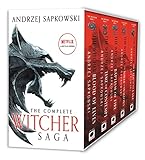
- This Boxed Set Contains All Eight Books: The Last Wish, Sword Of Destiny, Blood Of Elves, Time Of Contempt, Baptism Of Fire, The Tower Of The Swallow, The Lady Of The Lake, Season Of Storms.
- It Ensures You Get The Best Usage For A Longer Period
Why the Timeline Suddenly Makes Sense
The accelerated schedule isn’t just about logistics; it’s also about confidence. Netflix doesn’t fast-track a season unless it’s comfortable with the show’s direction, cast transition, and audience retention. By committing to Season 5 sooner, the streamer is signaling that The Witcher has a clear roadmap forward, one that prioritizes consistency and narrative payoff over extended hiatuses.
For viewers, that means recalibrating expectations. Season 5 arriving sooner than expected suggests a more deliberate pacing of the saga, with fewer narrative resets and a stronger throughline connecting each season. Rather than stretching the story thin over a decade, The Witcher appears to be moving toward a more decisive, tightly planned future — one that fans will see unfold much sooner than they ever anticipated.
Netflix’s Accelerated Production Strategy: How Season 5 Got Fast-Tracked
Netflix’s decision to fast-track The Witcher Season 5 didn’t happen in a vacuum. It’s part of a broader streaming-era pivot toward tighter production cycles, especially for established franchises with global recognition. In an environment where audience attention is increasingly fragmented, long gaps between seasons are no longer seen as a luxury but a liability.
Back-to-Back Filming Changed the Clock
One of the biggest reasons Season 5 is arriving sooner than expected is the choice to overlap production windows. By treating Seasons 4 and 5 as two halves of a continuous pipeline rather than separate endeavors, Netflix avoided the usual downtime that comes with teardown, renegotiation, and creative resets. Sets stayed standing, crews stayed employed, and visual effects teams were able to work with long-range continuity instead of stop-start delivery.
The Tool Desk
Outbyte Driver Updater FREEScan for outdated or missing drivers - takes under a minuteDriver Scan →Outbyte PC Repair FREEClear out junk files and repair common Windows errorsFree Scan →This approach is especially effective for a show like The Witcher, where world-building assets are expensive and time-consuming to recreate. Kaer Morhen, Nilfgaardian strongholds, and monster-heavy sequences benefit enormously from production momentum. Every week saved compounds across departments, shaving months off the overall schedule.
A Franchise Play, Not a Gamble
Fast-tracking Season 5 also reflects how Netflix now categorizes The Witcher internally. It’s no longer treated like a fragile prestige experiment but as a mature franchise with predictable viewership and strong international pull. That status allows for earlier renewals, multi-season planning, and locked-in production calendars that newer or riskier shows simply don’t get.
Crucially, this confidence extends beyond ratings. Merchandising, spinoff potential, and long-term library value all factor into why Netflix would want to keep the main series moving without interruption. A steady release cadence keeps the brand visible and commercially viable between animated projects and potential future expansions.
What the Acceleration Means for Storytelling
A faster production timeline doesn’t mean a rushed story, but it does signal a more disciplined one. With Season 5 planned well in advance, the writers’ room has been able to map character arcs and thematic beats across multiple seasons instead of reacting season by season. That kind of foresight tends to produce cleaner payoffs and fewer narrative detours.
Quick wins for a faster PC:
Repair Windows errors before they cause bigger problemsFix Now →Scan for outdated or missing drivers - takes under a minuteDriver Scan →For audiences, the shift sets new expectations. The Witcher is no longer operating on the old model of multi-year gaps and soft creative reboots. Instead, it’s moving with intention toward a defined endpoint, delivering its chapters closer together and asking viewers to stay engaged in a more continuous, unfolding saga.
Back-to-Back Filming Explained: Season 4 and 5 as a Single Production Arc
At the core of the accelerated timeline is a production strategy that treats Seasons 4 and 5 less like separate installments and more like two halves of the same cinematic block. Netflix and the producers opted to film the seasons consecutively, minimizing downtime between shoots and avoiding the lengthy reset that usually slows returning fantasy series. This approach dramatically compresses the post-production window and puts Season 5 much closer to release than fans might expect.
Why Back-to-Back Shooting Changes Everything
Filming seasons back-to-back allows the show to lock locations, sets, and large-scale assets for extended periods instead of rebuilding them months later. Costumes, prosthetics, and creature designs remain consistent, which is especially critical for a series with heavy monster-of-the-week elements and evolving political factions. The result is fewer continuity gaps and a smoother visual progression from one season into the next.
From an industry standpoint, this model also streamlines scheduling across departments. Directors, cinematographers, and effects supervisors can plan sequences with future episodes in mind, rather than designing each season in isolation. That long-view planning reduces bottlenecks and keeps the overall production machine moving forward.
Cast Logistics and Narrative Stability
Back-to-back filming also stabilizes cast availability, a major factor for a show juggling ensemble storylines across multiple kingdoms. With contracts and shooting windows aligned, the series avoids the scheduling conflicts that often force late rewrites or reduced screen time for key characters. That consistency supports denser storytelling and allows arcs to unfold without abrupt pauses or structural compromises.
This matters even more as The Witcher settles into its post-transition era. Locking in performance continuity across two seasons gives the creative team space to focus on story momentum rather than recalibration, reinforcing the sense that Seasons 4 and 5 are chapters of the same narrative movement.
What It Signals for Release Timing
Because so much of Season 5 is captured during the same production cycle as Season 4, the gap between releases is expected to shrink significantly. Visual effects work can overlap, editing pipelines stay active, and Netflix can stagger marketing beats without waiting for cameras to roll again. That efficiency is the primary reason Season 5 is poised to arrive sooner than traditional Witcher timelines would suggest.
For viewers, this means a faster narrative handoff and less time spent reorienting themselves to the world. The story is designed to feel continuous, with fewer temporal breaks between major developments. In practical terms, The Witcher is now operating closer to a serialized epic than a stop-start seasonal event, recalibrating how audiences should expect to experience its final chapters.
PC Slower Than It Used to Be?
A free scan shows the junk files, broken settings and background clutter dragging Windows down - then fixes them in one click.Free scan · Windows 10 & 11Outdated Drivers Are Slowing You Down
One free scan finds every outdated or missing driver and matches the right update for your exact hardware.Free scan · exact hardware matchLiam Hemsworth’s Geralt Era and Why the Timeline Suddenly Works
The accelerated path to Season 5 is inseparable from the show’s biggest creative shift: Liam Hemsworth stepping into the role of Geralt of Rivia. With the recast firmly established during Season 4 production, the series no longer has to hedge its pacing or structure around an on-screen transition. Instead, Netflix and the creative team can treat Seasons 4 and 5 as a unified Geralt chapter rather than two separate adjustment periods.
That clarity is what suddenly makes the compressed timeline viable. Once Hemsworth was locked in and creatively aligned, The Witcher could move forward without the narrative brakes that often follow a major casting change. The result is a production schedule built for momentum rather than caution.
Why the Recast Removes a Structural Bottleneck
Recasting a lead in a long-running fantasy series usually forces a reset, both for audiences and for the writers. In The Witcher’s case, that reset has already been absorbed into Season 4, allowing Season 5 to function as continuation rather than recalibration. The show doesn’t need to reintroduce its protagonist twice, which frees up screen time and storytelling bandwidth.
From a production standpoint, this removes a major variable. Performance tone, physicality, and character chemistry can now be tracked consistently across two seasons, reducing the need for rewrites or reshoots that would otherwise slow things down. That stability feeds directly into the tighter release window.
Recommended Free Tools
A Back-to-Back Geralt Strengthens Narrative Flow
Filming Seasons 4 and 5 in close succession means Hemsworth’s Geralt benefits from uninterrupted character progression. There’s no long gap where the performance risks feeling disconnected or reshaped by time away from the role. For viewers, that translates into a smoother experience, where character evolution feels intentional rather than segmented by production realities.
This continuity also supports denser plotting. With fewer pauses between seasons, story arcs can end on sharper turning points and resume without lengthy reorientation. Season 5 arriving sooner ensures that whatever transformation Geralt undergoes in Season 4 remains fresh in the audience’s mind.
Marketing Confidence and Audience Expectations
Netflix’s willingness to fast-track Season 5 signals confidence in the Hemsworth era. A shorter gap between seasons helps normalize the new Geralt by keeping him consistently in front of viewers, rather than letting anticipation turn into scrutiny. It reframes the recast as the new normal, not an ongoing experiment.
For fans tracking the release schedule, this shift recalibrates expectations. The Witcher is no longer spacing out seasons to manage uncertainty; it’s moving decisively toward its endgame. That urgency suggests a show that knows where it’s headed and is racing to tell its story before momentum fades.
Storytelling Implications: How a Faster Season 5 Impacts the Saga’s Pacing
With Season 5 arriving sooner than expected, The Witcher’s creative team gains a rare advantage in long-form streaming storytelling: momentum. Instead of rebuilding narrative energy after a prolonged gap, the series can capitalize on unresolved tensions from Season 4 and push directly into consequence-driven storytelling. That immediacy reshapes how the saga unfolds, favoring forward motion over recap.
A tighter release window also reflects confidence that the audience will stay engaged without extensive narrative hand-holding. Netflix appears to be betting that viewers are invested enough to follow faster-moving arcs, even as the story grows denser and more politically complex. For a fantasy series known for its layered timelines and shifting alliances, that’s a meaningful shift.
Less Narrative Padding, More Payoff
Accelerated production often leads to leaner storytelling, and Season 5 is positioned to benefit from that discipline. With less need to reestablish world-building elements or reintroduce character dynamics, episodes can focus on payoff rather than setup. Long-simmering threads involving Ciri’s destiny, the Lodge of Sorceresses, and Nilfgaard’s ambitions are primed to advance decisively.
This also suggests fewer standalone detours. Earlier seasons occasionally slowed momentum to explore side quests or tonal experiments, but a faster turnaround encourages narrative efficiency. Season 5 is more likely to feel like the next chapter of a single, continuous story rather than a reset point.
Rank #3

- The Last Wish: Illustrated Edition
- Sword of Destiny: Illustrated Edition
- Blood of Elves
- The Time of Contempt
- Illustrated collection of witcher books
Character Arcs Move From Transition to Transformation
Season 4 carries the burden of transition, especially with Geralt’s recasting and the emotional recalibration that comes with it. Season 5, arriving on its heels, can focus squarely on transformation. Characters won’t be adjusting to new circumstances so much as reacting to the consequences of choices already made.
For Geralt, Yennefer, and Ciri, that means arcs can deepen instead of stabilize. Emotional beats land harder when the audience hasn’t had years to distance itself from prior events. The compressed timeline keeps relationships raw, unresolved, and dramatically potent.
A Clearer March Toward the Endgame
The faster pace signals that The Witcher is entering its final narrative phase with purpose. Netflix isn’t stretching the saga to fill time; it’s accelerating toward resolution. That clarity allows the writers to structure Season 5 with an eye toward culmination rather than prolongation.
For viewers, this reframes expectations. Season 5 isn’t just another installment, but a connective bridge that propels the story toward its conclusion. The urgency isn’t just logistical, it’s baked into the storytelling, shaping a season designed to move decisively rather than linger.
What’s actually slowing this PC down?
Pick the symptom - the matching free tool is one click away.
What This Means for the Final Stretch of The Witcher Franchise
Season 5 arriving sooner than expected isn’t just a scheduling quirk, it’s a signal that Netflix is actively reshaping how The Witcher reaches its endgame. By compressing production timelines and minimizing gaps between seasons, the streamer is positioning the franchise for a controlled, momentum-driven finish rather than a slow fade-out. That approach has meaningful implications for how the story unfolds and how audiences should recalibrate their expectations.
A Production Strategy Built for Continuity
One of the clearest reasons Season 5 is moving faster is production overlap. Sets, costumes, and visual effects pipelines established for Season 4 can roll directly into the next block of episodes without costly downtime. That efficiency matters for a fantasy series with sprawling locations and heavy post-production demands.
There’s also a cast logistics component at play. Locking in actors for consecutive seasons reduces scheduling conflicts and preserves performance continuity, especially critical during a period of major character evolution. For a show navigating a high-profile recasting and escalating stakes, minimizing disruption is a strategic necessity.
Netflix’s Confidence in a Defined Endgame
The accelerated timeline suggests Netflix has a clear internal roadmap for how long The Witcher is meant to run and how it should conclude. Rather than waiting to see how each season performs before committing forward, the streamer appears to be treating the final stretch as a single, extended narrative event. That level of confidence typically comes when creative plans and business expectations are aligned.
This also reflects broader streaming trends. Platforms are increasingly favoring tighter, more decisive franchise arcs over prolonged, open-ended runs. A faster Season 5 rollout keeps The Witcher culturally relevant while avoiding the fatigue that can set in when audiences wait years between chapters.
What Viewers Should Expect From the Storytelling
For audiences, the biggest takeaway is pacing. Season 5 is unlikely to ease viewers back into the world or spend time resetting the board. The story will assume engagement, memory, and emotional investment, rewarding those who have stayed with the series through its recent shifts.
This compression raises the stakes across the board. Conflicts will escalate faster, alliances will fracture with less warning, and consequences will arrive sooner. Season 5 won’t feel like a midpoint pause, but like a deliberate push toward resolution, setting expectations that every episode counts as the franchise barrels toward its final chapters.
Independent reader supportYour contribution helps us test, update, and keep practical guides available for everyone.Release Window Predictions: When Season 5 Is Likely to Hit Netflix
With production on Season 4 structured to overlap with Season 5, the release calendar for The Witcher is no longer following the long gaps fans have grown accustomed to. Instead of a multi-year wait, all signs point to Netflix compressing the timeline and delivering the next chapter far sooner than traditional fantasy TV cycles would suggest.
Based on standard post-production timelines and Netflix’s recent scheduling habits, Season 5 is shaping up to arrive within a year of Season 4’s debut. That puts the most realistic window in late 2026, with an early 2027 release as the outer edge if visual effects demands push timelines slightly.
Why the Production Timeline Favors a Faster Release
Fantasy series like The Witcher typically spend eight to ten months in post-production, largely due to effects-heavy sequences and international localization. When filming blocks are designed back-to-back, much of that workflow can run in parallel rather than sequentially.
That means editing, visual effects, and scoring for Season 5 can begin while Season 4 is still moving through final polish. Netflix has used this approach successfully with other genre series, and it significantly reduces downtime between releases without compromising scale.
Netflix’s Likely Release Strategy
Netflix rarely drops major franchise seasons quietly. A late-year release aligns with the streamer’s preference for anchoring Q4 viewing with high-profile originals, especially ones capable of sustaining conversation through awards season and year-end rankings.
Free tools Windows power users keep installed
One-click scans. No signup required.
If Season 4 lands in mid-to-late 2025, a fall 2026 release for Season 5 would keep momentum intact while avoiding audience attrition. It also prevents the perception of The Witcher as a series that disappears for years at a time, a criticism that has affected several large-scale fantasy adaptations.
What This Accelerated Window Means for Fans
For viewers, a shorter gap means less narrative rust. Storylines, emotional arcs, and character transformations will remain fresh, making Season 5 feel like a direct continuation rather than a soft relaunch.
It also reinforces the idea that The Witcher is now in its endgame phase. A faster release cadence signals commitment, urgency, and confidence, all pointing toward a tightly controlled final run where delays are no longer part of the equation.
What Fans Should Expect Next — and Why This Signals Netflix’s Endgame for The Witcher
With Season 5 moving faster than many anticipated, the biggest takeaway for fans is clarity. Netflix appears to be steering The Witcher toward a deliberate, controlled conclusion rather than an open-ended sprawl. That kind of decisiveness is rare for large-scale fantasy series and suggests the streamer wants to finish strong rather than simply finish.
This acceleration isn’t just about logistics. It’s a creative signal that the remaining story beats are mapped, prioritized, and already in motion.
A More Focused, Momentum-Driven Story
A shorter gap between seasons almost always results in tighter storytelling. Season 5 is likely designed to pick up immediately from Season 4’s major turning points, minimizing time jumps and narrative resets. Expect less table-setting and more payoff, especially as character arcs converge toward their endgame trajectories.
For viewers, this should translate into sharper pacing and fewer detours. Netflix knows audience patience for sprawling fantasy worlds has limits, and this schedule suggests a conscious effort to keep the plot moving with purpose.
What This Means for the Cast and Character Arcs
From a production standpoint, locking in Season 5 early helps stabilize cast availability, which is crucial for a show that relies heavily on long-term character investment. Fewer scheduling gaps mean performances can maintain emotional continuity, something that’s often lost when years pass between shoots.
Narratively, that continuity matters even more now. The Witcher is deep into its final transformations, and Season 5 is positioned to escalate conflicts rather than introduce new ones. Characters are no longer being defined; they’re being tested, fractured, and resolved.
Netflix’s Broader Franchise Strategy at Play
This accelerated timeline also reflects how Netflix now treats its flagship genre properties. Instead of stretching seasons indefinitely, the platform has increasingly favored planned endings that preserve brand value and audience goodwill. A decisive final run keeps the series bingeable long after its finale, which is critical for long-term subscriber retention.
By avoiding prolonged delays, Netflix reduces the risk of audience drop-off and creative fatigue. The Witcher remains part of the cultural conversation, rather than something viewers feel they have to rediscover every few years.
Why Season 5 Feels Like a Statement, Not Just Another Chapter
Season 5 arriving sooner than expected reframes expectations. This isn’t a filler installment or a transitional season; it’s a structural pillar in the show’s final act. Everything about the timeline suggests Netflix wants the last stretch of The Witcher to feel intentional, cohesive, and decisive.
Quick wins for a faster PC:
Clear out junk files and repair common Windows errorsFree Scan →Fix the driver behind crashes, sound loss and screen glitchesFind Drivers →In the end, the faster rollout isn’t about rushing. It’s about control. Netflix appears to know exactly where The Witcher is headed, and Season 5’s accelerated arrival is the clearest sign yet that the saga’s conclusion is being executed with confidence rather than hesitation.
Quick Recap
Product prices and availability are accurate as of the date/time indicated and are subject to change. Any price and availability information displayed on Amazon at the time of purchase will apply.




