The Tool Desk
Outbyte Driver Updater FREEScan for outdated or missing drivers - takes under a minuteDriver Scan →Outbyte PC Repair FREEClear out junk files and repair common Windows errorsFree Scan →The Unbreakable Boy arrives carrying the well-worn promise of inspiration, positioning itself squarely within the tradition of faith-adjacent, family-friendly dramas that aim to uplift more than surprise. Based on a true story, the film centers on a child whose physical and emotional challenges become a catalyst for growth in the adults around him, especially a struggling father learning how to reframe hardship as grace. It’s a premise designed to reassure audiences that meaning can be found in suffering, and that love, properly focused, is redemptive.
That intention is sincere, and the film never hides what it wants viewers to feel. Joy is presented as a choice, resilience as a moral muscle, and faith as both safety net and solution, whether spoken explicitly or implied through the story’s structure. The problem isn’t that these ideas are unworthy, but that they are delivered in a way that feels preassembled, as if the movie is following an inspirational template rather than discovering its own emotional truth.
Inspiration as Blueprint
From its earliest scenes, The Unbreakable Boy signals its allegiance to familiar beats: the overwhelmed parent, the angelic child whose outlook reframes everything, and the episodic lessons that build toward acceptance rather than transformation. The film wants to inspire gratitude and perspective, but it often mistakes repetition for reinforcement, returning to the same emotional notes without deepening them. What’s left is a story that clearly understands its mission, yet struggles to move beyond the comforting confines of what inspirational cinema has already taught its audience to expect.
Built From True Life, Polished for Comfort: Adapting Real Pain Into Safe Cinema
One of the film’s strongest assets is also its most limiting one: its foundation in a real family’s experience. True stories bring an inherent weight, and The Unbreakable Boy benefits from that baseline authenticity, especially in its depiction of daily life shaped by medical uncertainty and emotional strain. Yet the adaptation consistently favors reassurance over messiness, sanding down moments that might have challenged viewers in favor of scenes that affirm what they already believe about perseverance and love.
What’s actually slowing this PC down?
Pick the symptom - the matching free tool is one click away.
#1 Best Overall
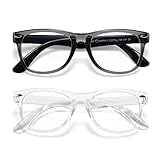
- [Kids Blue Light Blocking Protection] blue light glasses for kids girls boys can block harmful blue light with UV400 protection when kids on Screen time such as using ipad or playing computer games.A useful kids blue light glasses should be chosen to protect kids' eyes and improve their sleep quality. kids will be getting fewer headaches from eye strain.
- [Reduce Eyestarin,Better Life] Long time exposure to harmful blue light will cause headaches, eyestrain and sleep disorder. DYLB Computer glasses for kids can alleviate the uncomfortable feelings. Feel more at ease for the extended screen time kids are exposed daily.
- [Clear Transparent TR90 Frame] The Novel Clear Transparent frame make the kids look fashionable and unique. The cute and stylish style of blue light filter glasses make kids have more initiative to wear them.The kids look adorable when wearing them.
- [LightWeight,Unbreakable] DYLB kids anti blue light glasses are made of light weight TR90 material. The flexible computer glasses can fit kids well, the Unbreakableand light weight frame don't make kids feel uncomfortable after long-time wearing.
- [100% Satisfaction Guarantted]If you are not satisfied with our kids blue light glasses ,please return them in any time.You can not only get High-Quality products but also enjoy the satisfactory service from us.Please feel free to contact us for any questions.We will appreciate your advice.
When Reality Becomes Reassurance
The screenplay treats hardship less as an ongoing condition than as a series of manageable obstacles, each neatly resolved or reframed through perspective. Pain exists, but it rarely lingers; conflict flares just long enough to underline a lesson before giving way to uplift. This approach keeps the film accessible, but it also narrows its emotional range, suggesting that faith and optimism function more like emotional shortcuts than hard-won, uneven processes.
Characters as Vessels, Not Complications
The adults surrounding the child are drawn with empathy, particularly the father, whose frustration and guilt are clearly meant to anchor the story. Still, their arcs often feel predetermined, moving from brokenness to clarity without the false starts or contradictions that make growth feel lived-in. Rather than allowing characters to surprise themselves, the film positions them as vessels for a message, ensuring their choices align with the film’s inspirational intent.
Safety Over Specificity
By prioritizing comfort, The Unbreakable Boy avoids the sharper edges of its own premise. The lived reality of raising a child with complex needs is inherently exhausting, isolating, and emotionally ambiguous, but the film reframes that experience into something consistently digestible. In doing so, it aligns itself with a broader trend in inspirational cinema: honoring real pain while keeping it at a safe distance, close enough to recognize, but never close enough to truly unsettle.
Performances That Strain Against the Script: Who Elevates the Material, Who Can’t
When a film leans this heavily on reassurance, performance becomes the primary variable separating sincerity from sentimentality. The Unbreakable Boy often asks its actors to sell emotional beats that the script has already simplified, leaving them to inject nuance where the writing hesitates. Some rise to the challenge, grounding the film’s uplift in recognizable human behavior, while others are boxed in by dialogue designed to instruct rather than reveal.
Zachary Levi: Earnest, But Overextended
Zachary Levi approaches the father’s role with visible commitment, channeling anxiety, guilt, and protectiveness into a performance that rarely feels insincere. His best moments come in quieter scenes, where the film briefly loosens its grip on messaging and allows him to convey exhaustion or self-doubt through restraint. Unfortunately, the script often pushes him toward broad emotional signposting, encouraging speeches and reactions that flatten complexity into motivational shorthand. Levi works hard to humanize the character, but the material repeatedly nudges him toward a performance that feels performative rather than lived-in.
The Child Performance: Authenticity Without Armor
The young actor playing the titular boy carries the film’s emotional center with a natural openness that resists calculation. His portrayal feels observational rather than demonstrative, capturing joy, confusion, and resilience without the sense of being coached toward inspiration. This authenticity helps anchor the film, especially when the narrative veers into familiar territory. Yet the script’s insistence on positioning the child as a symbol of unyielding optimism sometimes limits the full emotional range the performance hints at but rarely gets to explore.
Supporting Roles Caught in Narrative Orbit
The supporting cast, particularly the mother and extended family figures, deliver competent, empathetic performances that suffer from underwritten arcs. These characters often exist to react, affirm, or gently course-correct the protagonist, rather than pursue interior lives of their own. Even strong line deliveries can’t fully compensate for roles designed to reinforce lessons rather than complicate them. As a result, the ensemble feels emotionally aligned but dramatically constrained.
Performance Versus Purpose
Across the board, the actors appear aware of the film’s inspirational mandate, and their performances rarely challenge it. This cohesion keeps the tone consistent, but it also prevents moments of friction that might have elevated the material beyond its comfort zone. When the film allows behavior to precede meaning, the performances shine; when meaning dictates behavior, they strain. The result is a cast doing earnest, often capable work inside a framework that prizes affirmation over discovery.
Quick wins for a faster PC:
Repair Windows errors before they cause bigger problemsFix Now →Scan for outdated or missing drivers - takes under a minuteDriver Scan →The Tyranny of the Uplifting Moment: How Clichés Drive the Emotional Engine
Where the performances strain against expectation, the storytelling doubles down on it. The Unbreakable Boy is structured around a steady drumbeat of uplifting moments, each engineered to reassure, affirm, and inspire on schedule. Rather than allowing emotion to emerge organically, the film frequently arranges its scenes to deliver prepackaged feelings at predictable intervals.
Emotion as Destination, Not Discovery
Nearly every dramatic beat is oriented toward an emotional endpoint the audience can see coming well in advance. Conflict exists primarily to be resolved in time for a speech, a revelation, or a swelling musical cue. This approach prioritizes emotional certainty over narrative curiosity, reducing tension because the outcome is never truly in doubt.
The film rarely lingers in ambiguity or discomfort, treating those states as temporary obstacles rather than meaningful experiences. Moments that could complicate the story are instead streamlined into lessons. As a result, the emotional journey feels guided rather than lived.
Rank #2

- [Kids Blue Light Blocking Protection] blue light glasses for kids girls boys can block harmful blue light with UV400 protection when kids on Screen time such as using ipad or playing computer games.A useful kids blue light glasses should be chosen to protect kids' eyes and improve their sleep quality. kids will be getting fewer headaches from eye strain.
- [Reduce Eyestarin,Better Life] Long time exposure to harmful blue light will cause headaches, eyestrain and sleep disorder. DYLB Computer glasses for kids can alleviate the uncomfortable feelings. Feel more at ease for the extended screen time kids are exposed daily.
- [Clear Transparent TR90 Frame] The Novel Clear Transparent frame make the kids look fashionable and unique. The cute and stylish style of blue light filter glasses make kids have more initiative to wear them.The kids look adorable when wearing them.
- [LightWeight,Unbreakable] DYLB kids anti blue light glasses are made of light weight TR90 material. The flexible computer glasses can fit kids well, the unbreakable and light weight frame don't make kids feel uncomfortable after long-time wearing.
- [100% Satisfaction Guarantted] Accessories may vary by production batch. Please refer to the actual package contents.If you are not satisfied with our kids blue light glasses ,please return them n any time. You can not only get High-Quality products but also enjoy the satisfactory service from us.Please feel free to contact us for any questions.We will appreciate your advice.
The Inspirational Checklist at Work
The script leans heavily on familiar genre signifiers: the skeptical outsider who comes around, the crisis that reframes perspective, the triumphant reaffirmation of faith or family. These elements are not inherently flawed, but here they are deployed with little variation or surprise. Each beat functions less as storytelling and more as confirmation that the film is delivering what it promised.
Recommended Free Tools
This adherence to formula gives the movie a polished, reassuring rhythm, but it also limits its expressive range. Viewers familiar with faith-based or inspirational cinema will recognize the pattern immediately. Instead of subverting or deepening these tropes, the film treats them as immutable.
Music, Editing, and the Push Toward Feeling
Technical choices reinforce this emotional predestination. The score swells on cue, often signaling how a scene should be felt before it has fully played out. Editing favors clean emotional transitions over messy realism, smoothing over contradictions that might otherwise give scenes texture.
These techniques are effective in the short term, generating reliable emotional responses. Over time, however, they accumulate into a sense of manipulation rather than immersion. The film doesn’t trust silence, stillness, or uncertainty to carry meaning on their own.
Inspiration Without Risk
The greatest limitation of the film’s reliance on clichés is its reluctance to take emotional risks. By insisting on uplift as the ultimate goal of every sequence, the story avoids the possibility of discomfort that might alienate some viewers but resonate more deeply with others. Pain is acknowledged, but rarely explored beyond what is necessary to make the next moment of hope feel earned.
Do these 3 things before closing this tab:
1Fix the driver behind crashes, sound loss and screen glitches2Clear out junk files and repair common Windows errors3Scan for outdated or missing drivers - takes under a minuteIn striving to be affirming at all costs, The Unbreakable Boy confines itself to a narrow emotional bandwidth. It succeeds in delivering reassurance, but at the expense of surprise, complexity, and the kind of hard-won insight that distinguishes enduring inspirational cinema from well-intentioned imitation.
Faith as Theme or Shortcut? Examining the Film’s Spiritual Messaging
Faith is positioned as the emotional and philosophical backbone of The Unbreakable Boy, but the film rarely interrogates what belief actually demands of its characters. Instead, spirituality functions as an assumed good, a stabilizing force that smooths over conflict rather than complicating it. The result is a message that feels sincere but largely unexamined.
Rather than emerging organically from character choices, faith often arrives as reassurance on cue. Moments of doubt are brief and neatly resolved, more transitional than transformational. The film seems less interested in how belief is tested than in reaffirming that belief will ultimately be rewarded.
Belief as Narrative Resolution
The screenplay repeatedly leans on faith as a catch-all answer to emotional or ethical dilemmas. When characters reach an impasse, spiritual clarity arrives quickly, frequently accompanied by dialogue that sounds closer to testimony than conversation. These scenes are designed to uplift, but they flatten the complexity of lived faith into digestible soundbites.
Free tools Windows power users keep installed
One-click scans. No signup required.
This approach aligns with a familiar pattern in faith-based cinema, where belief is treated as an endpoint rather than a journey. While this can be comforting for audiences seeking affirmation, it limits dramatic tension. If faith consistently resolves conflict without cost, the story has little room to explore struggle in a meaningful way.
Accessibility Versus Depth
To its credit, the film avoids overt preachiness in the traditional sense. There are no extended sermons or explicit calls to belief, and the messaging is framed to be broadly accessible, even to viewers outside the faith. However, this restraint comes at the cost of specificity.
Rank #3

- For Dedicated Glass Film, Tempered Glass For Compatible, LCD Protective Film, Fingerprint Resistant, 9H Surface Hardness, 2.5D Round Treatment, Shatterproof, High Transmittance, Automatic Adhesive
- High Clarity & Sensitivity: The transparency is higher than ordinary glass, and the original image quality is not compromised. You can enjoy high definition photos and videos. High resolution screen maintains its original vibrancy You won't feel the presence of the protective film itself while providing the highest level of protection to your screen. Made of high quality glass material, it reduces the smooth and smooth texture of the hand and gives a smooth operation without hindering the touch response. It will not affect the beauty of the display, it will not affect the video playback or photography, protect the touch sensitivity
- [Asahi Glass Tempered Glass and Fingerprint Prevention] Uses high quality Japanese Asahi Glass material with 187H hardness and a special processing that prevents glass from shattering, oil and water repellent, and is resistant to fingerprints. Minimize damage caused by impact Not damaged within daily use It can reduce shock. It is also anti-splash, so it is very safe to use even if it is damaged. Oil-resistant/antibacterial, with a special treatment that prevents glass shatters, water repellent, and even if it gets dirty such as fingerprints and other contaminants are attached to it, simply wipe it off. The LCD screen solves the problem of oil, dust, scratches, wear and tear at once. Fingerprints and makeup stains can be easily wiped off and cleaned immediately
- (High Quality Touch) The special coating has been applied to provide oil repellent and hydrophobic properties. The resistance to fingerprints is extremely strong, so the surface feels smooth and has high control. It has a high slippery feel and extremely high touch panel operation. It can be easily wiped off if dirt such as oil or water droplets. It is resistant to fingerprints and displays a beautiful visual effect
- (Easy to Apply) Air bubbles can be easily removed so you can simply place it in position and apply it without any air bubbles. Even an amateur can easily be applied to. Highly sensitive touch compatible. Provides excellent protection for your LCD screen from shock absorption, scratches and daily scratches
By sanding down theological nuance in favor of universal platitudes, the film’s spirituality becomes vague. Faith is presented as a feeling rather than a practice, a mood rather than a discipline. This makes the message easy to accept, but also easy to forget.
Faith Without Friction
What’s missing most is friction. The most compelling stories about belief, whether religious or secular, allow space for contradiction, anger, and unresolved questions. The Unbreakable Boy gestures toward these tensions but rarely lingers long enough for them to matter.
In choosing reassurance over exploration, the film treats faith less as a lived experience and more as a narrative shortcut. It provides comfort and clarity, but it stops short of offering insight. For viewers hoping the film might challenge or deepen their understanding of belief, that may feel like a missed opportunity rather than a failure of intent.
Direction, Tone, and Craft: When Competence Isn’t Enough
Director Jon Gunn approaches The Unbreakable Boy with a steady, professional hand. The film is clearly assembled by someone who understands pacing, coverage, and emotional beats, and there are no glaring technical missteps. Yet competence alone can’t elevate material that rarely risks surprise, and Gunn’s work ultimately feels more functional than expressive.
A Safe Visual Language
Visually, the film adheres to a familiar inspirational template. Soft lighting, warm color grading, and unobtrusive camerawork create an atmosphere of reassurance rather than discovery. These choices support the film’s tone, but they also insulate it from texture or tension, making moments that should feel intimate or challenging register as comfortably distant.
There’s little visual storytelling beyond what’s strictly necessary. Scenes are staged to deliver information or emotion efficiently, not to reveal character through movement or composition. As a result, the film looks polished but anonymous, blending seamlessly into the broader catalog of studio-backed faith-adjacent dramas.
Managing Emotion Without Earning It
Tonally, The Unbreakable Boy is relentlessly earnest. Gunn keeps the film locked into a register of gentle uplift, rarely allowing moments of discomfort to breathe before smoothing them over. This creates a viewing experience that feels carefully managed, as if the audience is never meant to sit too long with uncertainty or pain.
The emotional high points arrive exactly when expected, often accompanied by musical cues that guide the audience toward the intended response. While this approach ensures clarity, it also undercuts authenticity. When a film signals its feelings so precisely, it leaves little room for viewers to arrive at those emotions on their own.
Craft in Service of Predictability
From editing to score, the craftsmanship is consistent but conservative. The music swells on cue, the cuts favor clarity over rhythm, and the narrative never strays far from its predetermined path. Nothing is poorly executed, but almost nothing feels inspired.
This is where the film’s reliance on clichés becomes most apparent. Direction and craft are deployed to reinforce what the story already assumes the audience wants to feel, rather than to challenge or complicate those instincts. In the end, The Unbreakable Boy isn’t undone by a lack of skill behind the camera, but by an unwillingness to push that skill beyond the boundaries of the familiar.
Where the Film Fits in Modern Inspirational Cinema—and Why That Matters
In the current landscape of inspirational filmmaking, The Unbreakable Boy sits squarely within the studio-polished, faith-adjacent lane that has grown increasingly visible over the past decade. These films are designed to be broadly accessible, emotionally affirming, and safe for multi-generational viewing, often emphasizing resilience and gratitude over ambiguity or struggle. The Unbreakable Boy fulfills those expectations almost to the letter.
Rank #4
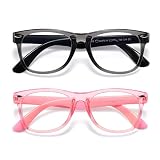
- [Kids Blue Light Blocking Protection] blue light glasses for kids girls boys can block harmful blue light with UV400 protection when kids on Screen time such as using ipad or playing computer games.A useful kids blue light glasses should be chosen to protect kids' eyes and improve their sleep quality. kids will be getting fewer headaches from eye strain.
- [Reduce Eyestarin,Better Life] Long time exposure to harmful blue light will cause headaches, eyestrain and sleep disorder. DYLB Computer glasses for kids can alleviate the uncomfortable feelings. Feel more at ease for the extended screen time kids are exposed daily.
- [Clear Transparent TR90 Frame] The Novel Clear Transparent frame make the kids look fashionable and unique. The cute and stylish style of blue light filter glasses make kids have more initiative to wear them.The kids look adorable when wearing them.
- [LightWeight,Unbreakable] DYLB kids anti blue light glasses are made of light weight TR90 material. The flexible computer glasses can fit kids well, the unbreakableand light weight frame don't make kids feel uncomfortable after long-time wearing.
- [100% Satisfaction Guarantted]If you are not satisfied with our kids blue light glasses ,please return them in any time.You can not only get High-Quality products but also enjoy the satisfactory service from us.Please feel free to contact us for any questions.We will appreciate your advice.
A Familiar Template in a Crowded Space
Modern inspirational cinema has largely standardized its storytelling grammar. Uplifting true stories, gentle humor, pre-approved emotional beats, and a worldview that reassures rather than interrogates are now the norm rather than the exception. The Unbreakable Boy adheres so closely to this template that it rarely distinguishes itself from similar releases, despite its specific subject matter.
This matters because the genre has proven capable of more range than it often allows itself. Recent faith-forward or values-driven films have shown that audiences can handle emotional complexity, moral uncertainty, and even discomfort when those elements are rooted in sincerity. By contrast, The Unbreakable Boy opts for the most predictable route, prioritizing affirmation over exploration.
Appealing to Expectations Rather Than Expanding Them
There’s no question that the film understands its core audience. It offers warmth, reassurance, and a clear emotional takeaway, making it an easy recommendation for viewers seeking comfort rather than challenge. For families and church-based groups, this familiarity may feel like a feature rather than a flaw.
Crashes, No Sound, or Screen Glitches?
Random freezes, missing sound and display glitches usually trace back to one bad driver. Find and replace yours safely.Free scan · under a minutePC Slower Than It Used to Be?
A free scan shows the junk files, broken settings and background clutter dragging Windows down - then fixes them in one click.Free scan · Windows 10 & 11But positioning a film so firmly within audience expectations also limits its cultural footprint. Inspirational cinema often struggles for broader relevance because it resists evolving its storytelling language. By choosing safety at every turn, The Unbreakable Boy reinforces the perception that this corner of the industry is more interested in affirmation than artistic growth.
Why Its Place in the Genre Ultimately Limits Its Impact
The tragedy is that the story at the film’s center has the raw material to transcend genre boundaries. Real-life narratives of disability, faith, and family strain carry inherent complexity that doesn’t require embellishment. When filtered through such a controlled, familiar framework, that complexity is softened into something agreeable but less resonant.
In that sense, The Unbreakable Boy isn’t just representative of modern inspirational cinema—it’s emblematic of its current ceiling. It reflects a genre content to reassure its audience rather than invite them into deeper emotional or spiritual engagement, a choice that keeps the film watchable, but ultimately confines its lasting impact.
Final Verdict: Does ‘The Unbreakable Boy’ Earn Its Tears or Borrow Them?
An Emotional Experience Built on Familiar Tools
The Unbreakable Boy undeniably aims for the heart, and for many viewers, it will reach its target. Its emotional beats are clear, accessible, and arranged to deliver reassurance at regular intervals. If the measure of success is whether audiences feel uplifted by the final act, the film largely succeeds.
Where it falters is in how those emotions are achieved. Rather than letting character development and narrative tension organically earn its most affecting moments, the film relies on a well-worn playbook of inspirational cues. The result is a viewing experience that feels guided rather than discovered, moving but rarely surprising.
Performances That Elevate, But Can’t Rewrite the Script
The cast brings sincerity to material that often needs it. There is genuine warmth in the central performances, and the film’s young lead, in particular, embodies the optimism the story wants to celebrate. These performances prevent the film from feeling cynical or hollow.
Still, strong acting can only do so much when the narrative framework is this rigid. Emotional authenticity struggles to break through when scenes are designed less around character choice and more around delivering a predetermined lesson. The actors carry the film with grace, but they cannot fundamentally reshape its storytelling instincts.
Comfort Over Complexity, By Design
Ultimately, The Unbreakable Boy knows exactly what kind of movie it wants to be. It prioritizes comfort, clarity, and affirmation over ambiguity or challenge, making it an approachable entry point for audiences who value those qualities. For families and faith-based viewers seeking reassurance, that may be more than enough.
Recommended Free Tools
For others, especially those hoping to see inspirational cinema push beyond its familiar boundaries, the film may feel like a missed opportunity. Its tears often feel borrowed from genre convention rather than earned through narrative risk. In choosing safety over depth, The Unbreakable Boy remains likable and well-intentioned, but stops short of becoming truly unforgettable.
Quick Recap
Product prices and availability are accurate as of the date/time indicated and are subject to change. Any price and availability information displayed on Amazon at the time of purchase will apply.




