Free tools Windows power users keep installed
One-click scans. No signup required.
Scrolling through Netflix’s Top 10 this week, The Unbearable Weight of Massive Talent feels like an unexpected but oddly perfect rediscovery. The 2022 Nicolas Cage comedy has surged up the streaming charts with little fanfare, catching casual subscribers off guard and immediately prompting the same question: why this movie, and why now? The answer sits at the intersection of algorithmic timing, Cage’s evergreen meme status, and a growing appetite for movies that feel self-aware without being disposable.
Originally released theatrically in the spring of 2022, Massive Talent arrived with strong critical buzz but modest box office returns, earning around $29 million worldwide on a reported $30 million budget. Critics largely embraced its clever premise and Cage’s dual performance as both a fictionalized version of himself and his younger, ego-fueled alter ego, while audiences treated it more like a cult curiosity than a must-see event. In hindsight, its theatrical underperformance had less to do with quality and more to do with a crowded release window and lingering pandemic-era viewing habits.
![The Unbearable Weight of Massive Talent Steelbook [UHD & Blu-ray]](https://m.media-amazon.com/images/I/41Y-Z2dvQvL._SL160_.jpg)

On Netflix, however, the film plays like it was designed for rediscovery. Viewers stumbling onto it are primed for its blend of action, comedy, and affectionate satire, especially as Cage continues to enjoy a full-scale career reappraisal. Add Pedro Pascal’s scene-stealing turn and a script that doubles as both parody and love letter to Cage’s filmography, and Massive Talent suddenly feels tailor-made for the streaming era, where context, curiosity, and cultural momentum can matter more than opening weekend numbers.
From Box Office Curiosity to Streaming Hit: Revisiting the Film’s Original 2022 Release
When The Unbearable Weight of Massive Talent hit theaters in April 2022, it arrived with a sense of novelty that didn’t quite translate into urgency. The idea of Nicolas Cage playing a heightened version of himself was catnip for critics and online film circles, but less so for general audiences still recalibrating their moviegoing habits. In a marketplace dominated by franchise installments and post-pandemic caution, the film felt more like a clever side dish than a four-quadrant event.
What’s actually slowing this PC down?
Pick the symptom - the matching free tool is one click away.
#1 Best Overall
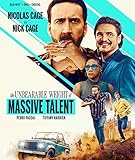
- A cash-strapped Nic Cage agrees to make a paid appearance at a billionaire super fan's birthday party, but soon takes on the role of an action hero when things get dangerous at the event.
A Clever Premise in a Crowded Moment
Released between studio tentpoles and lingering COVID-era uncertainty, Massive Talent struggled to stand out despite strong word of mouth. Lionsgate positioned it as a quirky action-comedy, but its humor leaned heavily on film history, self-parody, and Cage’s own mythos. That specificity made it a delight for fans while also limiting its reach during a theatrical window that favored spectacle over satire.
Critically, the response was far warmer than its box office suggested. Reviews praised the film’s affectionate tone, its willingness to poke fun without turning cruel, and the surprising emotional sincerity beneath the jokes. Pedro Pascal’s performance, in particular, quickly became a standout, earning meme status even as the movie itself quietly exited theaters.
Why It Plays Better Now Than It Did Then
In retrospect, Massive Talent feels like a movie that needed time and distance to find its audience. Cage’s ongoing career renaissance, fueled by risk-taking performances and renewed cultural appreciation, has only sharpened the film’s appeal. What once felt like a niche in-joke now reads as a perfectly timed snapshot of an actor reclaiming his narrative.
Streaming also removes the pressure of expectation. On Netflix, viewers aren’t weighing ticket prices or opening weekend buzz; they’re clicking out of curiosity, nostalgia, or a recommendation algorithm that knows their taste for offbeat hits. In that environment, Massive Talent’s blend of action, comedy, and self-awareness becomes a feature, not a hurdle, allowing the film to finally play to its strengths.
The Tool Desk
Outbyte PC Repair FREEClear out junk files and repair common Windows errorsFree Scan →Outbyte Driver Updater FREEScan for outdated or missing drivers - takes under a minuteDriver Scan →Why Nicolas Cage Playing Nicolas Cage Is the Ultimate Meta Hook
At the center of Massive Talent’s Netflix surge is a premise that feels almost algorithm-proof in its appeal: Nicolas Cage playing Nicolas Cage, wrestling with his own reputation in real time. It’s a concept that instantly sparks curiosity, even among viewers who might not follow his career closely. You don’t need deep film knowledge to get the joke, but if you have it, the movie rewards you generously.
This self-aware setup also fits perfectly with how people browse Netflix. Scrolling viewers are drawn to ideas that can be grasped in a sentence, and “Cage plays himself” is about as clean a hook as streaming gets. It promises novelty, comedy, and a sense that you’re in on something clever, not just watching another generic action title.
A Career Myth Turned Into the Plot
Massive Talent doesn’t just reference Cage’s past films; it builds its emotional stakes around them. The movie understands that Cage is both a serious actor and an internet punchline, and it uses that tension as fuel rather than pretending it doesn’t exist. His character’s insecurity about being seen as a joke mirrors years of cultural conversation about his career choices.
That honesty is part of why the performance lands. Cage leans into the memes, the excess, and the legacy, while still grounding the character in genuine self-doubt. On streaming, where audiences often gravitate toward personality-driven films, that vulnerability reads as refreshing instead of indulgent.
Do these 3 things before closing this tab:
1Scan for outdated or missing drivers - takes under a minute2Clear out junk files and repair common Windows errors3Fix the driver behind crashes, sound loss and screen glitchesFan Service That Invites Newcomers In
For longtime fans, the film is packed with winks, references, and affectionate callbacks that feel like a curated tour through Cage’s cinematic history. But crucially, the movie never locks casual viewers out. The humor works even if you only vaguely know his reputation, turning insider jokes into accessible comedy.
That balance makes Massive Talent ideal for Netflix’s broad audience. It functions as both a love letter and an introduction, which helps explain why it’s resonating now with viewers discovering it for the first time. In a streaming landscape crowded with content, familiarity mixed with self-parody can be a powerful draw.
A Meta Comedy Built for the Streaming Era
Meta storytelling thrives in environments where audiences can pause, rewind, and immediately look things up. Watching Cage reference his own filmography on Netflix invites viewers to engage beyond the screen, whether that means revisiting older movies or sharing clips online. The film feels designed for a culture that enjoys decoding jokes as much as watching explosions.
Rank #2
![The Unbearable Weight of Massive Talent [4K UHD]](https://m.media-amazon.com/images/I/51rlETtPKNL._SL160_.jpg)
- A cash-strapped Nic Cage agrees to make a paid appearance at a billionaire super fan's birthday party, but soon takes on the role of an action hero when things get dangerous at the event.
That interactivity feeds directly into its chart climb. Massive Talent isn’t just something to watch; it’s something to react to, quote, and recommend. As Netflix continues to reward buzz-driven viewing, Nicolas Cage playing Nicolas Cage becomes not just a gimmick, but the engine powering the movie’s second life.
The Netflix Effect: Algorithm Boosts, Meme Culture, and Word-of-Mouth Rediscovery
When the Algorithm Finds the Perfect Movie at the Right Time
Netflix’s recommendation engine thrives on recognizable faces and high-concept hooks, and Massive Talent checks both boxes instantly. A movie starring Nicolas Cage as Nicolas Cage is the kind of logline that stops a scroll, especially when paired with strong completion rates once viewers press play. As engagement builds, the algorithm does the rest, quietly pushing the film onto more homepages and into more Top 10 lists.
This kind of momentum rarely reflects a sudden critical reassessment so much as a discovery curve finally reaching scale. On Netflix, a movie doesn’t need to be new to feel new. It just needs enough viewers to click, finish, and recommend it within a short window.
Meme Culture Turns Self-Parody Into Shareable Currency
Cage has long existed at the intersection of genuine artistry and internet irony, and Massive Talent understands that better than most films. Clips, screenshots, and quotes from the movie circulate easily on social media because they feel designed for it, blurring the line between affectionate parody and sincere character work. The humor lands even in isolation, which makes it ideal for feeds and group chats.
That shareability fuels curiosity. Viewers who might have skipped the film during its theatrical run are now encountering it as a punchline, a reaction gif, or a “you have to see this” post. On streaming, memes function as trailers, and Massive Talent is unusually fluent in that language.
Crashes, No Sound, or Screen Glitches?
Random freezes, missing sound and display glitches usually trace back to one bad driver. Find and replace yours safely.Free scan · under a minuteWindows Errors? Fix Them Before They Spread
Repair common Windows errors and clear accumulated junk for a smoother, more stable PC - no reinstall needed.Free scan · no reinstallA Second Life After a Modest Theatrical Run
When The Unbearable Weight of Massive Talent debuted in theaters in 2022, it earned solid reviews and respectable box office numbers, but it wasn’t a breakout hit. The film performed well enough to justify its cult appeal without ever becoming a mainstream must-see. That middle-ground reception often sets the stage for streaming success, where expectations reset and audiences are more forgiving.
On Netflix, the movie plays less like a niche comedy and more like a rediscovered gem. Viewers approaching it without box office baggage or marketing fatigue are free to enjoy the novelty on its own terms. The result is a wave of delayed appreciation that feels organic rather than manufactured.
Word-of-Mouth Finds Its Ideal Platform
Streaming turns casual recommendations into immediate action. When someone texts “this Nicolas Cage movie is actually great,” the barrier between suggestion and viewing is essentially gone. Massive Talent benefits from that frictionless word-of-mouth, especially among viewers who enjoy personality-driven films that spark conversation.
The film’s rise isn’t about hype cycles or franchise loyalty. It’s about timing, accessibility, and a star whose cultural relevance refuses to fade. Netflix didn’t change Massive Talent; it simply put it where its humor, self-awareness, and Cage-fueled chaos could finally find the audience it was waiting for.
Pedro Pascal’s Scene-Stealing Turn and the Buddy-Comedy Energy Driving Rewatches
One of the biggest reasons The Unbearable Weight of Massive Talent is finding new life on Netflix is Pedro Pascal. As Javi Gutiérrez, a wealthy superfan with questionable taste and boundless enthusiasm, Pascal doesn’t just support Nicolas Cage’s meta performance — he actively elevates it. His sincerity, nervous charm, and emotional openness turn what could have been a one-note joke into the film’s beating heart.
Pascal plays Javi with complete commitment, never winking at the audience even as the movie around him revels in self-awareness. That contrast is key. Cage gets to oscillate between bravado, insecurity, and self-parody, while Pascal grounds the film with a character who genuinely loves movies, Cage included, in a way that feels disarmingly pure.
Rank #3
A Buddy Comedy Hidden Inside a Meta Experiment
Strip away the high-concept premise and Massive Talent is, at its core, a classic odd-couple comedy. Cage’s volatile, ego-bruised version of himself clashes beautifully with Javi’s earnestness, creating a rhythm that feels closer to a throwback studio comedy than a modern satire. Their evolving friendship becomes the movie’s most reliable engine, especially once the plot leans into genre spoofing.
This dynamic is what makes the film so rewatchable on streaming. Viewers aren’t just revisiting individual jokes or references; they’re coming back for the chemistry. Like the best buddy comedies, the pleasure comes from watching two personalities bounce off each other, knowing where scenes are headed but enjoying the ride anyway.
Quick wins for a faster PC:
Scan for outdated or missing drivers - takes under a minuteDriver Scan →Repair Windows errors before they cause bigger problemsFix Now →Why Pascal’s Performance Travels So Well on Streaming
Pedro Pascal’s current pop culture dominance also plays a role in the Netflix surge. For audiences who know him from The Last of Us or The Mandalorian, Massive Talent offers a lighter, more playful counterpoint that highlights his range. It feels like a discovery, even though the performance has been there since 2022.
On streaming, that kind of rediscovery matters. Viewers scrolling the Netflix chart aren’t just clicking on a Nicolas Cage curiosity; they’re clicking on a movie that promises comfort, laughter, and surprisingly sincere emotion. Pascal’s turn transforms Massive Talent from a clever concept into a movie people want to spend time with again, which is exactly the kind of energy that keeps a title climbing once it breaks into the algorithm.
Critical Reception vs. Audience Response: How the Film Aged in Just a Few Years
When The Unbearable Weight of Massive Talent premiered in 2022, critics were largely on its side. Reviews praised the film’s clever self-awareness, its affectionate take on Nicolas Cage’s career, and the surprising warmth beneath the meta humor. Many called it a crowd-pleaser with brains, even if it didn’t reinvent the Cage comeback narrative so much as crystallize it.
That enthusiasm, however, was measured rather than euphoric. Some critics noted that the film’s third act leaned too heavily into conventional action beats, undercutting the playful weirdness that made the setup feel special. At the time, Massive Talent was framed as a smart novelty rather than an instant classic.
What Audiences Took Longer to Embrace
Audience response has always been more enthusiastic than the box office numbers suggested. Viewers who discovered the film at home tended to respond less to its structure and more to its spirit. The joy of watching Cage fully weaponize his persona, while still exposing vulnerability, landed harder in living rooms than it did in theaters competing with bigger franchise noise.
Over time, that reaction has only intensified. On Netflix, the film isn’t being judged as a theatrical event but as a piece of comfort entertainment. The jokes play broader, the references feel cozier, and the emotional sincerity stands out more clearly without expectations of spectacle.
Why the Film Feels Better Now Than It Did Then
Part of Massive Talent’s improved reputation comes from timing. Cage’s post-2022 run, from Pig to Dream Scenario, has reframed him not as a meme but as a genuinely fascinating late-career performer. In hindsight, Massive Talent reads less like a one-off gag and more like a mission statement for this phase of his career.
Streaming also flattens the hype cycle. Removed from opening-weekend pressure, the film’s modest ambitions become strengths. It doesn’t need to shock or overwhelm; it just needs to entertain for two hours, which it does with growing confidence on repeat viewings.
Critics vs. Viewers in the Netflix Era
The Netflix chart climb suggests a narrowing gap between critical appreciation and audience affection. What critics admired intellectually in 2022, audiences are now embracing emotionally. The film’s self-referential humor no longer feels niche; it feels inviting, especially to viewers already fluent in pop culture and Cage lore.
Rank #4
![The Unbearable Weight of Massive Talent [Blu-ray]](https://m.media-amazon.com/images/I/51aLCXlqJ+L._SL160_.jpg)
- Comedy, Action
That convergence is why Massive Talent is aging so well. It’s no longer being evaluated as a clever stunt, but as a genuinely enjoyable comedy with heart. In the streaming ecosystem, where rewatchability and word-of-mouth matter more than opening numbers, that shift in perception is exactly what keeps a film climbing.
What the Movie Says About Fame, Fandom, and the Cage Cinematic Persona
At its core, The Unbearable Weight of Massive Talent works because it understands the strange feedback loop between celebrity and audience. It isn’t just a parody of Nicolas Cage’s career; it’s a commentary on how modern fame is negotiated in real time by fans, memes, and self-awareness. That makes it especially resonant in the Netflix era, where movies live or die by how audiences emotionally connect to them at home.
Fame as Performance and Prison
The film’s version of Cage is constantly performing, even when he’s trying not to. Massive Talent treats fame as something both sustaining and exhausting, a role Cage can never fully step out of because the world refuses to let him. That tension gives the comedy its bite, but it also grounds the story in something unexpectedly human.
Watching it now, the portrayal feels less exaggerated than it did in 2022. In an age where public figures are expected to curate their own mythologies online, Cage’s struggle to reconcile who he is with who people want him to be feels familiar rather than absurd.
Fandom Without Cynicism
Pedro Pascal’s superfan character isn’t written as a punchline so much as a love letter to passionate moviegoers. The film treats fandom as sincere, emotional, and occasionally overwhelming, but never toxic. That generosity toward fans mirrors how Massive Talent itself wants to be received: not as ironic content, but as a genuine expression of affection for cinema.
This warmth is a big reason the movie is finding traction on Netflix. Viewers aren’t being asked to keep their distance or laugh at Cage; they’re invited to laugh with him, especially if they’ve ever defended one of his wilder performances to a skeptical friend.
The Cage Persona as Collaborative Myth
Perhaps the film’s smartest insight is that the “Nic Cage” persona doesn’t belong solely to the actor anymore. It’s a shared creation, shaped by decades of performances, audience expectations, and pop culture reinterpretation. Massive Talent embraces that idea by letting Cage argue with his younger self, literally and metaphorically.
Recommended Free Tools
That self-dialogue feels especially rewarding now, after audiences have watched Cage reclaim his range in more restrained, dramatic projects. On Netflix, the movie plays like a playful checkpoint in that evolution, acknowledging the chaos of his legacy while reaffirming why people keep rooting for him.
Independent reader supportYour contribution helps us test, update, and keep practical guides available for everyone.Is It Worth Your Time Now? Who Will Love It—and Who Might Not
The short answer is yes, especially if you’re scrolling Netflix wondering why this title suddenly feels unavoidable. Massive Talent works best as a comfort watch with sharp edges: self-aware without being smug, goofy without losing emotional footing. It’s easy to drop into, but it also rewards viewers who enjoy movies that reflect on their own existence.
You’ll Love It If You’re Here for Cage, Cinema, or Both
If you’ve ever had a strong opinion about Nicolas Cage’s career arc, this movie is already speaking your language. It assumes familiarity with his highs, lows, memes, and mythos, but it never turns that knowledge into homework. Instead, it invites you to enjoy the joke while appreciating how committed Cage is to turning self-parody into something oddly sincere.
It’s also a treat for movie lovers who enjoy references without needing to pause and catalog them. The film’s nods to Cage classics and action-thriller tropes land quickly and move on, which makes it feel breezy rather than self-indulgent. That approach plays especially well on Netflix, where viewers tend to favor momentum over meticulousness.
Best Value
Why It Plays Better Now Than It Did in Theaters
When Massive Talent hit theaters in 2022, it arrived as a cult-curious oddity rather than a must-see event. Its modest box office reflected that, even as reviews praised its charm and Pascal’s scene-stealing performance. On streaming, the stakes are lower, and that’s to the movie’s advantage.
Netflix viewers are encountering it without marketing noise or expectations of a “big” Cage comeback. In this context, the film feels like a discovery rather than a statement, which helps explain its current chart climb. It’s exactly the kind of title that spreads through word-of-mouth algorithms: funny, accessible, and just distinctive enough to stand out on a crowded home screen.
Who Might Want to Skip It
If you’re looking for a straightforward action movie or a traditional Nicolas Cage thriller, this isn’t that. The film intentionally undercuts its genre turns with meta humor and emotional asides, which can feel distracting if you want clean, high-stakes plotting. It also leans heavily on its central gimmick, so viewers unmoved by self-referential storytelling may find it repetitive.
Similarly, anyone unfamiliar with Cage’s cultural footprint may miss some of the subtext, even if the surface-level comedy still lands. Massive Talent doesn’t exclude casual viewers, but it undeniably plays best to those who enjoy watching pop culture examine itself.
A Streaming-Era Sweet Spot
Ultimately, the movie’s Netflix success makes sense because it thrives in the space between background watch and conversation starter. It’s light enough to throw on after dinner, but thoughtful enough to prompt a “that was better than I expected” reaction. For a film built around the idea of rediscovery, finding new life on streaming feels less like a second chance and more like the natural end of the joke.
What This Streaming Surge Means for Nicolas Cage’s Ongoing Career Renaissance
The Netflix climb of The Unbearable Weight of Massive Talent isn’t just a curiosity of the algorithm; it’s another data point in Nicolas Cage’s carefully redefined second act. Over the past few years, Cage has shifted from overexposed punchline to selective cult hero, choosing projects that actively engage with his myth rather than run from it. Streaming has amplified that strategy, giving his offbeat choices a longer, more forgiving runway to find the right audience.
A Meta Performance That Reframes the Cage Brand
Massive Talent works because it acknowledges everything audiences think they know about Cage and then reshapes it into something warmer and more self-aware. His willingness to play a heightened version of himself signals confidence, not desperation, and that tone has become central to his recent resurgence. Seen alongside films like Pig, Mandy, and Dream Scenario, it positions Cage as an actor comfortable toggling between sincerity, absurdity, and vulnerability.
For Netflix viewers discovering the film now, it doesn’t feel like a novelty act. It feels like part of a larger, intentional creative arc, one where Cage is actively curating how he’s perceived in the modern film ecosystem.
Streaming as the Perfect Home for Cage’s Second Act
Cage’s renaissance has largely thrived outside the traditional studio system, and Massive Talent’s streaming success reinforces why. These films don’t always open big, but they linger, circulate, and build reputations over time. Netflix, in particular, allows Cage’s work to be consumed without the pressure of opening-weekend narratives, letting curiosity drive viewership instead of hype.
That dynamic benefits an actor whose appeal now rests on unpredictability and texture rather than spectacle. Viewers aren’t tuning in for a blockbuster Cage performance; they’re tuning in to see which version of him shows up this time.
A Signal to Audiences and Filmmakers Alike
The film’s chart performance also sends a message about what audiences want from legacy stars in the streaming era. Reinvention, self-awareness, and personality-driven projects travel better than glossy nostalgia plays. Cage’s recent run suggests that leaning into one’s cultural history, rather than denying it, can be a viable long-term strategy.
For casual viewers debating whether to press play, this surge is a useful endorsement. The Unbearable Weight of Massive Talent isn’t just a clever one-off; it’s a snapshot of why Nicolas Cage feels newly relevant again. In finding a second life on Netflix, the film confirms that Cage’s comeback isn’t a moment. It’s a movement still very much in progress.
Quick Recap
Product prices and availability are accurate as of the date/time indicated and are subject to change. Any price and availability information displayed on Amazon at the time of purchase will apply.