Masters of the Air arrived on Apple TV+ with the weight of expectation that comes from its lineage. As the long-awaited follow-up to Band of Brothers and The Pacific, the series transformed the air war over Europe into visceral prestige television, capturing the terror of daylight bombing raids and the brotherhood forged at 25,000 feet. Yet even at its most harrowing, the dramatized format could only gesture toward the full cost borne by the real men of the 100th Bomb Group, whose losses were so severe they earned the grim nickname “the Bloody Hundredth.”
That gap between cinematic immersion and historical reality is precisely why The Bloody Hundredth documentary feels not supplemental, but essential. Where the series must compress timelines, composite characters, and shape arcs for narrative momentum, the documentary slows everything down. It restores individual voices to the airmen who lived through the missions depicted onscreen, grounding the spectacle in firsthand testimony, archival footage, and unfiltered memory that no scripted drama can fully replicate.


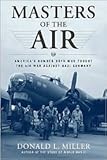
In doing so, The Bloody Hundredth reframes Masters of the Air as the entry point rather than the final word. The documentary deepens the emotional impact by revealing what survival actually meant for these crews, how staggering the casualty rates truly were, and how the war’s aftermath lingered long after the engines stopped. It becomes a historical reckoning that honors the men behind the myth, transforming entertainment into remembrance and ensuring that the story of the 100th Bomb Group is understood not just as television, but as lived history.
Who Were the Bloody Hundredth? The Real History of the 100th Bomb Group and Their Infamous Losses
To understand why Masters of the Air carries such emotional weight, it helps to know exactly who the Bloody Hundredth were beyond their dramatized portrayals. The 100th Bomb Group was activated in 1942 as part of the Eighth Air Force, flying B-17 Flying Fortresses from Thorpe Abbotts, England. Their mission was brutally straightforward and perilous: daylight precision bombing over Nazi-occupied Europe, deep into heavily defended territory where enemy fighters and flak were relentless.
#1 Best Overall
What set the 100th apart was not bravado or exceptional training, but the sheer scale of loss they endured in a remarkably short period of time. By the end of the war, the group would suffer one of the highest casualty rates of any U.S. Army Air Forces unit, a reality that earned them a nickname spoken with equal parts respect and dread among aircrews.
Daylight Bombing and a Statistical Nightmare
Daylight bombing was considered essential to crippling German industry, but it came at an almost unimaginable human cost. Before long-range fighter escorts were fully operational, B-17 crews often flew unprotected for hours, becoming prime targets for German interceptors and anti-aircraft guns. For the men of the 100th, survival often felt like a matter of chance rather than skill.
The numbers alone explain the group’s grim reputation. The 100th flew 306 combat missions and lost 177 aircraft destroyed, with many more damaged beyond repair. Over 700 airmen were killed, and hundreds more were wounded or captured, meaning that few crews completed their tour of duty without losing friends, tentmates, or entire replacement crews in a single day.
Black Thursday and the Birth of the Bloody Hundredth
October 10, 1943, known as Black Thursday, would permanently define the 100th Bomb Group’s legacy. During a mission to bomb Munster, Germany, the group lost 12 of its 13 B-17s dispatched, with most of their crews killed or taken prisoner. The devastation was so complete that returning aircraft landed to near silence on the airfield, the absence of familiar engines more haunting than any explosion.
The Bloody Hundredth documentary revisits this moment not as a dramatic climax, but as a lived trauma, placing survivor testimony alongside mission records and combat footage. Veterans recount the shock of realizing who did not return, and the emotional numbness that followed, a dimension that scripted television can only imply.
The Human Cost Behind the Nickname
While Masters of the Air captures the tension inside the cockpit, the documentary expands the lens to show how loss reshaped daily life at Thorpe Abbotts. Empty bunks, untouched flight jackets, and letters that would never be sent home became part of the routine. The Bloody Hundredth reveals how crews formed bonds quickly, knowing they might not survive long enough to grieve properly.
Veterans interviewed in the documentary speak candidly about survivor’s guilt, fear, and the pressure to keep flying despite staggering odds. These firsthand accounts strip away romanticism, reinforcing that the Bloody Hundredth was not defined by glory, but by endurance in the face of near-constant attrition.
Why Their Story Still Matters
The real history of the 100th Bomb Group underscores why The Bloody Hundredth documentary is essential viewing alongside Masters of the Air. It restores scale to the losses hinted at onscreen and reconnects names, faces, and voices to statistics that might otherwise blur together. By grounding the series in documented experience, the film ensures the Bloody Hundredth are remembered not just as characters in a prestige drama, but as young men who carried an extraordinary burden in one of the war’s most unforgiving theaters.
Recommended Free Tools
Beyond the Cockpit: Veterans’ Voices and Firsthand Testimony at the Heart of The Bloody Hundredth
Where Masters of the Air necessarily filters experience through dramatization, The Bloody Hundredth removes that final layer of distance. The documentary places surviving members of the 100th Bomb Group front and center, allowing them to narrate their own history in voices shaped by time, memory, and loss. Their testimony becomes the spine of the film, grounding the spectacle of aerial warfare in lived reality.
These are not polished recollections shaped for television drama. They are fragmented, emotionally direct memories of young men who flew knowing the odds were against them and that survival often felt arbitrary. The documentary lets these accounts breathe, trusting silence and hesitation as much as words.
Memories That Couldn’t Be Scripted
Veterans describe moments that no cockpit recreation can fully convey: the sound of flak tearing through aluminum, the sudden absence of a familiar voice on the intercom, the sight of a burning B-17 spiraling away with friends still inside. These recollections are often relayed with a restraint that makes them more powerful, as if the men are still measuring what can be spoken aloud.
The Bloody Hundredth juxtaposes these memories with mission logs, photographs, and wartime footage, creating a dialogue between personal truth and historical record. When a veteran identifies faces in a crew photo and quietly notes who did not survive, the abstraction of casualty numbers collapses into something intimate and devastating.
Quick wins for a faster PC:
Scan for outdated or missing drivers - takes under a minuteDriver Scan →Repair Windows errors before they cause bigger problemsFix Now →Fix the driver behind crashes, sound loss and screen glitchesFind Drivers →Life on the Ground, Fear in the Air
Beyond combat, the documentary explores the emotional whiplash of life at Thorpe Abbotts between missions. Veterans speak of brief moments of normalcy, joking in the mess hall or writing letters home, always undercut by the knowledge that tomorrow’s briefing could be their last. The waiting, many recall, was sometimes worse than the flying.
Rank #2
This perspective deepens what Masters of the Air suggests visually. The series shows tension before takeoff, but the documentary captures the cumulative psychological toll: the sleepless nights, the superstitions, and the quiet calculations about how many missions remained before a crew could rotate home.
Why These Voices Complete the Story
By centering firsthand testimony, The Bloody Hundredth reframes the 100th Bomb Group not as symbols of sacrifice, but as individuals who endured extraordinary stress at a young age. Their accounts reveal how courage often coexisted with fear, doubt, and exhaustion, complicating the traditional mythology of the daylight bombing campaign.
As a companion to Masters of the Air, the documentary doesn’t correct the series so much as complete it. It ensures that behind every dramatized sortie are real voices, carrying memories that outlasted the war itself and continue to define what the Bloody Hundredth truly was.
Free tools Windows power users keep installed
One-click scans. No signup required.
Fact vs. Dramatization: How the Documentary Clarifies, Corrects, and Deepens Masters of the Air
Masters of the Air is largely faithful to the broad historical arc of the 100th Bomb Group, but like all dramatic storytelling, it compresses time, blends experiences, and sharpens conflict for narrative momentum. The Bloody Hundredth operates as a corrective lens, not by dismantling the series, but by restoring scale, context, and consequence to what viewers have already seen.
Where the series must move quickly from mission to mission, the documentary slows the rhythm, allowing individual operations to breathe. It situates dramatic set pieces within the larger Eighth Air Force campaign, clarifying why certain targets mattered, how mission priorities shifted, and what the cumulative cost of those decisions became by late 1943.
Composite Characters and Compressed Timelines
One of the most common liberties taken in Masters of the Air is the use of composite characters and accelerated timelines. The documentary addresses this implicitly by reintroducing the real men whose experiences were folded together for the series, naming them, showing their photographs, and grounding their stories in specific dates and missions.
This clarification doesn’t diminish the drama; it enriches it. Viewers gain a clearer sense of how many crews cycled through the Bloody Hundredth, how frequently leadership changed due to casualties, and how instability became a defining feature of the unit’s identity rather than an exception.
PC Slower Than It Used to Be?
A free scan shows the junk files, broken settings and background clutter dragging Windows down - then fixes them in one click.Free scan · Windows 10 & 11Crashes, No Sound, or Screen Glitches?
Random freezes, missing sound and display glitches usually trace back to one bad driver. Find and replace yours safely.Free scan · under a minuteThe True Nature of Loss
Masters of the Air powerfully conveys danger, but The Bloody Hundredth makes the scale of loss unmistakable. Veterans and historians alike emphasize that disastrous missions were not rare anomalies but recurring realities, with entire crews wiped out in minutes and replacement airmen arriving to half-empty barracks.
The documentary corrects any lingering impression that survival was the norm. By pairing mission statistics with personal testimony, it underscores that the 100th’s reputation was earned through sustained attrition, not singular tragedy.
Flak, Fighters, and the Myth of Control
The series often dramatizes aerial combat through visually distinct fighter attacks, which translate well onscreen. The documentary rebalances that image by stressing the omnipresence of flak, the impersonal, mechanical violence that crews feared most and could not fight back against.
Veterans describe flak as random and relentless, tearing aircraft apart without warning. This perspective deepens the viewer’s understanding of how little control bomber crews actually had once over enemy territory, complicating the idea of heroism as something clean or tactical.
The Tool Desk
Outbyte Driver Updater FREEScan for outdated or missing drivers - takes under a minuteDriver Scan →Outbyte PC Repair FREEClear out junk files and repair common Windows errorsFree Scan →Prisoners of War and the Aftermath of Survival
Masters of the Air touches on capture and imprisonment, but The Bloody Hundredth expands this chapter with sobering detail. Former POWs recount interrogations, forced marches, hunger, and the psychological disorientation of surviving when so many did not.
These testimonies correct any sense that being shot down marked the end of the story. Survival carried its own burdens, often extending the trauma of combat long after the engines stopped turning.
Command Decisions and Moral Complexity
Perhaps most crucially, the documentary restores the moral ambiguity that drama sometimes smooths over. Strategic decisions made by commanders are examined with historical distance, acknowledging both their necessity within wartime logic and their devastating human cost.
By placing those decisions alongside the voices of the men who flew the missions, The Bloody Hundredth deepens Masters of the Air’s emotional impact. It reminds viewers that history is not just shaped by courage in the cockpit, but by choices made far from the flak-filled skies, choices whose consequences were borne by young men flying into daylight over Europe.
Do these 3 things before closing this tab:
1Fix the driver behind crashes, sound loss and screen glitches2Clear out junk files and repair common Windows errors3Scan for outdated or missing drivers - takes under a minuteThe Air War Over Europe Explained: Missions, Mortality Rates, and the Brutal Reality of Daylight Bombing
To fully grasp what Masters of the Air dramatizes, The Bloody Hundredth grounds viewers in the unforgiving arithmetic of the air war itself. Daylight precision bombing was not just a tactical choice but a doctrine pursued at enormous cost, one that placed young crews into the most heavily defended airspace on earth, day after day.
The documentary strips away the abstraction of strategy and replaces it with lived experience. Missions are not presented as heroic sorties but as statistical gambles, where survival was never assumed and completion was often a matter of chance rather than skill.
What a Mission Actually Meant
A single mission for a B-17 crew could last eight to ten hours, much of it spent in bitter cold at high altitude with oxygen masks, frozen guns, and limited mobility. Once over occupied Europe, formations tightened, flak intensified, and the margin for error vanished.
The Bloody Hundredth emphasizes how regimented and exhausting this routine was. Crews flew the same aircraft, over the same targets, knowing previous missions had already cost friends their lives, yet were expected to climb back aboard with mechanical reliability and emotional composure.
Attrition by the Numbers
Statistics long cited in histories become visceral when paired with veteran testimony. In 1943, a bomber crew’s chances of completing a 25-mission tour were grim, with some periods showing casualty rates approaching 50 percent for certain groups.
The 100th Bomb Group’s losses were particularly severe during early raids on targets like Bremen, Münster, and Schweinfurt. The documentary contextualizes the group’s nickname not as mythmaking, but as a reflection of sustained, documented attrition that set them apart even within the Eighth Air Force.
The Illusion of Precision and the Reality of Chaos
Daylight bombing promised accuracy, but The Bloody Hundredth makes clear how often that promise collided with reality. Weather, smoke, flak bursts, damaged lead aircraft, and last-second target switches routinely disrupted bombing runs.
Veterans recount moments when the goal narrowed simply to staying in formation long enough to drop bombs somewhere near the aiming point. This disconnect between strategic intention and battlefield execution adds crucial nuance to Masters of the Air’s portrayal of command confidence versus crew-level uncertainty.
What’s actually slowing this PC down?
Pick the symptom - the matching free tool is one click away.
Why Daylight Made Everything Worse
Flying by day exposed bombers to relentless fighter interception and precisely aimed anti-aircraft fire. Unlike night bombers, American crews were visible, predictable, and forced to maintain straight, level flight during bombing runs, effectively inviting enemy fire.
The documentary underscores how this vulnerability shaped crew psychology. Men spoke of the bombing run as the most terrifying minutes of their lives, a stretch of time where training offered little comfort and survival depended largely on whether the flak burst a few feet closer or farther away.
The Documentary’s Essential Perspective
Where Masters of the Air captures the scale and spectacle of the campaign, The Bloody Hundredth explains its cost with historical clarity. By anchoring doctrine, mission design, and casualty rates to firsthand accounts, the documentary restores the human stakes sometimes obscured by cinematic momentum.
It becomes clear that understanding the air war over Europe is not just about appreciating aerial combat, but about recognizing the systemic exposure to death that defined the experience of the 100th Bomb Group. In doing so, the documentary transforms the series from a powerful drama into a gateway for deeper historical reckoning.
Brotherhood, Trauma, and Survival: The Human Cost Behind the Legend of the 100th Bomb Group
Crews Forged in the Air
The Bloody Hundredth grounds the legend of the 100th Bomb Group not in aircraft or statistics, but in the fragile bonds formed inside a vibrating aluminum fuselage. Crews were assembled quickly, trained intensely, and then sent into combat where trust became a survival mechanism rather than a sentiment. Masters of the Air dramatizes this closeness, but the documentary reveals how deeply personal and immediate those bonds truly were.
Veterans describe relationships closer than family, forged under conditions where each man’s competence directly affected whether the others lived. Pilots depended on navigators to guide them home, gunners trusted each other to cover blind spots, and everyone relied on the flight engineer to keep a damaged bomber in the air. When a plane failed to return, the loss reverberated through the group with brutal intimacy.
The Weight of Anticipated Loss
One of the documentary’s most sobering contributions is how it addresses the psychological toll of simply waiting. Before each mission, men scanned empty bunks and mentally prepared for the possibility that someone would not come back. Survival became a temporary condition, renewed mission by mission, rather than an assumed outcome.
Masters of the Air captures moments of fear and bravado, but The Bloody Hundredth contextualizes them within a sustained state of stress that modern audiences would recognize as trauma. Veterans speak calmly about symptoms that were never named at the time: sleeplessness, emotional numbness, and the inability to imagine a future beyond the next briefing.
Free tools Windows power users keep installed
One-click scans. No signup required.
Luck, Math, and the Myth of Invincibility
The documentary strips away any lingering notion that survival was earned solely through skill. Completion of a 25-mission tour depended as much on luck as on experience, especially during the height of German resistance in 1943. Even the most capable crews could be lost to a single flak burst or an unlucky fighter pass.
This reality complicates the heroic arc often associated with bomber crews. The 100th’s reputation for heavy losses was not a reflection of failure, but of exposure, timing, and the unforgiving mathematics of daylight bombing. By presenting casualty figures alongside personal recollections, The Bloody Hundredth reframes survival as an exception rather than an expectation.
Living With What Came Home
For those who survived, the war did not end upon return to England or the United States. The documentary allows veterans space to reflect on what they carried with them long after the engines stopped: memories of burning aircraft, unanswered questions about why they lived, and a lifelong connection to men frozen in their early twenties.
These testimonies add emotional depth to Masters of the Air by revealing what the series cannot fully show within its dramatic timeframe. The cost of service extended beyond combat and into decades of quiet reckoning, shaping how these men remembered the war and how they wished it to be understood by those who came after.
Outdated Drivers Are Slowing You Down
One free scan finds every outdated or missing driver and matches the right update for your exact hardware.Free scan · exact hardware matchPC Slower Than It Used to Be?
A free scan shows the junk files, broken settings and background clutter dragging Windows down - then fixes them in one click.Free scan · Windows 10 & 11Archival Footage, Personal Letters, and Living Memory: How The Bloody Hundredth Builds Its Historical Authority
What ultimately separates The Bloody Hundredth from a conventional behind-the-scenes companion is its grounding in primary historical material. Rather than relying solely on retrospective commentary, the documentary roots its narrative in the same raw sources that historians use to reconstruct the air war: combat footage, contemporary correspondence, and firsthand testimony recorded before memory faded or became mythologized.
The result is a work that does not merely explain Masters of the Air, but deepens it. The series’ dramatic recreations gain weight when placed alongside the physical evidence and personal voices that shaped the real experiences of the 100th Bomb Group.
Combat Film and the Unfiltered Reality of Daylight Bombing
The Bloody Hundredth makes extensive use of wartime archival footage, including mission film shot from within B-17s and intelligence reels used to assess bomb damage. These images are often unstable, grainy, and incomplete, reinforcing how limited visibility and information were during combat. They remind viewers that even official records were created under extreme conditions, often moments after survival itself was no longer guaranteed.
Seen alongside Masters of the Air, this footage strips away any lingering romanticism. The formations look smaller, the skies emptier, and the chaos more pronounced than dramatization can fully convey. The documentary uses these visuals not as spectacle, but as corroboration, anchoring the series’ heightened drama in observable fact.
Recommended Free Tools
Best Value

- Soldiers
- WW II
- Rescue
- Mission
- Phillipines
Letters Home as Emotional and Historical Evidence
Equally powerful are the personal letters woven throughout the documentary. Written before missions, between sorties, or during brief moments of rest, they capture the emotional register of the men in real time, unfiltered by hindsight. Some are hopeful, others guarded, and many are carefully composed to shield loved ones from the realities of combat.
These letters serve a dual purpose. Historically, they establish timelines, morale, and the evolving understanding crews had of their odds. Emotionally, they expose the distance between what airmen lived and what they felt permitted to say, a gap that Masters of the Air dramatizes, but which The Bloody Hundredth proves through the men’s own words.
Veterans’ Voices and the Authority of Lived Experience
At the heart of the documentary is the presence of surviving members of the 100th Bomb Group, speaking not as characters, but as witnesses. Their recollections are measured, often understated, and shaped by decades of reflection rather than performance. The authority they bring is not theatrical; it is earned through proximity to events that cannot be replicated.
These interviews do more than validate the events depicted in Masters of the Air. They complicate them, offering corrections, context, and moments of quiet contradiction. In doing so, The Bloody Hundredth asserts itself as an essential historical companion, ensuring that the legacy of the “Bloody Hundredth” is preserved not just as compelling television, but as lived history, carried forward by those who were there.
Why The Bloody Hundredth Is Essential Viewing: Completing the Story Masters of the Air Began
Masters of the Air delivers the scale, tension, and dramatic propulsion of a prestige war epic. The Bloody Hundredth completes that experience by grounding it firmly in historical consequence, human cost, and lived memory. Together, they form a rare pairing where dramatization and documentation operate not in competition, but in conversation.
From Prestige Drama to Historical Reckoning
Where the series necessarily compresses time and characters, the documentary restores duration and consequence. Missions blur together in Masters of the Air to convey relentless pressure; The Bloody Hundredth slows that momentum, allowing viewers to understand just how much was endured over months and years. Losses that feel episodic in drama become cumulative, devastating, and statistically staggering in documentary form.
This shift in perspective reframes the series’ most harrowing moments. What felt like narrative escalation is revealed as historical reality, repeated again and again until the group’s reputation was forged not by mythmaking, but by attrition.
The Men Behind the Characters
One of the documentary’s most essential contributions is its reclamation of individuality. While Masters of the Air introduces composite characters to represent broader experiences, The Bloody Hundredth names names, shows faces, and restores biographies. These were not archetypes of courage, but young men with uneven training, distinct personalities, and varying degrees of readiness for what awaited them.
The Tool Desk
Outbyte PC Repair FREEClear out junk files and repair common Windows errorsFree Scan →Outbyte Driver Updater FREEScan for outdated or missing drivers - takes under a minuteDriver Scan →Hearing veterans describe fear, exhaustion, and moments of numb routine strips away any lingering sense of heroic abstraction. Their testimonies affirm that bravery was not the absence of fear, but the decision to climb back into an aircraft knowing the odds had not improved.
Clarifying the Cost of Air Superiority
The documentary also deepens understanding of the strategic gamble behind daylight bombing. Masters of the Air dramatizes the doctrine and its consequences; The Bloody Hundredth explains them. It places the group’s losses within the broader learning curve of the Eighth Air Force, where tactics evolved only after catastrophic human expense.
This context is crucial. It transforms the Bloody Hundredth from a tragic anomaly into a case study in how air superiority was bought, tested, and paid for long before it became decisive.
A Necessary Companion, Not an Epilogue
Rather than functioning as a footnote, The Bloody Hundredth stands as an essential second half of the story. It challenges viewers to reassess what they watched, to replace spectacle with specificity and drama with documentation. In doing so, it honors the men of the 100th Bomb Group not as characters in a series, but as historical actors whose experiences shaped the outcome of the war.
Quick wins for a faster PC:
Scan for outdated or missing drivers - takes under a minuteDriver Scan →Clear out junk files and repair common Windows errorsFree Scan →Fix the driver behind crashes, sound loss and screen glitchesFind Drivers →For audiences drawn in by Masters of the Air, the documentary is not optional viewing. It is the moment where entertainment yields to understanding, and where the story reaches its full moral and historical weight.
Quick Recap
Product prices and availability are accurate as of the date/time indicated and are subject to change. Any price and availability information displayed on Amazon at the time of purchase will apply.

