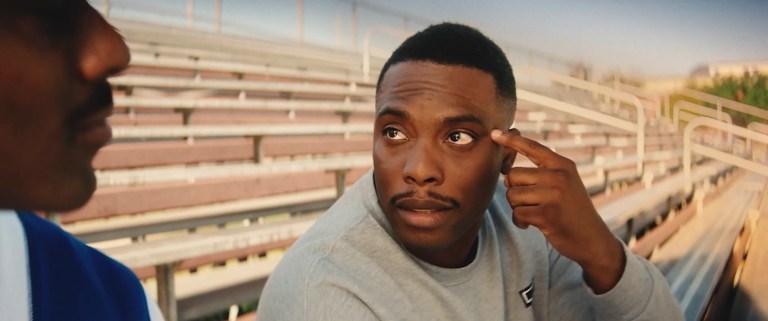
Born in the chemical sludge of Tromaville, The Toxic Avenger has always been a middle finger to polite genre expectations, and the reboot’s long road to a 2025 unrated release only reinforces that legacy. Shot years ago and quietly premiering to strong reactions on the festival circuit, the film became a cautionary tale of modern distribution: too strange, too violent, and too sincerely gross to slide neatly into today’s franchise-friendly marketplace. That it’s finally emerging with a date — and without a ratings leash — feels less like a compromise and more like a creative victory.
The unrated designation is the real headline, signaling that the reboot isn’t sanding down its edges to chase four-quadrant approval. In an era dominated by PG-13 superheroes and algorithm-tested restraint, this Toxic Avenger is being positioned as a deliberate throwback to tactile gore, anarchic humor, and the kind of outrageous imagery that made Troma a cult institution. The 2025 release date suggests confidence that audiences are ready again for something confrontational, not focus-grouped into oblivion.

![The Toxic Avenger [Blu-ray + DVD Combo]](https://m.media-amazon.com/images/I/510+Dw-AbnL._SL160_.jpg)
Just as important is what the timing represents for genre cinema at large. The reboot’s survival through years of uncertainty underscores a growing appetite for offbeat, unruly films that live outside the studio assembly line, even when they star recognizable faces and recognizable IP. By landing as an unrated theatrical release, The Toxic Avenger isn’t just returning to Tromaville in spirit — it’s staking a claim for cult cinema’s place in the modern theatrical ecosystem.
A Long, Messy Road to the Screen: Production History and Festival Fallout
The Toxic Avenger reboot didn’t crawl out of the ooze overnight. Production wrapped back in 2021, long before the current wave of IP-savvy horror revivals found firmer footing at the box office. From the start, this version was conceived less as a nostalgic remake and more as a ground-up reinvention, blending Lloyd Kaufman-era gross-out sensibilities with modern creature effects and a surprisingly sincere emotional core.
#1 Best Overall
From Tromaville to Bulgaria: A Bold Reimagining
Directed by Macon Blair, the reboot relocated Tromaville’s spirit rather than its literal geography, shooting primarily in Bulgaria with a heavily international crew. The approach allowed for a heightened, almost fairy-tale version of toxic superheroism, complete with practical monster work and an intentionally grimy aesthetic. Peter Dinklage’s casting as Winston Gooze signaled that this wasn’t a wink-wink parody, but a genuine character-driven monster movie wearing a Troma skin.
That ambition, however, came at a cost. The finished film reportedly leaned hard into R-rated excess, with violence and bodily mutation pushed well beyond what mainstream distributors typically embrace. Even with recognizable talent on screen, the reboot immediately became a tougher sell in a marketplace increasingly allergic to risk.
Festival Applause, Distributor Anxiety
The film’s 2023 festival premiere generated exactly the reaction one might expect from Toxic Avenger: loud, polarized, and passionate. Genre crowds responded enthusiastically to its practical gore, anarchic humor, and refusal to soften its edges. Critics were split but engaged, often praising the creature design and tonal confidence while acknowledging that the film made no effort to be polite or easily marketable.
Behind the scenes, that enthusiasm didn’t translate into an immediate distribution deal. The same elements that thrilled festival audiences raised red flags for studios wary of NC-17-adjacent optics and limited commercial upside. For months, the reboot existed in limbo, becoming a cautionary example of how even recognizable cult IP can struggle when it refuses to compromise.
The Tool Desk
Outbyte PC Repair FREERepair Windows errors before they cause bigger problemsFix Now →Outbyte Driver Updater FREEScan for outdated or missing drivers - takes under a minuteDriver Scan →Why the Unrated Cut Changed Everything
The eventual decision to release the film unrated reframed the conversation entirely. Instead of trimming content to appease the MPAA or chasing a watered-down R, the creative team leaned into the film’s identity as a confrontational cult object. The 2025 release date reflects not hesitation, but strategy, allowing the reboot to arrive in a landscape more receptive to boundary-pushing genre fare.
For audiences, this means the Toxic Avenger reboot won’t feel like a sanitized brand extension. Expect a deliberately abrasive tone, practical effects that revel in excess, and humor that courts discomfort rather than mass approval. In a superhero ecosystem dominated by corporate polish, its long, messy journey may end up being its greatest asset.
Why the Unrated Cut Is the Point: Gore, Satire, and Creative Intent
The unrated cut isn’t a marketing gimmick or a defiant middle finger to ratings boards. It’s the clearest articulation of what this reboot has been trying to be from the start: a modern Toxic Avenger that understands excess as both aesthetic and ideology. In a franchise built on melting bodies and moral rot, restraint was never going to be an option.
Gore as Language, Not Shock Value
Violence in The Toxic Avenger has always functioned as a form of communication, not just provocation. The original films used cartoonishly extreme gore to externalize social corruption, environmental neglect, and class cruelty. The reboot follows that tradition, using practical effects and body horror to make its themes literal rather than metaphorical.
By going unrated, the filmmakers avoid the compromises that tend to sand down those ideas into something safer and less legible. Limbs don’t just come off for laughs; they come off because the world of the film is broken, punitive, and indifferent. Sanitizing that imagery would undercut the point.
Satire That Refuses to Behave
What truly separates the reboot from mainstream superhero fare isn’t just how violent it is, but how gleefully impolite its satire remains. This version of Toxic Avenger isn’t interested in four-quadrant likability or brand-safe irony. It aims its jokes directly at corporate hypocrisy, performative virtue, and the hollowness of power structures that claim to protect people while actively poisoning them.
An unrated release allows those targets to stay sharp. The humor can be mean, the metaphors can be ugly, and the film doesn’t have to pause to reassure the audience that it’s all in good fun. That discomfort is part of the design.
Rank #2
![The Toxic Avenger [4K Ultra HD + Special Edition Blu-ray]](https://m.media-amazon.com/images/I/51DcKt9XxkL._SL160_.jpg)
- A 98-pound nerd (Mark Torgl) from New Jersey lands in a vat of toxic waste and becomes a benevolent monster (Mitchell Cohen).
Creative Intent Over Commercial Comfort
The 2025 release date isn’t about waiting for tastes to change so much as finding the right moment to stop negotiating. In an era where even R-rated genre films are often engineered for algorithmic safety, choosing an unrated path signals trust in a specific audience rather than an abstract mass one. It positions the film alongside midnight movies, grindhouse revivals, and cult discoveries that find longevity through passion, not saturation.
Recommended Free Tools
For viewers, expectations should be calibrated accordingly. This is not a superhero reboot looking for crossover appeal or sequel bait. It’s a deliberately unruly piece of genre cinema arriving on its own terms, unapologetic about the mess it makes and the lines it crosses.
Not Your Typical Superhero Reboot: Tone, Influences, and Genre Positioning
If the modern superhero movie has trained audiences to expect emotional uplift, moral clarity, and just enough edge to feel grown-up, The Toxic Avenger reboot is actively pushing in the opposite direction. This film isn’t interested in redemption arcs polished for toy aisles or violence framed as spectacle-with-boundaries. Its tone is abrasive by design, rooted in a worldview where systems fail first and heroes emerge broken, mutated, and barely tolerated.
That sensibility places the reboot closer to exploitation cinema and punk satire than to anything resembling a shared universe. The unrated cut doesn’t simply permit excess; it defines the film’s identity. Everything from the humor to the gore operates without the softening filters that typically turn transgressive ideas into digestible content.
Drawing From Cult, Not Capes
Rather than modeling itself after contemporary comic book adaptations, the reboot draws heavily from cult cinema DNA. The influence of Troma’s original ethos is obvious, but it’s filtered through modern genre touchstones like body-horror revivalism, splatter comedies, and socially charged midnight movies. Think less Marvel irony and more the confrontational spirit of films that dare audiences to laugh, then immediately question why they did.
Do these 3 things before closing this tab:
1Repair Windows errors before they cause bigger problems2Fix the driver behind crashes, sound loss and screen glitches3Clear out junk files and repair common Windows errorsThat lineage matters because it explains why the unrated cut isn’t a gimmick. It’s a declaration of allegiance to a specific tradition, one that values provocation over accessibility. The Toxic Avenger exists in conversation with films that thrive on discomfort, not ones engineered to reassure viewers that everything will be okay by the end credits.
The Unrated Cut as a Statement, Not a Stunt
The significance of the 2025 release date lies partly in how long this version of the film has had to fight for daylight. After a turbulent path through post-production and distribution uncertainty, committing to an unrated release signals that the filmmakers are done searching for a compromise that doesn’t exist. Rather than trimming the film to fit a rating or chasing a hypothetical wider audience, the strategy reframes the delay as a recalibration.
In today’s market, where unrated releases are rare and often relegated to home video curiosities, giving this cut a proper rollout is a gamble. But it’s also a way of positioning The Toxic Avenger as an event for genre fans rather than a product for everyone. The timing allows the film to arrive when superhero fatigue is real and audiences are more receptive to something that openly rejects polish.
A Place in Modern Genre Cinema
Within the current landscape, The Toxic Avenger reboot occupies an unusual but increasingly vital space. It sits at the intersection of horror, comedy, and superhero mythology without fully belonging to any of them. That refusal to conform is precisely what gives it relevance in a crowded field dominated by safe iterations and recycled formulas.
Outdated Drivers Are Slowing You Down
One free scan finds every outdated or missing driver and matches the right update for your exact hardware.Free scan · exact hardware matchWindows Errors? Fix Them Before They Spread
Repair common Windows errors and clear accumulated junk for a smoother, more stable PC - no reinstall needed.Free scan · no reinstallFor audiences, the expectation should be clear. This is not a film that wants to be liked universally or quoted ironically on social media. It’s a cult object in the making, designed to alienate as much as it entertains, and to earn its audience through shared endurance as much as shared laughter.
Distribution Battles in the Modern Market: What the Delay Reveals About Risk
If the unrated cut represents creative conviction, the delay exposes the industrial reality it collided with. The Toxic Avenger reboot wasn’t stalled because no one believed in it; it was stalled because believing in it required a distributor willing to accept limited upside and loud backlash. In a marketplace trained to fear anything that can’t be four-quadrant tested, that’s a tall order.
Rank #3
![The Toxic Avenger Collection (8-Disc Tox Set) [4K Ultra HD + Special Edition Blu-ray] [4K UHD]](https://m.media-amazon.com/images/I/51Cuyb2FszL._SL160_.jpg)
- The Toxic Avenger Collection (set Tox da 8 dischi) [edizione speciale Blu-ray 4K Ultra HD]
- Tipo di prodotto: FILM FISICO
- Marca: Troma Films
The modern distribution ecosystem is built around risk mitigation, not risk celebration. Mid-budget genre films without franchise safety nets are often pushed toward streaming, softened through edits, or quietly shelved when they don’t slot neatly into an algorithm. An unrated theatrical release sits outside all of those comfort zones, making The Toxic Avenger a complicated proposition even before audiences factor into the equation.
The Cost of Being Unclassifiable
One of the reboot’s biggest liabilities is also its defining strength: it doesn’t behave like a modern superhero movie. It’s too grotesque for mainstream multiplexes, too comedic for prestige horror labels, and too sincere in its ugliness to be sold as kitsch. That ambiguity makes marketing difficult and forecasting even harder, especially when exhibitors and distributors are already wary of anything that might provoke walkouts instead of word-of-mouth.
The delay, then, becomes less about hesitation and more about negotiation. Finding a release partner who understands that controversy isn’t a bug but the entire appeal takes time. The eventual commitment to a 2025 release suggests that the film didn’t change to fit the market; the market, or at least one corner of it, finally bent to accommodate the film.
Why 2025 Makes Strategic Sense
Timing matters as much as tone. By 2025, the theatrical landscape looks less obsessed with sheer volume and more receptive to eventized releases that promise something distinct. Genre audiences have proven they’ll show up for films that feel dangerous or transgressive, especially when those films are positioned as communal experiences rather than disposable content.
Releasing the unrated cut now reframes the reboot as an act of defiance rather than a relic of development hell. It allows The Toxic Avenger to enter a conversation about what kinds of films still deserve space on big screens. In that sense, the delay doesn’t undermine the film’s prospects; it sharpens them, making its arrival feel deliberate, hard-won, and unapologetically risky.
What We Know About the Film Itself: Cast, Characters, and Story Direction
After years of uncertainty about how, or even if, this reboot would surface, the most reassuring constant has been the creative team and cast attached from the start. The film hasn’t drifted into anonymity during its delay; it’s been quietly solidifying its identity as something closer to a cult object than a conventional reboot.
What’s actually slowing this PC down?
Pick the symptom - the matching free tool is one click away.
A Cast That Signals Intent, Not Irony
Peter Dinklage leads the film as Winston Gooze, the downtrodden janitor whose mutation turns him into the Toxic Avenger. Casting Dinklage isn’t a stunt; it immediately reframes the character as tragic and human first, monstrous second. That choice alone suggests the film is aiming for emotional grounding rather than broad parody.
The supporting cast reinforces that approach. Kevin Bacon plays a slick, corrupt corporate villain, leaning into real-world malice rather than cartoon evil. Elijah Wood appears heavily made-up as a grotesque antagonist, reportedly embracing physical absurdity while still treating the role with unnerving seriousness.
Modern Characters in a Filthy World
Jacob Tremblay plays Winston’s stepson, introducing a family dynamic that adds stakes beyond splatter. Taylour Paige’s role as an investigator or truth-seeker anchors the story in systemic corruption, not random chaos. These characters aren’t just there to orbit the mayhem; they give the film social texture.
Unlike the original films, which often treated their supporting players as punchlines, this reboot appears more interested in contrast. Ordinary people exist alongside exaggerated monsters, making the violence and ugliness feel sharper rather than sillier. That balance is key to why the unrated cut matters.
Quick wins for a faster PC:
Repair Windows errors before they cause bigger problemsFix Now →Fix the driver behind crashes, sound loss and screen glitchesFind Drivers →Clear out junk files and repair common Windows errorsFree Scan →A Story That Respects the Original Without Mimicking It
At its core, the narrative still revolves around corporate pollution, institutional cruelty, and the accidental creation of a monster who becomes a moral corrective. What’s changed is the framing. Director Macon Blair has been open about shifting away from pure slapstick toward something more emotionally coherent, without sanding off the grime.
Rank #4
The film reportedly favors practical effects and tactile gore, leaning into body horror rather than digital excess. That choice connects it more to early splatter cinema than to modern superhero aesthetics. It’s less about spectacle and more about confrontation.
Unrated for a Reason
The unrated cut isn’t just about extra blood. It allows the film to preserve tonal whiplash, pushing moments of cruelty, absurdity, and discomfort without apology. Jokes land harder when they’re adjacent to violence the film refuses to soften.
In a genre landscape dominated by quips and cleanup edits, The Toxic Avenger’s story direction feels deliberately abrasive. It’s not trying to be four-quadrant entertainment or ironic nostalgia bait. Instead, it positions itself as a mutant outlier, fully aware that its appeal lies in being too strange, too messy, and too sincere to safely classify.
How the Reboot Fits Into the Cult Cinema Revival Trend
The Toxic Avenger’s long road to a 2025 release places it squarely within a broader resurgence of cult-minded genre films finally finding their moment. After years of festival buzz, rights shuffling, and industry hesitation over how to market something this abrasive, the decision to release an unrated cut feels less like a gamble and more like an acknowledgment of shifting audience appetites.
This is a market increasingly driven by viewers who want texture over polish. Midnight movies aren’t niche anymore; they’re a parallel lane, and The Toxic Avenger is accelerating right into it.
The Rise of Unapologetically Extreme Genre Films
Recent successes like Terrifier 2, Evil Dead Rise, and even the reappraisal of grindhouse-era aesthetics have proven there’s commercial viability in extremity when it’s sincere. These films didn’t succeed by chasing four-quadrant appeal. They succeeded by knowing exactly who they were for and refusing to dilute the experience.
The Toxic Avenger reboot follows that playbook. By preserving its unrated identity, it aligns itself with a wave of modern cult cinema that treats excess as a feature, not a flaw. The violence, grotesquerie, and tonal hostility are part of the contract with the audience.
Free tools Windows power users keep installed
One-click scans. No signup required.
A 2025 Release That Reflects Industry Catch-Up
The 2025 release date isn’t just a scheduling note; it reflects an industry that needed time to catch up to its own audience. When production wrapped years earlier, the theatrical landscape was still dominated by algorithm-friendly IP and sanitized spectacle. Since then, distribution strategies have evolved.
Studios and indie distributors are now more willing to platform unrated and transgressive films as event releases rather than liabilities. A 2025 launch allows The Toxic Avenger to arrive in a climate where cult credibility can be leveraged as a selling point, not something to quietly apologize for.
From Troma Roots to Elevated Trash Cinema
The original Toxic Avenger films were born from Troma’s anything-goes ethos, thriving on bad taste and outsider energy. The reboot doesn’t abandon that lineage; it reframes it. What was once scrappy and anarchic is now intentional and formally crafted, without losing its mean streak.
This evolution mirrors the broader cult revival trend, where filmmakers revisit exploitation DNA with sharper tools and clearer thematic intent. It’s not about sanding off the rough edges, but about understanding why those edges mattered in the first place.
Best Value

- The Toxic Avenger Part Ii
Positioning Against the Superhero Machine
Releasing an unrated Toxic Avenger in a post-superhero-saturation era gives it a built-in contrast. While mainstream comic adaptations chase relatability and brand safety, this film doubles down on moral ugliness and physical consequence. Its hero doesn’t quip; he punishes.
That positioning taps into a growing fatigue with consequence-free violence and digital spectacle. Cult cinema’s revival isn’t nostalgic; it’s corrective. The Toxic Avenger’s return suggests that there’s still room in modern genre filmmaking for movies that challenge, repel, and dare audiences to meet them on uncomfortable terms.
What Audiences Should Expect in 2025: Who This Movie Is (and Isn’t) For
The Toxic Avenger reboot arriving in 2025 isn’t aiming for four-quadrant appeal, and that’s the point. This unrated cut is being positioned as a deliberate counterprogramming move, one that embraces excess, cruelty, and cartoonish violence in ways most modern studio films actively avoid. Audiences should expect a movie that knows exactly how abrasive it wants to be, and has no interest in negotiating those instincts down.
This Is for Cult Devotees, Not Casual Superhero Fans
If your ideal comic-book movie experience hinges on likable protagonists, tidy moral arcs, and franchise-friendly world-building, this isn’t that film. The Toxic Avenger has always been about grotesque transformation and blunt-force justice, and the reboot leans into that tradition rather than softening it. Its hero isn’t aspirational; he’s confrontational, often uncomfortable to watch, and intentionally alienating.
Recommended Free Tools
That sensibility places the film squarely in cult territory, appealing to viewers who seek out midnight movies, splatter cinema, and genre work that treats good taste as optional. It’s designed for audiences who appreciate films that provoke reactions rather than consensus.
An Unrated Cut That Actually Means Something
In an era where “unrated” often functions as a marketing footnote, The Toxic Avenger’s label carries real weight. The decision to release this version reflects a refusal to compromise on tone, violence, and bodily grotesquerie. Expect practical effects that linger, humor that veers into the offensive, and action sequences unconcerned with restraint or polish.
This isn’t transgression for its own sake, though. The unrated approach reinforces the film’s themes about corruption, exploitation, and societal rot, using exaggeration and excess as satirical tools rather than empty shock tactics.
Elevated Trash With Intentional Craft
What may surprise some viewers is how carefully constructed the chaos is. This reboot isn’t scrappy in the Troma basement sense; it’s methodical, visually deliberate, and thematically aware. The grime is purposeful, the violence choreographed, and the humor sharpened by filmmakers who understand both the legacy they’re playing with and the modern audience they’re confronting.
Quick wins for a faster PC:
Repair Windows errors before they cause bigger problemsFix Now →Scan for outdated or missing drivers - takes under a minuteDriver Scan →That balance between refinement and filth is where the movie finds its identity. It respects cult tradition without treating it like a novelty act.
A 2025 Release That Knows Its Moment
Arriving in 2025 allows The Toxic Avenger to exist outside the gravitational pull of franchise cycles and cinematic universes. Its long road through production and distribution becomes part of its story, reinforcing its outsider status. The timing signals confidence that audiences are ready for genre films that don’t apologize for being strange, aggressive, or divisive.
Ultimately, this movie is for viewers who miss when genre cinema felt dangerous, when watching something new meant risking discomfort. It isn’t trying to convert skeptics or redefine superheroes for the masses. It’s staking a claim: cult cinema doesn’t need permission, and in 2025, The Toxic Avenger plans to prove it.
Quick Recap
Product prices and availability are accurate as of the date/time indicated and are subject to change. Any price and availability information displayed on Amazon at the time of purchase will apply.
Free tools Windows power users keep installed
One-click scans. No signup required.