What’s actually slowing this PC down?
Pick the symptom - the matching free tool is one click away.
Few Netflix releases embody the modern streaming paradox quite like The Rats: A Witcher Tale. Within days of its debut, the spinoff surged into Netflix’s global Top 10, fueled by brand recognition, algorithmic promotion, and curiosity from viewers who associate the Witcher name with dark fantasy spectacle. Yet that same momentum collided with a brutal reality check elsewhere, where the show’s Rotten Tomatoes audience score stalled at a stark 21 percent.
This disconnect isn’t as mysterious as it first appears. Netflix measures success through reach and completion, not satisfaction, and The Rats was perfectly engineered to thrive in that ecosystem. A short episode count, heavy autoplay placement, and the gravitational pull of an established franchise ensured massive sampling, especially from casual viewers who may not track Witcher lore closely or engage in fan discourse.


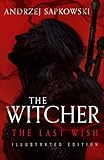

For longtime fans, however, sampling quickly turned into rejection. The Rats’ tonal shifts, loose adaptation choices, and focus on a morally abrasive ensemble clashed with expectations shaped by Andrzej Sapkowski’s source material and earlier Witcher adaptations. What registers as bold or edgy to newcomers often reads as alienating to core fans, creating a rare case where a show can dominate the charts while actively inflaming the very audience most invested in the franchise.
What Exactly Is ‘The Rats: A Witcher Tale’? Premise, Positioning, and Franchise Timing
At its core, The Rats: A Witcher Tale is not a traditional Witcher story, and that distinction matters. Rather than following a monster hunter navigating moral gray zones, the series centers on the Rats, a gang of outlaw youths introduced in Andrzej Sapkowski’s novels as a brutal, anarchic counterpoint to Geralt’s code-driven worldview. The show reframes them as the protagonists, asking viewers to spend time inside their lawless, emotionally volatile orbit.
The Tool Desk
Outbyte Driver Updater FREEFix the driver behind crashes, sound loss and screen glitchesFind Drivers →Outbyte PC Repair FREEClear out junk files and repair common Windows errorsFree Scan →#1 Best Overall
This shift in perspective immediately places the series at odds with what many fans expect from the franchise. The Rats are deliberately abrasive, impulsive, and often cruel, which is faithful to their literary roots but uncomfortable as a sustained viewing experience. Netflix’s adaptation leans into that discomfort rather than softening it, foregrounding violence, sexuality, and youthful nihilism over heroic fantasy.
A Spinoff Designed for a Different Audience
Positionally, The Rats feels engineered less as a companion piece for longtime Witcher devotees and more as a genre-adjacent entry point for younger, algorithm-driven viewers. Its pacing, aesthetic, and character dynamics echo prestige teen dramas more than classic sword-and-sorcery epics. That makes it highly bingeable, visually striking, and easy to sample, especially for viewers with only a passing familiarity with the franchise.
This approach helps explain its immediate streaming success. Netflix excels at pushing spinoffs that feel accessible without requiring deep lore knowledge, and The Rats largely functions as a standalone crime saga set in a fantasy world. For casual viewers, the Witcher branding signals scale and spectacle, not necessarily fidelity or continuity.
Loose Adaptation and the Cost of Creative Freedom
For core fans, however, the show’s loose relationship with Sapkowski’s material is a major sticking point. While the Rats exist in the books, their arc is comparatively brief and intentionally unsettling, serving as a narrative warning rather than a foundation for long-form storytelling. Expanding them into lead characters requires invention, tonal recalibration, and a willingness to reinterpret their role in the broader mythos.
That creative freedom is precisely what some viewers appreciate and others reject outright. To fans already frustrated by previous Witcher deviations, The Rats can feel like another step away from the philosophical backbone that once defined the franchise. What Netflix frames as expansion, audiences often experience as erosion.
Arriving at a Moment of Franchise Fatigue
Timing also plays a critical role in how The Rats has been received. The Witcher brand is in a transitional phase, marked by cast changes, uneven critical reception, and growing skepticism from its most loyal fans. In that environment, a morally confrontational spinoff was always going to face heightened scrutiny.
Yet that same fatigue works in Netflix’s favor on a metrics level. Curiosity, controversy, and brand familiarity drive initial clicks, even when goodwill is low. The Rats arrived at a moment when viewers were primed to watch, react, and debate, which is often enough to fuel a hit, even as audience scores tell a far less forgiving story.
Understanding the 21%: Why Rotten Tomatoes Audience Scores Are Especially Brutal for Witcher Spin‑Offs
A 21% audience score on Rotten Tomatoes looks catastrophic on paper, but within the Witcher ecosystem, it is less an anomaly and more a pattern. Spin‑offs attached to passionate fandoms tend to absorb frustration that extends far beyond the individual title. In this case, The Rats becomes a proxy battlefield for years of accumulated disappointment, creative disagreements, and fractured trust between Netflix and its most invested viewers.
Recommended Free Tools
Rotten Tomatoes’ audience metric is uniquely unforgiving in these situations because it reflects emotional response more than measured critique. Viewers are not simply rating what they watched; they are reacting to what they believe the franchise should be. When expectations are rigid and unmet, the score drops fast and hard.
The Franchise Loyalty Paradox
Witcher fans are deeply loyal, but that loyalty comes with strict conditions. Many audience reviewers approach new entries not as standalone works, but as referendums on Netflix’s stewardship of the IP. The Rats inherits the baggage of earlier controversies, including adaptation liberties and tonal shifts that predate its existence.
As a result, some low scores reflect dissatisfaction with the broader direction of the franchise rather than the show’s execution. For these viewers, rating The Rats poorly becomes a form of protest, a way to register long-standing grievances in the only visible metric available.
Casual Viewers Watch, Core Fans Judge
There is also a fundamental disconnect between who watches The Rats and who rates it. Netflix’s viewership success is driven by casual subscribers drawn in by slick marketing, short episode runtimes, and the promise of edgy fantasy drama. Many of these viewers sample the show, enjoy its surface appeal, and move on without ever logging a review.
Rank #2
Rotten Tomatoes, however, skews toward highly motivated users, often core fans with strong opinions. These are the viewers most likely to feel alienated by the show’s tone, character focus, and departure from traditional Witcher themes. The result is a metric shaped by intensity, not volume.
Tonal Whiplash and Moral Discomfort
The Rats is intentionally abrasive, centering morally compromised characters without offering the philosophical grounding that longtime fans associate with Geralt’s world. That choice may be artistically defensible, but it clashes with audience expectations of what a Witcher story should feel like. For some viewers, the show reads less like dark fantasy and more like stylized rebellion dressed in Witcher aesthetics.
This tonal mismatch fuels harsh reactions. Rotten Tomatoes audience scores tend to punish shows that make viewers uncomfortable without providing familiar narrative anchors, especially within established franchises. Discomfort, when unexpected, often translates into rejection rather than reflection.
Why Streaming Metrics Tell a Different Story
Netflix’s internal success indicators prioritize completion rates, early episode engagement, and social traction, all areas where The Rats performs well. Controversy itself becomes an accelerant, driving curiosity clicks and binge sampling even among skeptical viewers. A show does not need to be loved to be watched, only talked about.
Quick wins for a faster PC:
Clear out junk files and repair common Windows errorsFree Scan →Scan for outdated or missing drivers - takes under a minuteDriver Scan →Rotten Tomatoes, by contrast, captures the aftertaste rather than the initial impulse. The 21% score reflects who felt compelled to speak, not how many pressed play. In that gap between passive consumption and active judgment lies the explanation for how The Rats can trend globally while being publicly panned by its loudest critics.
Franchise Fatigue vs. Algorithmic Wins: How Netflix Metrics Reward Curiosity, Not Loyalty
The tension between The Rats’ streaming success and its audience backlash sits at the crossroads of franchise fatigue and algorithmic design. Long-running IPs like The Witcher carry built-in awareness, but also accumulated expectations. Netflix leverages the former far more effectively than it accounts for the latter.
For casual viewers, the Witcher label still signals prestige fantasy, regardless of which characters are on screen. That brand recognition is enough to prompt a click, especially when paired with striking visuals and a rebellious tone that differentiates the show from traditional sword-and-sorcery fare. Curiosity, not commitment, becomes the driving force behind viewership.
The Algorithm Favors Sampling Over Satisfaction
Netflix’s recommendation engine is optimized for discovery and momentum, not long-term goodwill. When a spinoff like The Rats launches, it benefits from autoplay placement, franchise adjacency, and social chatter that encourages viewers to at least try the first episode. Even partial engagement feeds the algorithm, reinforcing the show’s visibility regardless of how viewers ultimately feel.
This system rewards experimentation and short-term intrigue. A viewer who watches two episodes, decides it is not for them, and never thinks about it again still counts as a success by Netflix’s internal standards. That same viewer is unlikely to visit Rotten Tomatoes to register dissatisfaction.
Core Fans Feel the Weight of Overextension
For dedicated Witcher fans, however, The Rats arrives amid a sense of creative drift across the franchise. Frequent tonal shifts, character re-centering, and loose adaptation choices have strained trust, particularly among viewers invested in the books and games. In that context, The Rats can feel less like an expansion and more like another step away from what made the universe resonate.
This is where franchise fatigue hardens into resistance. Core fans are not just reacting to one show, but to a pattern they perceive across the brand. Their frustration is amplified, focused, and far more likely to surface in public audience scores.
Different Audiences, Different Outcomes
The disconnect ultimately reflects two separate audiences engaging with the same content for different reasons. Casual viewers engage passively, guided by algorithms and aesthetics, while core fans engage actively, measuring every choice against an internal canon. Netflix’s metrics capture the former with precision, while Rotten Tomatoes amplifies the latter’s dissatisfaction.
Do these 3 things before closing this tab:
1Scan for outdated or missing drivers - takes under a minute2Repair Windows errors before they cause bigger problems3Fix the driver behind crashes, sound loss and screen glitchesIn that sense, The Rats is not an anomaly but a case study. It demonstrates how modern streaming success can coexist with vocal rejection, especially within beloved franchises where loyalty is harder to earn than curiosity.
Adaptation Choices That Alienated Core Fans: Canon Changes, Tone Shifts, and Character Reinterpretations
If algorithmic exposure explains how The Rats became widely watched, adaptation choices explain why many long-time fans rejected it so forcefully. For viewers steeped in Andrzej Sapkowski’s books and CD Projekt Red’s games, the spinoff’s creative liberties felt less like interpretation and more like displacement. The resulting friction sits at the heart of the show’s 21% audience score.
Canon as Reference Point, Not Foundation
In the source material, the Rats are deliberately uncomfortable figures, violent, impulsive, and ultimately tragic. The Netflix series reframes them as misunderstood rebels, smoothing rough edges and emphasizing camaraderie over cruelty. For casual viewers, this makes them more accessible protagonists; for core fans, it undercuts the moral tension that defined their narrative purpose.
This shift reflects a broader franchise trend where canon serves as inspiration rather than structure. While flexibility can invite new audiences, it also weakens the internal logic fans rely on to stay emotionally invested. When familiar events and motivations are reshaped too freely, long-time viewers experience it less as expansion and more as erosion.
Crashes, No Sound, or Screen Glitches?
Random freezes, missing sound and display glitches usually trace back to one bad driver. Find and replace yours safely.Free scan · under a minutePC Slower Than It Used to Be?
A free scan shows the junk files, broken settings and background clutter dragging Windows down - then fixes them in one click.Free scan · Windows 10 & 11A Tonal Pivot Toward Stylized Rebellion
Tonally, The Rats leans into youthful defiance, stylized violence, and a near-romantic outlaw aesthetic. This is a noticeable departure from The Witcher’s traditionally grim, morally ambiguous atmosphere, where consequence often outweighs spectacle. The change is not inherently wrong, but it is jarring within a universe known for its grounded cynicism.
For some viewers, the lighter, more kinetic tone feels designed for social media clips and binge-friendly pacing. For others, it signals a dilution of the franchise’s identity, prioritizing immediacy over thematic weight. That tonal disconnect becomes especially pronounced for fans who associate The Witcher with slow-burn tragedy rather than fast-cut rebellion.
Character Reinterpretations That Shift Moral Alignment
Characterization is where frustration crystallizes most sharply. Several members of the Rats are reframed with clearer heroic framing, their brutality contextualized or softened to encourage sympathy. This reinterpretation clashes with how these characters functioned in the books, where their appeal lay in their volatility and the inevitability of their downfall.
By repositioning them closer to anti-heroes than cautionary figures, the series alters the moral lens through which their story is meant to be viewed. Core fans, already sensitive to perceived franchise drift, interpret this as a fundamental misunderstanding of why these characters mattered in the first place.
Free tools Windows power users keep installed
One-click scans. No signup required.
Who the Story Is For Becomes the Story
Ultimately, The Rats feels engineered for a different entry point into the Witcher universe. It assumes little prior knowledge, favors emotional immediacy, and frames conflict through contemporary genre sensibilities rather than established lore. That makes it approachable for new viewers while signaling to veterans that the show is not speaking directly to them.
This targeting explains the split reception. Netflix’s viewership metrics reward accessibility and curiosity, while Rotten Tomatoes reflects a narrower, more invested audience reacting to what feels like a misalignment of priorities. For core fans, the adaptation choices are not isolated missteps but evidence of a franchise increasingly comfortable leaving them behind.
Who the Show Was Actually Made For: Casual Viewers, YA Audiences, and the Post-Geralt Strategy
The most clarifying way to understand The Rats: A Witcher Tale is to stop viewing it as a direct continuation of what came before. Instead, it functions as a recalibration, aimed at viewers who recognize the Witcher brand but are not deeply invested in its literary roots or tonal legacy. That distinction goes a long way toward explaining why the show can dominate Netflix’s trending lists while simultaneously collapsing under audience scrutiny elsewhere.
A Low-Barrier Entry Point for Casual Netflix Viewers
Netflix’s internal success metrics prioritize completion rates, algorithmic discovery, and binge velocity over long-term franchise coherence. The Rats is built with those metrics in mind, offering a self-contained story, minimal lore dependency, and characters introduced through familiar genre shorthand. Viewers do not need to understand Nilfgaardian politics or Geralt’s philosophical code to follow the narrative.
Rank #4
For casual audiences, this accessibility is a feature, not a flaw. The show’s brisk pacing and heightened emotional beats encourage quick attachment and fast consumption, especially among viewers sampling the Witcher universe for the first time. That curiosity-driven engagement translates into strong opening numbers, even if enthusiasm cools quickly afterward.
The YA Lens: Rebellion, Identity, and Aesthetic Urgency
Tonally and structurally, The Rats aligns closely with modern young adult fantasy trends. The emphasis on found family, outsider identity, and stylized rebellion mirrors successful YA adaptations across streaming platforms. Moral ambiguity is present, but it is framed in emotionally legible ways that encourage identification rather than discomfort.
This approach resonates with younger viewers accustomed to heightened stakes and visually expressive storytelling. The characters’ edges are sanded just enough to allow empathy to lead, even when their actions remain violent. For longtime Witcher fans, this can feel like a softening of intent; for YA audiences, it reads as clarity and momentum.
Planning for a Witcher Universe Without Geralt
Perhaps the most strategic layer of The Rats is its function within Netflix’s post-Geralt roadmap. With Henry Cavill’s departure still looming large over the franchise, the platform has incentive to prove that the Witcher name can survive without its central figure. Spin-offs like The Rats are stress tests, designed to see which tones and demographics sustain engagement.
By centering younger characters and decoupling the story from Geralt’s moral gravity, the series explores a version of the Witcher world that can evolve independently. That evolution, however, comes at a cost. For core fans, the absence of the franchise’s philosophical anchor makes the universe feel lighter, less consequential, and more interchangeable with other fantasy properties.
Why the Metrics and the Backlash Coexist
This is where the Rotten Tomatoes audience score becomes less mysterious. The voters most likely to rate the show are also the viewers most invested in what The Witcher has historically represented. When their expectations clash with a series clearly designed for a different audience, dissatisfaction becomes the dominant response.
Netflix’s success and audience rejection are not contradictory outcomes; they are parallel ones. The Rats succeeds as a streaming product while failing as a reassuring signal to longtime fans. In that gap between accessibility and allegiance, the show reveals exactly who it was made for, and who it was willing to alienate in the process.
Independent reader supportYour contribution helps us test, update, and keep practical guides available for everyone.The Social Media Echo Chamber: Review Bombing, Fandom Civil Wars, and Perception vs. Reality
If the numbers explain why The Rats works for Netflix, social media explains why it feels like a disaster everywhere else. Online discourse around the series has been less about the show itself and more about what it symbolizes within the broader Witcher conversation. In that environment, perception quickly hardens into narrative, often detached from actual viewership behavior.
The Tool Desk
Outbyte Driver Updater FREEScan for outdated or missing drivers - takes under a minuteDriver Scan →Outbyte PC Repair FREEClear out junk files and repair common Windows errorsFree Scan →How Rotten Tomatoes Became a Battleground
A 21% audience score on Rotten Tomatoes suggests near-universal rejection, but the platform’s mechanics tell a more specific story. Audience scores are driven by self-selecting users, and in franchise spaces, those users are disproportionately longtime fans with strong opinions. Casual viewers who binge the show and move on rarely feel compelled to log a rating, especially if their experience was simply “fine.”
That imbalance creates an illusion of consensus. The loudest voices dominate the metric, while silent viewers still contribute to Netflix’s completion rates, trending charts, and algorithmic confidence. Rotten Tomatoes captures intensity, not scale, and intensity is currently running hot in the Witcher fandom.
Review Bombing as Protest, Not Critique
Much of the negative response reads less like episodic criticism and more like strategic protest. For a segment of the audience, The Rats is being punished not only for what it is, but for what it represents: a continuation of Netflix’s Witcher direction after Henry Cavill, and a perceived distancing from Andrzej Sapkowski’s tone.
This kind of review bombing isn’t unique to The Rats. It follows a familiar pattern seen across genre franchises, where spin-offs become symbolic flashpoints. The show becomes a proxy war, absorbing frustrations that extend far beyond its own writing, performances, or production values.
Do these 3 things before closing this tab:
1Scan for outdated or missing drivers - takes under a minute2Clear out junk files and repair common Windows errors3Fix the driver behind crashes, sound loss and screen glitchesFandom Civil Wars and Algorithmic Amplification
Social platforms exacerbate the divide by rewarding outrage with visibility. Posts declaring The Rats a “betrayal” or a “disaster” travel further than nuanced takes, reinforcing the sense that rejection is total. Meanwhile, viewers who enjoy the series often disengage from the conversation entirely, unwilling to wade into a hostile discourse.
This creates a feedback loop where negativity appears dominant even as the show continues to perform well. Netflix’s internal metrics respond to hours watched and retention, not Reddit threads or quote tweets. As a result, the platform and the fandom end up reacting to entirely different realities.
Why Casual Viewers Don’t Feel the Conflict
For viewers without deep attachment to Witcher lore, The Rats registers as a stylish, fast-moving fantasy drama with clear emotional beats. It does not ask them to mourn what the franchise used to be, because they were never invested in that version to begin with. Their relationship with the show is transactional, not ideological.
That disconnect is crucial. The same elements that alienate core fans, simplified morality, heightened melodrama, modernized sensibilities, are the ones that make the series accessible to a broader Netflix audience. What reads as dilution to one group reads as approachability to another.
Recommended Free Tools
Perception vs. Reality in the Streaming Era
The contradiction between a trending hit and a critically panned audience score feels shocking only if we assume a unified audience still exists. In reality, modern franchises operate across fragmented communities with different expectations and thresholds for satisfaction. The Rats did not fail to find an audience; it failed to reassure the one watching most closely.
In that sense, the social media backlash says less about the show’s actual reach than about who feels ownership over The Witcher name. The echo chamber amplifies disappointment, but it does not negate the quieter reality of millions of viewers pressing play, finishing episodes, and moving on without ever joining the fight.
Can Both Things Be True? What ‘The Rats’ Reveals About the Future of The Witcher on Netflix
The uncomfortable answer is yes. The Rats can be a genuine streaming success and a deeply unpopular entry among core fans at the same time. In fact, that tension may now be the defining condition of The Witcher on Netflix rather than an anomaly.
A Franchise at Two Speeds
Netflix’s Witcher universe is no longer moving toward a single destination. It is expanding outward, chasing different audiences with different tonal promises. The Rats is not designed to satisfy long-term devotees tracking lore fidelity; it is engineered to capture momentum, curiosity, and completion rates among viewers who treat fantasy series as disposable entertainment.
Free tools Windows power users keep installed
One-click scans. No signup required.
That strategy explains the disconnect. A low Rotten Tomatoes audience score reflects a motivated, opinionated group registering dissatisfaction, while high viewership reflects a much larger, quieter cohort that simply watches and moves on. Both reactions are accurate measurements, just aimed at different questions.
Adaptation Fatigue and the Cost of Reinvention
There is also a cumulative effect at play. After years of casting changes, tonal pivots, and public creative disputes, many fans approach new Witcher projects primed for disappointment. The Rats inherits that fatigue before its first scene, judged not only on its own merits but as another symbol of a franchise drifting from its roots.
For casual viewers, none of that history exists. Without expectations shaped by books, games, or earlier seasons, the show is free to be judged on surface-level appeal: pace, aesthetic, and character drama. That gap in emotional investment produces wildly different verdicts from the same material.
What Netflix Is Actually Learning
From Netflix’s perspective, The Rats validates a controversial lesson. Brand recognition matters more than brand purity when it comes to driving engagement. Even a divisive spin-off can thrive if it feels accessible, bingeable, and distinct enough to stand on its own within the algorithm.
This does not mean Netflix is ignoring backlash. It means the platform is weighing it against data that suggests Witcher-adjacent content still travels far, even when fans are unhappy with the direction. The risk is not rejection; it is erosion of trust among the audience most likely to stay long-term.
The Future of The Witcher Is Fragmented
What The Rats ultimately reveals is a franchise no longer chasing consensus. The Witcher on Netflix is becoming a collection of parallel interpretations, each optimized for different viewers rather than a unified vision. That approach can sustain numbers, but it also guarantees continued cultural friction.
If Netflix continues down this path, success will increasingly look like this: strong opening weeks, loud backlash, and quiet completion. The question is not whether both things can be true, but how long a franchise can survive when its loudest fans and its biggest audience are no longer watching the same show for the same reasons.
Quick Recap
Product prices and availability are accurate as of the date/time indicated and are subject to change. Any price and availability information displayed on Amazon at the time of purchase will apply.

