At its core, The Long Walk taps into one of the most reliable engines of binge-worthy attention: a brutally simple premise that escalates with every passing minute. Now surging on Starz, the film drops viewers into a near-future dystopia where a group of young men are forced into a relentless walking competition with fatal consequences for anyone who falls behind. There are no flashy twists, no elaborate world-building detours, just the raw tension of endurance, fear, and survival stretching mile after mile.
What’s pulling audiences in is how immediately legible the story is. You don’t need to memorize lore or track multiple timelines to feel its grip. The stakes are clear from the opening act, and the rules never bend, which makes every character choice feel consequential and every setback feel terrifyingly final.
| # | Preview | Product | Price | |
|---|---|---|---|---|
| 1 |

|
The Long Walk | $12.64 | Buy on Amazon |
| 2 |

|
The Long Walk | $24.99 | Buy on Amazon |
| 3 |

|
The Long Walk Home: A Novel | $16.32 | Buy on Amazon |
| 4 |
|
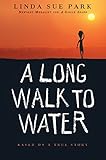
A Long Walk to Water: A Powerful Adventure of Survival, Perseverance, and Hope in Sudan | $6.17 | Buy on Amazon |
| 5 |

|
Long Walk: The True Story Of A Trek To Freedom | $13.78 | Buy on Amazon |
A Survival Thriller Built on Psychological Pressure
Genre-wise, The Long Walk sits comfortably at the intersection of dystopian thriller and psychological drama. While the concept leans toward speculative fiction, the execution is grounded and intimate, focusing less on spectacle and more on the mental unraveling that occurs when exhaustion, competition, and authority collide. The film’s tension doesn’t come from jump scares or action beats, but from watching how long people can endure when stopping is not an option.
That stripped-down approach is exactly why the film is catching fire on Starz right now. In an era of content overload, The Long Walk offers a focused, punishing experience that demands attention and rewards viewers who stick with it. It’s the kind of high-concept, low-frills storytelling that thrives on streaming, especially among audiences craving something darker, more intense, and refreshingly unforgiving.
#1 Best Overall
From Quiet Release to Breakout Hit: How ‘The Long Walk’ Climbed the Starz Charts
When The Long Walk first landed on Starz, it didn’t arrive with the kind of marketing blitz that typically signals a platform priority. There were no splashy premieres or weeks of advance hype, just a subdued release that allowed the film to find its audience organically. That low-key debut may have actually worked in its favor, positioning the movie as a discovery rather than a push.
Early viewers responded quickly, and word-of-mouth did the heavy lifting. As Starz subscribers sampled the film out of curiosity, completion rates climbed, rewatches followed, and the algorithm took notice. Within days, The Long Walk began surfacing higher in recommendation rows, eventually cracking the platform’s most-watched rankings and staying there.
The Power of Algorithmic Momentum
Starz’s charts tend to reward engagement over opening-week buzz, and The Long Walk is almost tailor-made for that system. Its relentless pacing encourages viewers to finish in a single sitting, which sends strong performance signals to the platform. Once it crossed that initial engagement threshold, its visibility snowballed.
This is the same pattern seen with several recent Starz breakouts: modest debuts that explode once viewers start recommending them to each other. The Long Walk benefits from being easy to pitch and hard to forget, which makes it ideal for social sharing and casual recommendations. One sentence is enough to sell the experience, and that simplicity fuels its climb.
Free tools Windows power users keep installed
One-click scans. No signup required.
Perfect Timing in a Crowded Streaming Landscape
The film’s rise also coincides with a moment when audiences are actively seeking darker, more challenging material. With superhero fatigue setting in and sprawling franchises dominating other platforms, The Long Walk offers a sharp tonal contrast. It’s bleak, contained, and unapologetically intense, qualities that stand out amid lighter, algorithm-friendly fare elsewhere.
Starz has quietly built a reputation for housing adult-oriented thrillers that don’t dilute their edge, and The Long Walk fits that brand identity precisely. Its success reinforces the idea that there’s still a sizable audience for grim, high-stakes storytelling that trusts viewers to sit with discomfort rather than escape it.
Reception Fueled by Audience Reaction, Not Hype
Critical reception has been measured rather than explosive, but audience response tells a more compelling story. Viewer ratings and online discussion emphasize the film’s nerve-fraying tension and emotional toll, with many calling it exhausting in the best possible way. That kind of reaction-driven buzz tends to travel fast among genre fans.
Instead of being sold as an event, The Long Walk has become one through discovery. Its ascent up the Starz charts feels less like a manufactured hit and more like a collective realization: this is something intense, different, and worth enduring. For a streaming ecosystem increasingly shaped by data and engagement, that kind of grassroots momentum is often the most powerful.
The Tool Desk
Outbyte Driver Updater FREEScan for outdated or missing drivers - takes under a minuteDriver Scan →Outbyte PC Repair FREEClear out junk files and repair common Windows errorsFree Scan →Why Starz Subscribers Are Clicking Play: Audience Appeal and Demographic Sweet Spots
At its core, The Long Walk taps into a very specific appetite that Starz has cultivated over time: viewers who want intensity without compromise. The film’s premise is brutally simple and emotionally draining, which immediately filters in an audience primed for darker material. For subscribers accustomed to the network’s adult-oriented originals, this doesn’t feel like a gamble, it feels like a promise.
Rather than chasing four-quadrant appeal, The Long Walk speaks directly to viewers who value tension, consequence, and moral exhaustion. That clarity of intent is a major reason why so many subscribers are clicking play and sticking with it through its most punishing stretches.
A Strong Pull for Genre-Savvy, Adult Viewers
The film’s strongest traction appears to be among viewers who already gravitate toward psychological thrillers, dystopian storytelling, and elevated horror-adjacent drama. These are audiences who don’t need jump scares or spectacle to stay engaged; they respond to atmosphere, character deterioration, and slow-building dread. Starz has historically overperformed with this demographic, and The Long Walk feels engineered for that exact sensibility.
Older millennials and Gen X viewers, in particular, seem to be driving the conversation. Many grew up on grim speculative fiction and prestige cable dramas, and The Long Walk feels like a natural extension of those tastes rather than a modern reinvention trying too hard to be relevant.
Rank #2
The Appeal of a One-Night, High-Impact Watch
Another key factor in the film’s surge is its format. As a standalone movie rather than a series commitment, The Long Walk offers a complete, punishing experience in a single sitting. For subscribers juggling crowded watchlists, that’s a powerful advantage.
The film has become a frequent choice for viewers looking for something intense but finite. It promises emotional impact without the obligation of future episodes, which makes it easier to recommend and easier to justify pressing play late at night.
Starz’s Brand Loyalty at Work
Starz subscribers are conditioned to expect material that pushes further than mainstream streaming releases, and The Long Walk rewards that trust. Its unflinching tone aligns closely with the network’s broader identity, reinforcing the idea that Starz is a destination for stories that don’t soften their edges. That brand consistency plays a crucial role in why subscribers are willing to take a chance on a title without massive promotional fanfare.
For many viewers, clicking play isn’t just about the film itself, it’s about confidence in the platform curating something challenging and worthwhile. The Long Walk benefits directly from that relationship, landing squarely in the demographic sweet spot Starz knows how to serve.
Do these 3 things before closing this tab:
1Repair Windows errors before they cause bigger problems2Fix the driver behind crashes, sound loss and screen glitches3Clear out junk files and repair common Windows errorsTiming Is Everything: Release Strategy, Competitive Landscape, and Viewer Behavior
The Long Walk didn’t just find an audience on Starz, it arrived at precisely the moment viewers were primed to embrace it. In an increasingly crowded streaming ecosystem, timing can be as decisive as quality, and Starz quietly positioned the film to take advantage of shifting viewer habits rather than compete head-on with louder releases.
A Strategic Window Amid Franchise Fatigue
The film’s surge coincided with a noticeable lull in major franchise drops across rival platforms. While other services leaned heavily into sequels, reboots, and IP-driven spectacle, The Long Walk offered something starkly different: an original-feeling, self-contained story with no homework required. For viewers burned out on interconnected universes and multi-season commitments, that contrast was appealing.
Starz has often thrived by zigging when others zag, and this release followed that playbook. Instead of chasing the cultural conversation dominated by blockbuster launches, The Long Walk benefited from being the most compelling adult-oriented option available during a relatively quiet content window.
The Power of Late-Night, Algorithm-Free Discovery
Viewer behavior also played a crucial role in the film’s momentum. The Long Walk is the kind of title that thrives on late-night discovery, when audiences are scrolling less for hype and more for mood. Its ominous premise, restrained marketing, and serious tone make it feel like a personal find rather than a mass-market push.
Outdated Drivers Are Slowing You Down
One free scan finds every outdated or missing driver and matches the right update for your exact hardware.Free scan · exact hardware matchWindows Errors? Fix Them Before They Spread
Repair common Windows errors and clear accumulated junk for a smoother, more stable PC - no reinstall needed.Free scan · no reinstallOnce viewers finished the film, word-of-mouth did the rest. Recommendations framed it as “not an easy watch, but a memorable one,” which tends to travel faster among genre-savvy audiences than traditional promotional messaging. On Starz, where the algorithm isn’t aggressively steering viewers toward the same handful of titles, organic discovery still matters.
Counterprogramming That Actually Works
Perhaps most importantly, The Long Walk functioned as effective counterprogramming. While competitors chased broad appeal, Starz leaned into specificity, offering a film that knew exactly who it was for. That clarity made it easier for the right audience to find it and stick with it.
In a landscape where viewers are increasingly selective about how they spend their time, The Long Walk benefited from being both timely and targeted. It didn’t need to dominate the cultural conversation to become a hit; it simply needed to meet its audience where they already were, ready for something darker, quieter, and more psychologically demanding.
Critical Reception vs. Audience Buzz: What Reviews and Word of Mouth Are Saying
Measured Critical Praise, Not Hype-Driven Raves
Critics have largely responded to The Long Walk with measured appreciation rather than breathless enthusiasm, which arguably works in the film’s favor. Reviews tend to emphasize its discipline: the restrained direction, deliberate pacing, and refusal to soften its central moral questions. While some outlets note that the film’s bleakness and minimalism won’t be for everyone, most agree it’s thoughtfully made and thematically consistent.
What’s actually slowing this PC down?
Pick the symptom - the matching free tool is one click away.
Rank #3
That critical consensus positions The Long Walk as a “serious” genre entry rather than a crowd-pleasing thrill ride. It’s the kind of film reviewers respect for its commitment to tone and idea, even when acknowledging that it asks patience and emotional investment from the viewer. On a platform like Starz, that reputation carries weight with subscribers looking for substance over spectacle.
Audience Reactions Are More Emotional—and More Enthusiastic
Among viewers, the conversation is noticeably more passionate. Social chatter and user reviews frequently describe the film as haunting, unsettling, and difficult to shake days after watching. The most common refrain isn’t that it’s entertaining in a traditional sense, but that it lingers, prompting discussion and reflection rather than instant gratification.
That distinction matters. Films that spark this kind of reaction often perform well in streaming environments because they encourage conversation without requiring mass appeal. When audiences tell friends it’s “not fun, but unforgettable,” they’re effectively filtering for the exact viewers most likely to appreciate it.
A Rare Case Where Word of Mouth Outpaces Reviews
Interestingly, The Long Walk’s audience momentum appears to be outpacing its formal critical footprint. It’s not dominating review aggregators or end-of-year lists, but it is quietly climbing recommendation threads and late-night group chats. That kind of grassroots buzz often proves more durable on streaming than splashy early reviews that fade after opening weekend.
For Starz, this dynamic is ideal. The film doesn’t need universal acclaim to justify its success; it needs sustained engagement from viewers who feel like they discovered something worthwhile. In that sense, the gap between critical response and audience enthusiasm isn’t a weakness—it’s the engine driving the film’s continued rise on the platform.
Thematic Resonance: Why the Film’s Ideas Are Hitting Right Now
Beyond word of mouth and platform dynamics, The Long Walk is benefitting from something harder to manufacture: cultural alignment. Its core ideas feel uncannily tuned to the current moment, especially for audiences already drawn to somber, psychologically driven storytelling. The result is a film that doesn’t just entertain but feels relevant in a way that’s fueling its streaming momentum.
Endurance as a Modern Anxiety
At its heart, The Long Walk is about endurance under systems that offer no real escape, only compliance or collapse. That theme lands powerfully at a time when many viewers feel trapped in cycles of work, obligation, and performance with increasingly unclear rewards. The film’s relentless forward motion mirrors a broader sense of exhaustion that’s become almost normalized in contemporary life.
Rather than framing survival as heroic, the movie treats it as grimly transactional. Keep going, follow the rules, and maybe you’ll last a little longer. That bleak calculus resonates with audiences who recognize the emotional truth in a story where perseverance isn’t celebrated, just required.
The Cost of Competition in a Zero-Sum World
The Long Walk also taps into anxieties around competition and scarcity. Its central premise strips rivalry down to its most brutal form, forcing participants into a situation where someone else’s failure is the only path forward. In an era defined by economic uncertainty and social comparison, that zero-sum logic feels disturbingly familiar.
What makes the film especially affecting is its refusal to glamorize victory. Winning doesn’t bring triumph so much as trauma, raising uncomfortable questions about what success actually costs. That moral ambiguity aligns with a growing appetite for stories that interrogate ambition rather than celebrate it.
Why This Plays Especially Well on Starz
Starz subscribers tend to gravitate toward darker, adult-skewing material that trusts the audience to sit with discomfort. The Long Walk fits cleanly into that ecosystem, offering thematic depth without the need for franchise knowledge or flashy spectacle. Its ideas are heavy, but they’re presented with clarity and focus, making the film accessible even as it remains challenging.
Timing matters, too. As viewers increasingly seek films that feel purposeful rather than algorithmically engineered, The Long Walk stands out as intentional and uncompromising. That sense of creative conviction is a powerful draw on a platform where subscribers are actively hunting for content that feels worth their attention.
Recommended Free Tools
Rank #4
- Ages 10 and up
- Grades 5 and up
Star Power, Performances, and Craft: What Elevates ‘The Long Walk’ Above Similar Titles
For all its bleak ideas, The Long Walk wouldn’t be breaking out on Starz without the human weight behind it. The film’s success is tied not just to its concept, but to the way recognizable talent and disciplined craftsmanship turn that concept into something gripping rather than punishing. In a genre crowded with grim endurance narratives, execution makes all the difference.
A Cast That Balances Recognition and Rawness
The ensemble blends emerging actors with seasoned performers who lend immediate credibility. Familiar faces help draw viewers in, but the film wisely avoids leaning on celebrity as a distraction. Instead, the cast is asked to carry long stretches of dialogue, silence, and physical strain without relief.
What stands out is how understated the performances are. No one is chasing big speeches or melodramatic breakdowns. The fear, fatigue, and quiet desperation accumulate gradually, which makes the emotional payoff land harder than more overtly performative genre entries.
Performances That Emphasize Attrition Over Shock
The film’s leads sell the slow erosion of hope with remarkable restraint. As the walk continues, subtle changes in posture, cadence, and eye contact communicate as much as the script does. It’s acting built on endurance, mirroring the characters’ own experience.
Quick wins for a faster PC:
Repair Windows errors before they cause bigger problemsFix Now →Fix the driver behind crashes, sound loss and screen glitchesFind Drivers →Clear out junk files and repair common Windows errorsFree Scan →That commitment to realism gives the story its credibility. Viewers aren’t watching archetypes drop one by one; they’re watching people fray in real time. It’s uncomfortable, but that discomfort is precisely what keeps audiences locked in.
Direction That Respects the Material’s Severity
Behind the camera, the filmmaking shows a clear understanding of tone. The direction avoids flashy flourishes, opting instead for controlled pacing and deliberate repetition. The walk feels long because it’s meant to, and the film never rushes past that reality to keep things “exciting.”
This restraint pays off on streaming, where viewers can be quick to disengage. Rather than spiking attention with constant shocks, The Long Walk earns it through mounting tension and atmosphere. That confidence in the material signals a level of craft that audiences instinctively recognize.
Technical Craft That Enhances Immersion
Cinematography and sound design do quiet but essential work. The camera lingers just long enough to make viewers feel the weight of each step, while the soundscape emphasizes breath, footsteps, and ambient noise over traditional scoring. It’s immersive without being showy.
The Tool Desk
Outbyte Driver Updater FREEScan for outdated or missing drivers - takes under a minuteDriver Scan →Outbyte PC Repair FREEClear out junk files and repair common Windows errorsFree Scan →That technical discipline separates the film from lesser dystopian thrillers that rely on spectacle to compensate for thin storytelling. Here, every craft choice reinforces the same idea: survival is exhausting, unglamorous, and deeply personal. It’s a level of cohesion that elevates The Long Walk from a grim concept to a fully realized experience, and one that Starz subscribers are clearly responding to.
Independent reader supportYour contribution helps us test, update, and keep practical guides available for everyone.How ‘The Long Walk’ Fits Into Starz’s Broader Programming Strategy
Starz’s recent success with The Long Walk isn’t accidental. The film slots neatly into a programming approach that prioritizes adult-skewing genre storytelling, emotionally intense narratives, and properties that reward close attention rather than casual viewing. It’s the kind of title that reinforces Starz’s identity as a home for challenging, conversation-driving content.
Doubling Down on Elevated Genre
Starz has spent years carving out space between prestige cable and pulp entertainment, leaning into genre stories that feel weighty without becoming inaccessible. The Long Walk fits that mold perfectly, blending dystopian thriller elements with character-focused drama. It’s genre, but with literary bones and a serious tone.
This strategy appeals to viewers who want something darker and more demanding than typical streaming fare. Rather than chasing four-quadrant appeal, Starz continues to build a library that speaks directly to adults who appreciate moral complexity and psychological tension.
PC Slower Than It Used to Be?
A free scan shows the junk files, broken settings and background clutter dragging Windows down - then fixes them in one click.Free scan · Windows 10 & 11Outdated Drivers Are Slowing You Down
One free scan finds every outdated or missing driver and matches the right update for your exact hardware.Free scan · exact hardware matchBest Value
Leveraging Adaptations Without Franchise Fatigue
Adaptations remain a key part of Starz’s playbook, but the network tends to favor self-contained stories over sprawling cinematic universes. The Long Walk benefits from name recognition without the baggage of sequel expectations or franchise homework. Viewers can jump in knowing they’ll get a complete, singular experience.
That approach aligns with Starz’s emphasis on films and limited series that feel purposeful. In an era of endless IP extensions, a standalone adaptation with a clear thematic point feels refreshing, and audiences are responding accordingly.
Counterprogramming in a Crowded Streaming Landscape
The timing of The Long Walk’s surge also reflects savvy counterprogramming. While other platforms flood their front pages with glossy escapism or algorithm-friendly comfort viewing, Starz offers something harsher and more meditative. For viewers burned out on spectacle, that contrast is appealing.
The film’s deliberate pacing and oppressive atmosphere stand out precisely because they don’t feel engineered for distraction. Starz has consistently benefited from positioning titles like this as alternatives rather than competitors to mainstream hits.
Retention-Focused Content That Encourages Commitment
Starz isn’t just chasing opening-week numbers; it’s chasing engagement that lasts. The Long Walk is the kind of film that sparks discussion, recommendations, and repeat consideration, especially among genre fans and readers familiar with the source material. It encourages viewers to stay subscribed, not just sample and move on.
By investing in projects that demand emotional buy-in, Starz strengthens its value proposition. The success of The Long Walk reinforces that audiences are willing to commit when the material treats them seriously, validating a strategy built around depth over volume.
Is ‘The Long Walk’ Worth Your Time? Who Should Watch and What to Expect Going In
For viewers eyeing Starz’s trending charts and wondering whether The Long Walk deserves their attention, the answer largely depends on appetite rather than hype tolerance. This is not a casual background watch or a comfort-streaming pick. It’s a film that asks for patience, emotional investment, and a willingness to sit with discomfort.
Who This Film Is Built For
The Long Walk will resonate most with viewers who gravitate toward dystopian storytelling that prioritizes psychology over spectacle. Fans of character-driven survival narratives, bleak sci-fi allegories, and morally challenging premises will find plenty to engage with here. If stories about endurance, authority, and human limits are your lane, this one is squarely aimed at you.
What’s actually slowing this PC down?
Pick the symptom - the matching free tool is one click away.
Stephen King readers, even those only loosely familiar with the source material, will recognize the thematic DNA immediately. The adaptation leans into the author’s fascination with systems that dehumanize slowly rather than explosively, making it especially appealing to audiences who appreciate layered tension over jump scares or action-heavy pacing.
What to Expect From the Experience
Tonally, The Long Walk is oppressive by design. The film moves at a deliberate pace, allowing dread to accumulate scene by scene rather than relying on sudden shocks. Conversations matter as much as events, and the emotional arcs of its characters are central to why the story lands as hard as it does.
Visually and structurally, the movie avoids flashy excess. Its restraint reinforces the story’s themes, creating a sense of inevitability that mirrors the characters’ lack of escape. Viewers should expect a contemplative experience that lingers well after the credits roll.
Who Might Want to Skip It
Those looking for fast-moving thrills or easily digestible entertainment may find The Long Walk demanding. It doesn’t rush to reward viewers, and its bleak outlook offers little relief. If you’re in the mood for escapism or lighter genre fare, this may feel more taxing than satisfying.
That intensity, however, is exactly why the film is connecting so strongly with its audience. In a landscape dominated by frictionless viewing, The Long Walk stands out by refusing to soften its edges.
Ultimately, The Long Walk earns its Starz success by knowing precisely what it wants to be and who it’s for. It’s a stark, thoughtful film that rewards commitment with substance, making it an easy recommendation for viewers craving something weightier than the usual streaming rotation.

