Few names in American cinema trigger the kind of instant recognition that Diane Keaton does. From the cool restraint of Kay Adams in The Godfather to the neurotic charm that reshaped romantic comedy in Annie Hall, her screen presence is woven into the DNA of modern Hollywood. That’s why recent headlines declaring that Keaton had died at age 79 landed with such shock, spreading quickly across social feeds and search results.
The truth is far less dramatic and far more reassuring: Diane Keaton is alive. There has been no death announcement from her representatives, no confirmation from reputable news organizations, and no indication from Keaton herself that anything is amiss. What readers encountered was not breaking news, but another example of how easily celebrity death hoaxes can masquerade as legitimate reporting in the digital age.
| # | Preview | Product | Price | |
|---|---|---|---|---|
| 1 |
|
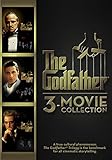
The Godfather 3-Movie Collection | $12.55 | Buy on Amazon |
| 2 |

|
The Godfather Coppola Restoration DVD BOX | $59.99 | Buy on Amazon |
| 3 |
|
The Godfather Box Set-2001.(pts 1,2,3+bonus) | $54.99 | Buy on Amazon |
| 4 |

|
The Godfather - The Coppola Restoration Giftset (The Godfather / The Godfather Part II / The... | $189.99 | Buy on Amazon |
How the False Reports Took Hold
The misleading claims appear to have originated from a familiar mix of click-driven websites, algorithmic aggregation, and social media posts stripped of context. In some cases, automated content farms recycle old biographical data, confuse ages, or pair a famous name with unrelated obituaries to generate traffic. Once shared, these errors gain momentum, especially when amplified by emotional reactions rather than verification.
Diane Keaton’s age made the rumor seem plausible at a glance, which is often all it takes for misinformation to spread. The absence of a clear source or attribution is a telltale sign, as legitimate outlets uniformly follow confirmation protocols before reporting a death. When those safeguards are missing, skepticism is not just healthy, it’s essential.
What’s actually slowing this PC down?
Pick the symptom - the matching free tool is one click away.
#1 Best Overall
Why Keaton’s Legacy Makes These Hoaxes Hit Harder
Part of the reason the rumor resonated is Keaton’s enduring cultural footprint. Her collaborations with Francis Ford Coppola and Woody Allen helped define entire genres and eras, and her influence extends well beyond those landmark films into fashion, performance style, and the evolution of female-led storytelling. Audiences feel a personal connection to artists whose work has accompanied them for decades.
That emotional bond is precisely why responsible media consumption matters. False reports don’t just misinform; they distort the way we engage with living legacies. In Keaton’s case, the real story isn’t an ending, but a body of work that continues to be celebrated, revisited, and reinterpreted, very much with its creator still here to witness it.
Where the Death Hoax Started: Viral Posts, Clickbait Sites, and Algorithmic Amplification
The false reports about Diane Keaton’s death did not originate from a single source, but from a familiar ecosystem of low-credibility websites and viral social posts designed to exploit shock and nostalgia. These platforms often mimic the look of legitimate entertainment news while avoiding any verifiable sourcing. To an anxious reader scrolling quickly, the presentation can feel convincing enough to prompt a share before a second thought.
The Clickbait Blueprint
Many of the earliest links followed a predictable pattern: a headline declaring Keaton had “died at 79,” paired with recycled photos from The Godfather or Annie Hall and vague language about a “sad loss.” The articles themselves were thin on details, frequently repurposing biographical summaries rather than reporting new information. Crucially, they cited no statements from family, representatives, or established news outlets.
Do these 3 things before closing this tab:
1Fix the driver behind crashes, sound loss and screen glitches2Repair Windows errors before they cause bigger problems3Scan for outdated or missing drivers - takes under a minuteThis tactic thrives on ambiguity. By avoiding specifics like date, location, or cause of death, these sites sidestep immediate fact-checking while still capturing emotional engagement. The goal is not accuracy, but clicks, ad impressions, and algorithmic visibility.
Social Media and the Illusion of Consensus
Once those links hit platforms like Facebook, X, and TikTok, the hoax gained a second life. Posts expressing grief or disbelief, often accompanied by clips from Keaton’s most iconic scenes, created the illusion that the news had already been confirmed elsewhere. Seeing multiple people react emotionally can trick users into assuming the information itself is legitimate.
Algorithmic feeds reward engagement, not verification. As comments, likes, and shares accumulate, the content is pushed to more users, many of whom encounter the claim stripped entirely of its original context. By that stage, the rumor feels less like a question and more like a collective acknowledgment.
Search Engines, Aggregators, and AI Shortcuts
The spread was further accelerated by automated news aggregators and AI-driven content scrapers that pull trending names without human oversight. In some cases, search results briefly surfaced misleading headlines simply because Diane Keaton’s name was spiking in traffic. These systems are designed to detect popularity, not truth, which allows false narratives to momentarily outrank accurate reporting.
For readers, this creates a dangerous feedback loop. A quick search appears to “confirm” what they have already seen on social media, even though no reputable outlet has reported her death. It is precisely how a living icon can be mistakenly mourned in real time.
Why Familiar Names Are Frequent Targets
Keaton’s stature makes her especially vulnerable to this kind of misinformation. Stars associated with foundational films like The Godfather and Annie Hall occupy a permanent place in cultural memory, and any suggestion of their passing carries emotional weight. Hoax creators rely on that recognition, knowing the name alone will stop a scroll.
The reality, however, remains unchanged. Diane Keaton is alive, active, and very much part of the ongoing conversation around classic and contemporary cinema. The episode says far more about the mechanics of modern media than it does about the actress herself, underscoring the need to pause, verify, and resist the pull of algorithm-fueled panic.
Fact-Checking the Claim: Official Sources, Recent Appearances, and What Confirms Keaton Is Alive
The most reliable way to verify any celebrity death claim is to check primary, authoritative sources. In Diane Keaton’s case, none of the outlets that would confirm such news have reported it. Major publications, industry trades, and Keaton’s own representatives have issued no statements indicating her passing.
Recommended Free Tools
Just as importantly, no obituary has appeared in credible news organizations, and there has been no confirmation from unions, studios, or long-standing collaborators. For a figure of Keaton’s stature, her death would not be subtle, delayed, or confined to social media speculation.
What Official Silence Actually Means
When a high-profile actor dies, confirmation follows a predictable pattern. Family representatives speak first, followed quickly by coverage from outlets like The New York Times, Variety, The Hollywood Reporter, and the Associated Press. None of those signals exist here.
Instead, the silence from official channels serves as confirmation in itself. In entertainment journalism, absence of reporting from trusted sources is often the clearest indicator that a viral claim is false.
Recent Appearances and Ongoing Activity
Beyond the lack of official confirmation, Keaton has remained visibly active. She has continued to give interviews, participate in public conversations about film, and make appearances connected to both new projects and retrospectives of her work. These are not archival resurfacing moments; they are contemporary engagements.
Her presence underscores a key point often lost in hoax cycles. Diane Keaton is not a retired figure frozen in past performances, but a living artist who still contributes to the cultural dialogue around cinema, aging, and creative longevity.
Why the Age Detail Is a Red Flag
Many of the false headlines claim Keaton died at 79, a detail that appears designed to sound plausible rather than accurate. Born in January 1946, she is currently older than the age cited in the hoax, a discrepancy that alone raises questions about the credibility of the claim.
These errors are common in death hoaxes, which prioritize emotional impact over factual precision. They rely on readers accepting the headline at face value rather than examining the details.
Separating Cultural Reflection From False Mourning
Part of what makes these rumors convincing is that Keaton’s films are so deeply embedded in cultural memory. Revisiting The Godfather or Annie Hall can feel like reconnecting with a bygone era, blurring the line between nostalgia and reality. Hoaxes exploit that emotional overlap.
The Tool Desk
Outbyte PC Repair FREEClear out junk files and repair common Windows errorsFree Scan →Outbyte Driver Updater FREEFix the driver behind crashes, sound loss and screen glitchesFind Drivers →The correct response is not panic or premature mourning, but verification. Diane Keaton remains alive, engaged, and rightfully celebrated for a body of work that continues to influence filmmakers and audiences alike, without requiring a false headline to remind us of her impact.
Why Diane Keaton Is a Frequent Hoax Target: Fame, Age, and the Anatomy of Celebrity Death Scares
Celebrity death hoaxes rarely target obscure figures. They aim for names that trigger instant recognition, emotional response, and widespread sharing. Diane Keaton, with a career spanning more than five decades and films woven into the fabric of American cinema, fits that profile almost too perfectly.
Her association with era-defining titles like The Godfather and Annie Hall gives false reports an immediate sense of gravity. When a headline pairs her name with the word “dies,” it activates cultural memory before logic has time to intervene. That emotional reflex is precisely what hoax creators rely on.
Legacy Icons Are Especially Vulnerable
Actors whose most famous work belongs to earlier decades are frequent targets of death scares. Audiences instinctively place them in the past, even when they remain active in the present. This creates a mental gap that hoaxes exploit, making the news feel plausible simply because time has passed.
Keaton’s screen persona also plays a role. Her thoughtful, reflective public image, combined with frequent discussions about aging, creativity, and legacy, can be easily misinterpreted when stripped of context and repackaged into a false narrative.
Age as a Clickbait Tool
False reports often hinge on age, and not by accident. Attaching a specific number, such as 79, gives the headline a veneer of authority while avoiding immediate verification. Many readers do not stop to check dates, especially when the age sounds reasonable.
In Keaton’s case, the incorrect age is a tell. It signals a headline built for emotional traction rather than factual accuracy, a hallmark of hoax content designed to spread quickly before being questioned.
The Role of Algorithmic Amplification
Modern hoaxes no longer rely solely on prank websites. Social media algorithms reward engagement, not accuracy, allowing sensational claims to surface repeatedly in feeds. A single unverified post can be echoed across platforms, gaining perceived legitimacy through repetition.
Outdated Drivers Are Slowing You Down
One free scan finds every outdated or missing driver and matches the right update for your exact hardware.Free scan · exact hardware matchPC Slower Than It Used to Be?
A free scan shows the junk files, broken settings and background clutter dragging Windows down - then fixes them in one click.Free scan · Windows 10 & 11Search engines can inadvertently contribute as well. When enough people search a false claim, automated suggestion tools may reinforce the rumor, creating a feedback loop that feels like confirmation to casual readers.
Why Keaton’s Cultural Impact Fuels the Rumors
Diane Keaton’s work carries a sense of finality because it defined moments in film history. The Godfather represents a turning point in American cinema, while Annie Hall reshaped the romantic comedy and earned her an Academy Award. These films are often discussed in retrospective terms, which can blur the distinction between celebrating a career and mourning its end.
Hoaxes feed on that confusion, turning admiration into premature elegy. The irony is that Keaton’s enduring relevance, her continued presence in interviews, projects, and public discourse, directly contradicts the narratives claiming her death.
Understanding why these rumors spread is part of becoming a more responsible media consumer. In Keaton’s case, the facts are clear: she has not died, and her legacy is something to appreciate in real time, not through the false lens of a viral headline.
Free tools Windows power users keep installed
One-click scans. No signup required.
From Kay Adams to Annie Hall: How The Godfather and Annie Hall Cemented a Screen Icon
When false reports claim Diane Keaton has died, they often lean on the weight of her most iconic roles to lend emotional credibility. The irony is that these performances are not relics of a closed chapter, but living parts of film culture that continue to resonate because Keaton herself remains very much present. Her work in The Godfather and Annie Hall did more than define eras; it reshaped how women could exist at the center of American cinema.
Kay Adams and the Moral Center of The Godfather
As Kay Adams in The Godfather trilogy, Keaton provided the audience’s point of entry into a world defined by power, loyalty, and moral decay. Unlike the operatic masculinity surrounding her, Kay is grounded, observant, and increasingly disillusioned, a character whose emotional clarity exposes the cost of Michael Corleone’s transformation.
Keaton’s performance resists melodrama, relying instead on restraint and quiet confrontation. The final moments of the first film, with Kay watching the door close on her marriage and her ideals, remain among the most chilling images in American cinema. It is a reminder that her impact lies not only in screen time, but in the emotional architecture she brings to a story.
Annie Hall and the Reinvention of the Romantic Lead
Five years later, Annie Hall would place Keaton at the center of a cultural shift. The character, inspired in part by Keaton herself, rejected the polished archetypes of romantic comedies that came before. Annie is awkward, expressive, intellectually curious, and unapologetically individual, qualities that felt radical in 1977 and still feel modern today.
Keaton’s Academy Award-winning performance turned personal style into cinematic language, from the androgynous fashion to the self-aware humor. Annie Hall didn’t just change the trajectory of romantic storytelling; it expanded the definition of what a leading woman could be, influencing generations of filmmakers and performers.
Why These Roles Still Anchor Her Legacy
The continued relevance of Kay Adams and Annie Hall helps explain why Keaton is so often framed in retrospective terms, even when she is actively working and engaging with audiences. These films are taught, revisited, and debated as milestones, which can blur into the language of finality that hoaxes exploit.
But revisiting these performances is not an act of mourning. It is an acknowledgment of a career that remains influential because its creator is still here to reflect on it, challenge it, and add to it. Recognizing that distinction is essential, not just for appreciating Diane Keaton’s legacy, but for resisting the false narratives that mistake cultural permanence for personal absence.
Beyond the Classics: Diane Keaton’s Reinventions as Actress, Director, and Style Trailblazer
What false death reports consistently overlook is how little Diane Keaton’s career fits neatly into a finished chapter. Far from retreating after her most iconic roles, she has spent decades redefining what longevity looks like in Hollywood, moving fluidly between comedy, drama, directing, writing, and public intellectual life. The persistence of these hoaxes often says more about how culture freezes women in time than it does about Keaton herself.
Quick wins for a faster PC:
Clear out junk files and repair common Windows errorsFree Scan →Fix the driver behind crashes, sound loss and screen glitchesFind Drivers →A Career That Refused to Age Out
After Annie Hall, Keaton avoided the trap of repetition, choosing projects that complicated her screen persona rather than preserving it. Films like Reds, Shoot the Moon, and Marvin’s Room allowed her to explore emotional ambiguity and adult relationships without softening their edges. In later years, she embraced comedy again in Something’s Gotta Give and Book Club, reframing romance and desire for audiences rarely centered by mainstream cinema.
These roles mattered because they normalized visibility. Keaton didn’t disappear as she aged; she adjusted the lens, insisting that mature women could be funny, romantic, flawed, and central. That insistence is part of why rumors of her death feel so jarring, colliding with an actress who remains culturally present and professionally active.
Behind the Camera and Beyond the Script
Keaton’s reinvention also included stepping behind the camera, directing films such as Unstrung Heroes and Hanging Up. While her directing career was selective, it reflected a broader creative curiosity and a desire for authorship beyond performance. She has also written candid memoirs that examine creativity, aging, family, and faith with the same unvarnished intelligence that defined her screen work.
This multidimensional career resists the narrative closure that death hoaxes rely on. When an artist continues to publish, direct, and speak publicly, the claim of their absence becomes easier to debunk, if audiences pause long enough to check reliable sources.
Fashion as Identity, Not Image
Long before “personal branding” became a marketing term, Keaton turned style into self-definition. Her embrace of menswear-inspired silhouettes, layered neutrals, and unapologetic individuality reshaped red carpet expectations and everyday fashion alike. What began as an extension of Annie Hall became a lifelong aesthetic philosophy rooted in comfort, autonomy, and self-knowledge.
That visibility, still present in interviews and public appearances, reinforces a simple truth often missing from viral headlines: Diane Keaton is alive, engaged, and evolving. Her influence persists not because she belongs to the past, but because she never stopped participating in the present.
Why Reinvention Fuels Misinformation
Celebrity death hoaxes thrive on familiarity. When a performer’s most famous work is decades old, algorithms and inattentive readers can confuse reverence with finality. In Keaton’s case, the towering legacies of The Godfather and Annie Hall create an illusion of completion that irresponsible posts exploit.
Understanding her continued reinvention is the antidote. Keaton’s career is not a closed loop but an ongoing conversation, one that rewards curiosity and media literacy. Recognizing that distinction allows audiences to celebrate her cultural impact without surrendering to the false narratives that periodically try to write her ending for her.
Free tools Windows power users keep installed
One-click scans. No signup required.
The Cultural Legacy That Fuels the Rumors: Why Audiences React So Strongly to False Death News
False reports about Diane Keaton’s death spread precisely because her presence feels foundational. For many viewers, The Godfather and Annie Hall are not just films but cultural reference points, revisited across decades through streaming, film school syllabi, and anniversary retrospectives. When a figure becomes this woven into shared memory, even an unverified headline can feel plausible for a fleeting moment.
It bears stating clearly: Diane Keaton has not died. She remains active, visible, and creatively engaged, and no credible news organization has reported otherwise.
When Icon Status Mimics Finality
Audiences often associate artistic immortality with literal endings. Keaton’s work in The Godfather trilogy and her Oscar-winning turn in Annie Hall carry a sense of canon, as if they belong to a completed chapter of film history. That reverence can blur into assumption, making readers vulnerable to posts that frame legacy as obituary.
The effect is intensified online, where algorithms reward emotional reaction over verification. A familiar name paired with the language of loss spreads faster than a measured correction.
The Social Media Mechanics Behind the Misinformation
Death hoaxes thrive on speed and ambiguity. A misleading thumbnail, a recycled photo, or a vaguely sourced caption can circulate widely before context catches up. Older stars are frequent targets, not because they are absent, but because their fame predates the always-on visibility of modern celebrity culture.
In Keaton’s case, periodic misinformation often resurfaces around anniversaries of The Godfather or Annie Hall, moments when renewed attention creates an opening for false claims to hitch a ride on genuine nostalgia.
Why These Films Still Trigger Collective Emotion
The emotional response to rumors about Keaton speaks to how deeply her performances resonate. Kay Adams’ moral unease in The Godfather and Annie Hall’s open, searching intelligence helped redefine how women were written and perceived on screen. Those characters feel personal to audiences, which makes the idea of losing their creator feel personal too.
That attachment is a testament to Keaton’s impact, not a marker of her absence. Her legacy is alive because it continues to be watched, debated, and reinterpreted.
Media Literacy as an Act of Respect
Correcting false death news is not just about accuracy; it is about honoring the living artist. Taking a moment to check reliable sources affirms that cultural icons are more than symbols frozen in time. They are people with ongoing lives and evolving voices.
In the case of Diane Keaton, responsible media consumption allows fans to replace alarm with appreciation, and rumor with recognition of a career that continues to shape how movies are made and remembered.
How to Spot and Stop Celebrity Death Hoaxes: A Media Literacy Reality Check for Fans
In moments like this, clarity matters. Diane Keaton is alive, active, and very much part of the cultural conversation, despite viral headlines falsely claiming otherwise. Understanding how these hoaxes work is the first step toward stopping them before they distort reality or overshadow a living artist’s legacy.
Start With the Source, Not the Shock
The fastest way to spot a hoax is to slow down and look at where the claim originates. Legitimate news of a public figure’s death will appear simultaneously across major, reputable outlets with clear attribution. If a headline lacks sourcing, links to a vague blog, or relies on a single social post, skepticism is warranted.
Quick wins for a faster PC:
Fix the driver behind crashes, sound loss and screen glitchesFind Drivers →Clear out junk files and repair common Windows errorsFree Scan →Many hoaxes use phrasing designed to sound official without being specific. Words like “reportedly” or “sources say,” when paired with no actual sources, are a common red flag.
Watch for Recycled Images and Anniversary Timing
False reports often resurface during anniversaries, award season tributes, or viral reappraisals of classic films. A photo from The Godfather era or an Annie Hall still, stripped of context, can feel like confirmation even when it is not. The emotional weight of nostalgia does much of the hoax’s work for it.
Keaton’s films are frequently revisited, taught, and debated, which keeps her image circulating online. That visibility, ironically, makes misinformation easier to pass off as news.
Check the Artist’s Own Public Presence
Another practical step is to look for current activity. Diane Keaton maintains a visible public profile, including recent interviews, book promotions, and social media posts. Hoaxes often ignore these easily verifiable signs of life, hoping readers will not pause long enough to notice the contradiction.
PC Slower Than It Used to Be?
A free scan shows the junk files, broken settings and background clutter dragging Windows down - then fixes them in one click.Free scan · Windows 10 & 11Outdated Drivers Are Slowing You Down
One free scan finds every outdated or missing driver and matches the right update for your exact hardware.Free scan · exact hardware matchSilence from official representatives or family is also telling. Real news of this magnitude is never allowed to linger unconfirmed.
Why Sharing Carefully Is Part of Being a Fan
Every repost, even one framed as concern, helps misinformation travel further. Choosing not to share until something is verified protects both the truth and the person at the center of the rumor. It is a small but meaningful act of respect.
For artists like Keaton, whose work shaped modern screen performance, accuracy matters because her influence is ongoing. She is not a figure of the past; she is a living contributor to film culture.
Legacy Is Not an Obituary
The confusion surrounding Diane Keaton’s name reveals how often we mistake legacy for finality. The Godfather and Annie Hall endure because they still speak to audiences, not because their stars are gone. Treating reverence as a eulogy diminishes the present-tense reality of creative lives that continue to evolve.
Do these 3 things before closing this tab:
1Scan for outdated or missing drivers - takes under a minute2Repair Windows errors before they cause bigger problems3Fix the driver behind crashes, sound loss and screen glitchesThe takeaway is simple but essential. In an era of instant headlines and emotional algorithms, informed fans become the last line of defense between rumor and reality. By pausing, verifying, and remembering that Diane Keaton is very much alive, audiences can replace panic with perspective and honor her career in the way it deserves: with attention, accuracy, and appreciation.
Quick Recap
Product prices and availability are accurate as of the date/time indicated and are subject to change. Any price and availability information displayed on Amazon at the time of purchase will apply.

