Countdown didn’t end with closure so much as it ended with a question mark, and that choice now defines the entire conversation around a potential Season 2. The Prime Video thriller wrapped its first run by resolving the immediate crisis at the center of the narrative, only to peel back a final layer that reframed everything viewers thought they understood. Rather than offering a clean victory, the finale suggested that the threat was never fully neutralized, merely delayed.
The final moments deliberately shifted the scale of the story. Key revelations hinted at deeper institutional complicity and a broader conspiracy beyond the season’s central antagonist, pushing the series away from a self-contained thriller and toward something more serialized. Character arcs, particularly for the lead, were left in a state of moral and emotional suspension, signaling that their choices had consequences still waiting to unfold.
From a creative standpoint, this kind of ending is rarely accidental. Streaming platforms tend to discourage cliffhangers unless there’s confidence in future storytelling potential, and Countdown’s finale felt engineered to extend the narrative rather than conclude it. That unresolved tension now places pressure on Prime Video’s renewal decision, because the story, as presented, is very clearly unfinished.
How Did ‘Countdown’ Perform? Examining Prime Video Viewership Signals and Chart Presence
That unfinished ending naturally leads to the next, more consequential question: did enough people actually watch Countdown to justify continuing the story? Unlike traditional networks, Prime Video doesn’t release detailed ratings, so assessing performance becomes an exercise in reading signals rather than citing hard numbers.
What’s actually slowing this PC down?
Pick the symptom - the matching free tool is one click away.
#1 Best Overall

- HD streaming made simple: With America’s number 1 TV streaming platform,* exploring popular apps—plus tons of free movies, shows, and live TV—is as easy as it is fun. *Based on hours streamed—Hypothesis Group
- Compact without compromises: The sleek design of Roku Streaming Stick won’t block neighboring HDMI ports, and it even powers from your TV alone, plugging into the back and staying out of sight. No wall outlet, no extra cords, no clutter.
- No more juggling remotes: Power up your TV, adjust the volume, and control your Roku device with one remote. Use your voice to quickly search, play entertainment, and more.
- Shows on the go: Take your TV to-go when traveling—without needing to log into someone else’s device.
- TV, simplified: With setup that only takes minutes, a simple-to-navigate Home Screen, and an uncluttered remote control that does all you need—Roku makes it easier to watch the TV you love.
What those signals reveal is a mixed but not dismissible picture, one that helps explain why the show’s future remains unresolved rather than already decided.
Prime Video Charts and Early Visibility
Countdown debuted with a noticeable, if brief, presence on Prime Video’s internal Top 10 charts in multiple regions. For its first week, the series benefited from prominent homepage placement and algorithmic promotion, suggesting Amazon viewed it as a meaningful launch rather than filler content.
However, its chart position softened relatively quickly. Unlike breakout hits that linger for weeks near the top, Countdown appeared to slide out of the Top 10 conversation faster, especially once newer originals and licensed films rotated in. That drop-off doesn’t equal failure, but it does indicate the show may not have achieved sustained momentum.
Nielsen Data and the Limits of Transparency
Countdown did not consistently appear in Nielsen’s weekly U.S. streaming originals rankings, which track total minutes viewed. This absence matters, because Nielsen visibility is often a strong indicator of mass engagement, particularly for thrillers designed to encourage binge viewing.
That said, Nielsen data only captures viewing on television sets and only in the U.S., leaving significant gaps. Prime Video frequently weighs global performance and completion rates more heavily than raw domestic minutes, meaning a show can still be viable without ever cracking Nielsen’s public charts.
Completion Rates and the Thriller Advantage
One quiet advantage working in Countdown’s favor is its genre. Tight, serialized thrillers often generate higher completion rates than slower prestige dramas, and platforms care deeply about how many viewers finish a season rather than simply sample it.
If a substantial portion of the audience watched through to that cliffhanger ending, Prime Video may interpret the series as sticky, even if the total audience size wasn’t massive. Completion data is internal, but the show’s narrative structure suggests it was designed to be consumed quickly rather than abandoned midseason.
How Prime Video Typically Interprets “Moderate” Hits
Amazon has a history of renewing shows that perform solidly rather than spectacularly, especially when budgets are controlled and international appeal exists. Series like this often live in the middle tier: not cultural phenomena, but reliable engagement drivers that help retain subscribers.
The Tool Desk
Outbyte Driver Updater FREEScan for outdated or missing drivers - takes under a minuteDriver Scan →Outbyte PC Repair FREEClear out junk files and repair common Windows errorsFree Scan →At the same time, Prime Video has shown little hesitation in cutting shows that fail to demonstrate growth potential. Countdown’s chart performance places it squarely on that dividing line, where internal metrics, cost considerations, and strategic timing matter far more than public buzz.
In other words, Countdown’s performance didn’t scream instant renewal, but it also didn’t close the door. The data points available suggest a show that did enough to stay in the conversation, even if it now needs additional factors to tip the balance in its favor.
Prime Video’s Renewal Playbook: What Similar Genre Shows Reveal About Season 2 Odds
When Prime Video is on the fence, its past renewal decisions become the clearest roadmap. The platform rarely treats thrillers as prestige experiments; instead, it evaluates them as engagement tools, designed to drive consistent viewing and keep subscribers clicking “next episode.”
Looking at how similar genre shows have fared offers a realistic framework for understanding where Countdown may land.
Recommended Free Tools
Middle-Tier Thrillers Often Get a Second Look
Prime Video has a notable track record of renewing action and thriller series that delivered solid but unspectacular numbers. Shows like Reacher and The Night Agent became breakout successes, but others renewed quietly after less headline-grabbing debuts because they proved dependable with core audiences.
These renewals often happen without fanfare and sometimes arrive later than viewers expect. For series in this middle tier, Amazon tends to take extra time to evaluate long-tail viewing, international traction, and post-launch discovery rather than rushing a decision.
Rank #2

- Ultra-speedy streaming: Roku Ultra is 30% faster than any other Roku player, delivering a lightning-fast interface and apps that launch in a snap.
- Cinematic streaming: This TV streaming device brings the movie theater to your living room with spectacular 4K, HDR10+, and Dolby Vision picture alongside immersive Dolby Atmos audio.
- The ultimate Roku remote: The rechargeable Roku Voice Remote Pro offers backlit buttons, hands-free voice controls, and a lost remote finder.
- No more fumbling in the dark: See what you’re pressing with backlit buttons.
- Say goodbye to batteries: Keep your remote powered for months on a single charge.
Budget Discipline Can Matter as Much as Ratings
One advantage Countdown may have is scale. Prime Video is more patient with shows that don’t carry massive effects budgets or sprawling ensemble casts, especially in the thriller space where tension and pacing do much of the work.
If the production costs remained controlled and Season 2 could be mounted efficiently, the threshold for renewal becomes lower. In those cases, even modest growth or strong completion rates can justify another chapter.
Free tools Windows power users keep installed
One-click scans. No signup required.
International Performance Is a Quiet Deciding Factor
Prime Video operates globally, and many of its thriller renewals are influenced by overseas engagement. Action-driven, plot-heavy series often travel well, even if U.S. buzz is muted.
If Countdown found an audience in international markets where Prime Video continues to expand, that data could weigh heavily in its favor. This is one of the least visible but most decisive elements in Amazon’s internal calculus.
Silence Doesn’t Signal Cancellation—Yet
Notably, Prime Video has not rushed to clarify Countdown’s future, which aligns with how the service handles borderline renewals. Clear cancellations often come quickly, while potential renewals can sit in limbo for months as performance data matures.
This waiting period allows Amazon to assess whether late viewers are discovering the show and whether engagement holds beyond the initial release window. For fans, the absence of news keeps the door open, but it also underscores how finely balanced the decision remains.
Behind the Scenes: Creative Team, Cast Contracts, and Production Factors That Matter
While viewership metrics and completion rates dominate public discussion, renewal decisions often hinge just as heavily on quieter, behind-the-scenes variables. For a series like Countdown, those factors can either accelerate a second-season greenlight or quietly stall it.
Showrunner Stability Signals Creative Confidence
One positive indicator for Countdown is the continuity of its creative leadership. Prime Video tends to favor shows with a clear long-term plan, especially in the thriller genre, where serialized storytelling requires confidence in where the narrative is headed.
If the showrunner and writing team remain under overall or first-look agreements with Amazon Studios, that lowers friction for a renewal. It suggests the platform sees Countdown not as a one-off experiment, but as a property with room to evolve across multiple seasons.
Cast Contracts Can Complicate Timing
Cast availability is another variable that can quietly shape renewal timelines. Many first-season contracts are structured with short-term options, meaning negotiations may need to be reopened if a decision isn’t made quickly.
Crashes, No Sound, or Screen Glitches?
Random freezes, missing sound and display glitches usually trace back to one bad driver. Find and replace yours safely.Free scan · under a minuteWindows Errors? Fix Them Before They Spread
Repair common Windows errors and clear accumulated junk for a smoother, more stable PC - no reinstall needed.Free scan · no reinstallIf key cast members have since taken on other projects or entered holding deals elsewhere, Amazon may need to move carefully. This can explain why renewals sometimes arrive later than expected, even when internal performance metrics are encouraging.
Production Logistics and Cost Control Matter More Than Ever
Prime Video has become increasingly disciplined about production efficiency, particularly as Amazon Studios refines its content spend. Shows that can maintain consistent quality without escalating budgets are far easier to justify in a crowded slate.
Countdown’s grounded tone works in its favor here. If Season 2 can be produced using similar locations, schedules, and crew structures, the financial case becomes cleaner, reducing risk for the platform.
Rank #3

- 4K streaming made simple:With America’s number 1 TV streaming platform,* exploring popular apps—plus tons of free movies, shows, and live TV—is as easy as it is fun. *Based on hours streamed—Hypothesis Group
- 4K picture quality: With Roku Streaming Stick Plus, watch your favorites with brilliant 4K picture and vivid HDR color.
- Compact without compromises: Our sleek design won’t block neighboring HDMI ports, and it even powers from your TV alone, plugging into the back and staying out of sight. No wall outlet, no extra cords, no clutter.
- No more juggling remotes: Power up your TV, adjust the volume, and control your Roku device with one remote. Use your voice to quickly search, play entertainment, and more.
- Shows on the go: Take your TV to-go when traveling—without needing to log into someone else’s device.
External Signals Worth Watching
In the absence of an official renewal announcement, subtle cues can offer insight. Writers returning to rooms, cast members extending availability windows, or production offices quietly holding leases are often early signs of forward momentum.
None of these guarantee a Season 2, but together they form the internal checklist Amazon reviews before pulling the trigger. For Countdown, these behind-the-scenes factors may ultimately matter as much as any chart placement or social media buzz.
The Silence Speaks? What Amazon and the Creators Have (and Haven’t) Said About Season 2
In the weeks following Countdown’s Season 1 finale, the absence of official word from Amazon has become its own data point. Prime Video has not issued a renewal or cancellation announcement, nor has it quietly labeled the series a limited run. In today’s streaming landscape, that neutrality is deliberate, signaling that the show remains under evaluation rather than written off.
Amazon’s Familiar Post-Launch Playbook
Amazon Studios has developed a consistent rhythm when it comes to renewals, especially for thrillers. Decisions often arrive several months after a season drops, once 28- to 45-day performance windows are fully analyzed alongside completion rates and subscriber impact. The silence around Countdown fits that pattern, suggesting the platform is still weighing long-tail viewership rather than reacting to opening-week buzz alone.
It’s also worth noting that Amazon rarely telegraphs renewal intentions through press leaks. Unlike some competitors, Prime Video tends to keep decisions internal until contracts and budgets are fully locked, which can extend timelines even for shows that are performing within expectations.
Do these 3 things before closing this tab:
1Scan for outdated or missing drivers - takes under a minute2Clear out junk files and repair common Windows errors3Fix the driver behind crashes, sound loss and screen glitchesWhat the Creators Are Saying, Carefully
On the creative side, the showrunner and producers have been notably measured in public comments. In post-premiere interviews, they’ve spoken about the series as an ongoing story, emphasizing unresolved arcs and a broader mythology that extends beyond Season 1. However, those remarks stop short of confirming active development on a second season.
That restraint is typical. Creators are often contractually limited in what they can say before a formal renewal, and speaking too definitively can backfire if negotiations shift. Still, framing Countdown as an expandable narrative rather than a closed-ended thriller suggests confidence in its design, even if the green light hasn’t arrived.
Social Media Silence Isn’t a Red Flag
Fans scanning cast and creator social feeds for clues may notice a lack of teasing or countdown-style hype. That quiet doesn’t necessarily indicate trouble. Amazon often discourages premature promotion until a decision is finalized, particularly to avoid mixed messaging with viewers.
What matters more is what hasn’t happened. No one involved has referred to the series in the past tense or thanked fans in a way that reads like a farewell. In an industry where cancellations are often accompanied by subtle goodbyes, that omission keeps the door open.
Why Timing Still Matters
Ultimately, the lack of commentary reflects process, not indifference. Amazon’s evaluation window accounts for global performance, retention impact, and how a show fits into the broader Prime Video slate for the following year. Until those pieces align, public silence remains the safest option.
For viewers tracking Countdown’s future, this phase is less about waiting for quotes and more about watching for movement. When Amazon is ready to speak, it tends to do so decisively, and the groundwork for that announcement is often laid quietly well in advance.
Audience Buzz vs. Algorithm Reality: Fan Demand, Social Metrics, and Critical Reception
The gap between visible fan enthusiasm and Prime Video’s internal calculus is where Countdown’s Season 2 prospects become most complicated. Online, the series has found a vocal audience, particularly among viewers drawn to its slow-burn tension and serialized mystery. That engagement, however, doesn’t always translate cleanly into the data points that drive renewal decisions.
Fan Engagement Is Real, But Niche
Across social platforms, Countdown has inspired active discussion threads, theory breakdowns, and late-discovery posts from viewers who found the show after its initial launch window. That kind of organic engagement signals stickiness, especially for a thriller that rewards close attention. Still, the volume has remained modest compared to Prime Video’s breakout genre hits, suggesting strong passion within a contained audience rather than broad cultural penetration.
Quick wins for a faster PC:
Scan for outdated or missing drivers - takes under a minuteDriver Scan →Clear out junk files and repair common Windows errorsFree Scan →Rank #4
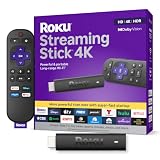
- Stunning 4K and Dolby Vision streaming made simple: With America’s number 1 TV streaming platform,* exploring popular apps—plus tons of free movies, shows, and live TV—is as easy as it is fun. *Based on hours streamed—Hypothesis Group
- Breathtaking picture quality: Stunningly sharp 4K picture brings out rich detail in your entertainment with four times the resolution of HD. Watch as colors pop off your screen and enjoy lifelike clarity with Dolby Vision and HDR10+.
- Seamless streaming for any room: With Roku Streaming Stick 4K, watch your favorite entertainment on any TV in the house, even in rooms farther from your router thanks to the long-range Wi-Fi receiver.
- Shows on the go: Take your TV to-go when traveling—without needing to log into someone else’s device.
- Compact without compromises: Our sleek design won’t block neighboring HDMI ports, so you can switch from streaming to gaming with ease. Plus, it’s designed to stay hidden behind your TV, keeping wires neatly out of sight
This distinction matters. Amazon tends to favor series that either explode immediately or quietly build massive global reach over time. Countdown’s buzz sits somewhere in the middle, engaged but not overwhelming, which places more weight on how efficiently it retained viewers who pressed play.
What Social Metrics Actually Tell Amazon
Likes, shares, and trending tags offer useful context, but they are not primary decision-makers at Prime Video. The platform’s algorithms prioritize completion rates, episode-to-episode retention, and whether a show drives continued subscriptions rather than short-term chatter. A series can dominate discourse and still underperform in the metrics that matter most internally.
For Countdown, the key question isn’t how loudly fans are asking for Season 2, but how many finished Season 1 and how quickly. Shows that maintain momentum deep into their runs tend to fare better in renewal talks, even if their social presence is relatively quiet.
Critical Reception Adds Stability, Not Momentum
Critically, Countdown landed in solid but unspectacular territory. Reviews praised its atmosphere, performances, and willingness to trust the audience, while some noted pacing issues that could deter casual viewers. That kind of reception doesn’t hurt renewal chances, but it rarely pushes a borderline show over the line on its own.
Quick wins for a faster PC:
Clear out junk files and repair common Windows errorsFree Scan →Scan for outdated or missing drivers - takes under a minuteDriver Scan →Amazon historically treats critical approval as a supporting factor rather than a deciding one. Strong reviews help justify continued investment if the data aligns, but they cannot compensate for lukewarm viewer follow-through.
The Algorithm Has the Final Say
Where fan demand meets algorithmic reality is where Countdown now stands. The show’s online presence confirms there is an audience eager for more, yet Amazon’s systems will ultimately judge whether that audience is large and committed enough to warrant another season. Until those internal signals surface through a renewal or quiet removal from priority promotion, the balance remains unresolved.
For viewers watching closely, the most telling signs won’t come from trending hashtags or critic lists. They’ll come from whether Countdown continues to be surfaced within Prime Video’s ecosystem in the weeks ahead, a subtle but meaningful indicator of how the algorithm views its long-term value.
Independent reader supportYour contribution helps us test, update, and keep practical guides available for everyone.Best- and Worst-Case Scenarios for Renewal — Plus Possible Timing for a Decision
At this stage, Countdown sits in a familiar Prime Video gray zone: not an obvious hit, not a clear miss. That makes its future less about dramatic swings and more about marginal gains in the data Amazon values most. The difference between renewal and cancellation could come down to how the show performed after its opening weekend, not how loudly it launched.
The Best-Case Scenario: Quietly Strong, Algorithm-Approved
In the most optimistic outcome, Countdown demonstrates solid completion rates and steady episode-to-episode retention, especially beyond the midpoint of Season 1. Prime Video tends to reward shows that viewers finish, even if they are not instant cultural events. A strong back-half performance would signal long-term engagement rather than curiosity-driven sampling.
In this scenario, a Season 2 renewal could arrive without much fanfare, framed as a confidence move rather than a rescue. Amazon has a history of renewing shows that build loyalty over time, particularly if production costs remain controlled and creative momentum is clear. That kind of renewal often comes several weeks after release, once internal viewing curves have fully stabilized.
The Worst-Case Scenario: Front-Loaded Interest, Steep Drop-Off
The downside case is more blunt. If Countdown attracted a strong initial audience but saw significant drop-off before the finale, the algorithm would likely flag it as inefficient viewing. Prime Video is especially cautious with shows that fail to convert early interest into sustained engagement.
In that case, the series may quietly fade from platform promotion while no official cancellation is announced. Amazon frequently lets underperforming shows linger in silence before confirming their fate, sometimes months later. The absence of updates, rather than a definitive statement, often becomes the answer.
What’s actually slowing this PC down?
Pick the symptom - the matching free tool is one click away.
The Middle Ground: A Delayed, Conditional Decision
There is also a plausible middle path where Countdown performs well enough to stay in consideration but not well enough for an immediate greenlight. Amazon occasionally delays renewal decisions to assess long-tail viewing, international performance, or subscriber behavior tied to broader release windows. This is especially common for serialized dramas with slower burn appeal.
Best Value

- The Google TV Streamer (4K) delivers your favorite entertainment quickly, easily, and personalized to you[1,2]
- HDMI 2.1 cable required (sold separately)
- See movies and TV shows from all your services right from your home screen[2]; and find new things to watch with tailored recommendations for everyone in your home based on their interests and viewing habits
- Watch live TV and access over 800 free channels from Pluto TV, Tubi, and more[3]; if you find an interesting show or movie on your TV, mobile app, or Google search, you can easily add it to your watchlist, so it’s ready when you are[2]
- Up to 4K HDR with Dolby Vision delivers captivating, true-to-life detail[4]; and you can connect speakers that support Dolby Atmos for more immersive 3D sound
If this is the case, the show’s future may hinge on whether it continues to attract viewers weeks after release, particularly through recommendations and automated discovery. A delayed renewal does not necessarily signal trouble, but it does suggest the show is being measured carefully against opportunity cost.
When a Decision Is Most Likely to Come
Historically, Prime Video renewal calls for mid-budget dramas tend to land between four and ten weeks after release. That window allows Amazon to evaluate completion data, churn impact, and whether the series drives continued engagement across the platform. Anything sooner would imply strong internal confidence; anything later suggests indecision rather than enthusiasm.
For Countdown, the most realistic expectation is not an immediate announcement but a period of watchful silence. If the show remains visible in Prime Video’s recommendation ecosystem during that stretch, it’s a meaningful sign that Season 2 is still very much in play.
The Tool Desk
Outbyte Driver Updater FREEScan for outdated or missing drivers - takes under a minuteDriver Scan →Outbyte PC Repair FREEClear out junk files and repair common Windows errorsFree Scan →What Fans Should Watch Next: Key Renewal Signals and the Realistic Outlook for ‘Countdown’ Season 2
As Prime Video enters its evaluation window, the most telling signs won’t come from press releases but from quieter, algorithm-driven behavior. For viewers invested in Countdown, the next few weeks are about reading those signals correctly rather than waiting for a single headline moment.
Platform Visibility and Algorithmic Confidence
One of the clearest indicators of internal confidence is how prominently Countdown remains positioned on Prime Video. Continued placement in “Because You Watched” rows, genre carousels, or homepage recommendations suggests the platform still sees value in pushing discovery. Shows heading toward cancellation often disappear from these surfaces long before any announcement is made.
If Countdown continues to surface organically for new viewers weeks after release, that points to healthy long-tail performance. Prime Video prioritizes series that can sustain engagement beyond opening weekend, especially among subscribers who didn’t sample the show immediately.
Completion Rates Matter More Than Raw Buzz
Unlike traditional ratings, Amazon weighs how many viewers actually finish a season. Even moderate viewership can work in a show’s favor if completion rates are strong and drop-off between episodes is minimal. A tightly serialized drama like Countdown lives or dies by whether audiences stay through the final chapters.
Free tools Windows power users keep installed
One-click scans. No signup required.
This is also where word-of-mouth quietly matters. If new viewers are discovering the series later and finishing it quickly, that behavior strengthens the case for renewal more than early social chatter ever could.
Creative Movement Behind the Scenes
Fans should also pay attention to subtle industry signals rather than public statements. Writers quietly being released from contracts, cast members taking on long-term commitments elsewhere, or creators moving to new projects can all hint at shifting priorities. Conversely, guarded comments about “ongoing conversations” often indicate the show remains under active consideration.
Prime Video rarely announces a writers’ room opening until a renewal is locked, so silence here is neutral rather than negative. The absence of farewell messaging from the creative team is also notable, as cancellations are often preceded by carefully worded goodbyes.
International Performance and Franchise Potential
Amazon increasingly evaluates series through a global lens. If Countdown performs strongly in international territories or shows cross-market appeal, that data can offset softer domestic numbers. Serialized thrillers often travel well, and Prime Video values shows that support its worldwide subscriber strategy.
There’s also the question of scalability. If the series can expand its narrative scope without dramatically increasing costs, it becomes a more attractive long-term investment, especially in a crowded slate competing for limited renewal slots.
The Most Realistic Outlook Right Now
At this stage, Countdown sits firmly in the “wait-and-see” category rather than leaning clearly toward renewal or cancellation. The absence of immediate action suggests Amazon is weighing efficiency, engagement, and long-term value rather than reacting to early performance alone.
For fans, the most productive move is simply to keep watching and finishing the season. On Prime Video, sustained viewing is the strongest vote of confidence a show can receive. Until the algorithm stops paying attention, Countdown Season 2 remains a possibility that’s still very much alive.
Quick Recap
Product prices and availability are accurate as of the date/time indicated and are subject to change. Any price and availability information displayed on Amazon at the time of purchase will apply.
Do these 3 things before closing this tab:
1Fix the driver behind crashes, sound loss and screen glitches2Repair Windows errors before they cause bigger problems3Scan for outdated or missing drivers - takes under a minute



