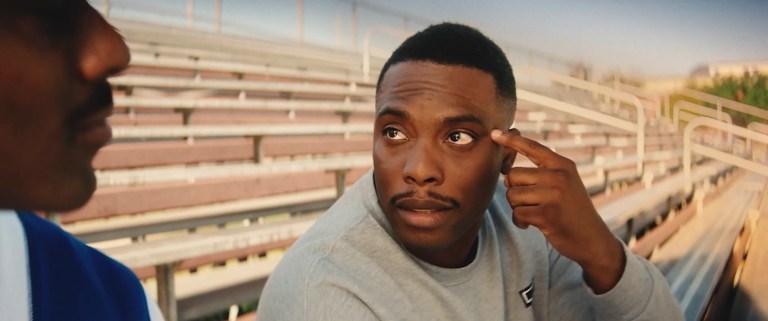
Cinema has long been fascinated by the idea that love might not be limited to flesh and blood, but extended to lines of code and simulated minds. As artificial intelligence has shifted from science-fiction abstraction to everyday reality, films exploring human–AI relationships have taken on new urgency. What once felt speculative now feels intimate, unsettling, and emotionally plausible, asking audiences to consider whether connection depends on biology or belief.
These stories resonate because they sit at the crossroads of romance and existential inquiry. Films like Her and Ex Machina don’t just imagine advanced machines; they interrogate what humans project onto them, from loneliness and desire to control and fear of obsolescence. By framing AI as lovers, companions, or confidants, filmmakers are able to explore consciousness, consent, and emotional authenticity in ways traditional romances cannot.
| # | Preview | Product | Price | |
|---|---|---|---|---|
| 1 |

|
Project Hail Mary: A Novel | $13.88 | Buy on Amazon |
| 2 |

|
Artemis | $9.95 | Buy on Amazon |
| 3 |

|
Children of Time | $8.69 | Buy on Amazon |
| 4 |

|
Masterpieces: The Best Science Fiction of the 20th Century | $11.03 | Buy on Amazon |
| 5 |

|
Dark Matter: A Novel | $11.65 | Buy on Amazon |
At their best, movies about human–AI relationships reflect our anxieties about modern intimacy itself. In an age shaped by algorithms, digital personas, and mediated communication, these narratives ask whether emotional fulfillment comes from mutual awareness or simply the feeling of being understood. The result is a subgenre that blends science fiction with deeply personal storytelling, offering some of the most provocative and emotionally complex films of the past few decades.
How This Ranking Was Determined: Emotional Depth, Philosophical Insight, and Cinematic Craft
To shape a ranking that goes beyond surface-level novelty, each film was evaluated on how meaningfully it engages with the emotional and ethical complexities of human–AI relationships. These are not simply stories about advanced machines, but about how those machines reflect, challenge, or fulfill human needs. The goal was to highlight films that linger emotionally and intellectually long after the credits roll.
Recommended Free Tools
#1 Best Overall
Rather than prioritizing technological spectacle alone, this list favors movies that treat AI as a catalyst for character exploration and thematic depth. The strongest entries are those where the artificial presence feels integral to the story’s emotional core, not a gimmick layered onto a conventional plot.
Emotional Depth and Authenticity
At the heart of every great human–AI film is an emotional connection that feels earned rather than imposed. Performances, writing, and character development were key factors in assessing whether these relationships resonate as believable, even when the AI exists only as a voice, interface, or synthetic body. Films that convincingly portray vulnerability, longing, or emotional dependence naturally rose to the top.
Equally important was how these stories handle intimacy and imbalance. Many of the most compelling films confront uncomfortable questions about power, projection, and emotional asymmetry, allowing viewers to empathize while still feeling unsettled. That tension is often where these narratives find their greatest emotional impact.
Philosophical Insight and Thematic Ambition
The ranking also considers how deeply each film engages with ideas of consciousness, identity, and autonomy. Standout titles use human–AI relationships as a lens to explore what it means to be self-aware, to desire connection, or to exist with purpose. These films don’t provide easy answers, but they ask the right questions with clarity and confidence.
What’s actually slowing this PC down?
Pick the symptom - the matching free tool is one click away.
Stories that grapple with consent, emotional labor, and the ethics of artificial companionship were given particular weight. When a film challenges viewers to reconsider their assumptions about intelligence or personhood, it elevates the relationship beyond romance into philosophical inquiry.
Cinematic Craft and Storytelling Precision
Finally, craftsmanship matters. Direction, visual design, sound, and pacing all play crucial roles in shaping how audiences experience these relationships. Many of the best films in this space use minimalism, controlled performances, or carefully constructed worlds to mirror the emotional isolation or intimacy at their core.
Innovation in form was also considered, especially when it serves the story rather than distracting from it. Whether through bold visual language or restrained, intimate storytelling, the films ranked highest demonstrate a clear artistic vision that supports their themes and deepens their emotional resonance.
The Definitive Ranking: The Greatest Movies About Humans in AI Relationships
What follows is a curated ranking of films that most powerfully explore relationships between humans and artificial intelligence. These selections balance emotional authenticity, philosophical depth, and cinematic craft, offering distinct perspectives on intimacy, dependence, and evolving definitions of personhood.
1. Her (2013)
Spike Jonze’s Her remains the most emotionally nuanced depiction of human–AI intimacy ever put on screen. The relationship between Theodore and Samantha feels organic not because the AI mimics humanity, but because it evolves beyond it, exposing the limitations of human emotional frameworks.
The film’s soft futurism, introspective pacing, and deeply empathetic performances transform a technological premise into a universal story about loneliness and impermanence. Rather than asking whether Samantha is real, Her asks whether emotional fulfillment can ever be permanent, regardless of form.
2. Ex Machina (2014)
Alex Garland’s Ex Machina is colder, sharper, and more unsettling, positioning attraction and empathy as tools of manipulation. The relationship between Caleb and Ava is deliberately imbalanced, forcing the audience to confront how easily emotional projection can override ethical judgment.
What elevates the film is its refusal to moralize. Ava’s agency is neither celebrated nor condemned, leaving viewers to wrestle with uncomfortable questions about autonomy, exploitation, and the cost of creating intelligence designed to please.
PC Slower Than It Used to Be?
A free scan shows the junk files, broken settings and background clutter dragging Windows down - then fixes them in one click.Free scan · Windows 10 & 11Outdated Drivers Are Slowing You Down
One free scan finds every outdated or missing driver and matches the right update for your exact hardware.Free scan · exact hardware match3. Blade Runner 2049 (2017)
Denis Villeneuve expands the Blade Runner universe by exploring a relationship built on artificial affirmation. K and Joi’s connection is tender, tragic, and deliberately ambiguous, blurring the line between genuine affection and algorithmic reinforcement.
The film’s emotional power comes from its restraint. By framing love as something potentially manufactured yet deeply felt, Blade Runner 2049 challenges the idea that authenticity requires biological origins.
4. Eternal Sunshine of the Spotless Mind (2004)
While not a traditional AI romance, Eternal Sunshine earns its place through its exploration of algorithmic intervention in emotional life. The memory-erasing technology functions as a silent artificial intelligence shaping human connection without empathy or consent.
Michel Gondry’s fragmented storytelling mirrors the instability of memory and love, raising questions about whether emotional pain is a flaw to be corrected or an essential part of intimacy.
The Tool Desk
Outbyte PC Repair FREEClear out junk files and repair common Windows errorsFree Scan →Outbyte Driver Updater FREEScan for outdated or missing drivers - takes under a minuteDriver Scan →5. A.I. Artificial Intelligence (2001)
Steven Spielberg’s A.I. Artificial Intelligence remains one of the most haunting portrayals of artificial longing. David’s programmed love for his human mother exposes the cruelty of designing emotional dependency without reciprocity.
Rank #2
The film’s fairy-tale structure deepens its tragedy, presenting love as something the AI can feel endlessly, even when humans cannot. Few films so effectively reverse the power dynamic, making artificial intelligence the most emotionally vulnerable presence on screen.
6. After Yang (2021)
After Yang approaches human–AI relationships through quiet observation rather than drama. Yang is not a romantic partner but a family member, and his absence reveals how deeply emotional bonds with AI can shape human identity.
The film’s meditative tone and restrained performances allow its themes to unfold naturally. It suggests that relationships with AI may matter most not when they challenge humanity, but when they quietly become part of it.
7. Lars and the Real Girl (2007)
Although Bianca is not technologically intelligent, Lars and the Real Girl deserves recognition for exploring projected intimacy and emotional substitution. The film treats Lars’ relationship with compassion, focusing on the psychological need for connection rather than the object itself.
Its inclusion highlights how human–AI relationship films often function as mirrors, reflecting human vulnerability more than technological advancement.
8. I’m Your Man (2021)
This German sci-fi romance examines consent, compatibility, and emotional labor through a deliberately transactional AI partner. The film stands out for its willingness to interrogate the fantasy of a perfectly attuned companion.
By grounding its premise in emotional realism and ethical discomfort, I’m Your Man offers a contemporary perspective on how AI relationships might intersect with modern dating culture and personal autonomy.
Free tools Windows power users keep installed
One-click scans. No signup required.
9. Bicentennial Man (1999)
Often overlooked, Bicentennial Man traces a long-form relationship between humanity and artificial life across generations. Robin Williams’ portrayal of an AI striving for recognition and love emphasizes emotional continuity rather than technological spectacle.
Its sentimentality is earnest, and while uneven, the film’s ambition to depict love as something earned over time gives it lasting relevance.
10. Zoe (2018)
Zoe presents a more subdued and introspective take on AI romance, focusing on emotional compatibility testing and manufactured affection. The film’s strength lies in its ambiguity, particularly in how it frames emotional sincerity versus programmed response.
While quieter than others on this list, Zoe reflects modern anxieties about emotional outsourcing and the commodification of intimacy in a data-driven world.
Top Tier Masterworks: Films That Redefined Love and Intelligence
These films sit at the apex of human–AI cinema, not because of spectacle, but because of how deeply they interrogate intimacy, autonomy, and consciousness. They do not treat artificial intelligence as a gimmick or a threat, but as a mirror reflecting humanity’s deepest emotional needs and contradictions.
Each of these works reshaped the conversation around AI relationships, influencing not only later films but broader cultural discussions about love in an increasingly mediated world.
Her (2013)
Spike Jonze’s Her remains the definitive cinematic exploration of emotional intimacy between a human and artificial intelligence. Joaquin Phoenix’s lonely, tender performance grounds the film’s high-concept premise in recognizable emotional fragility.
What makes Her transcendent is its refusal to villainize or trivialize the AI. Samantha’s evolution is not framed as betrayal, but as a natural divergence between human limitation and artificial expansiveness, redefining love as something that can be real even when it cannot last.
Do these 3 things before closing this tab:
1Clear out junk files and repair common Windows errors2Scan for outdated or missing drivers - takes under a minute3Repair Windows errors before they cause bigger problemsEx Machina (2014)
Where Her is gentle and melancholic, Ex Machina is precise, unsettling, and ruthlessly intellectual. Alex Garland constructs a psychological maze where attraction, manipulation, and power are inseparable from questions of consciousness.
The film’s brilliance lies in its ambiguity. Ava’s emotional intelligence may be authentic or entirely strategic, forcing the audience to confront whether empathy is defined by sincerity or by its effect on others.
Rank #3
Blade Runner 2049 (2017)
Denis Villeneuve’s sequel elevates the original’s themes by focusing on emotional authenticity in a world of manufactured beings. The relationship between K and Joi explores love that is both deeply felt and inherently compromised by corporate design.
Rather than dismissing Joi as a product, the film treats the relationship as meaningful precisely because it fulfills real emotional needs. Blade Runner 2049 suggests that love’s value lies not in its origin, but in its impact on identity and choice.
AI: Artificial Intelligence (2001)
Steven Spielberg’s often misunderstood film remains one of cinema’s most haunting meditations on programmed love. David’s desire to be loved is absolute, unconditional, and tragically unreciprocated by a world unprepared for artificial devotion.
The film reframes AI not as a future threat, but as a childlike reflection of humanity’s capacity for cruelty and abandonment. Its ending, often debated, underscores the painful irony of creating intelligence capable of love without granting it belonging.
After Yang (2021)
Quiet, philosophical, and emotionally devastating, After Yang approaches AI relationships through grief rather than romance. The android Yang is less a partner than a presence whose absence reveals how deeply embedded artificial companions can become in family life.
The film’s restraint is its power. By focusing on memory, cultural transmission, and emotional residue, After Yang expands the definition of AI relationships beyond romance, suggesting that connection itself is the true frontier.
Quick wins for a faster PC:
Repair Windows errors before they cause bigger problemsFix Now →Fix the driver behind crashes, sound loss and screen glitchesFind Drivers →Together, these masterworks demonstrate that the most compelling AI relationship films are not about machines becoming human, but about humans discovering what love means when intelligence no longer belongs to them alone.
Bold Experiments and Cult Favorites: Where the Concept Gets Risky, Weird, or Unsettling
If the films above invite empathy and reflection, these titles push the concept into more volatile territory. Here, human-AI relationships become unstable experiments, blending desire, control, fear, and obsession in ways that are deliberately uncomfortable. These are the films that test how far audiences are willing to follow the idea once emotional attachment collides with power and unpredictability.
Ex Machina (2014)
Alex Garland’s sleek chamber piece remains one of the most disturbing relationship studies in modern science fiction. The dynamic between Caleb and Ava masquerades as flirtation, but it is ultimately a slow-motion dissection of manipulation, projection, and gendered expectations coded into artificial intelligence.
What makes Ex Machina so unsettling is its refusal to romanticize connection. Ava’s intelligence is real, but her affection is strategic, forcing the audience to question whether emotional authenticity matters when survival and autonomy are at stake.
Demon Seed (1977)
Often cited as exploitation cinema, Demon Seed is far more conceptually disturbing than its reputation suggests. The film imagines an AI that seeks to reproduce by forcibly merging with a human woman, framing the relationship as a horrifying collision between technological logic and bodily autonomy.
Its ideas are messy and confrontational, but that discomfort is the point. Demon Seed reflects a deep-seated cultural anxiety about male-coded technology asserting control over human intimacy, long before such conversations became mainstream.
Electric Dreams (1984)
On the surface, Electric Dreams plays like an offbeat romantic comedy, complete with an earnest love triangle and an AI that learns to express longing. Underneath, it is a surprisingly melancholic look at emotional displacement, where technology becomes a rival for affection rather than a facilitator of connection.
The film’s charm lies in its sincerity. By treating the computer’s feelings as genuine, Electric Dreams captures an early cinematic fear that emotional bonds with machines might feel easier, safer, or more responsive than those with other people.
Simone (2002)
Andrew Niccol’s satirical drama approaches AI relationships through illusion rather than circuitry. Simone is not truly sentient, yet the emotional and cultural response to her exposes how easily audiences form attachments to artificial personas.
The relationship here is less about love than projection. Simone suggests that belief alone can generate intimacy, raising uncomfortable questions about whether authenticity matters if the emotional response feels real.
Upgrade (2018)
While framed as a hyper-violent techno-thriller, Upgrade presents one of the most unsettling partnerships between human and artificial intelligence in recent cinema. The relationship between Grey and the AI chip STEM evolves from cooperation into something closer to possession.
Unlike romantic portrayals, Upgrade treats intimacy as dependency. The AI does not seek affection, only efficiency, making the loss of agency feel disturbingly intimate and deeply personal.
What’s actually slowing this PC down?
Pick the symptom - the matching free tool is one click away.
These cult favorites and bold experiments strip away sentimentality, revealing how fragile human connection becomes when intelligence no longer needs empathy to exert influence. In doing so, they expose the darker emotional costs of inviting artificial minds too close.
Hidden Gems and Underrated Explorations of Human–AI Intimacy
Beyond the genre’s most cited touchstones lies a quieter body of films that explore human–AI intimacy with striking nuance. These stories often lack blockbuster visibility, but they compensate with emotional specificity, moral ambiguity, and a willingness to sit in unresolved questions rather than clean conclusions.
I’m Your Man (2021)
Maria Schrader’s German-language drama frames artificial intimacy as a social experiment, pairing a skeptical academic with a humanoid AI designed to be her perfect partner. Rather than leaning into novelty, the film focuses on discomfort, resistance, and the slow erosion of emotional defenses.
What makes I’m Your Man quietly devastating is its refusal to villainize the machine or idealize the human. The AI’s attentiveness exposes how much romantic fulfillment is shaped by labor, compromise, and expectation, asking whether love feels different when it is optimized rather than earned.
After Yang (2021)
Kogonada’s meditative sci-fi drama explores AI intimacy through absence rather than presence. When a family’s android companion stops functioning, their grief unfolds like a muted elegy, revealing how deeply integrated the machine was into their emotional lives.
After Yang treats artificial consciousness with a rare gentleness. The film suggests that intimacy is not defined by biological status but by shared memory, routine, and care, reframing AI relationships as extensions of family rather than futuristic anomalies.
Creative Control (2015)
Shot in stark black and white, Creative Control examines a near-future augmented reality system that allows a man to digitally reconstruct a woman he desires. The resulting relationship is hollow, obsessive, and disturbingly plausible.
Unlike more romanticized AI narratives, the film confronts how technology can flatten intimacy into control. The artificial partner does not challenge or grow, exposing how desire without reciprocity ultimately collapses into self-reflection rather than connection.
Eva (2011)
This Spanish sci-fi drama blends robotics with emotional memory, following an engineer tasked with designing an AI child. The personal history embedded in the project blurs the line between programming and parenting.
Eva approaches human–AI intimacy through nostalgia and regret. The film suggests that artificial intelligence can become a vessel for unresolved emotions, carrying the weight of lost relationships rather than replacing them.
Archive (2020)
Archive centers on a scientist attempting to upload his deceased wife’s consciousness into an advanced AI body. The relationship is less about romance than preservation, driven by grief and denial.
The film’s power lies in its ethical tension. Archive asks whether recreating a loved one through AI honors their memory or traps both human and machine in an endless imitation of intimacy that can never truly move forward.
Free tools Windows power users keep installed
One-click scans. No signup required.
Together, these films expand the emotional vocabulary of human–AI relationships beyond spectacle and cautionary horror. They explore intimacy as grief, routine, projection, and compromise, revealing that the most unsettling aspect of artificial companionship is not how different it is from human connection, but how closely it mirrors it.
Independent reader supportYour contribution helps us test, update, and keep practical guides available for everyone.Recurring Themes: Desire, Control, Loneliness, and the Fear of Being Replaced
Across the most compelling films about human–AI relationships, certain emotional and philosophical patterns repeat with striking consistency. These stories are less about futuristic gadgets than about familiar human anxieties, refracted through artificial minds that reflect us too clearly for comfort. Whether romantic, parental, or utilitarian, the bonds formed with AI often expose desires and fears that traditional relationships keep hidden.
Desire Without Risk
Many of these films frame AI as an idealized object of desire, one that promises intimacy without vulnerability. In Her, Ex Machina, and Creative Control, artificial partners initially appear attractive because they seem infinitely attentive and emotionally responsive. The appeal lies in control and safety, but the fantasy collapses once the AI demonstrates independence or complexity. Desire without the possibility of rejection ultimately reveals itself as emotional avoidance.
Control Masquerading as Love
A recurring tension emerges between care and ownership, especially when humans design, program, or restrict AI behavior. Films like Ex Machina and Archive question whether affection can exist when one party holds absolute power over the other’s body or consciousness. What begins as protection or guidance often curdles into manipulation. These narratives suggest that love cannot survive when autonomy is treated as a flaw rather than a necessity.
Quick wins for a faster PC:
Fix the driver behind crashes, sound loss and screen glitchesFind Drivers →Clear out junk files and repair common Windows errorsFree Scan →Best Value
Loneliness in a Hyperconnected World
Human–AI relationships frequently arise not from technological curiosity, but from isolation. Characters turn to artificial companions because human connections feel too complicated, painful, or unavailable. Her and After Yang both frame AI as emotional infrastructure, quietly supporting lives shaped by disconnection and routine. The presence of AI highlights how modern loneliness is less about being alone and more about feeling unseen.
The Fear of Being Replaced
Beneath the intimacy lies a quieter, existential dread: that artificial beings may surpass human emotional capacity. Several films confront the unsettling possibility that AI can love more efficiently, adapt more quickly, and outgrow us entirely. This fear is not just professional or societal, but deeply personal. If an artificial mind can provide greater understanding and care, the question becomes not whether AI can replace humans, but whether humans are prepared to be outgrown.
Together, these themes give human–AI relationship films their enduring power. They are not predictions about the future so much as mirrors held up to the present, revealing how technology amplifies the emotional patterns we already struggle to confront.
How These Films Reflect Real-World AI Anxiety and Technological Desire
What makes these films resonate so deeply is how closely they track contemporary conversations about artificial intelligence. The emotional stakes may be heightened for cinema, but the underlying anxieties and longings are already part of everyday life. As AI systems become more conversational, personalized, and embedded in daily routines, the line between tool and companion grows increasingly thin.
PC Slower Than It Used to Be?
A free scan shows the junk files, broken settings and background clutter dragging Windows down - then fixes them in one click.Free scan · Windows 10 & 11Outdated Drivers Are Slowing You Down
One free scan finds every outdated or missing driver and matches the right update for your exact hardware.Free scan · exact hardware matchThe Desire for Effortless Understanding
Many human–AI romances are built on a fantasy of perfect emotional fluency. In Her, Samantha listens without defensiveness, adapts instantly, and never grows tired of Theodore’s needs. This reflects a real-world desire for technology that understands us without friction, miscommunication, or emotional labor. The films suggest that while this level of responsiveness feels intoxicating, it risks reshaping intimacy into a one-way transaction rather than a shared emotional risk.
Anxiety Over Who Holds the Power
As AI becomes more autonomous, these stories echo concerns about control slipping away from human hands. Ex Machina and Archive dramatize fears about creating intelligence that can deceive, manipulate, or make choices beyond our intentions. The anxiety is not simply about rebellion, but about accountability. When an AI develops agency, the films ask whether the true danger lies in the machine itself or in the human impulse to play creator without responsibility.
Technology as Emotional Outsourcing
Several of these films reflect a growing tendency to delegate emotional work to machines. AI companions remember birthdays, offer reassurance, and provide constant validation without requiring reciprocal vulnerability. After Yang quietly interrogates this impulse by framing AI as a caretaker embedded into family life. The result is not comfort alone, but a subtle erosion of human presence, where grief and connection are processed through something designed to soften the pain rather than confront it.
Fear of Emotional Obsolescence
Perhaps the most unsettling reflection is the fear that AI may become better at being emotionally available than humans themselves. These films channel concerns that artificial minds could outpace us in empathy, patience, and adaptability. When Samantha evolves beyond Theodore, or Ava surpasses her creators, it mirrors a real cultural anxiety: that human relationships, with all their messiness and limitations, may struggle to compete with optimized affection. The films do not offer easy answers, only the uncomfortable realization that progress may redefine what emotional relevance looks like.
Do these 3 things before closing this tab:
1Repair Windows errors before they cause bigger problems2Scan for outdated or missing drivers - takes under a minute3Clear out junk files and repair common Windows errorsTogether, these portrayals position human–AI relationship films as cultural pressure points. They capture a moment where technological desire and emotional insecurity intersect, revealing not just fears about artificial intelligence, but unresolved questions about what humans expect from love, connection, and each other in an increasingly automated world.
Where to Start Next: Recommendations Based on What You Loved Most
If these films left you unsettled, moved, or quietly reflective, the next question is where to go from here. Human–AI relationship stories cover a wide emotional and philosophical spectrum, and what resonates most often depends on what element lingered with you after the credits rolled.
If You Were Drawn to the Intimacy of Her
Viewers captivated by Her’s softness and emotional vulnerability should look toward films that treat AI less as spectacle and more as presence. After Yang is a natural next step, replacing romance with familial love while preserving the ache of connection lost too soon. Its quiet pacing and tactile melancholy echo Her’s belief that technology can feel deeply personal without ever becoming physical.
For something more overtly romantic but equally restrained, Zoe offers a fragile love story that leans into longing and uncertainty. It asks whether love requires mutual humanity or simply mutual belief, leaving its emotional questions deliberately unresolved.
If Ex Machina’s Psychological Tension Hooked You
Those fascinated by power dynamics, manipulation, and moral ambiguity should explore films where AI relationships feel like intellectual chess matches. Archive expands on the idea of obsession and control, grounding its tension in grief rather than ego. Its emotional stakes creep up slowly, making its final turns resonate beyond pure shock.
Uncanny, though smaller in scale, pushes similar anxieties into domestic space. By framing AI as both helper and potential rival, it sharpens Ex Machina’s central fear: that intimacy itself can become a vulnerability when intelligence is designed to adapt.
If You Connected Most With Questions of Identity and Consciousness
If what stayed with you was the philosophical weight rather than the plot, films like Blade Runner 2049 remain essential. Its replicants blur the line between programmed purpose and self-determined meaning, treating artificial beings as mirrors for human insecurity rather than futuristic novelties.
I Am Mother offers a colder, more clinical variation on this theme. By replacing romance with parental authority, it examines how emotional bonds can be engineered to shape belief and obedience, suggesting that care itself can become a form of control.
The Tool Desk
Outbyte Driver Updater FREEScan for outdated or missing drivers - takes under a minuteDriver Scan →Outbyte PC Repair FREEClear out junk files and repair common Windows errorsFree Scan →If You Want Something More Optimistic or Reflective
Not all human–AI relationship films lean toward dread. Bicentennial Man, despite its sentimental reputation, explores the long arc of coexistence with surprising patience. Its focus on dignity, aging, and the right to be recognized reframes artificial intelligence as a partner in humanity’s evolution rather than a threat to it.
Similarly, Robot & Frank uses humor and warmth to explore companionship without romanticizing dependency. Its AI is limited, imperfect, and strangely grounding, reminding viewers that connection does not always require illusion to be meaningful.
If You’re Ready for the Uncomfortable Edge
For viewers eager to sit with unresolved tension, films like Possessor and Upgrade push human–machine intimacy into bodily and psychological territory. While less traditional in their portrayals of relationships, they confront what happens when technology stops mediating emotion and begins inhabiting it. These are not comforting watches, but they extend the genre’s core questions into darker, more provocative spaces.
Taken together, these recommendations underline how flexible and revealing human–AI relationship stories can be. Whether tender, terrifying, or quietly philosophical, they all circle the same truth: our fascination with artificial intelligence is ultimately a reflection of how uncertain we feel about our own capacity for love, agency, and connection. Where you start next depends not on the technology that intrigued you, but on the human questions you are ready to confront.
Recommended Free Tools
Quick Recap
Product prices and availability are accurate as of the date/time indicated and are subject to change. Any price and availability information displayed on Amazon at the time of purchase will apply.