Free tools Windows power users keep installed
One-click scans. No signup required.
Korean dramas have long been fascinated with power, but few figures command the screen quite like the CEO. Whether seated in a glass-walled office or navigating hostile boardrooms, these characters embody ambition at its most theatrical. For global audiences, the CEO-led K-drama offers a seductive mix of escapism and emotional intensity, where corporate warfare collides with romance, family loyalty, and personal reinvention.
At the heart of this obsession is the chaebol system, a uniquely Korean corporate dynasty structure that turns business into blood sport. K-dramas transform these real-world conglomerates into dramatic playgrounds, amplifying wealth, hierarchy, and generational conflict into irresistible storytelling engines. CEOs become more than executives; they are kings, rebels, or reluctant heirs, burdened by privilege and expectation in equal measure.

Power Fantasies With Emotional Stakes
CEO characters allow K-dramas to explore power fantasies without losing intimacy. Viewers get a front-row seat to influence, luxury, and authority, while also watching these figures struggle with loneliness, moral compromise, and the cost of leadership. This balance keeps the genre grounded, ensuring that success never comes without emotional consequences.
The workplace setting sharpens the drama further, turning contracts into weapons and office politics into psychological warfare. Shows like these thrive on the tension between public dominance and private vulnerability, making the CEO both aspirational and deeply human.
Do these 3 things before closing this tab:
1Repair Windows errors before they cause bigger problems2Scan for outdated or missing drivers - takes under a minute3Clear out junk files and repair common Windows errors#1 Best Overall
Romance Across Class Lines
Few tropes are as globally beloved as romance that defies social hierarchy, and CEO dramas lean into it unapologetically. Whether paired with an employee, a childhood rival, or an outsider who challenges their worldview, these relationships dramatize class divides in personal terms. Love becomes both a threat to corporate order and a catalyst for change.
This dynamic resonates internationally because it taps into universal fantasies about being seen beyond status. The CEO may have everything, but romance exposes what money cannot buy, giving these stories emotional weight beyond their glossy surfaces.
The Chaebol Effect and Cultural Fascination
Chaebol families are real institutions in South Korea, and K-dramas use them to critique unchecked power while indulging in its spectacle. Succession battles, corrupt patriarchs, and morally conflicted heirs reflect public anxieties about wealth concentration and inherited privilege. At the same time, the heightened drama makes these stories endlessly watchable.
For international viewers, the chaebol narrative offers a window into Korean society while still feeling operatic and universal. It is this blend of cultural specificity and emotional accessibility that keeps CEO-centered K-dramas dominating streaming charts and global conversations.
What’s actually slowing this PC down?
Pick the symptom - the matching free tool is one click away.
How We Ranked Them: Criteria for the Best CEO-Centered Korean Dramas
To separate surface-level fantasies from truly standout storytelling, we looked beyond expensive suits and corner offices. The best CEO dramas do more than showcase wealth; they interrogate power, vulnerability, and the human cost of ambition. Our rankings reflect how effectively each series balances romance, corporate intrigue, and character depth while remaining compelling for global audiences.
Depth of the CEO Character
A great CEO protagonist is never just rich and attractive. We prioritized dramas that give their central business figures layered motivations, moral contradictions, and emotional backstories that evolve over time. Whether ruthless, wounded, or quietly idealistic, the most memorable CEOs feel shaped by their power rather than defined by it.
Characters who confront ethical dilemmas, family pressure, or personal trauma ranked higher than those who rely solely on charm or dominance. Growth mattered as much as authority, especially when leadership came at a personal cost.
Corporate Conflict and Narrative Stakes
Office politics are the engine of this genre, and we favored series that treat corporate warfare with narrative seriousness. Hostile takeovers, succession battles, shareholder threats, and legal maneuvering all raised a drama’s standing when they felt consequential rather than decorative.
Recommended Free Tools
The strongest entries use business conflicts to drive character choices, not just plot twists. When a contract decision alters a relationship or exposes a character’s values, the drama earns its tension.
Romance That Challenges Power
Romantic arcs were judged on how well they complicate the CEO’s position rather than simply benefiting from it. Stories where love challenges hierarchy, exposes privilege, or forces the CEO to relinquish control carried more emotional weight.
We looked for chemistry grounded in character rather than fantasy alone. Relationships that feel earned, disruptive, and transformative elevated a drama far beyond trope-driven wish fulfillment.
Chaebol Storytelling and Social Commentary
Given the genre’s roots, we paid close attention to how each series handles chaebol culture. The best dramas neither blindly glamorize nor flatly condemn inherited power, instead using family dynamics to explore corruption, loyalty, and generational trauma.
Series that engage thoughtfully with social inequality, corporate ethics, or public accountability resonated more strongly, especially for international viewers seeking cultural context alongside drama.
Production Value and Global Accessibility
Visual polish matters, but clarity matters more. We favored dramas with confident direction, strong performances, and pacing that sustains tension across episodes without losing emotional focus.
Rank #2
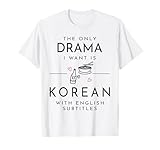
- The only drama i want is korean with English subtitles shirt
- Lightweight, Classic fit, Double-needle sleeve and bottom hem
Equally important was how accessible the story feels to non-Korean audiences. Dramas that translate cultural specificity into universal themes of ambition, love, and identity stood out as true global hits rather than niche successes.
Rank #1–#3: Iconic CEO Dramas That Defined the Genre Globally
#1 Reborn Rich (2022)
If one drama crystallized the global appetite for ruthless boardroom drama, it was Reborn Rich. Anchored by Song Joong-ki’s dual performance as both a loyal employee and the youngest heir of a chaebol empire, the series transforms the CEO figure into a long-game strategist shaped by memory, revenge, and historical consequence.
What sets Reborn Rich apart is its meticulous engagement with real-world capitalism. Corporate takeovers unfold against Korea’s modern economic history, giving international viewers a crash course in chaebol power dynamics without sacrificing emotional momentum.
Romance takes a backseat, but the emotional stakes remain deeply personal. The CEO role here is not aspirational fantasy; it is a burden defined by moral compromise, legacy warfare, and the cost of winning.
#2 What’s Wrong with Secretary Kim (2018)
No list of CEO dramas is complete without this genre-defining romantic juggernaut. Park Seo-joon’s narcissistic, hyper-competent vice chairman became a global archetype, blending sharp comedy with genuine character evolution.
The series excels at making workplace hierarchy the engine of intimacy. The romance works because it forces the CEO to confront his entitlement, emotional blind spots, and dependence on labor he previously took for granted.
Quick wins for a faster PC:
Fix the driver behind crashes, sound loss and screen glitchesFind Drivers →Repair Windows errors before they cause bigger problemsFix Now →International audiences embraced the drama for its accessibility. Corporate life is stylized, but the emotional arc is universal, turning a glossy office romance into one of the most recognizable CEO love stories in K-drama history.
#3 Business Proposal (2022)
Business Proposal modernized the CEO romance for the streaming era, leaning into self-awareness without losing sincerity. Ahn Hyo-seop’s stoic food company CEO balances corporate obligation with personal vulnerability, making him instantly legible to global audiences.
The drama’s brilliance lies in its pacing and tonal confidence. Office politics exist, but they never overwhelm the central relationship, allowing viewers to enjoy the fantasy while still engaging with questions of class, professionalism, and emotional boundaries.
By embracing rom-com conventions while sharpening them for a post-Netflix audience, Business Proposal helped reintroduce the CEO drama to a new generation of international fans, proving the trope still has global staying power when executed with charm and clarity.
The Tool Desk
Outbyte Driver Updater FREEScan for outdated or missing drivers - takes under a minuteDriver Scan →Outbyte PC Repair FREEClear out junk files and repair common Windows errorsFree Scan →Rank #4–#6: Modern CEO Stories Blending Romance, Ambition, and Workplace Politics
#4 King the Land (2023)
King the Land represents the latest evolution of the CEO romance, designed squarely for a global Netflix audience. Lee Jun-ho’s Gu Won is a chaebol heir running a luxury hotel conglomerate, but the drama intentionally strips away excessive corporate intrigue in favor of emotional transparency and romantic warmth.
What makes the series compelling is how it reframes power. The CEO is not defined by ruthless ambition but by his gradual rejection of toxic elite culture, especially the performative smiles demanded by the hospitality industry. Workplace hierarchy still exists, yet the romance unfolds as a critique of privilege rather than a celebration of it.
International viewers responded to its sincerity. King the Land understands the fantasy of wealth while grounding its emotional arc in dignity, consent, and mutual respect, offering a softer but culturally resonant take on modern corporate romance.
#5 She Was Pretty (2015)
She Was Pretty remains one of the most influential workplace romances centered on a CEO figure navigating identity, professionalism, and emotional memory. Park Seo-joon’s character, a fashion magazine editor-in-chief, embodies the cold, results-driven executive shaped by past insecurity rather than inherited power.
Rank #3

- The best shirt for birthday, mother day, father day, family day, Christmas, X-mas, holiday. Great shirt for yourself, your family, mom, dad, grandpa, grandma, son, daughter, sister, brother, aunt, uncle, wife, husband or anyone
- Lightweight, Classic fit, Double-needle sleeve and bottom hem
The drama’s strength lies in its depiction of office politics as emotionally charged spaces. Creative industries become battlegrounds for ego, recognition, and vulnerability, with the CEO role functioning as both armor and emotional obstacle. Romance emerges not from dominance, but from rediscovered empathy.
For global audiences, She Was Pretty resonates because it connects corporate authority to personal history. The series argues that leadership is inseparable from emotional growth, a theme that transcends cultural boundaries and keeps the drama relevant years after its release.
#6 My Secret Romance (2017)
My Secret Romance offers a more traditional CEO fantasy, but one that helped cement the trope’s international popularity during the early streaming boom. Sung Hoon’s chaebol CEO is distant, wealthy, and emotionally guarded, providing a familiar framework for audiences discovering K-dramas through romance-first storytelling.
While the corporate world here is less nuanced, the show excels at using executive power as a romantic catalyst. Workplace proximity, class difference, and professional tension drive the emotional stakes, keeping the narrative accessible and indulgent without becoming alienating.
Its global appeal lies in simplicity. My Secret Romance understands why CEO dramas travel well internationally, delivering escapism rooted in aspiration, emotional healing, and the enduring allure of love unfolding behind glass office walls and luxury boardrooms.
Rank #7–#9: Underrated and Genre-Bending CEO Dramas Worth Discovering
#7 Search: WWW (2019)
Search: WWW reframes the CEO drama through the lens of female power, ambition, and digital-era capitalism. Set within rival tech companies, the series centers on women executives navigating search engine wars, political pressure, and personal ethics in an industry that mirrors real-world corporate influence.
What makes the drama quietly radical is its refusal to soften authority for romance. Love exists, but it never overrides professional identity, allowing CEO figures to remain complex, decisive, and unapologetically ambitious. For global audiences, Search: WWW feels contemporary and refreshing, presenting corporate leadership as a space where women are not exceptions but architects of power.
#8 Hyena (2020)
Hyena blends legal thriller intensity with corporate warfare, positioning CEOs and elite clients as chess pieces in high-stakes battles of wealth and influence. While the main characters are lawyers, the drama’s true fascination lies in how corporate leaders operate behind closed doors, weaponizing money, reputation, and loyalty.
The series thrives on moral ambiguity. CEOs here are neither romanticized nor demonized; they are strategic survivors in a system that rewards ruthlessness. International viewers drawn to darker, prestige-style storytelling will appreciate Hyena’s genre fusion, where boardroom power feels as dangerous as any crime scene.
#9 Dali and the Cocky Prince (2021)
Dali and the Cocky Prince subverts the polished CEO archetype by pairing high culture with street-smart capitalism. Kim Min-jae’s self-made businessman lacks refinement but understands profit instinctively, creating a sharp contrast with the refined, art-world legacy represented by the female lead.
The drama uses its CEO figure to explore class mobility and emotional intelligence rather than inherited privilege. Power is messy, awkward, and often loud, making the romance feel grounded despite its fairytale structure. For viewers tired of flawless chaebols, this series offers a character-driven reminder that leadership can be learned, not inherited.
Female CEOs and Power Reversals: When the Boss Isn’t the Male Lead
K-dramas have increasingly challenged the genre’s most entrenched fantasy: that corporate authority must default to a wealthy, emotionally distant man. In these stories, power shifts decisively toward women who lead companies, shape industries, and define the rules of romance on their own terms.
Outdated Drivers Are Slowing You Down
One free scan finds every outdated or missing driver and matches the right update for your exact hardware.Free scan · exact hardware matchWindows Errors? Fix Them Before They Spread
Repair common Windows errors and clear accumulated junk for a smoother, more stable PC - no reinstall needed.Free scan · no reinstallWhat makes these series resonate globally is not just representation, but inversion. Romance becomes secondary to competence, ambition, and survival, forcing male leads into unfamiliar territory as partners, rivals, or emotional counterweights rather than default decision-makers.
Agency (2023): Ambition Without Apology
Agency is one of the most unapologetically corporate K-dramas of the last decade, centered on a woman clawing her way to the top of a major advertising firm. Lee Bo-young’s creative director-turned-CEO is not softened for likability; she is calculating, guarded, and intensely strategic.
Rank #4

- The Only Drama I Want Is Korean With English Subtitles
- Lightweight, Classic fit, Double-needle sleeve and bottom hem
The drama treats the boardroom as a battlefield shaped by gender politics, class barriers, and relentless competition. For international viewers, Agency feels refreshingly adult, offering a portrait of leadership that values endurance over romance and intellect over charm.
Mine (2021): Power Behind the Palace Gates
Mine reframes the CEO narrative through the lens of elite chaebol women who inherit influence without ever truly owning it. While male heirs technically hold titles, the real authority lies with women managing public image, private crises, and generational secrets.
Quick wins for a faster PC:
Fix the driver behind crashes, sound loss and screen glitchesFind Drivers →Repair Windows errors before they cause bigger problemsFix Now →The series uses wealth as both armor and prison, showing how corporate power intersects with motherhood, marriage, and reputation. Its glossy aesthetics mask a sharp critique of patriarchal succession, making Mine compelling for viewers drawn to psychological drama layered within luxury.
Hotel Del Luna (2019): The CEO as Mythic Authority
Though fantastical, Hotel Del Luna delivers one of the most iconic female CEO figures in modern K-drama. IU’s Jang Man-wol is the undisputed owner and operator of a supernatural business, commanding employees and clients with absolute authority shaped by centuries of experience.
The male lead enters as a manager, not a savior, creating a rare dynamic where emotional growth flows in both directions. Global audiences embraced the series because it fused supernatural spectacle with a clear power reversal, proving that charisma and command need no corporate realism to feel authentic.
Why These Power Reversals Matter
Female-led CEO dramas expand the genre’s emotional vocabulary. Love stories become negotiations rather than rescues, and success carries consequences rather than fairy-tale rewards.
For international fans, these series feel aligned with real-world conversations about leadership and visibility. They offer escapism without regression, presenting women not as anomalies in power but as its architects, strategists, and survivors.
Independent reader supportYour contribution helps us test, update, and keep practical guides available for everyone.Common Tropes and Why They Work: Contracts, Boardrooms, and Forbidden Love
Korean CEO dramas return to a familiar toolkit not out of laziness, but because these tropes reliably dramatize power. Contracts, boardrooms, and forbidden relationships externalize emotional stakes, turning love and ambition into tangible negotiations. For global audiences, these devices translate cultural specificity into universally legible drama.
The Contract Relationship as Emotional Chess
Few tropes are as instantly recognizable as the contract relationship, especially when a CEO is involved. What begins as a transactional agreement often becomes a slow dismantling of emotional defenses, allowing viewers to track intimacy as a series of conscious choices rather than destiny.
In shows like Business Proposal and My Secret Romance, contracts create a safe narrative container for class disparity and workplace ethics. The audience knows the relationship will evolve, but the tension lies in how and at what emotional cost, making each breach of the agreement feel momentous.
What’s actually slowing this PC down?
Pick the symptom - the matching free tool is one click away.
The Boardroom as a Battleground
Boardrooms in K-dramas function less as meeting spaces and more as arenas of psychological warfare. Votes, mergers, and succession battles replace physical action, giving dialogue the weight of combat.
Series like Reborn Rich and Itaewon Class understand that corporate power is about narrative control. Who speaks first, who leaks information, and who survives a failed deal all become storytelling mechanisms that keep international viewers invested, even without deep familiarity with Korean corporate culture.
Forbidden Love Inside the Corporate Hierarchy
Romance becomes most compelling when it threatens structure. CEO dramas frequently place love interests on opposite sides of power, whether divided by rank, family rivalry, or corporate loyalty.
This trope resonates globally because it reframes romance as risk management. Loving the wrong person can collapse a company, disgrace a family, or upend a carefully constructed identity, making emotional vulnerability the most dangerous move of all.
Best Value
- The Only Drama I Want is Korean with English Subtitles. Anime Asian Culture gift idea for birthday Christmas special occasions. Awesome present for every girl boy with South Korean Heritage who loves to watch K drama eat spicy food is Kpop K pop idols fan.
- Ideal Present for Rehearsal KDrama Movie Film Party Hallyu Play Lovers Any Aspiring Actors Actresses in Class Acting Voice Dance Coach Theater Stage Manager Back to High Middle School Band Orchestra Choir Cappella Chorus Rock Band Diction Project
- Lightweight, Classic fit, Double-needle sleeve and bottom hem
Why These Tropes Travel So Well
These recurring elements endure because they mirror real-world anxieties about ambition, security, and desire. Contracts echo modern relationships shaped by economics, boardrooms reflect opaque systems of authority, and forbidden love captures the fear of wanting what power forbids.
For international audiences, Korean CEO dramas package these themes with heightened style and emotional clarity. The tropes feel indulgent yet grounded, offering fantasy that understands the cost of success rather than pretending it comes without sacrifice.
Final Verdict: Which CEO K-Dramas Are Essential Viewing for International Fans
For international viewers looking to understand why CEO-centered K-dramas remain so addictive, a few titles rise above the rest. These series don’t just showcase wealth and power; they interrogate what it costs to hold them, blending romance, revenge, and corporate strategy into stories that travel effortlessly across cultures.
Reborn Rich: Power, Time, and Corporate Fate
Reborn Rich is essential viewing for anyone fascinated by chaebol mythology. By combining corporate succession drama with time-loop fantasy, the series transforms business decisions into existential turning points.
Recommended Free Tools
Its global appeal lies in how clearly it maps power dynamics. Even without detailed knowledge of Korean conglomerates, viewers understand the stakes because ambition, betrayal, and legacy are universal languages.
Business Proposal: The Gateway CEO Romance
For lighter fare, Business Proposal remains one of the most accessible CEO dramas for international fans. Its breezy tone, sharp pacing, and self-aware humor make it an ideal entry point into workplace romance.
What elevates it is restraint. The CEO fantasy is present, but the series grounds its charm in mutual respect and emotional growth, allowing viewers to enjoy the escapism without losing credibility.
Itaewon Class: Redefining What Power Looks Like
Itaewon Class stands apart by challenging traditional CEO imagery. Its protagonist builds power from the margins, redefining success through resilience rather than inheritance.
The Tool Desk
Outbyte Driver Updater FREEScan for outdated or missing drivers - takes under a minuteDriver Scan →Outbyte PC Repair FREEClear out junk files and repair common Windows errorsFree Scan →This narrative resonates globally because it reframes corporate triumph as moral endurance. The drama argues that leadership is not just about wealth, but about values that survive systemic opposition.
What’s Wrong with Secretary Kim: Romance Inside the Machine
This series distills the appeal of the narcissistic CEO trope while quietly dismantling it. The corporate setting provides structure, but the emotional core focuses on self-awareness and healing.
International fans respond to its clarity. Power is not glamorized blindly; it becomes something the characters must consciously earn and ethically wield.
Why These Titles Endure Beyond Trends
What unites these dramas is not just CEOs or corporate settings, but their understanding of power as a relationship rather than a status. They treat boardrooms as emotional ecosystems where love, loyalty, and ambition constantly collide.
For global audiences, these series offer more than glossy escapism. They provide a lens into modern anxieties about success and identity, proving that the most compelling CEO dramas are ultimately about the human cost of being on top.
Quick Recap
Product prices and availability are accurate as of the date/time indicated and are subject to change. Any price and availability information displayed on Amazon at the time of purchase will apply.




