For months, updates on The Batman Part II have arrived in fragments, often filtered through scheduling shifts and industry-wide delays rather than creative insight. That’s why the latest comments from co-writer Mattson Tomlin landed with such weight: they finally addressed the script itself, not the release calendar surrounding it. For fans eager to know whether the sequel is truly moving forward or still stuck in development limbo, this was the clearest signal yet.
Tomlin’s remarks didn’t reveal plot details, but they did something arguably more important. They clarified where the screenplay stands, how closely it’s aligned with Matt Reeves’ long-term vision, and why the silence around the project has been deliberate rather than alarming. In an era where franchise updates are often rushed out for reassurance, the restraint here is telling.
| # | Preview | Product | Price | |
|---|---|---|---|---|
| 1 |

|
Batman: The Dark Knight Returns, Part 2 | $8.99 | Buy on Amazon |
| 2 |

|
Batman: Season 2 Part One | $11.03 | Buy on Amazon |
| 3 |
|
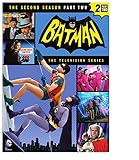
Batman: Season 2 Part Two | $28.03 | Buy on Amazon |
| 4 |

|
Batman: The Brave and the Bold: Season 1, Part Two | $22.21 | Buy on Amazon |
| 5 |

|
Batman: The Dark Knight Returns, Part 1 LIMITED EDITION 2 DISC DVD SET | $29.99 | Buy on Amazon |
What the Writer Actually Said
In recent interviews, Tomlin confirmed that the script is still actively being written and refined, emphasizing that the process is about precision rather than speed. He described the story as structurally ambitious and emotionally heavier than the first film, suggesting that the writers are taking extra time to ensure the narrative earns its darker turns. Importantly, he framed the delay as creative, not logistical.
Rather than signaling trouble, Tomlin’s comments positioned the script as being deep in development, with major story decisions already locked in. The focus now is on sharpening character arcs, especially Bruce Wayne’s evolving psychology after the events of the first film. That kind of language typically comes when a script is past the exploratory phase and into serious refinement.
#1 Best Overall
- DVD
- Multiple Formats, Animated, Color
- English (Original Language)
- 1
- 78
Why This Update Actually Matters
In blockbuster filmmaking, a writer openly acknowledging ongoing revisions usually means the studio is prioritizing quality control. Warner Bros. has given Reeves and his team unusual latitude, and Tomlin’s update reinforces that The Batman Part II is being treated as an auteur-driven sequel rather than a fast-tracked franchise obligation. That’s consistent with how the first film was developed and marketed.
It also helps recalibrate expectations around timing. A script still being polished suggests production is unlikely to rush into cameras rolling, which in turn affects release projections. However, it also reduces the risk of the sequel feeling reactive or compromised, a common pitfall for follow-ups to critically successful films.
What It Signals for Tone and Direction
Tomlin’s emphasis on character and emotional weight strongly hints that the sequel will lean further into noir and psychological territory. If the first film was about Batman’s emergence and self-realization, the script’s current focus suggests a story about consequence and escalation. That aligns with Reeves’ stated interest in grounded crime storytelling rather than comic-book spectacle.
While the update doesn’t confirm villains or set pieces, it does confirm intent. The Batman Part II is being written with patience, thematic purpose, and an eye toward long-term payoff, even if that means fans have to wait longer for concrete answers.
Do these 3 things before closing this tab:
1Clear out junk files and repair common Windows errors2Scan for outdated or missing drivers - takes under a minute3Repair Windows errors before they cause bigger problemsReading Between the Lines: How Far Along Is The Batman Part II Script, Really?
On the surface, the scriptwriter’s latest comments sound familiar: careful wording, an emphasis on refinement, and no firm declaration that the script is “finished.” But in Hollywood terms, that phrasing is often more revealing than a simple status update. When a writer speaks about tuning character psychology and thematic balance rather than breaking story, it usually means the foundation is already in place.
This is not early-stage brainstorming. It’s a phase where structure exists, major plot beats are defined, and the creative team is stress-testing the material to make sure it supports the emotional weight Reeves is aiming for. That distinction matters when gauging how close The Batman Part II actually is to locking its screenplay.
What “Still Writing” Really Means at This Stage
In blockbuster development, “still writing” doesn’t necessarily imply unfinished or uncertain. More often, it reflects iterative polish: tightening dialogue, refining motivations, and adjusting pacing to align with the director’s evolving vision. For a filmmaker as detail-oriented as Matt Reeves, this phase can stretch longer than usual by design.
The key clue is what Tomlin did not mention. There was no talk of fundamental story changes, studio mandates, or creative disagreements. Instead, the language centered on depth and precision, suggesting a script that already works but hasn’t yet reached its final, camera-ready form.
Quick wins for a faster PC:
Scan for outdated or missing drivers - takes under a minuteDriver Scan →Repair Windows errors before they cause bigger problemsFix Now →Where the Script Likely Sits in the Production Timeline
Based on typical studio workflows, The Batman Part II appears to be in late-development rather than pre-development. That places it ahead of casting new roles, location scouting, and firm scheduling, but behind the official greenlight for full-scale production. In practical terms, it means Warner Bros. is waiting for a version of the script that everyone agrees can support the film’s scale and ambition without compromise.
This also explains the lack of aggressive release-date messaging. Studios rarely lock timelines until a script clears internal benchmarks, especially on a sequel carrying both critical and commercial expectations. The patience being exercised here suggests confidence, not hesitation.
What This Means for Story and Expectations
If the script is indeed in refinement mode, fans can reasonably expect continuity of tone rather than reinvention. Reeves and his collaborators seem committed to deepening the noir-inflected realism established in the first film, not pivoting toward a louder or more fantastical sequel. The writing process reflects that restraint.
It also means surprises are likely being held close to the vest. A script this far along probably has its core antagonist and thematic spine firmly embedded, even if those details remain undisclosed. The silence isn’t a lack of direction; it’s a sign that The Batman Part II is being shaped carefully, with long-term payoff taking precedence over quick announcements.
Windows Errors? Fix Them Before They Spread
Repair common Windows errors and clear accumulated junk for a smoother, more stable PC - no reinstall needed.Free scan · no reinstallCrashes, No Sound, or Screen Glitches?
Random freezes, missing sound and display glitches usually trace back to one bad driver. Find and replace yours safely.Free scan · under a minuteRank #2
- Movie dvd
From Draft to Screen: Placing This Update in The Batman Part II Production Timeline
Tomlin’s comments land at a very specific, and often misunderstood, point in the filmmaking process. This is the space where a script exists in a near-complete state but is still being stress-tested against practical realities, tonal goals, and long-term franchise considerations. It’s less about fixing problems and more about eliminating anything that could become one once cameras start rolling.
In studio terms, this phase is frequently referred to as “polish,” though that undersells the work involved. Dialogue rhythms, character arcs, and structural balance are refined with an eye toward performance and pacing, not just what reads well on the page. For a sequel carrying the weight of expectation that The Batman Part II does, that polish can quietly take months.
Why This Stage Takes Longer for Matt Reeves
Matt Reeves’ development process has always leaned toward exhaustive preparation. The first The Batman benefited from an unusually long gestation period, allowing its tone and character work to feel unified rather than rushed. The current update suggests Reeves is applying that same methodology again, prioritizing cohesion over speed.
That approach also explains why production elements haven’t begun falling into place publicly. Until Reeves and Warner Bros. are aligned on a script that fully reflects the sequel’s thematic goals, moving forward with casting announcements or location work would be premature. The restraint is intentional, not reactive.
What’s actually slowing this PC down?
Pick the symptom - the matching free tool is one click away.
How This Impacts the Release Timeline
From an industry perspective, a script still in refinement mode makes an imminent production start unlikely. Even once the screenplay is finalized, lead time is required for pre-production, scheduling Robert Pattinson and key collaborators, and locking in budget approvals. Each of those steps depends on a script that is considered final in more than name only.
This makes recent release-date speculation feel optimistic at best. While the film remains firmly on Warner Bros.’ roadmap, the studio appears content to let the creative process dictate the calendar rather than the reverse. That patience typically signals faith in the end result, especially for a flagship DC title.
What Fans Should Read Between the Lines
Perhaps the most telling aspect of Tomlin’s update is its lack of urgency. There’s no sense of scrambling or course correction, only a steady march toward clarity. For fans, that points to a sequel that is building on a strong foundation rather than reinventing itself midstream.
It also suggests that major story decisions are already locked in. Refinement implies confidence in the narrative’s core, even if its finer details are still being tuned. In the larger production timeline, that places The Batman Part II exactly where a carefully constructed sequel should be: close enough to see the finish line, but far enough away to ensure it’s crossed properly.
Story Signals and Tonal Clues: What the Update Suggests About Gotham, Batman, and the Sequel’s Direction
If the timeline details point to patience, the creative subtext of the update offers something just as valuable: insight into where Matt Reeves and his collaborators want to take Gotham and its Dark Knight next. Script refinement at this stage is rarely about overhauling plot mechanics. It’s about calibrating tone, theme, and character evolution so they feel like an organic extension of what came before.
A Gotham Still in Recovery, Not Reinvention
Reeves’ first film ended with Gotham wounded but not reset, and nothing in the scriptwriter’s comments suggests a dramatic tonal pivot. Instead, the update implies a sequel that continues to explore the city in the aftermath of systemic collapse, rather than jumping ahead to a cleaner or more fantastical status quo. This version of Gotham remains grounded, uneasy, and deeply political, shaped by consequences rather than spectacle alone.
That continuity matters. A script still being honed suggests the filmmakers are carefully threading the needle between escalation and consistency, ensuring the city evolves without losing the oppressive realism that defined The Batman. Gotham isn’t being reinvented; it’s being examined under harsher light.
A More Defined Batman, Not a Radically Different One
The emphasis on refinement also points toward Bruce Wayne’s arc taking precedence over introducing radically new elements. Pattinson’s Batman began as an obsessive, inward-looking figure driven by raw vengeance. A sequel script in this stage is likely focused on clarifying who he becomes next, not questioning who he is.
Free tools Windows power users keep installed
One-click scans. No signup required.
Rank #3
- Shrink-wrapped
That suggests a Batman more aware of his impact on Gotham, grappling with responsibility as much as rage. The update hints that character psychology remains central, reinforcing Reeves’ interest in a detective-first Batman whose growth is incremental, earned, and grounded in emotional consequence.
Villains as Thematic Mirrors, Not Gimmicks
While no specific antagonists have been confirmed, the careful language around the script signals that villains will once again serve thematic purpose rather than franchise obligation. Reeves’ approach favors adversaries who reflect Gotham’s rot and Batman’s internal conflicts, not simply escalate threat levels.
Script refinement here likely involves aligning the antagonist’s ideology with the sequel’s broader questions about power, order, and accountability. That kind of narrative tuning takes time, especially when the villain isn’t just an obstacle, but a distorted answer to the same problems Batman is trying to solve.
A Sequel Focused on Deepening, Not Expanding Too Fast
Perhaps the clearest takeaway from the update is restraint. There’s no indication that The Batman Part II is rushing to widen its scope into a sprawling universe or tonal shift. Instead, the signals point toward a sequel that deepens its world before it broadens it.
The Tool Desk
Outbyte PC Repair FREEClear out junk files and repair common Windows errorsFree Scan →Outbyte Driver Updater FREEFix the driver behind crashes, sound loss and screen glitchesFind Drivers →That approach aligns with the longer development cycle and reinforces why the creative team appears comfortable taking its time. When a sequel’s priority is thematic precision rather than franchise acceleration, script refinement isn’t a delay. It’s the work itself.
Lessons from The Batman (2022): How the Original Film Shapes the Sequel’s Writing Process
If the script for The Batman Part II is still being refined, that’s largely because the first film set an unusually specific creative template. Matt Reeves and his writing team didn’t just launch a new Batman; they established a tone, rhythm, and thematic focus that now has to be honored rather than outdone. The sequel’s writing process is less about reinvention and more about responding intelligently to what already worked.
The scriptwriter’s recent update reinforces that mindset. Instead of signaling drastic changes, the language suggests a careful examination of narrative choices from the 2022 film, identifying which elements deserve expansion and which should remain restrained. That kind of self-awareness often slows development, but it also strengthens continuity.
Tone as a Non-Negotiable Foundation
One of the clearest lessons from The Batman is how strongly audiences responded to its grounded, noir-inflected tone. The slow-burn pacing, rain-soaked visuals, and procedural storytelling weren’t stylistic flourishes; they were the film’s identity. Any sequel script has to operate within that same tonal framework to feel authentic.
This likely explains why the writing process appears meticulous. Maintaining that atmosphere while telling a new story requires precision, especially when the temptation exists to escalate scale or spectacle. The update implies the team is prioritizing tonal consistency over speed, ensuring the sequel feels like a natural continuation rather than a tonal remix.
Character-Driven Plot Over Set-Piece Escalation
The Batman (2022) succeeded by anchoring its plot in character psychology rather than action-first storytelling. Bruce Wayne’s emotional isolation, Gotham’s systemic corruption, and the villain’s ideological motivations were tightly interwoven. That approach now shapes how the sequel’s story is being constructed.
Script development at this stage likely involves stress-testing character decisions rather than plotting action beats. If a moment doesn’t grow Bruce Wayne or deepen Gotham’s moral landscape, it doesn’t belong. The update suggests the writers are refining motivation and consequence, not chasing bigger explosions or faster pacing.
World-Building Through Implication, Not Overexposure
Another key lesson from the first film was how effective Gotham felt without exhaustive exposition. The city’s history, corruption, and power structures were implied through detail and behavior, not lengthy explanations. That restraint gave the world weight and credibility.
Recommended Free Tools
Rank #4
- BATMAN:THE BRAVE & BOLD/SEASON 1 PART 2 (DVD MOVIE)
For the sequel, this means the writing process must expand the world carefully. The scriptwriter’s comments hint at deliberate choices about what to reveal and what to leave in shadow. That kind of selective world-building takes time, especially when the goal is to deepen immersion rather than signal franchise sprawl.
Patience as a Creative Strategy, Not a Production Problem
The longer scripting timeline for The Batman Part II makes more sense when viewed through the lens of the original film’s ambitions. The first movie wasn’t designed to be disposable, and the sequel can’t be either. Each draft has to justify its existence in a story that was already thematically complete in many ways.
From a production standpoint, this suggests the release timeline is being shaped by creative readiness rather than studio pressure. While that may test fan patience, it also raises confidence that the sequel’s story, tone, and character arcs are being shaped with the same deliberate care that defined The Batman in 2022.
What This Means for Casting, Filming, and the Long-Awaited Release Date
With the script still in active refinement, the most immediate impact is on timing across the rest of the production pipeline. In big-budget filmmaking, especially on a character-driven sequel like this, casting and scheduling are downstream decisions. Until the screenplay locks its emotional and narrative priorities, everything else remains provisional by design.
That may feel frustrating on the surface, but it reflects a production that is protecting its foundation rather than rushing toward optics-driven milestones.
Casting Decisions Are Waiting on Character Clarity
Casting for The Batman Part II is unlikely to meaningfully advance until the script fully defines its new characters and the trajectory of returning ones. Whether the sequel introduces a major new antagonist, expands Gotham’s power players, or reshapes Bruce Wayne’s inner circle, those roles depend on precise tonal and thematic intent.
This approach mirrors how the first film handled casting, prioritizing alignment with mood and psychology over marquee announcements. When casting news does arrive, it will likely signal that the script has reached a level of confidence rather than simply a contractual checkpoint.
Filming Timelines Depend on Script Lock, Not Studio Urgency
From a logistical standpoint, principal photography cannot begin in earnest until the script is locked and departments can commit to locations, production design, and scheduling. Matt Reeves’ Gotham is heavily dependent on atmosphere, controlled environments, and intentional visual storytelling, all of which require extensive prep.
The scriptwriter’s update suggests that production is pacing itself to avoid costly course corrections later. That restraint often results in smoother shoots and stronger films, even if it delays the first day on set.
How This Shapes Expectations for the Release Date
All of this makes it increasingly clear that The Batman Part II’s release date will be dictated by creative readiness rather than calendar convenience. While fans may hope for movement sooner rather than later, the current signals point to a film that is still aligning its narrative spine before accelerating toward production.
In practical terms, that likely pushes expectations toward a later release window, but not an uncertain one. Once the script reaches completion, casting, filming, and post-production can move decisively, with far fewer delays caused by rewrites or tonal recalibration.
Independent reader supportYour contribution helps us test, update, and keep practical guides available for everyone.DC Studios Context: How The Batman Part II Fits into the Broader DC Landscape
An Elseworlds Anchor in a Rebuilding Franchise
One of the most important contextual factors surrounding The Batman Part II is its status within DC Studios’ evolving structure. Matt Reeves’ Gotham exists under the Elseworlds banner, meaning it remains narratively separate from the interconnected DC Universe being built by James Gunn and Peter Safran.
What’s actually slowing this PC down?
Pick the symptom - the matching free tool is one click away.
That separation has insulated the sequel from many of the growing pains associated with DC’s larger reboot. While other projects must align with long-term continuity plans, The Batman Part II is free to operate on its own creative terms, prioritizing tone, character psychology, and grounded storytelling over franchise integration.
Why Creative Patience Is Easier for This Project
Because The Batman Part II is not required to set up future crossovers or shared-universe obligations, DC Studios can afford to give Reeves and his collaborators more time. The scriptwriter’s update reflects that reality: progress is measured against narrative quality rather than external deadlines tied to slate announcements or synergy.
This is a luxury not all DC projects currently enjoy. In that sense, the film’s slower pace is not a red flag but a byproduct of its unique position within the studio’s portfolio, where fewer dominoes depend on its immediate release.
Balancing Audience Demand with Brand Stability
From a business perspective, DC Studios is walking a careful line. The Batman was one of the brand’s most critically and commercially successful recent releases, making its sequel an important pillar of audience goodwill during a transitional era.
At the same time, rushing the follow-up would risk undermining that trust. Allowing Reeves’ team to fully develop the script signals that DC views this series as a long-term prestige asset rather than a short-term scheduling solution.
How This Context Shapes Story and Tone Expectations
The Elseworlds framework also suggests that The Batman Part II will continue to deepen, rather than dilute, its noir-inflected identity. Without pressure to introduce DCU-friendly elements or tonal shifts, the sequel can further explore Gotham’s moral decay, Bruce Wayne’s evolving psychology, and the systemic forces that shape its villains.
The scriptwriter’s comments, when viewed through this lens, point toward refinement rather than reinvention. Fans should expect a story that builds outward from the first film’s foundation, not one that pivots to match broader franchise trends.
Release Timing in a Crowded but Flexible Slate
DC Studios’ upcoming calendar is already dense with launches tied directly to the new DCU. That crowded slate paradoxically gives The Batman Part II more breathing room, allowing it to arrive when it is ready rather than when a gap must be filled.
Quick wins for a faster PC:
Scan for outdated or missing drivers - takes under a minuteDriver Scan →Clear out junk files and repair common Windows errorsFree Scan →Fix the driver behind crashes, sound loss and screen glitchesFind Drivers →In the broader landscape, that positions the sequel as a deliberate counterpoint to the interconnected universe model. When it does emerge, it is likely to feel like an event driven by craftsmanship and confidence, not urgency, reinforcing its role as one of DC’s most creatively stable pillars.
The Big Picture for Fans: Managing Expectations While the Script Comes Together
For fans tracking every update, the scriptwriter’s latest comments are best understood as a temperature check rather than a progress report with hard milestones. The emphasis on ongoing development reinforces that The Batman Part II is still very much in its creative phase, where ideas are being tested, refined, and stress-tested before cameras ever roll. That may feel slow from the outside, but it is consistent with how the first film was shaped into a cohesive, auteur-driven statement.
What the Update Really Signals About the Script
Rather than hinting at delays or behind-the-scenes trouble, the update suggests an intentional writing process that prioritizes cohesion and thematic depth. Matt Reeves’ approach has always leaned toward layering character psychology, atmosphere, and narrative momentum, and that kind of scripting resists shortcuts. The takeaway is not that the script is stuck, but that it is being treated as the foundation on which everything else depends.
How This Affects Story and Tone Expectations
From a storytelling standpoint, patience at the script level usually translates into confidence on screen. Fans should expect The Batman Part II to continue its grounded, noir-driven exploration of Gotham, with character arcs that evolve organically rather than escalate purely for spectacle. The update aligns with the idea that the sequel will expand the world emotionally and thematically, not just scale it up.
Recalibrating the Release Timeline
In practical terms, a script-first mindset likely pushes production and release farther down the calendar than some fans might hope. However, that spacing also protects the film from feeling rushed or reactive within DC’s broader release strategy. When the sequel does move forward into production, it will do so with clarity of vision, making the eventual wait easier to justify in hindsight.
Ultimately, the big picture is one of restraint and confidence. The Batman Part II is being positioned as a film that earns its anticipation through craft rather than speed, reinforcing why this corner of the DC slate continues to feel distinct. For fans, managing expectations now means trusting that the extra time spent on the script is an investment in a sequel designed to last well beyond opening weekend.
Quick Recap
Product prices and availability are accurate as of the date/time indicated and are subject to change. Any price and availability information displayed on Amazon at the time of purchase will apply.




