More than two decades after 28 Days Later redefined modern zombie horror, the franchise is officially back in motion with 28 Years Later. Announced by Sony Pictures with Danny Boyle returning to direct and Alex Garland back as writer, the new film isn’t positioned as a simple sequel so much as a relaunch of the world they helped create. That alone has been enough to reignite intense fan interest, especially among viewers who see the original film as a cornerstone of post-millennial horror cinema.
What’s made the conversation escalate so quickly is that 28 Years Later has never been framed as a one-off. From the moment the project was revealed, industry reporting made it clear that Boyle and Garland were thinking bigger, with the story conceived as the start of a new chapter rather than a nostalgic epilogue. The scale of the production, the returning creative team, and Sony’s long-term language around the property have all fueled speculation that this is only the beginning.
As a result, fans aren’t just asking what 28 Years Later will be about. They’re asking where it leads. With talk of multiple installments, questions about a potential Part 3 have naturally followed, even before the first new film has reached theaters. That curiosity isn’t premature so much as it is informed by how deliberately this revival has been structured, and by the franchise’s history of evolving alongside the fears of its era.
Official Confirmation Status: Has a Third Film Actually Been Greenlit?
As of now, there has been no formal studio announcement confirming that a third film following 28 Years Later has been officially greenlit. Sony Pictures has been clear about its commitment to launching 28 Years Later as a major return for the franchise, but it has stopped short of publicly approving a subsequent installment beyond that initial release.
The Tool Desk
Outbyte PC Repair FREERepair Windows errors before they cause bigger problemsFix Now →Outbyte Driver Updater FREEScan for outdated or missing drivers - takes under a minuteDriver Scan →#1 Best Overall
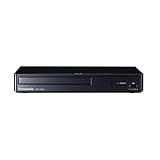
- Play Media from External Storage: Plug in an external hard drive to these compact DVD players for TVs to share your favorite movies, photos, and more on a large screen
- Multi-Connectivity DVD Blu Ray Player: HDMI-CEC and USB connectors; interfaces with multiple file formats in video (MKV/MP4) and audio (MP3/FLAC/ALAC/DSD/ WAV)
- Compact Size: Space-saving design allows this Bluray/DVD player for tv to fit neatly in narrow spaces and on thin racks. Dimensions: Approx. 9 5/8" W x 1 1/2"H x 6 7/8"D
- High-Quality Picture Resolution: With full HD support, BD84P-K Panasonic DVD players beautifully up-converts images to high-definition image quality (1080p) video, rendering your favorite movies in fine detail
- High-Resolution Audio Playback: Hear clear, superior audio from this Blu-Ray DVD player in action, adventure, dialogue, and music with Dolby Digital sound for DVDs, CDs, and compatible external files
That distinction matters. In modern franchise filmmaking, especially within prestige horror, studios often develop multi-film roadmaps without issuing upfront greenlights for every chapter. What exists right now is intent rather than authorization, and those are not the same thing.
What Has Been Confirmed by the Creative Team
Danny Boyle and Alex Garland have both acknowledged in interviews that 28 Years Later was conceived as the beginning of a larger story. Industry reporting around the project has consistently described it as part of a planned trilogy, or at minimum a multi-part narrative designed to unfold across more than one film.
However, those comments reflect creative ambition rather than contractual certainty. Neither Boyle nor Garland has stated that a third film is actively in production or financially approved. Instead, they’ve framed the project as one that allows room to grow, assuming the first chapter resonates with audiences and performs to expectations.
Sony’s Position and the Studio Playbook
From Sony’s perspective, the strategy appears cautious but deliberate. The studio has invested heavily in reuniting the original creative forces and positioning 28 Years Later as a high-profile theatrical event, not a streaming experiment or low-risk revival. That alone suggests long-term confidence in the property.
Do these 3 things before closing this tab:
1Repair Windows errors before they cause bigger problems2Fix the driver behind crashes, sound loss and screen glitches3Clear out junk files and repair common Windows errorsStill, Sony has not announced a locked trilogy deal in the way some franchises do upfront. The likely scenario is that the fate of a Part 3 hinges on how the initial films are received, both critically and commercially. This approach mirrors how many legacy horror properties are now managed, with flexibility built in rather than rigid commitments.
So Is Part 3 “Happening” or Not?
The most accurate answer is that a third film is planned, but not yet officially approved. The groundwork is there, the creative team is aligned, and the franchise is being treated as something meant to endure rather than conclude quickly. What’s missing is the final greenlight that only comes once the studio sees tangible results.
For fans, that means optimism is justified, but patience is still required. 28 Years Later is clearly designed to open a door, not close one, and whether that door leads to a confirmed Part 3 will depend on how successfully this new chapter reestablishes the franchise for a modern audience.
The Planned Trilogy Factor: Danny Boyle, Alex Garland, and the Long-Term Vision
At the heart of any discussion about a potential 28 Years Later Part 3 is the creative partnership that launched the franchise in the first place. Danny Boyle and Alex Garland have been unusually transparent about returning with more than a single standalone sequel in mind. Their comments point to a story architecture designed to unfold over multiple chapters, rather than a one-off revisit driven purely by nostalgia.
This matters because Boyle and Garland are not creators who typically improvise franchise storytelling on the fly. Both have stressed that 28 Years Later was conceived as the opening movement of a larger narrative, one that deliberately leaves thematic and character threads unresolved. In other words, the film is meant to function as Act One, not a definitive endpoint.
Danny Boyle’s Return and Why It Changes the Equation
Boyle’s involvement is arguably the biggest signal that long-term planning is baked into the project. Since 28 Days Later, he has been selective about returning to sequels or extended franchises, often preferring singular, self-contained stories. His decision to re-engage suggests a level of creative investment that goes beyond a single film experiment.
In interviews, Boyle has alluded to the idea that the world of the Rage Virus still has untapped narrative potential, particularly in how society rebuilds and fractures over decades rather than months. That kind of scope naturally lends itself to a trilogy format, allowing each film to explore a different phase of survival, power, and moral compromise. A third film would not be an add-on, but the logical culmination of that arc.
Alex Garland’s Narrative Blueprint
Garland’s role as writer is equally crucial to the trilogy conversation. His work, both within and outside the franchise, is known for careful structural planning and thematic consistency. He has described 28 Years Later as a story that required more space than a single film could reasonably provide.
Free tools Windows power users keep installed
One-click scans. No signup required.
Importantly, Garland has stopped short of confirming that all three films are fully written or locked. What he has indicated is that the overarching idea exists, with room to adapt based on how audiences respond. That flexibility allows the story to evolve organically while still moving toward a defined endpoint, a balance that modern franchise filmmaking often struggles to achieve.
Rank #2

- Enjoy Blu-ray Disc movies in Full HD as well as DVD discs
- Upscale your DVDs to near HD quality
- Easy set-up with included HDMI cord
- Boot up in less than a second with super quick start mode
- Keep things simple with the new user-friendly interface
How a Third Film Would Fit Into the Franchise Timeline
If a Part 3 moves forward, it would almost certainly serve as the final chapter in a generational saga that began with 28 Days Later. Rather than escalating the outbreak itself, the focus would likely shift toward the long-term consequences of survival: who controls what remains, what version of humanity endures, and whether recovery is even possible after decades of collapse.
This approach aligns with Boyle and Garland’s interest in social commentary over spectacle. A third film would not simply aim to be bigger or bloodier, but more reflective, closing the loop on ideas seeded as far back as the original 2002 film. That narrative ambition is precisely why the trilogy idea has persisted, even without formal studio confirmation.
Creative Continuity Over Franchise Exhaustion
One reason optimism around Part 3 remains high is the emphasis on creative continuity. Both Boyle and Garland have framed their return as a finite commitment, not an open-ended franchise revival. That mindset suggests a trilogy with a clear ending, rather than an indefinite series of sequels.
For Sony, that kind of plan is attractive. It offers the prestige of a legacy horror franchise with a defined lifespan, minimizing the risk of audience fatigue. While nothing is officially approved beyond the current slate, the long-term vision is unusually coherent for a genre property, and that coherence is what keeps the conversation around a third film firmly alive.
Story Direction & Timeline: Where a Part 3 Could Go After ’28 Years Later’
Picking Up the Long View of a Broken World
If 28 Years Later is designed to examine a society shaped by decades of survival, a third film would logically push that idea to its endpoint. Rather than revisiting the initial chaos of infection, Part 3 would likely explore what permanence looks like in a world that never truly recovered. The rage virus becomes less the story and more the context, a constant pressure shaping culture, power, and morality.
This would mark a clear thematic progression across the trilogy. 28 Days Later captured shock, 28 Weeks Later explored militarized failure, and 28 Years Later is positioned to examine generational adaptation. A final chapter could ask whether humanity has stabilized into something sustainable, or simply learned to live with collapse.
Timeline Placement: Decades Later, Not a Reset
Nothing officially confirms where a third film would sit on the timeline, but all indications suggest continuity rather than a reset. Garland has repeatedly emphasized forward momentum, meaning Part 3 would almost certainly remain anchored in the decades-later era rather than jumping backward or rebooting familiar ground.
What’s actually slowing this PC down?
Pick the symptom - the matching free tool is one click away.
That approach preserves the franchise’s defining strength: consequence. Every installment builds on the idea that actions linger, mistakes compound, and survival has a cost. A Part 3 set even further down the line could explore the first generation born entirely after the outbreak, reframing the apocalypse not as an event, but as inherited reality.
Unresolved Threads and Thematic Closure
From a story perspective, a third film would need to offer resolution without false optimism. Boyle and Garland have never treated the franchise as a redemption arc, and there’s little reason to expect a conventional cure narrative now. Instead, closure may come through acceptance, whether that means coexistence with the infected, isolation from the wider world, or a final reckoning over how much humanity is willing to sacrifice to endure.
This is where Part 3 could feel less like a sequel and more like a statement. By closing the loop on ideas introduced in the original film, particularly around violence, authority, and survival ethics, the final chapter could solidify 28 Days Later as a rare horror franchise with something definitive to say.
Legacy Characters and Narrative Echoes
While no cast returns are confirmed beyond what’s been announced for 28 Years Later, a Part 3 would naturally invite reflection on the franchise’s origins. That doesn’t necessarily mean major screen time for legacy characters, but thematic echoes or limited appearances would fit Garland’s restrained storytelling style.
Recommended Free Tools
Even without direct continuity, the emotional weight of earlier films would inform the final chapter. A third installment wouldn’t need to rely on nostalgia to resonate; its power would come from demonstrating how far the world has drifted from the one Jim woke up to in 2002, and whether anything recognizable remains.
Cast Possibilities: Who Could Return and Which Characters Matter Most
If 28 Years Later Part 3 moves forward, casting will likely matter less in terms of star power and more in terms of narrative function. This franchise has never been driven by ensemble continuity in the traditional sense; characters survive, disappear, or die with unsettling realism. That said, the groundwork laid by 28 Years Later opens the door for select returns that could give a third film emotional and thematic weight.
Rank #3

- 🌷【HIGH DEFINITION PICTURE QUALITY】This DVD player adopts 1080P technology, allowing you to experience higher definition picture quality and perfect sound.
- 🌷【MULTIMEDIA SUPPORTED】Direct play in formats: CD,DVD,VCD,CD-R/RW,DVD-R/+R,DVD+RW/-RW, MP3,JPEG,SVCD(Blu-ray DVD not supported);It is Region free.
- 🌷【DVD PLAYER HDMI】This region-free DVD player easily inserts and plays MP3/WMA digital audio and JPEG picture files recorded on a USB flash drive,Upgraded to support up to 128GB (FAT32 format only, NTFS/exFAT not supported.) making it a high-quality DVD player for all your entertainment needs!
- 🌷【IMPORTED MOVEMENT】This all-region DVD player with hdmi is equipped with an original imported movement with fast reading, error correction and anti-shock functions, which can load the discs in advance to enhance your movie watching experience
- 🎁【PERFECT GIFT】This dvd player for tv is made of high quality material, well made, stylish and generous appearance, it is the best gift for your relatives and friends.
The Status of 28 Years Later’s Core Survivors
Much of Part 3’s cast potential depends on who survives 28 Years Later, which remains closely guarded ahead of release. Boyle and Garland have historically treated survival as conditional rather than contractual, meaning even central figures are never guaranteed longevity. If a third film exists, it would almost certainly follow at least one surviving perspective from 28 Years Later, not as a hero, but as a witness to how the world continues to decay or adapt.
Rather than expanding the cast outward, Part 3 would likely narrow its focus. The franchise works best when it resists sprawl, keeping the audience anchored to a limited human viewpoint amid systemic collapse. Expect continuity through experience rather than direct exposition.
Outdated Drivers Are Slowing You Down
One free scan finds every outdated or missing driver and matches the right update for your exact hardware.Free scan · exact hardware matchPC Slower Than It Used to Be?
A free scan shows the junk files, broken settings and background clutter dragging Windows down - then fixes them in one click.Free scan · Windows 10 & 11Cillian Murphy and the Question of Jim
Cillian Murphy’s involvement in 28 Years Later has already elevated speculation about long-term franchise planning. While nothing beyond his participation in the upcoming film has been officially confirmed, his return alone signals an interest in thematic continuity rather than fan service. If Jim survives 28 Years Later, a Part 3 appearance could function as a closing bracket on the franchise’s moral arc.
That said, a third film does not require Jim to be its protagonist. Murphy’s presence could be minimal yet resonant, serving as a reminder of the world before adaptation set in. In keeping with Garland’s writing style, any return would likely avoid heroic framing in favor of ambiguity, age, and consequence.
Supporting Players and the New Generation
If Part 3 leans into the idea of a post-outbreak generation born into collapse, casting would necessarily shift toward younger characters with no memory of pre-infection society. These roles would not replace legacy figures but challenge them, reframing survival as inheritance rather than choice. In that context, returning characters would matter less for what they do and more for what they represent.
This generational contrast could be where the film finds its most unsettling power. A character who remembers the old world may no longer be the moral center, but an anachronism. That tension would align naturally with the franchise’s long-standing discomfort with authority, nostalgia, and the illusion of progress.
Creative Continuity Over Familiar Faces
Perhaps the most important “return” for Part 3 would not be a specific actor, but the guiding hands behind the camera. Danny Boyle and Alex Garland have never treated casting as a brand exercise, instead prioritizing thematic cohesion and tonal restraint. If they remain involved, the cast will almost certainly serve the story’s ideas rather than franchise expectations.
Until a third film is officially confirmed, cast discussions remain necessarily provisional. What is clear is that any returning characters would be chosen for narrative necessity, not recognition alone. In a series built on consequence, survival is never the point; what survives, and why, is what matters most.
Production Realities: Budgets, Box Office Expectations, and Studio Strategy
While creative intent often dominates fan speculation, a third film in the 28 universe ultimately hinges on practical considerations. Budget discipline, performance benchmarks, and studio appetite for long-tail franchises will play an outsized role in determining whether 28 Years Later becomes a bridge or a finale. In that sense, Part 3 is less a question of story readiness than of commercial alignment.
A Franchise Built on Modest Budgets and Strong Returns
Historically, the 28 films have thrived on lean production models. 28 Days Later was famously produced on a restrained budget, yet its cultural impact and profitability far exceeded expectations, setting a template the franchise has never abandoned. Even 28 Weeks Later, with its expanded scope, remained modest by studio horror standards.
Quick wins for a faster PC:
Scan for outdated or missing drivers - takes under a minuteDriver Scan →Repair Windows errors before they cause bigger problemsFix Now →That precedent matters. Studios are far more willing to greenlight follow-ups when financial risk is contained, especially in a genre where returns can be unpredictable. If 28 Years Later delivers solid box office results relative to its budget, a third installment becomes an easier internal justification rather than a creative gamble.
Box Office Expectations in a Changed Horror Landscape
Theatrical horror has evolved significantly since 2007. Modern audiences have demonstrated strong support for elevated, auteur-driven genre films, particularly those with clear identity and thematic weight. That trend works in 28 Years Later’s favor, positioning it less as nostalgia revival and more as prestige survival horror.
However, studios will likely evaluate success holistically rather than purely on opening weekend numbers. International performance, streaming demand, and long-term engagement will all factor into whether Part 3 is deemed viable. A slower burn success could be just as persuasive as a breakout hit, especially for a franchise known for endurance rather than spectacle.
Rank #4

- 𝗥𝗲𝗴𝗶𝗼𝗻 𝗔 𝗕𝗹𝘂-𝗿𝗮𝘆 & 𝗥𝗲𝗴𝗶𝗼𝗻 1 𝗗𝗩𝗗 𝗣𝗹𝗮𝘆𝗲𝗿: Plays Region A Blu-ray discs and Region 1 DVDs for reliable home entertainment in the United States.
- 𝗖𝗶𝗻𝗲𝗺𝗮-𝗤𝘂𝗮𝗹𝗶𝘁𝘆 𝗦𝗶𝗴𝗵𝘁 𝗮𝗻𝗱 𝗦𝗼𝘂𝗻𝗱: Delivers exceptional 1080p Full HD video and supports premium audio codecs like Dolby TrueHD and DTS-HD for an immersive home theater.
- 𝗦𝗺𝗮𝗿𝘁 𝗗𝗩𝗗 𝗨𝗽-𝗦𝗰𝗮𝗹𝗶𝗻𝗴 𝘃𝗶𝗮 𝗛𝗗𝗠𝗜: Breathes new life into your standard DVDs by intelligently converting the signal to a high-quality 1080p output.
- 𝗔𝗹𝗹-𝗶𝗻-𝗢𝗻𝗲 𝗣𝗹𝗮𝘆𝗯𝗮𝗰𝗸 𝗖𝗼𝗺𝗽𝗮𝘁𝗶𝗯𝗶𝗹𝗶𝘁𝘆: Handles Blu-rays, DVDs, CDs, and media files from a USB port—supporting video, photo, and music formats for all your entertainment.
- 𝗦𝘁𝘂𝗿𝗱𝘆, 𝗨𝘀𝗲𝗿-𝗙𝗿𝗶𝗲𝗻𝗱𝗹𝘆 𝗗𝗲𝘀𝗶𝗴𝗻: Features a reliable mechanism, anti-skip technology, and essential playback controls (fast-forward, zoom, A-B repeat) for a seamless viewing experience.
Studio Strategy: Completion Versus Continuation
From a strategic standpoint, a third film would most logically function as a capstone rather than an open-ended continuation. Trilogies remain a commercially and narratively attractive structure, offering closure without overextension. If 28 Years Later is positioned as the middle chapter, Part 3 could be framed as a definitive endpoint, minimizing franchise fatigue while maximizing legacy value.
That approach also aligns with Danny Boyle and Alex Garland’s historical reluctance to overstay thematic welcome. A studio-backed Part 3 would likely be sold as a final statement rather than an expansionist move, preserving the series’ integrity while still leveraging its recognition.
What Has and Hasn’t Been Officially Confirmed
As of now, no studio has formally announced 28 Years Later Part 3, nor has a production timeline been publicly established. What exists instead is a deliberate ambiguity, one that allows the filmmakers to assess reception before committing to another chapter. This silence should not be read as hesitation, but as a strategic pause.
If confirmation comes, it will almost certainly follow clear performance indicators rather than preemptive promises. In keeping with the franchise’s ethos, a third film would emerge not because it must exist, but because the conditions justify its existence. In that sense, the path to Part 3 is less about inevitability and more about earned continuation.
Independent reader supportYour contribution helps us test, update, and keep practical guides available for everyone.Potential Release Window: When a Third Film Could Realistically Arrive
If 28 Years Later Part 3 does move forward, the timing will be dictated less by fan demand and more by the franchise’s historically deliberate production rhythm. This has never been a series built on rapid turnarounds, and a third installment would almost certainly follow that same measured approach. Even with strong performance indicators, an immediate follow-up would be unlikely.
The earliest realistic window hinges on when a formal greenlight occurs. Studios typically wait several months post-release to assess global box office stability, ancillary revenue, and long-tail engagement before committing to another chapter. That evaluation period alone pushes any meaningful production movement well into the following year.
Production Timelines and Creative Availability
Danny Boyle and Alex Garland’s involvement is a critical variable. Both are active, in-demand filmmakers with projects that often take precedence over franchise obligations. If either is unavailable immediately, development could slow significantly, as the studio is unlikely to fast-track a Part 3 without its core creative voices attached.
Assuming a greenlight within a year and standard pre-production timelines, filming would likely not begin until at least 12 to 18 months later. Post-production on a film of this scale, particularly one emphasizing atmosphere, sound design, and controlled visual chaos, would further extend the schedule. That places a release at least two to three years out from confirmation.
The Most Plausible Release Window
Under optimistic but realistic conditions, a third film could land approximately three to four years after 28 Years Later. That would suggest a late-decade release rather than an immediate continuation, aligning with the franchise’s tradition of cultural patience. A longer gap may even serve the story, reinforcing the sense of time, consequence, and evolution that defines the series.
From a marketing perspective, spacing the films apart also avoids oversaturation. Horror franchises that endure tend to re-emerge as events rather than annual obligations. A carefully timed Part 3 would likely be positioned as a cinematic culmination, not just another sequel on the calendar.
Why a Longer Wait May Be Intentional
There is also a thematic argument for restraint. The 28 Days Later films have always reflected societal anxieties of their moment, not simply genre mechanics. Allowing time to pass before a final chapter gives Garland and Boyle space to respond to a changed world, rather than rushing to capitalize on momentum.
If Part 3 happens, its release timing will likely be treated as part of its storytelling power. In that sense, waiting may not signal uncertainty, but confidence that the final chapter should arrive when it has something urgent to say.
What Would Have to Happen Next: Key Signs a ’28 Years Later’ Part 3 Is Moving Forward
With no official announcement yet, the path toward a third film in the revived trilogy remains conditional rather than guaranteed. That said, the franchise’s history and the realities of modern studio decision-making make the next steps relatively easy to track. If Part 3 is truly on the horizon, several clear indicators would begin to surface long before cameras roll.
Do these 3 things before closing this tab:
1Repair Windows errors before they cause bigger problems2Scan for outdated or missing drivers - takes under a minute3Clear out junk files and repair common Windows errorsBest Value

- 【Full HD 1080p Blu Ray DVD Player】Enjoy Blu-ray Disc movies in Full HD as well as DVD discs. 1080P Home Theater Disc System, Play All DVDs and Region A 1 Blu-Rays, Support USB 2.0 Flash Drive, HDMI/AV/Coaxial Output,Built-in PAL/NTSC with HDMI/AV Cable.[✨Not Support 4K Discs!]
- 【HDMI & AV & Coaxial Output Easily Connect to TV or Projector】 Easy set-up with included HDMI cable. Providing you with multiple video output connections for enhanced audio and visual experience. With 1x HDMI output to sync with TV or projector, 1x composite video/audio output to sync with TV, 1x Coaxial audio output to connect to your home audio system. [✨Using HDMI Connection support blu ray videos, AV Connection didn't support blu ray discs!]
- 【Dolby Digital Sound】Surround Sound Supported: Dolby Digital, Dolby Digital Plus, Dolby TrueHD, DTS, DTS-HD Master Audio.
- 【Multi-functional Home Theater Player】Support blu ray discs in region A/1 only. This Blu-Ray Disc Player works as DVD player, CD player, U disk files player. The WTB-978 allow you to play distinctive file formats including :BD,BD-R,BD-RE,DVD-R/RW,DVD+R/RW,DVD-Video,VCD,CD,CD-R/RW.
- 【Stylish & Simple Compact Size】 Space-saving design allows this Blu Ray DVD player for tv to fit neatly in narrow spaces and on thin racks. Dimensions: 10.24" W x 1.57"H x 7.56"D
Strong Performance and Cultural Impact
The most immediate and decisive factor is how 28 Years Later performs, both financially and culturally. Box office success matters, but so does longevity: repeat viewings, strong word of mouth, and sustained conversation beyond opening weekend. This franchise has always thrived on reputation rather than spectacle, and studios will be watching closely to see whether the film registers as an event or simply a well-reviewed installment.
Critical reception also plays a role here. The 28 films occupy a rare space where horror credibility and mainstream attention overlap. If 28 Years Later earns serious critical engagement, awards recognition, or year-end list placement, it strengthens the argument that a final chapter would be a prestige continuation rather than a routine sequel.
Clear Creative Commitment From Boyle and Garland
Nothing will move forward without Danny Boyle and Alex Garland signaling that the story demands another chapter. Historically, both have been careful not to overextend the property, and their involvement has always been framed as intentional rather than contractual. A Part 3 would almost certainly originate from Garland expressing that the thematic arc is incomplete, not from studio pressure alone.
Public comments are key here. If interviews begin to shift from hypothetical answers to more definitive language about ideas, outlines, or conversations already happening, that would be the strongest early confirmation fans could hope for. Silence, by contrast, would suggest the story may already feel complete to its creators.
Studio Alignment and Scheduling
Behind the scenes, studio logistics matter as much as creative desire. Sony and its production partners would need to align schedules, budgets, and release strategies around filmmakers who are consistently in demand elsewhere. A Part 3 would not be slotted into an open release window casually; it would be positioned carefully as a major genre event.
One concrete sign of progress would be trade reports confirming development meetings or early-stage scripting. These do not guarantee a greenlight, but they indicate the studio is actively exploring the possibility rather than passively waiting for conditions to improve.
Cast Availability and Narrative Continuity
While the 28 franchise has never relied on traditional ensemble continuity, character legacy still matters. If 28 Years Later introduces figures positioned as emotional or narrative anchors, the willingness of those actors to return becomes part of the calculus. Early option deals or public expressions of interest from key cast members would suggest long-term planning is underway.
That said, this series has always prioritized thematic continuity over strict character follow-through. A Part 3 could plausibly advance the timeline again, reframing the world rather than revisiting familiar faces. The absence of casting news would not necessarily indicate trouble, but confirmed returns would signal confidence.
Recommended Free Tools
A Story That Justifies a Final Chapter
Perhaps the most important sign is narrative necessity. The 28 films are not built around cliffhangers, but around evolution: how society adapts, fractures, and redefines itself over time. If 28 Years Later leaves the world in a place that feels deliberately transitional rather than resolved, it creates space for one last examination of consequences.
Garland, in particular, has spoken in the past about endings needing purpose. A Part 3 would likely be framed not as continuation for its own sake, but as a closing argument about survival, memory, and what remains after catastrophe becomes normalized.
Marketing Language and Franchise Framing
Studios often reveal their intentions through subtle language before formal announcements. If marketing materials and press tours begin referring to 28 Years Later as part of a larger arc, or stop short of calling it a definitive ending, that ambiguity may be intentional. Franchises that are truly finished are usually labeled as such.
Conversely, if Sony positions the film explicitly as a culmination, that may quietly close the door. Fans should pay attention not just to what is said, but how carefully finality is avoided.
What’s actually slowing this PC down?
Pick the symptom - the matching free tool is one click away.
The Bigger Legacy Question
Ultimately, a third film would need to justify its existence within one of horror’s most influential modern franchises. 28 Days Later reshaped the genre’s visual language and thematic ambition. Any follow-up must add to that legacy, not dilute it.
If the signs align, Part 3 would likely be treated as a final statement rather than an open-ended extension. Until then, the absence of confirmation should not be mistaken for hesitation. In the world of 28 Days Later, patience has always been part of the design, and if another chapter emerges, it will almost certainly do so because the story demands it, not because the market does.
Quick Recap
Product prices and availability are accurate as of the date/time indicated and are subject to change. Any price and availability information displayed on Amazon at the time of purchase will apply.




