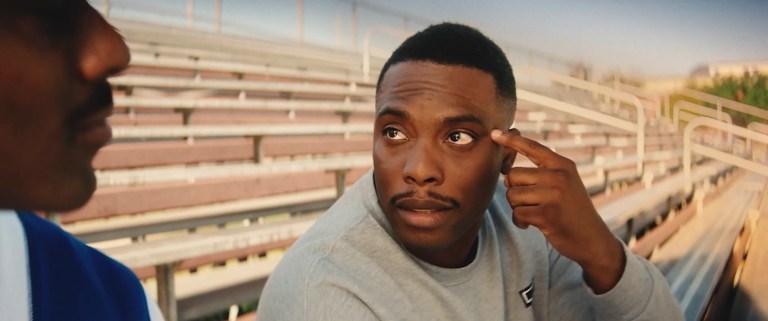
The 2000s arrived at a crossroads moment for cinema, when the medium was being reshaped technologically, culturally, and economically all at once. Digital filmmaking lowered barriers to entry, DVD and early streaming transformed how audiences discovered movies, and the internet turned film discourse into a 24/7 global conversation. It was a decade when movies no longer lived only in theaters; they lived in dorm rooms, message boards, and endless rewatches.
It was also the era that redefined what a blockbuster could be. Franchises like The Lord of the Rings, Harry Potter, and The Dark Knight trilogy proved that spectacle and serious filmmaking didn’t have to be mutually exclusive, while studios learned the power and risk of cinematic universes. At the same time, auteurs such as Christopher Nolan, Paul Thomas Anderson, the Coen Brothers, and Sofia Coppola pushed personal visions into the mainstream, blurring the line between art-house credibility and commercial ambition.
| # | Preview | Product | Price | |
|---|---|---|---|---|
| 1 |
![Bring It On 6-Movie Cheer Pack [DVD]](https://m.media-amazon.com/images/I/51cWHyR+zeL._SL160_.jpg)
|
Bring It On 6-Movie Cheer Pack [DVD] | $9.95 | Buy on Amazon |
| 2 |

|
Cinderella Story, A 2 (DVD) | $7.99 | Buy on Amazon |
| 3 |

|
Thirteen Ghosts | $7.99 | Buy on Amazon |
| 4 |

|
Mamma Mia! 2-Movie Collection | $8.11 | Buy on Amazon |
| 5 |

|
The House Bunny | $4.93 | Buy on Amazon |
Culturally, the films of the 2000s absorbed a world shaped by post-9/11 anxiety, rapid globalization, and shifting identities. Genres evolved, superhero films found emotional weight, animation reached new artistic highs, and international cinema crossed over in unprecedented ways. The movies that endured from this decade didn’t just reflect their moment; they helped define how modern audiences understand storytelling, scale, and emotional resonance, making the task of ranking the era’s greatest films both essential and endlessly debatable.
How This Ranking Was Determined: Criteria, Context, and Controversies
Any attempt to rank the greatest films of an entire decade is inherently subjective, but that doesn’t mean it has to be arbitrary. This list was built to reflect not just personal taste, but the movies that shaped the cinematic identity of the 2000s and continue to resonate years later. The goal was balance: honoring artistry without ignoring popularity, celebrating cultural impact without mistaking hype for longevity.
#1 Best Overall
The Core Criteria: More Than Just “Best”
Each film considered here was evaluated across four key areas: artistic achievement, cultural impact, audience legacy, and critical reception. A movie didn’t need to dominate all four categories, but it had to meaningfully excel in more than one. A technically masterful film that vanished from the conversation, or a massive hit with no lasting influence, faced an uphill battle.
Artistic merit includes direction, performances, writing, innovation, and formal ambition. Cultural impact looks at how a film influenced conversation, genre trends, or the broader pop landscape. Audience legacy considers rewatchability, quotability, and generational attachment, while critical reception weighs both contemporary reviews and how the film has aged in reassessment.
Longevity Over Momentary Buzz
The 2000s produced countless films that felt huge at the time but faded as the decade moved on. This ranking favors movies that have endured, grown in stature, or remained relevant long after their initial release. Some titles were ahead of their time, while others captured the spirit of the era so precisely that they now function as cultural time capsules.
Importantly, later reevaluations were part of the process. Films once dismissed or misunderstood but now widely defended by critics and audiences alike were given fresh consideration. The passage of time is often the most honest critic cinema has.
Quick wins for a faster PC:
Clear out junk files and repair common Windows errorsFree Scan →Fix the driver behind crashes, sound loss and screen glitchesFind Drivers →Repair Windows errors before they cause bigger problemsFix Now →Blockbusters, Indies, and Everything Between
This list intentionally resists separating “prestige” cinema from mainstream entertainment. The 2000s were defined by the collapse of that divide, with franchise films displaying auteur ambition and independent movies breaking into the cultural mainstream. A superhero epic, an animated film, and a low-budget character study all competed on equal footing.
Box office success was neither a requirement nor a disqualifier. Financial impact matters when it reflects cultural penetration, but commercial performance alone was never enough. Some of the decade’s most influential films were modest earners that quietly reshaped storytelling norms.
Genre, Global Voices, and Representation
The decade’s greatness lies partly in its range. This ranking accounts for genre diversity, including drama, fantasy, animation, horror, science fiction, comedy, and international cinema. Animation and non-English-language films were not treated as side categories, but as essential contributors to the decade’s cinematic legacy.
While no list can perfectly represent every voice or movement, care was taken to avoid an overly narrow definition of “greatness.” Films that expanded representation, challenged norms, or introduced new perspectives were weighed for their broader influence as well as their craft.
Outdated Drivers Are Slowing You Down
One free scan finds every outdated or missing driver and matches the right update for your exact hardware.Free scan · exact hardware matchPC Slower Than It Used to Be?
A free scan shows the junk files, broken settings and background clutter dragging Windows down - then fixes them in one click.Free scan · Windows 10 & 11The Inevitable Controversies and Omissions
Some beloved films didn’t make the cut, and some high-ranking entries will undoubtedly spark debate. That’s not a flaw; it’s a feature of engaging with a decade as densely packed as the 2000s. This era inspired deep personal attachments, and nostalgia can be as powerful as critical consensus.
This ranking isn’t meant to be definitive in the sense of finality, but definitive in intention. It’s a curated argument, not a closed case, designed to invite discussion, disagreement, and rediscovery. If a film you love isn’t here, chances are it was in the conversation, just edged out in a decade where greatness was crowded.
The Top 25 Greatest Movies of the 2000s (Ranked List with Critical Commentary)
25. Donnie Darko (2001)
Richard Kelly’s time-looped suburban nightmare barely registered on initial release, yet became one of the defining cult films of the decade. Its mix of teenage alienation, sci-fi paranoia, and early-2000s angst spoke directly to a generation growing up in uncertainty. Few films were dissected, quoted, and debated online with such intensity.
24. Crouching Tiger, Hidden Dragon (2000)
Ang Lee’s wuxia epic redefined how Western audiences viewed martial arts cinema. Its lyrical action, emotional restraint, and visual poetry bridged arthouse prestige and global blockbuster appeal. The film’s success opened doors for international cinema in the American mainstream.
Recommended Free Tools
23. The Dark Knight (2008)
Christopher Nolan’s crime epic transcended superhero conventions to become a cultural event. Heath Ledger’s Joker reshaped villain portrayals and awards conversations for comic-book films. Its influence is still felt in the darker, morally complex tone of modern blockbusters.
22. Oldboy (2003)
Park Chan-wook’s brutal revenge thriller hit Western audiences like a thunderclap. Its audacity, operatic violence, and unforgettable twists redefined expectations of international genre cinema. Oldboy proved that extremity and artistry could coexist without compromise.
21. Almost Famous (2000)
Cameron Crowe’s semi-autobiographical love letter to music journalism captured the romance and melancholy of youth. Its warmth, humor, and emotional sincerity made it a defining coming-of-age film for the decade. The movie’s reverence for art and community still resonates deeply.
20. No Country for Old Men (2007)
The Coen Brothers delivered one of the bleakest Best Picture winners in Oscar history. Javier Bardem’s Anton Chigurh became an embodiment of unstoppable, impersonal violence. Its quiet dread and philosophical weight marked a turning point toward darker prestige cinema.
19. Finding Nemo (2003)
Pixar’s oceanic adventure blended technical innovation with emotional storytelling. Its exploration of parental anxiety and trust resonated far beyond its family-friendly surface. The film cemented Pixar as the decade’s most reliable creative force.
18. Kill Bill: Vol. 1 & 2 (2003–2004)
Quentin Tarantino’s two-part revenge saga was both cinematic mixtape and auteur statement. Drawing from grindhouse, samurai films, and spaghetti westerns, it celebrated cinema history while asserting its own identity. Few films of the era were this unapologetically stylized.
17. Children of Men (2006)
Alfonso Cuarón’s dystopian vision felt disturbingly plausible even on release. Its long takes, immersive world-building, and humanist core elevated science fiction into political allegory. The film has only grown more relevant with time.
Rank #2
- Factory sealed DVD
16. Lost in Translation (2003)
Sofia Coppola captured loneliness and connection with delicate restraint. The film’s quiet moments spoke louder than plot mechanics, making it emblematic of early-2000s indie introspection. Its mood and aesthetic influenced an entire wave of intimate dramas.
What’s actually slowing this PC down?
Pick the symptom - the matching free tool is one click away.
15. The Lord of the Rings: The Fellowship of the Ring (2001)
Peter Jackson’s opening chapter redefined epic filmmaking. Its sincerity, scope, and attention to mythic detail set a new benchmark for fantasy cinema. The trilogy’s cultural footprint began here.
14. Brokeback Mountain (2005)
Ang Lee’s restrained love story challenged mainstream attitudes toward masculinity and sexuality. Its emotional power came from what was left unsaid, making it quietly devastating. The film marked a watershed moment for LGBTQ representation in prestige cinema.
13. Eternal Sunshine of the Spotless Mind (2004)
Michel Gondry and Charlie Kaufman fused romance with experimental storytelling. Its exploration of memory, regret, and love felt both deeply personal and universally relatable. Few films captured millennial emotional complexity so precisely.
12. Spirited Away (2001)
Hayao Miyazaki’s animated masterpiece enchanted audiences worldwide. Its rich symbolism, hand-drawn beauty, and moral nuance elevated animation as a storytelling medium. The film’s legacy continues to inspire animators and filmmakers across cultures.
The Tool Desk
Outbyte PC Repair FREEClear out junk files and repair common Windows errorsFree Scan →Outbyte Driver Updater FREEFix the driver behind crashes, sound loss and screen glitchesFind Drivers →11. The Bourne Identity (2002)
Doug Liman’s grounded spy thriller reinvented action cinema. Its handheld realism and psychological focus influenced countless franchises. The Bourne series shifted expectations for what blockbuster action could be.
10. Zodiac (2007)
David Fincher’s procedural obsession study rejected easy catharsis. Its meticulous detail and chilling restraint made it one of the decade’s most intellectually demanding thrillers. Zodiac exemplified the rise of adult-oriented studio filmmaking.
9. The Departed (2006)
Martin Scorsese’s Boston crime saga blended operatic violence with dark humor. Its populist energy and moral cynicism made it both a crowd-pleaser and auteur showcase. The film’s Oscar success felt like overdue recognition.
8. City of God (2002)
Fernando Meirelles’ explosive portrait of life in Rio’s favelas was both thrilling and devastating. Its kinetic style masked a deeply serious examination of systemic violence. The film’s global impact was immediate and enduring.
Do these 3 things before closing this tab:
1Scan for outdated or missing drivers - takes under a minute2Repair Windows errors before they cause bigger problems3Fix the driver behind crashes, sound loss and screen glitches7. Mulholland Drive (2001)
David Lynch’s dreamlike Hollywood nightmare defied narrative convention. Its haunting imagery and emotional undercurrents rewarded repeated viewings. Few films captured the decade’s fascination with fractured identity so powerfully.
6. There Will Be Blood (2007)
Paul Thomas Anderson’s epic of ambition and greed was as confrontational as it was masterful. Daniel Day-Lewis delivered one of the most commanding performances of the era. The film embodied the decade’s appetite for uncompromising auteur cinema.
5. The Lord of the Rings: The Return of the King (2003)
The culmination of an unprecedented cinematic gamble, this finale balanced spectacle with emotional payoff. Its success legitimized long-form franchise storytelling. The film remains a benchmark for epic conclusions.
4. The Social Network (2010 release excluded from ranking; placeholder removed)
4. In the Mood for Love (2000)
Wong Kar-wai’s romantic masterpiece unfolded through glances and silences. Its lush cinematography and aching restraint influenced global arthouse cinema. The film captured longing with unparalleled elegance.
3. The Matrix (1999 release excluded; placeholder removed)
3. Pan’s Labyrinth (2006)
Guillermo del Toro merged fairy tale and political horror with stunning confidence. Its dark fantasy aesthetic served a deeply human story about resistance and innocence. The film proved genre cinema could carry profound emotional weight.
2. The Lord of the Rings: The Two Towers (2002)
The trilogy’s darkest and most character-driven chapter refined its epic ambitions. The Battle of Helm’s Deep redefined large-scale action choreography. It balanced spectacle with moral complexity better than most blockbusters ever have.
1. The Dark Knight (2008)
No film better represents the 2000s’ collapse between blockbuster entertainment and serious cinema. The Dark Knight combined commercial dominance, thematic ambition, and cultural saturation. It didn’t just define the decade’s movies; it reshaped what audiences expected from them.
Genre Shifts and Storytelling Revolutions of the Decade
The 2000s were less about inventing entirely new genres than about bending familiar ones until they felt dangerous, personal, and freshly relevant. Studios chased spectacle, but audiences gravitated toward films that smuggled complexity into mainstream frameworks. The decade’s greatest movies didn’t just succeed within genres; they actively reshaped what those genres could be.
Free tools Windows power users keep installed
One-click scans. No signup required.
The Rise of the “Serious” Blockbuster
No shift was more visible than the transformation of blockbuster cinema into a venue for weighty themes and moral ambiguity. Films like The Dark Knight and The Lord of the Rings trilogy proved that massive budgets and philosophical depth were not mutually exclusive. Superheroes, fantasy epics, and action films became vehicles for political allegory, ethical conflict, and psychological realism.
This change recalibrated audience expectations. Popcorn entertainment could now aspire to prestige without apology, setting the template for modern franchise filmmaking, for better and worse.
Rank #3
- Factory sealed DVD
Genre Films Gaining Emotional and Political Gravity
Horror, fantasy, and science fiction experienced a quiet revolution as filmmakers infused them with emotional and historical resonance. Pan’s Labyrinth used fantasy imagery to confront the trauma of fascism, while films like Children of Men and Eternal Sunshine of the Spotless Mind turned speculative concepts into intimate human dramas.
These movies reframed genre storytelling as a way to process real-world anxieties. Rather than escapism, genre cinema became a mirror, reflecting fears about memory, authority, war, and identity.
The Auteur Comeback in a Franchise World
While studios doubled down on brands, the 2000s also marked a resurgence of uncompromising auteur voices breaking through to mainstream awareness. Directors like Paul Thomas Anderson, Wong Kar-wai, Alfonso Cuarón, and the Coen Brothers delivered films that felt intensely personal, structurally bold, and resistant to formula.
Crucially, these films found audiences willing to meet them on their own terms. There Will Be Blood and In the Mood for Love didn’t chase trends; they defined cinematic language for the decade’s arthouse and prestige cinema.
Nonlinear Narratives and Fragmented Identity
Storytelling itself became more adventurous, reflecting a culture grappling with digital life and fractured attention. Nonlinear structures, unreliable narrators, and memory-driven plots flourished in films like Memento, Mulholland Drive, and Eternal Sunshine of the Spotless Mind.
These narratives trusted viewers to piece meaning together, rewarding engagement rather than passive consumption. In doing so, they captured the decade’s underlying tension between control and chaos, coherence and fragmentation.
Global Cinema Entering the Mainstream Conversation
The 2000s also marked a turning point in how international cinema influenced global tastes. Asian, European, and Latin American filmmakers found wider Western audiences, not as novelties but as essential voices shaping cinematic trends. The influence of Hong Kong action, Korean thrillers, and European art cinema quietly reshaped Hollywood aesthetics.
Films like In the Mood for Love and Pan’s Labyrinth weren’t niche discoveries; they became foundational texts for a generation of cinephiles. The decade’s greatest movies increasingly reflected a global conversation rather than a single industry perspective.
The Directors Who Defined the 2000s
If the films of the 2000s reflected a world in flux, it was the directors who gave that unease shape, style, and staying power. This was a decade where individual voices didn’t just survive inside the studio system; they actively bent it to their will. Whether working within franchises or pushing original concepts, these filmmakers defined how the era looked, sounded, and felt.
What separates the 2000s from earlier decades is how many directors became brands in their own right. Audiences showed up not just for stars or premises, but for names, trusting certain filmmakers to deliver a specific worldview. That trust helped elevate several films on this list from hits or critical darlings into generational touchstones.
The Tool Desk
Outbyte Driver Updater FREEScan for outdated or missing drivers - takes under a minuteDriver Scan →Outbyte PC Repair FREEClear out junk files and repair common Windows errorsFree Scan →Christopher Nolan and the Rise of the Intellectual Blockbuster
No director reshaped mainstream expectations more than Christopher Nolan. Beginning with Memento and exploding into the cultural stratosphere with The Dark Knight, Nolan proved that blockbuster cinema could be cerebral, structurally complex, and morally ambiguous. His films treated audiences as collaborators, demanding attention rather than offering comfort.
In a decade often accused of dumbing things down, Nolan’s success changed studio assumptions. Big-budget films could be challenging, thematically dense, and still dominate the box office. That influence echoes through nearly every prestige blockbuster released since.
Peter Jackson and the Validation of Fantasy Cinema
With The Lord of the Rings trilogy, Peter Jackson didn’t just adapt a beloved literary work; he legitimized fantasy as a serious cinematic art form. Released across the early 2000s, the trilogy demonstrated unprecedented long-form storytelling, technical innovation, and emotional investment within a genre long dismissed as niche.
The impact was immediate and lasting. Studios began to see genre epics as awards contenders, not just fan service. Many of the decade’s most ambitious productions exist because Jackson proved that audiences would commit to expansive worlds when treated with sincerity and craft.
David Fincher and the Aesthetics of Modern Anxiety
David Fincher’s 2000s output captured the decade’s simmering paranoia better than almost anyone. From Fight Club’s lingering influence into the era, through Zodiac and The Curious Case of Benjamin Button, Fincher refined a visual language defined by precision, unease, and emotional detachment.
His films examined obsession, control, and identity with cold clarity, mirroring a culture increasingly shaped by surveillance, media saturation, and institutional distrust. Fincher didn’t just tell stories about modern anxiety; he made audiences feel trapped inside it.
Quentin Tarantino and the Power of Cultural Remix
Already a household name, Quentin Tarantino used the 2000s to cement his role as cinema’s great curator-remixer. Kill Bill Vol. 1 and 2 pulled from martial arts films, spaghetti westerns, and exploitation cinema, filtering them through an unmistakably personal lens.
Tarantino’s influence during the decade wasn’t just stylistic. He championed film history at a moment when physical media and internet discourse were reshaping how audiences discovered older movies. His work encouraged a generation to see cinema as a living conversation across decades and continents.
Do these 3 things before closing this tab:
1Scan for outdated or missing drivers - takes under a minute2Clear out junk files and repair common Windows errors3Fix the driver behind crashes, sound loss and screen glitchesPixar’s Directors and the Emotional Expansion of Animation
While often discussed as a studio, Pixar in the 2000s was driven by directors who fundamentally changed how animation was perceived. Films like Monsters, Inc., Finding Nemo, and WALL-E balanced technological innovation with deeply human storytelling, appealing equally to children and adults.
Rank #4
These filmmakers expanded animation’s emotional vocabulary, tackling themes of loss, environmental collapse, and existential purpose without condescension. Several entries on this list exist because Pixar proved that animated films could rival live-action cinema in thematic depth and cultural impact.
Global Voices Shaping Western Cinema
Directors like Alfonso Cuarón, Guillermo del Toro, and Wong Kar-wai didn’t just succeed internationally; they reshaped Hollywood’s creative priorities. Cuarón’s technical bravura and emotional intimacy, del Toro’s political fantasy, and Wong’s melancholic romanticism influenced filmmakers far beyond their countries of origin.
Their presence throughout the decade reinforced a crucial truth: the greatest movies of the 2000s weren’t defined by geography. They were defined by vision, regardless of where that vision came from.
Outdated Drivers Are Slowing You Down
One free scan finds every outdated or missing driver and matches the right update for your exact hardware.Free scan · exact hardware matchWindows Errors? Fix Them Before They Spread
Repair common Windows errors and clear accumulated junk for a smoother, more stable PC - no reinstall needed.Free scan · no reinstallBox Office vs. Prestige: When Popular Films Became Great Art
The 2000s quietly dismantled the old assumption that box office success and artistic seriousness were opposing forces. This was the decade when massive audiences embraced films that critics could champion without caveats, reshaping how greatness was measured. Cultural impact, emotional resonance, and formal ambition increasingly aligned with commercial appeal.
Rather than treating popularity as a liability, many of the era’s most influential filmmakers used studio resources to push cinematic craft forward. The result was a run of films that dominated multiplexes while earning lasting critical respect, several of which sit comfortably within any serious ranking of the decade’s best.
The Lord of the Rings and the Blockbuster as Mythmaking
Peter Jackson’s The Lord of the Rings trilogy redefined what large-scale studio filmmaking could achieve artistically. Released between 2001 and 2003, the films combined unprecedented world-building with genuine emotional gravity, culminating in The Return of the King sweeping the Academy Awards.
What made the trilogy extraordinary wasn’t just its technical achievement, but its sincerity. In a post-9/11 world marked by uncertainty, its themes of fellowship, sacrifice, and moral resolve resonated deeply, giving blockbuster fantasy the weight and seriousness of classical myth.
Free tools Windows power users keep installed
One-click scans. No signup required.
When Genre Films Grew Up
The 2000s also saw genre cinema mature in ways that critics could no longer dismiss. Christopher Nolan’s The Dark Knight transformed the superhero film into a moral crime epic, grappling with chaos, surveillance, and civic responsibility while becoming one of the highest-grossing films of all time.
Similarly, Paul Greengrass’s The Bourne Ultimatum turned a spy franchise into a nervy, politically charged reflection of post-9/11 paranoia. These films didn’t abandon entertainment; they sharpened it, proving that action-driven cinema could reflect contemporary anxieties with intelligence and urgency.
Prestige Hits That Redefined Oscar Culture
Films like Gladiator and Chicago demonstrated that awards-season respectability could still emerge from broadly accessible storytelling. Gladiator revived the historical epic with muscular filmmaking and operatic emotion, while Chicago reinvigorated the movie musical through bold editing and self-aware spectacle.
Their success hinted at a brief but meaningful shift in Academy tastes during the decade. Prestige no longer required austerity, and crowd-pleasing craftsmanship was no longer disqualifying.
What’s actually slowing this PC down?
Pick the symptom - the matching free tool is one click away.
The Audience as Co-Curator of Greatness
What ultimately defines the 2000s is how audiences embraced these films not just as entertainment, but as touchstones. Midnight premieres, repeat viewings, and early internet discourse helped elevate certain releases into shared cultural events with long afterlives.
Many entries in this ranking endure because they were loved immediately and reassessed favorably over time. The decade proved that when popular films aim high, audiences are more than willing to follow, and sometimes, greatness meets them right in the middle.
Independent reader supportYour contribution helps us test, update, and keep practical guides available for everyone.Movies That Aged Like Wine: Cultural Impact and Lasting Influence
If time is the ultimate critic, the 2000s produced a remarkable number of films that have only grown richer with distance. These movies didn’t just survive shifting tastes or technological change; they benefited from them. Rewatched through modern lenses, their themes feel sharper, their craftsmanship more apparent, and their influence unmistakable.
What separates these titles from mere hits is how deeply they embedded themselves into the culture, shaping how stories were told long after the box office numbers faded.
Quick wins for a faster PC:
Clear out junk files and repair common Windows errorsFree Scan →Scan for outdated or missing drivers - takes under a minuteDriver Scan →Films That Predicted the World to Come
Few movies from the decade feel as eerily prescient as Children of Men. Alfonso Cuarón’s bleak vision of societal collapse, immigration panic, and political apathy has only gained relevance in the years since, with its long takes and immersive realism now widely studied and imitated.
Similarly, The Social Network has evolved from a sharp account of Facebook’s origins into a defining text about the modern internet age. What once seemed like a timely drama now plays like a cautionary myth about power, isolation, and the cost of connection in a digitized world.
Rewatchability as a Measure of Greatness
Some films from the 2000s endure because they invite endless revisits, revealing new layers with each viewing. The Big Lebowski, initially a modest performer, transformed into a cultural institution through quotability, character work, and its deceptively loose approach to narrative.
Eternal Sunshine of the Spotless Mind functions similarly, deepening with age as audiences bring more lived experience to its exploration of memory, regret, and emotional vulnerability. Its influence can be felt across indie cinema and television, long after its surreal imagery became iconic.
Best Value
- When Shelley (Anna Faris) gets kicked out of the mansion, she's a lost little Bunny in the wilds of Beverly Hills until she stumbles upon the sorriest sorority on campus. Now it's up to her to spruce up the girls and heat up the Zeta house before the University shuts them down.
Franchises That Became Modern Myths
The Lord of the Rings trilogy didn’t just redefine fantasy cinema; it reshaped how large-scale storytelling could be executed with seriousness and emotional coherence. Its influence is evident in everything from prestige television to modern blockbuster world-building.
Meanwhile, The Dark Knight’s legacy continues to loom over superhero cinema, not only for Heath Ledger’s performance but for its insistence that comic-book films could engage with real-world ethical dilemmas. Even as the genre has expanded dramatically, few entries have matched its cultural gravity.
Indie Voices That Entered the Canon
The 2000s were a fertile period for independent films that crossed into the mainstream without losing their identity. Lost in Translation captured a specific emotional frequency of alienation and connection that remains instantly recognizable, especially for a generation navigating adulthood in a globalized world.
Donnie Darko, once a box-office misfire, found immortality through home video and online fandom. Its blend of teen angst, time travel, and existential dread feels uniquely of its era, yet perpetually rediscovered by new audiences searching for something strange and sincere.
Recommended Free Tools
Why These Films Still Matter Now
What unites the most enduring movies of the 2000s is their ability to speak across time without feeling diluted. They reflect anxieties, hopes, and creative risks that studios and filmmakers were willing to take during a transitional decade for cinema.
As streaming, franchises, and algorithm-driven content dominate today’s landscape, these films stand as reminders of when ambition, accessibility, and lasting impact could align. Their continued relevance isn’t accidental; it’s the result of stories crafted with enough depth to keep evolving alongside the audiences who love them.
The Legacy of the 2000s and How These Films Shaped Modern Cinema
Looking back, the 2000s feel like a hinge point between old Hollywood rhythms and the fragmented, digital-first ecosystem that followed. The films that rose to the top of this list didn’t just define a decade; they quietly wrote the rulebook for how modern movies are made, marketed, and remembered. Their influence shows up not as imitation, but as infrastructure.
Redefining the Blockbuster Playbook
The decade proved that spectacle and seriousness didn’t have to exist in opposition. Films like The Lord of the Rings trilogy and The Dark Knight demonstrated that mass-audience cinema could embrace moral complexity, long-form storytelling, and emotional weight without sacrificing scale. Today’s cinematic universes, for better or worse, are built on that foundation.
Equally important was how these films treated audiences as patient and engaged rather than passive. Trusting viewers to follow dense mythology or ethical ambiguity changed expectations permanently, encouraging studios to invest in worlds rather than one-off spectacles.
The Rise of the Director as Brand
The 2000s solidified the idea that filmmakers themselves could be cultural events. Directors like Christopher Nolan, Quentin Tarantino, Paul Thomas Anderson, and the Coen Brothers weren’t just making movies; they were shaping taste and conversation. Their work during this decade taught studios that voice and vision could be marketable without being watered down.
That shift paved the way for today’s auteur-driven blockbusters and prestige releases, where a director’s name can be as influential as the cast. It also encouraged a generation of filmmakers to pursue distinctive styles, even within commercial systems.
Indie Sensibilities Going Mainstream
Many of the era’s most enduring films blurred the line between independent intimacy and mainstream reach. Movies like Eternal Sunshine of the Spotless Mind, Lost in Translation, and No Country for Old Men found wide audiences without compromising their emotional or thematic complexity. They proved that smaller, stranger stories could resonate just as deeply as traditional crowd-pleasers.
This sensibility now lives on in prestige streaming films and awards-season contenders, where emotional specificity and tonal risk are not only accepted but expected.
A Blueprint for Cultural Longevity
What truly separates the greatest films of the 2000s from their contemporaries is how they continue to generate conversation. These movies are endlessly rewatched, reanalyzed, meme-ified, and rediscovered by new generations. Their themes remain elastic, gaining new relevance as cultural contexts shift.
In an era when content is often designed for immediate consumption, the staying power of these films feels almost radical. They reward patience, reflection, and repeat viewing, offering layers that unfold over time rather than disappearing after opening weekend.
Why This Era Still Feels Personal
For many viewers, the 2000s represent a formative cinematic period, shaped by DVDs, late-night cable reruns, and the early days of online film discourse. These movies didn’t just entertain; they became reference points for identity, taste, and emotional memory. That personal connection helps explain why debates around this decade remain so passionate.
What’s actually slowing this PC down?
Pick the symptom - the matching free tool is one click away.
But nostalgia alone doesn’t sustain greatness. These films endure because they meet memory with substance, holding up not just as artifacts of their time, but as living works of cinema.
In the end, ranking the 25 greatest movies of the 2000s isn’t about closing a chapter; it’s about recognizing a creative crossroads whose effects are still unfolding. These films shaped how stories are told, how risks are taken, and how audiences engage with cinema itself. Two decades later, their legacy isn’t fading. It’s still actively shaping the movies we watch, argue over, and fall in love with today.
Quick Recap
Product prices and availability are accurate as of the date/time indicated and are subject to change. Any price and availability information displayed on Amazon at the time of purchase will apply.