Ranking Saturday Night Live sketches is a fool’s errand, an argument starter, and a deeply personal act all at once. SNL has been on the air for nearly half a century, spanning generations of comedians, writers, political climates, broadcast standards, and audience expectations. A sketch that flattened viewers in 1976 might barely register today, while something that went viral in 2016 was built for a media ecosystem the original Not Ready for Prime Time Players could never have imagined.
Comedy itself refuses to sit still. It evolves with language, politics, technology, and taste, which makes any attempt at an objective hierarchy inherently flawed. Is greatness measured by laughs per minute, by quotability, by cultural impact, or by how often a sketch gets pulled up on YouTube at 2 a.m.? The answer, inconveniently, is all of it at once, filtered through memory, nostalgia, and where you happened to be in life when the joke first landed.
The Case Against Objectivity
SNL doesn’t exist as a single show but as dozens of mini-eras stitched together under one title. The raw anarchy of the original cast, the polished character work of the ‘90s, the political ferocity of the Obama and Trump years, and the current digital-first sensibility all play by different comedic rules. Ranking them means comparing apples, oranges, and occasionally a singing lobster.
There’s also the problem of repetition. Some sketches become legendary through sheer exposure, rerun endlessly on anniversaries and best-of specials, while others live on in half-remembered quotes and fan lore. Familiarity can masquerade as greatness, even as quieter sketches continue to influence comedians who grew up watching them from the cheap seats.
Quick wins for a faster PC:
Fix the driver behind crashes, sound loss and screen glitchesFind Drivers →Repair Windows errors before they cause bigger problemsFix Now →#1 Best Overall

- HD streaming made simple: With America’s number 1 TV streaming platform,* exploring popular apps—plus tons of free movies, shows, and live TV—is as easy as it is fun. *Based on hours streamed—Hypothesis Group
- Compact without compromises: The sleek design of Roku Streaming Stick won’t block neighboring HDMI ports, and it even powers from your TV alone, plugging into the back and staying out of sight. No wall outlet, no extra cords, no clutter.
- No more juggling remotes: Power up your TV, adjust the volume, and control your Roku device with one remote. Use your voice to quickly search, play entertainment, and more.
- Shows on the go: Take your TV to-go when traveling—without needing to log into someone else’s device.
- TV, simplified: With setup that only takes minutes, a simple-to-navigate Home Screen, and an uncluttered remote control that does all you need—Roku makes it easier to watch the TV you love.
Why We’re Doing It Anyway
And yet, not ranking SNL feels like dodging the conversation entirely. The show has shaped American comedy more than any other institution on television, launching careers, redefining satire, and occasionally capturing the exact mood of the country in under five minutes. To talk about SNL seriously means grappling with its peaks, its risks, and the sketches that transcended the live format to become cultural landmarks.
This list isn’t about crowning a single, unimpeachable champion or pretending consensus exists where it doesn’t. It’s about context, impact, and craft, weighing how these sketches worked in their moment and why they still matter now. Disagreeing with the rankings is part of the tradition, and in many ways, that argument is the most SNL thing of all.
How We Ranked the Sketches: Criteria, Cultural Impact, and Comedy Craft
If ranking SNL sketches is an act of joyful heresy, then the only honest way to do it is to show our work. This list was built by weighing not just how hard a sketch hits in isolation, but how deeply it lodged itself into the culture, the show, and the broader language of American comedy. Laughs matter, but context matters just as much.
Laugh Density and Structural Precision
First and foremost, a great SNL sketch has to work as comedy. That means clear premises, escalating absurdity, and a rhythm that understands the difference between repetition and payoff. Some sketches make the list because they are near-perfect machines, firing jokes with relentless efficiency until the live audience can barely keep up.
Free tools Windows power users keep installed
One-click scans. No signup required.
We paid close attention to structure: how quickly the idea is established, whether the sketch builds rather than stalls, and if it knows exactly when to end. In a live format where timing is everything, economy is often the secret weapon.
Cast Performances That Define Careers
SNL is a star-making factory, and certain sketches don’t just succeed, they crystallize a performer’s comic identity. Whether it’s a breakout character, a fearless hosting turn, or an ensemble firing on all cylinders, performance weighed heavily in our rankings. Some sketches feel inseparable from the actors who performed them, becoming shorthand for entire eras of the show.
We also considered range. A sketch that reveals something new about a cast member, or subverts how they’re usually used, often has a longer afterlife than one that simply reinforces a known persona.
Cultural Impact and Quotability
Great SNL sketches escape the studio. They become references, memes before memes existed, lines quoted by people who may not even remember where they came from. We evaluated how often a sketch entered the cultural bloodstream, whether through catchphrases, political shorthand, or moments that reshaped how satire could function on network television.
Do these 3 things before closing this tab:
1Fix the driver behind crashes, sound loss and screen glitches2Clear out junk files and repair common Windows errors3Scan for outdated or missing drivers - takes under a minuteThis includes sketches that influenced later comedy, from other SNL writers to entire genres of sketch and digital humor. Impact isn’t just about popularity; it’s about what followed in a sketch’s wake.
Era-Defining Significance
Each SNL era has its own comedic priorities, shaped by politics, media, and audience expectations. We judged sketches partly by how well they captured the spirit of their time, whether that meant the countercultural bite of the original cast, the character-driven dominance of the ‘90s, or the sharp political urgency of the modern show.
Some sketches feel impossible to separate from the moment they aired, while others somehow transcend it. Both kinds made the list, provided they said something essential about where SNL was, and what it was trying to do.
Longevity in the Streaming Age
Finally, we asked the hardest question: does the sketch still play now? With decades of content available on demand, modern audiences are ruthless judges. A truly great SNL sketch doesn’t require nostalgia as a crutch; it survives new viewers, new contexts, and repeat viewings without losing its edge.
Recommended Free Tools
That staying power, whether through timeless absurdity or still-sharp satire, was often the deciding factor when two classics seemed impossible to separate. In a show built on the ephemeral, endurance is its own kind of miracle.
A 50-Year Comedy Institution: How SNL Sketches Evolved Across Eras
To rank the greatest SNL sketches of all time, you have to understand how radically the show itself has changed. Saturday Night Live isn’t one comedy institution so much as a series of reinventions, each responding to shifts in politics, celebrity culture, network television, and what audiences were ready to laugh at. What counted as groundbreaking in 1976 isn’t the same thing that hits in 2025, but the best sketches from every era share the same DNA: risk, specificity, and a clear point of view.
SNL’s longevity has never come from consistency. It has survived by letting eras burn hot, burn out, and then rebuild around new voices. The sketches that endure aren’t just funny; they reveal how the show learned, adapted, and sometimes overcorrected in real time.
The Original Cast and the Birth of Live TV Anarchy (1975–1980)
The early years weren’t just about jokes; they were about permission. The original cast treated network television like something to be poked, mocked, and occasionally sabotaged from the inside. Sketches from this era often feel loose, dangerous, and thrilling precisely because they weren’t fully domesticated yet.
Crashes, No Sound, or Screen Glitches?
Random freezes, missing sound and display glitches usually trace back to one bad driver. Find and replace yours safely.Free scan · under a minuteWindows Errors? Fix Them Before They Spread
Repair common Windows errors and clear accumulated junk for a smoother, more stable PC - no reinstall needed.Free scan · no reinstallThis was where SNL established its foundational modes: political satire that didn’t pull punches, character pieces that bordered on anti-comedy, and absurd premises allowed to play out without apology. Many of the show’s most mythologized sketches come from this period because they didn’t just make people laugh; they redefined what sketch comedy could be on live TV.
Rank #2

- Advanced 4K streaming - Elevate your entertainment with the next generation of our best-selling 4K stick, with improved streaming performance optimized for 4K TVs.
- The newest Fire TV experience (2026) – Our biggest update to Fire TV has a new, modern design that gets you to your entertainment fast. Browse dedicated content categories, pin more of your favorite apps, and get personalized recommendations from Alexa+. Spend less time scrolling, and more time watching.
- Cloud gaming, no console required – Stream Call of Duty: Black Ops 7, Hogwarts Legacy, Outer Worlds 2, Ninja Gaiden 4, and hundreds of games on your Fire TV Stick 4K Select with Xbox Game Pass and Luna via cloud gaming. Xbox Game Pass subscription and compatible controller required. Each sold separately.
- Smarter picks with Alexa+ – Getting to what you love has never been easier. Press the voice remote button and talk naturally to find what to watch across your apps, manage your smart home, or dive into virtually any topic.
- Wi-Fi 6 support - Enjoy smooth 4K streaming, even when other devices are connected to your router.
The Character Boom and Studio 8H as a Star Factory (1980s–Mid ’90s)
As SNL became an institution, it leaned into characters audiences could latch onto and return to week after week. This era produced sketches that felt almost modular, built around a performer’s strengths and designed to survive reruns, clip shows, and eventually home video.
The best sketches from this period didn’t just showcase characters; they sharpened them into cultural shorthand. Whether surreal, broad, or gleefully stupid, these sketches made SNL a launchpad for movie stars and turned recurring bits into communal rituals. The laughter was often bigger, but so was the pressure to make a sketch instantly legible.
The ’90s Sweet Spot: Smart Dumb Comedy and Cultural Saturation
For many fans, the ’90s represent SNL’s most balanced era. The writing fused high-concept premises with unapologetically silly execution, and the cast was deep enough that sketches rarely felt like one-person showcases.
What elevates many sketches from this period is their rewatchability. They weren’t just topical; they were built around rhythm, escalation, and airtight structure. Several entries on this list come from this era because they mastered the art of doing something absurd while making it feel inevitable.
Post-9/11, Politics, and the Rise of Targeted Satire (2000s)
After 9/11, SNL recalibrated. The comedy became sharper, more cautious, and more politically focused, often using impersonation and direct satire as a way to process national anxiety. Sketches from this era tend to be more pointed, sometimes angrier, and frequently obsessed with media narratives.
This is when SNL fully embraced its role as America’s weekly political mirror. The greatest sketches from this period didn’t just mock politicians; they reframed how audiences saw them. In several cases, the satire became inseparable from the real-life figures it was targeting.
The Viral Age and the Internet’s Influence (2010s)
Once sketches began living online immediately, everything changed. Timing tightened. Premises had to hook faster. Punchlines needed to land even without the context of a full episode.
The Tool Desk
Outbyte PC Repair FREERepair Windows errors before they cause bigger problemsFix Now →Outbyte Driver Updater FREEScan for outdated or missing drivers - takes under a minuteDriver Scan →This era produced some of SNL’s most widely viewed sketches ever, and not by accident. Writers began building sketches with shareability in mind, without abandoning structure or character. The best of them function as perfect short films, instantly accessible but layered enough to reward repeat viewing.
The Modern Era: Fragmented Audiences, Sharper Voices (2020s–Present)
Today’s SNL exists in a fractured media landscape where no single sketch reaches everyone at once. That has pushed the show toward bolder specificity, stranger premises, and more experimental tones. Sketches now compete not just with television, but with TikTok, YouTube, and algorithm-driven comedy.
The strongest modern sketches earn their place alongside classics by understanding that lineage. They’re aware of SNL history, sometimes commenting on it directly, while still finding new angles on power, identity, and absurdity. The fact that recent sketches can stand next to 40-year-old classics is proof that the institution still knows how to evolve without losing its core.
Understanding these eras isn’t about nostalgia. It’s about context. Every sketch on this list isn’t just funny in isolation; it represents a moment when Saturday Night Live figured out, once again, how to speak its time fluently and make it laugh in the process.
Ranks #15–#11: The Classics That Defined Their Casts and Eras
This portion of the list is where nostalgia and craft collide. These sketches didn’t just get laughs; they solidified cast identities, clarified what their eras valued, and introduced characters or formats that would echo through decades of comedy. They may not always be the loudest or most quoted entries, but SNL would not be the institution it is without them.
#15 — “Coneheads” (1977–1984)
The Coneheads are a reminder that early SNL thrived on recurring characters with just enough absurdity to feel dangerous. Dan Aykroyd and Jane Curtin committed fully to the deadpan alien parents, letting repetition become the joke long before sitcom catchphrases were industrialized. The humor isn’t just in the voices or costumes, but in how relentlessly the sketch treats suburban America as the real alien planet.
What makes Coneheads endure is its influence. It helped establish SNL’s early comfort with serialized sketch comedy and proved that characters could build mythology over time. The fact that it later became a feature film, however uneven, speaks to how deeply it embedded itself in pop culture.
#14 — “Mr. Robinson’s Neighborhood” (1981)
Eddie Murphy didn’t just dominate his era; he saved the show. Mr. Robinson’s Neighborhood is a perfect example of how SNL weaponized parody to comment on race, class, and Reagan-era inequality without ever turning preachy. By flipping Mister Rogers’ gentle idealism into urban survival realism, Murphy exposed truths that felt both hilarious and uncomfortably sharp.
The sketch redefined what political comedy could look like on SNL. It wasn’t about impressions or policy jokes, but about perspective. Decades later, it still feels daring, which is exactly why it belongs here.
#13 — “The Church Lady” (1986–1990)
Dana Carvey’s Church Lady arrived at a moment when SNL was rebuilding its identity, and she became one of its most reliable weapons. The brilliance of the character lies in her sanctimony; every punchline lands because Carvey understands restraint as well as exaggeration. Her smug pauses are just as important as the insults.
Rank #3

- The Google TV Streamer (4K) delivers your favorite entertainment quickly, easily, and personalized to you[1,2]
- HDMI 2.1 cable required (sold separately)
- See movies and TV shows from all your services right from your home screen[2]; and find new things to watch with tailored recommendations for everyone in your home based on their interests and viewing habits
- Watch live TV and access over 800 free channels from Pluto TV, Tubi, and more[3]; if you find an interesting show or movie on your TV, mobile app, or Google search, you can easily add it to your watchlist, so it’s ready when you are[2]
- Up to 4K HDR with Dolby Vision delivers captivating, true-to-life detail[4]; and you can connect speakers that support Dolby Atmos for more immersive 3D sound
More importantly, The Church Lady helped usher in the character-driven dominance of the late ’80s and early ’90s. She became a template for how one performer could anchor a sketch through precision alone, not chaos.
#12 — “Wayne’s World” (1989)
Wayne’s World feels inevitable in hindsight, but it was a gamble at the time. Mike Myers and Dana Carvey turned public-access television into a generational voice, capturing suburban youth culture with affectionate accuracy rather than mockery. The looseness, the catchphrases, and the fourth-wall breaks all felt fresh because they were rooted in character truth.
Its cultural footprint is massive, from fashion to slang to one of SNL’s most successful film adaptations. More than that, it marked the moment SNL fully understood the power of youth identity as comedy fuel.
#11 — “Matt Foley: Van Down by the River” (1993)
Chris Farley’s Matt Foley is chaos with a mission. Built on escalating volume and physicality, the sketch works because everyone else onstage treats Foley as a tragic figure rather than a cartoon. David Spade and Christina Applegate’s barely contained reactions only amplify Farley’s brilliance.
This sketch cemented Farley as a once-in-a-generation physical comedian and clarified the ’90s era’s appetite for maximalist performance. It’s not subtle, but it’s perfectly constructed, and its influence on character-based meltdown comedy is undeniable.
Ranks #10–#6: Sketches That Escaped the Show and Entered Pop Culture
At this point on the list, the sketches stop being just great television and start becoming cultural shorthand. These are the bits that broke containment, living on through movies, music, catchphrases, and reruns that feel permanently wired into American comedy memory. Even people who’ve never watched a full episode of SNL know these characters.
What’s actually slowing this PC down?
Pick the symptom - the matching free tool is one click away.
#10 — “The Coneheads” (1977–1979)
The Coneheads are pure original-era SNL weirdness, delivered with such conviction that the absurdity becomes oddly believable. Dan Aykroyd and Jane Curtin play extraterrestrial suburbanites as if they’re starring in a sincere family sitcom, which is exactly why the joke never collapses. Their deadpan commitment makes every bizarre detail feel intentional rather than random.
What’s remarkable is how fully the characters escaped the sketch format. Animated specials, merchandise, and a feature film followed, cementing the Coneheads as one of SNL’s first true multimedia franchises. They represent the show’s early confidence that audiences would follow it anywhere, no matter how strange the premise.
#9 — “Celebrity Jeopardy” (1996–2002)
“Celebrity Jeopardy” works because it weaponizes familiarity. Everyone knows the game show, which allows the sketch to focus entirely on character destruction: Will Ferrell’s increasingly exasperated Alex Trebek versus a parade of aggressively incorrect celebrities. Norm Macdonald’s Burt Reynolds remains the gold standard of anti-impression comedy.
The sketch’s influence is still felt in how parody handles celebrity stupidity. Its rhythms, insult-based escalation, and refusal to let anyone redeem themselves became a blueprint for modern panel-show satire. Few sketches have generated as many endlessly rewatchable variations without wearing out their welcome.
Free tools Windows power users keep installed
One-click scans. No signup required.
#8 — “The Blues Brothers” (1978)
The Blues Brothers began as a musical experiment and turned into a cultural phenomenon. John Belushi and Dan Aykroyd didn’t parody blues culture; they reverently amplified it, introducing mainstream audiences to a genre with genuine love and authenticity. The sunglasses, suits, and mythologized cool felt instantly iconic.
More than just recurring characters, the Blues Brothers became legitimate recording artists and movie stars. Their success proved that SNL could launch not just comedy careers, but full-fledged pop mythology. It’s one of the clearest examples of the show’s influence extending far beyond Studio 8H.
#7 — “More Cowbell” (2000)
“More Cowbell” is a masterclass in precision escalation. What begins as a simple studio-session parody becomes unstoppable once Christopher Walken delivers the line that redefined the sketch. Will Ferrell’s shirtless commitment turns a background joke into a central obsession.
Its afterlife is extraordinary. “More cowbell” became a universal comedic demand, quoted by people who’ve never seen the sketch itself. That kind of cultural penetration is rare, and it speaks to how perfectly calibrated the performances and writing are.
Do these 3 things before closing this tab:
1Fix the driver behind crashes, sound loss and screen glitches2Repair Windows errors before they cause bigger problems3Scan for outdated or missing drivers - takes under a minute#6 — “Schweddy Balls” (1999)
“Schweddy Balls” is SNL operating at its most restrained and confident. Modeled after NPR’s soft-spoken holiday programming, the sketch lets innuendo do all the work while Ana Gasteyer and Molly Shannon maintain impeccable composure. Alec Baldwin’s sincerity anchors the joke, making the wordplay land even harder.
The sketch didn’t just generate laughs; it entered the lexicon. Its ability to thrive through implication rather than exaggeration influenced years of smarter, tone-driven comedy. Even now, it’s cited as proof that SNL can dominate culture without ever raising its voice.
Ranks #5–#2: Near-Perfect Comedy That Still Shapes Modern Sketch Writing
These sketches represent SNL at full command of its voice. They didn’t just land jokes; they established templates that writers and performers still borrow from decades later. Each one feels inevitable in hindsight, but revolutionary in the moment.
Rank #4
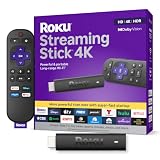
- Stunning 4K and Dolby Vision streaming made simple: With America’s number 1 TV streaming platform,* exploring popular apps—plus tons of free movies, shows, and live TV—is as easy as it is fun. *Based on hours streamed—Hypothesis Group
- Breathtaking picture quality: Stunningly sharp 4K picture brings out rich detail in your entertainment with four times the resolution of HD. Watch as colors pop off your screen and enjoy lifelike clarity with Dolby Vision and HDR10+.
- Seamless streaming for any room: With Roku Streaming Stick 4K, watch your favorite entertainment on any TV in the house, even in rooms farther from your router thanks to the long-range Wi-Fi receiver.
- Shows on the go: Take your TV to-go when traveling—without needing to log into someone else’s device.
- Compact without compromises: Our sleek design won’t block neighboring HDMI ports, so you can switch from streaming to gaming with ease. Plus, it’s designed to stay hidden behind your TV, keeping wires neatly out of sight
#5 — “Wayne’s World” (1990)
“Wayne’s World” distilled late-night cable access culture into a perfectly tuned character engine. Mike Myers and Dana Carvey weren’t mocking slackers so much as elevating them, capturing a generational voice that felt entirely new to network television. The basement set, the direct-to-camera asides, and the communal vibe all made the audience feel like insiders.
Recommended Free Tools
Its influence is everywhere. From mock talk shows to character-driven catchphrase comedy, “Wayne’s World” helped define the recurring-sketch-as-franchise model. The fact that it spawned a successful feature film without losing its soul only reinforces how complete the concept was from the start.
#4 — “Matt Foley: Van Down by the River” (1993)
Chris Farley’s Matt Foley is chaos with a mission statement. The sketch’s brilliance lies in its structure: controlled calm giving way to volcanic physicality, all centered around a motivational speaker who embodies every parental fear. David Spade and Christina Applegate’s barely contained reactions become part of the comedy without breaking it.
This sketch permanently altered SNL’s relationship with physical performance. Farley proved that sheer kinetic force could coexist with sharp writing, as long as the character’s point of view was clear. Every explosive character sketch that followed owes something to Matt Foley’s table-smashing path.
#3 — “Celebrity Jeopardy!” (1996)
“Celebrity Jeopardy!” is one of the purest examples of parody refinement. What starts as a game show spoof evolves into a character battlefield, with Will Ferrell’s exasperated Alex Trebek desperately trying to maintain order amid escalating absurdity. Darrell Hammond’s Sean Connery turns insult comedy into a recurring art form.
Quick wins for a faster PC:
Clear out junk files and repair common Windows errorsFree Scan →Fix the driver behind crashes, sound loss and screen glitchesFind Drivers →The sketch’s longevity speaks to its flexibility. It could absorb new celebrities, sharper insults, and increasingly surreal turns without losing focus. Modern panel-show satire and insult-driven ensemble sketches trace a direct lineage back to this format.
#2 — “Chippendales Audition” (1990)
The “Chippendales” sketch is comedy built on contrast, timing, and emotional commitment. Chris Farley and Patrick Swayze auditioning side by side turns physical difference into narrative tension, but the sketch never punches down. Farley’s absolute sincerity makes the outcome both hilarious and strangely poignant.
What elevates this to near-perfect status is its restraint. The joke never needs escalation beyond the premise, and the ending lands with devastating simplicity. It remains a masterclass in using character dignity, not humiliation, as the engine for unforgettable comedy.
Independent reader supportYour contribution helps us test, update, and keep practical guides available for everyone.Rank #1: The Greatest SNL Sketch of All Time — Why It Still Matters
#1 — “More Cowbell” (2000)
There are great sketches, there are iconic sketches, and then there is “More Cowbell.” First airing in April 2000, the faux VH1 Behind the Music parody about Blue Öyster Cult’s “(Don’t Fear) the Reaper” has transcended SNL to become a permanent fixture of American pop culture. It is quoted by people who have never seen the full sketch, referenced in music documentaries, and invoked any time creative excess meets blind confidence.
At its core, “More Cowbell” is a perfectly engineered collision of precision and chaos. Will Ferrell’s Gene Frenkle enters the sketch like a fever dream, his too-small shirt, exposed belly, and unwavering belief that the cowbell is the soul of the song. Christopher Walken’s producer Bruce Dickinson, delivering every line with Shakespearean seriousness, becomes the unlikely straight man who validates Frenkle’s madness with one immortal command.
The Performance That Changed the Room
What elevates the sketch from hilarious to legendary is the ensemble’s barely contained disbelief. Jimmy Fallon visibly breaking, Horatio Sanz turning away to hide laughter, and the band’s increasing discomfort all become part of the experience. Rather than ruin the sketch, these reactions heighten its authenticity, capturing the electricity of live television when something genuinely unrepeatable is happening.
Ferrell’s commitment is total and fearless. He never winks at the camera, never acknowledges the absurdity, and never lets the joke drift from character. That absolute sincerity in the face of escalating ridiculousness would become a defining trait of 2000s SNL and a template for sketch performers who followed.
Why “More Cowbell” Still Resonates
“More Cowbell” endures because it understands comedy as obsession. It’s about the person in the room who won’t let an idea go, who mistakes intensity for genius, and who is occasionally, inexplicably right. The sketch taps into a universal truth about creative spaces: sometimes the loudest, strangest voice changes everything.
The Tool Desk
Outbyte Driver Updater FREEScan for outdated or missing drivers - takes under a minuteDriver Scan →Outbyte PC Repair FREEClear out junk files and repair common Windows errorsFree Scan →Its cultural afterlife is unmatched. The phrase entered the lexicon, the cowbell became a visual shorthand for comedic excess, and the sketch itself is still replayed, shared, and studied decades later. In a show built on reinvention, “More Cowbell” remains the rare moment that feels frozen in time.
The Definitive SNL Sketch
If Saturday Night Live is about capturing lightning in a bottle, “More Cowbell” is the clearest example of the show doing exactly that. It represents the perfect alignment of writing, casting, performance, and live unpredictability. Nothing about it feels forced, calculated, or dated.
Other sketches may be sharper, riskier, or more politically relevant, but none have matched this level of universal recognition and sustained joy. “More Cowbell” isn’t just the greatest SNL sketch of all time. It’s the one that reminds us why live sketch comedy still matters at all.
Honorable Mentions and Painful Omissions: The Sketches That Almost Made the Cut
Ranking the 15 greatest SNL sketches of all time inevitably means leaving out some giants. For a show that’s been on the air for nearly five decades, the margin between making the list and landing just outside it is razor thin. These sketches weren’t excluded for lack of brilliance, influence, or laughs, but because the final rankings demanded ruthless precision.
PC Slower Than It Used to Be?
A free scan shows the junk files, broken settings and background clutter dragging Windows down - then fixes them in one click.Free scan · Windows 10 & 11Outdated Drivers Are Slowing You Down
One free scan finds every outdated or missing driver and matches the right update for your exact hardware.Free scan · exact hardware matchBest Value

- 4K streaming made simple:With America’s number 1 TV streaming platform,* exploring popular apps—plus tons of free movies, shows, and live TV—is as easy as it is fun. *Based on hours streamed—Hypothesis Group
- 4K picture quality: With Roku Streaming Stick Plus, watch your favorites with brilliant 4K picture and vivid HDR color.
- Compact without compromises: Our sleek design won’t block neighboring HDMI ports, and it even powers from your TV alone, plugging into the back and staying out of sight. No wall outlet, no extra cords, no clutter.
- No more juggling remotes: Power up your TV, adjust the volume, and control your Roku device with one remote. Use your voice to quickly search, play entertainment, and more.
- Shows on the go: Take your TV to-go when traveling—without needing to log into someone else’s device.
What follows is not a consolation prize. It’s a testament to how absurdly deep SNL’s bench really is.
The Cultural Behemoths That Defined Eras
“Wayne’s World” remains one of SNL’s most successful character sketches, launching catchphrases, a film franchise, and a template for slacker comedy that dominated the early ’90s. Mike Myers and Dana Carvey’s basement-access TV hosts were instantly iconic, but the sketch’s repetition-heavy structure made it harder to isolate a single definitive installment.
“Stefon’s Wedding” deserves special mention as the emotional apex of a recurring character. Bill Hader’s farewell moment blended genuine sentiment with absurdity, and his barely contained laughter became part of the sketch’s DNA. It narrowly missed the list because its power depends so heavily on the audience’s familiarity with Stefon’s entire run.
Performance Masterclasses That Almost Cracked the Top 15
“Matt Foley: Van Down by the River” is a tour de force of physical comedy, driven by Chris Farley’s explosive commitment. It permanently altered how SNL characters could invade a sketch’s space and energy. Its exclusion comes down to longevity; while unforgettable, it didn’t reshape the show’s future in quite the same way as those ranked higher.
What’s actually slowing this PC down?
Pick the symptom - the matching free tool is one click away.
Eddie Murphy’s “Mr. Robinson’s Neighborhood” similarly pushed boundaries, reframing a beloved children’s format through a sharply political lens. The sketch was radical for its time and cemented Murphy as a generational star. Its absence from the final ranking speaks more to the competition than any lack of impact.
The Brilliantly Weird One-Offs
“Meet Your Second Wife” is a modern classic, showcasing Tina Fey’s post-SNL writing voice and Amy Poehler’s impeccable timing. It skewered age gaps and male ego with surgical precision, and its viral afterlife introduced a new generation to SNL’s sharper instincts. Ultimately, it fell just short of all-time status due to its relatively recent arrival.
“Career Day,” featuring Adam Driver’s volcanic performance as an oil baron, is another sketch that feels destined for future canonization. Driver’s intensity elevates what could have been a standard premise into something operatic and unhinged. Given more time, it may well climb into the upper pantheon.
Political Satire That Changed the Conversation
“Sarah Palin and Hillary Clinton Open” redefined SNL’s role in modern political discourse, blurring the line between satire and influence. Tina Fey’s Palin impression became so definitive it arguably shaped public perception. Its omission reflects the list’s emphasis on sketches that transcend their moment rather than dominate it.
Similarly, “Black Jeopardy” stands as one of the smartest political sketches of the 2010s, using format comedy to expose cultural divides with nuance and humanity. It’s a high-water mark for modern SNL writing, but its greatness is more cumulative than singular.
Why These Omissions Still Matter
These sketches represent the impossible task of defining “greatest” in a medium built on immediacy and reinvention. Some were too influential, others too specific, and a few simply arrived in eras already crowded with legends. Their absence doesn’t diminish their importance; it highlights the embarrassment of riches SNL has produced.
If anything, these near-misses reinforce the show’s legacy. Saturday Night Live isn’t defined by a single sketch or era, but by a constantly shifting constellation of moments that capture American comedy in real time. The fact that so many classics didn’t make the cut may be the strongest argument for SNL’s enduring greatness.
The Lasting Legacy of These Sketches — And Why SNL Still Matters Today
Taken together, these 15 sketches form a living timeline of American comedy, politics, and pop culture. They reflect shifting sensibilities, evolving taboos, and the changing mechanics of television itself, from live broadcast risk to viral afterlife. What unites them isn’t just laughter, but endurance. Decades later, they remain instantly recognizable, endlessly quotable, and structurally influential.
Comedy as a Cultural Time Capsule
Each great SNL sketch captures something specific about the moment it aired while somehow outlasting it. “Mister Robinson’s Neighborhood” speaks to Reagan-era urban anxiety, “Wayne’s World” embodies early-’90s youth culture, and “More Cowbell” distills workplace absurdity into a universal language. These sketches don’t just remind us what was funny; they show us what mattered.
That ability to document the national mood is SNL’s secret weapon. Few shows have so directly reflected America back to itself, week after week, in real time. When the writing hits its peak, the result isn’t just comedy but cultural record.
The Cast as Comedy Mythology
The sketches on this list also reveal how SNL creates stars by giving performers the right showcase at exactly the right moment. Eddie Murphy’s swagger, Gilda Radner’s vulnerability, Will Ferrell’s fearless commitment, Kristen Wiig’s emotional specificity, and Bill Murray’s effortless cool all crystallized in sketches that became career-defining. These moments didn’t just make people laugh; they rewired expectations for what sketch performers could be.
Importantly, SNL has always thrived on generational turnover. Every era believes its cast is the last great one until the next group proves otherwise. That cycle of skepticism and rediscovery is baked into the show’s DNA.
Why SNL Still Works in the Streaming Age
In an era dominated by algorithms and on-demand content, SNL’s live format remains a feature, not a flaw. The possibility of failure heightens the thrill of success. When a sketch lands, it feels earned in a way pre-packaged comedy rarely does.
Just as crucially, SNL has adapted to modern viewing habits. Sketches now live multiple lives online, reaching audiences who may never watch the full broadcast. A great idea can travel instantly, preserving relevance without sacrificing identity.
The Enduring Importance of the Canon
Ranking the greatest SNL sketches isn’t about declaring a winner so much as recognizing a lineage. These sketches influenced writers, comedians, filmmakers, and even the language we use every day. They set templates that continue to be borrowed, remixed, and occasionally subverted by new generations.
More than anything, they remind us why Saturday Night Live still matters. It is imperfect, inconsistent, and often controversial, but when it succeeds, it does something no other show can. It captures lightning live on stage, turns it into shared memory, and adds another chapter to the ever-growing canon of American comedy.
Quick Recap
Product prices and availability are accurate as of the date/time indicated and are subject to change. Any price and availability information displayed on Amazon at the time of purchase will apply.