Car movies live at the intersection of spectacle and obsession. They’re about speed and sound, sure, but also about identity, craftsmanship, rebellion, and the deeply personal bond between driver and machine. From neon-lit street races to sun-baked endurance tracks, the best entries in the genre understand that cars aren’t just props, they’re characters with souls, histories, and consequences.
As automotive culture has evolved, so has the car movie. Practical stunts now compete with CGI excess, authenticity battles fantasy, and filmmakers are judged not just by how fast their cars look, but by how true they feel. This ranking isn’t about horsepower alone; it’s about which films truly get why car lovers care.
| # | Preview | Product | Price | |
|---|---|---|---|---|
| 1 |
|
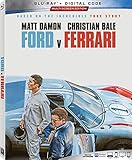
Ford V. Ferrari | $15.36 | Buy on Amazon |
| 2 |

|
Ford V. Ferrari | $21.99 | Buy on Amazon |
| 3 |
![Ford v Ferrari 4k Ultra Hd [Blu-ray]](https://m.media-amazon.com/images/I/51D8ALSylpL._SL160_.jpg)
|
Ford v Ferrari 4k Ultra Hd [Blu-ray] | $199.98 | Buy on Amazon |
| 4 |
![Ford v Ferrari (UHD + BD + Digital Code) [Blu-ray] [blu_ray]](https://m.media-amazon.com/images/I/51LqG0LDH7L._SL160_.jpg)
|
Ford v Ferrari (UHD + BD + Digital Code) [Blu-ray] [blu_ray] | $33.05 | Buy on Amazon |
| 5 |
![Ford v Ferrari [Blu-Ray] [Region Free] (IMPORT) (Keine deutsche Version)](https://m.media-amazon.com/images/I/51hvTub-khL._SL160_.jpg)
|
Ford v Ferrari [Blu-Ray] [Region Free] (IMPORT) (Keine deutsche Version) | $34.54 | Buy on Amazon |
To determine the best movies for car enthusiasts and film fans alike, we evaluated each entry through a mix of cinematic craft, mechanical credibility, and cultural staying power. These criteria shape the list that follows and explain why some films endure long after the engines cool.
Iconic Cars That Matter to the Story
A great car movie doesn’t just feature memorable vehicles; it builds its narrative around them. Whether it’s a custom-built muscle car, a purpose-driven race machine, or a humble ride elevated by emotion, the car should reflect character, theme, and stakes. If you could swap the vehicle and lose the movie’s soul, it didn’t make the cut.
Windows Errors? Fix Them Before They Spread
Repair common Windows errors and clear accumulated junk for a smoother, more stable PC - no reinstall needed.Free scan · no reinstallOutdated Drivers Are Slowing You Down
One free scan finds every outdated or missing driver and matches the right update for your exact hardware.Free scan · exact hardware match#1 Best Overall
- Item name: Ford v Ferrari Blu ray
- Product type: PHYSICAL MOVIE
- Brand: Sony Pictures Home Entertainment
Authentic Driving and Mechanical Respect
Real driving matters. We prioritized films that respect physics, mechanical limitations, and the art of driving itself, even when dramatized. Practical stunts, real racing lines, believable damage, and an understanding of how cars behave under pressure all elevate a movie from flashy to credible.
Cinematic Craft and Direction
Editing, sound design, and camera placement are crucial in translating speed to the screen. The best car movies know when to let engines speak, when to hold a shot, and when chaos serves the story. Style alone isn’t enough; clarity and intention behind the wheel count.
Cultural Impact and Legacy
Some car movies change how audiences see cars, influence tuning culture, inspire motorsports fandom, or redefine an entire genre. Longevity matters here. We considered how each film resonated beyond its release and whether it still sparks conversation, imitation, or reverence today.
Emotional Connection and Character
At their core, the greatest car movies are still human stories. Rivalries, obsession, freedom, grief, and ambition all play out through the act of driving. When the emotional arc hits as hard as the redline, that’s when a car movie truly earns its place among the greats.
The Definitive Ranking: The 15 Best Movies For Car Lovers
15. Days of Thunder (1990)
Tony Scott’s NASCAR melodrama is unapologetically loud, glossy, and emotionally oversized, but that’s part of its charm. While it plays loose with racing realism, the film captures the speed, danger, and obsession that define stock car culture.
It’s less about mechanical nuance and more about adrenaline, rivalry, and spectacle. For many fans, it was an early gateway into motorsports obsession.
14. Gone in 60 Seconds (2000)
This remake is pure car-culture fantasy, anchored by one of the most famous movie Mustangs ever: Eleanor. The plot exists primarily to string together a global tour of desirable metal and high-stakes theft.
While realism takes a back seat, the reverence for cars is unmistakable. It’s a love letter to the idea of the perfect machine and the thrill of chasing it.
13. Fast Five (2011)
This is where the Fast saga fully embraced its blockbuster identity. The physics may be questionable, but the film’s energy, global scale, and love for automotive spectacle are undeniable.
Fast Five represents the moment car culture crossed into pop mythology. It trades authenticity for excitement, and for many fans, that trade-off works.
12. Two-Lane Blacktop (1971)
Minimalist, existential, and deeply authentic, this film is revered by purists. It captures street racing culture as a quiet obsession rather than a flashy lifestyle.
The cars aren’t symbols of status; they’re extensions of identity. It’s slow cinema for people who understand why engines matter.
Quick wins for a faster PC:
Clear out junk files and repair common Windows errorsFree Scan →Fix the driver behind crashes, sound loss and screen glitchesFind Drivers →11. Talladega Nights: The Ballad of Ricky Bobby (2006)
Underneath the absurd comedy is a surprisingly sharp understanding of NASCAR culture. The film satirizes sponsorships, rivalries, and American racing mythology with affectionate precision.
It’s not about driving technique, but it understands the spectacle of motorsport better than most dramas.
10. Speed (1994)
While not a traditional car movie, Speed earns its place through relentless mechanical tension. The bus becomes a character, governed by rules, limits, and consequences.
Its success lies in how clearly it communicates momentum and stakes. Every mile per hour matters, and the audience feels it.
The Tool Desk
Outbyte Driver Updater FREEScan for outdated or missing drivers - takes under a minuteDriver Scan →Outbyte PC Repair FREEClear out junk files and repair common Windows errorsFree Scan →9. Bullitt (1968)
The gold standard for cinematic car chases. The Mustang vs. Charger duel through San Francisco remains unmatched in clarity, realism, and sound design.
Bullitt understands restraint. It lets driving speak for itself, trusting the audience to feel every gear change and elevation shift.
8. Ford v Ferrari (2019)
This film blends racing history with human drama, honoring both engineering brilliance and the drivers who risk everything. Its depiction of endurance racing respects the grind as much as the glory.
The cars feel earned, not fetishized. Every victory and failure carries weight because the mechanics and people are inseparable.
Do these 3 things before closing this tab:
1Fix the driver behind crashes, sound loss and screen glitches2Clear out junk files and repair common Windows errors3Scan for outdated or missing drivers - takes under a minute7. Ronin (1998)
Ronin delivers some of the most technically impressive chase sequences ever filmed. Shot with precision and respect for physics, its European car pursuits feel genuinely dangerous.
The film trusts real speed and real driving. There’s no excess, just mastery behind the wheel.
6. The Italian Job (1969)
This original caper remains a celebration of planning, precision, and personality through cars. The Mini Coopers aren’t just tools; they’re the entire strategy.
Its playful tone masks meticulous choreography. Every turn reinforces how cars can shape storytelling.
5. Senna (2010)
A documentary that transcends genre, Senna captures the soul of racing obsession. The cars are brutally fast, but the focus remains on the human cost of chasing perfection.
For car lovers, it’s a sobering reminder that greatness comes with sacrifice. Few films make motorsport feel this intimate.
Rank #2
4. Mad Max: Fury Road (2015)
This is automotive chaos elevated to art. Every vehicle is purpose-built, tactile, and narratively essential.
The film’s commitment to practical effects and mechanical logic makes its insanity believable. It’s a masterclass in visual storytelling through machines.
What’s actually slowing this PC down?
Pick the symptom - the matching free tool is one click away.
3. The Fast and the Furious (2001)
Before it became a franchise of superhuman stunts, this film captured street racing culture at a pivotal moment. Imports, tuning, and underground competition defined a generation.
Its influence on real-world car culture is impossible to overstate. For many enthusiasts, this was the spark.
2. Le Mans (1971)
Steve McQueen’s passion project remains the most immersive racing film ever made. Dialogue is minimal, replaced by engine noise, endurance, and atmosphere.
Le Mans doesn’t explain racing; it lets you experience it. The authenticity is unmatched.
Recommended Free Tools
1. Drive (2011)
Drive distills car culture into mood, restraint, and identity. The driving is precise, purposeful, and emotionally charged.
The car becomes a reflection of the driver’s inner life, not a spectacle for its own sake. It’s proof that the best car movies don’t just show speed, they make you feel what it means.
Pure Speed & Racing Authenticity: Films That Capture the Thrill of the Track
Some car movies are about attitude. Others are about crime, style, or fantasy. This section is for films that put racing itself at the center, where speed is earned, danger is real, and the machinery dictates the drama.
These are movies that respect motorsport as a discipline. They understand that the thrill comes not from spectacle alone, but from commitment, risk, and the unforgiving physics of going fast on a closed circuit.
Free tools Windows power users keep installed
One-click scans. No signup required.
15. Winning (1969)
Paul Newman’s first major racing film is raw, procedural, and quietly influential. It treats professional racing as a job, not a fantasy, focusing on preparation, rivalry, and the toll it takes on personal relationships.
The on-track footage, especially at Indianapolis, carries a documentary-like intensity. It laid the groundwork for more immersive racing films that followed.
14. Truth in 24 (2008)
This Audi-produced documentary chronicles the brand’s relentless pursuit of Le Mans victory. What could have been marketing becomes a gripping study of endurance racing pressure.
For car lovers, it’s a rare look behind the pit wall. Strategy, fatigue, and mechanical endurance take center stage, reminding viewers that racing is as much mental as it is mechanical.
13. Driven (2001)
Driven is deeply flawed, but its access to real Champ Car events gives it moments of undeniable authenticity. The cars are fast, loud, and filmed at speed, even when the storytelling struggles.
For enthusiasts, it’s a curiosity worth revisiting. Strip away the melodrama, and there’s genuine respect for open-wheel racing buried underneath.
12. Days of Thunder (1990)
Tony Scott turns NASCAR into pure blockbuster cinema. The film exaggerates rivalries and personalities, but the racing sequences themselves are kinetic and immersive.
It introduced many viewers to the culture of stock car racing. The sound design and sense of velocity remain its strongest assets.
Recommended Free Tools
11. Grand Prix (1966)
A technical marvel for its time, Grand Prix placed cameras directly onto Formula One cars. The result is visceral and ahead of its era.
The film treats racing as a glamorous but isolating pursuit. Its commitment to realism helped define how motorsport could be captured on screen.
10. Rush (2013)
Rush balances old-school racing danger with modern filmmaking precision. Ron Howard’s direction never loses sight of the risk drivers faced in the 1970s.
The rivalry between James Hunt and Niki Lauda is grounded in respect for the sport. Every crash and close pass feels consequential.
9. Ford v Ferrari (2019)
This is a racing movie about engineering obsession as much as driving skill. The film celebrates problem-solving, teamwork, and the brutal demands of endurance racing.
Its Le Mans sequences are thrilling without losing clarity. The cars feel heavy, fast, and temperamental in all the right ways.
8. Talladega Nights: The Ballad of Ricky Bobby (2006)
A comedy with surprising motorsport insight, Talladega Nights understands NASCAR culture better than it lets on. The jokes land because the world feels authentic.
Beneath the absurdity is a genuine affection for racing tradition. It works because it knows exactly what it’s parodying.
7. Rush Hour on the Circuit: Why Authentic Racing Films Endure
What separates great racing films from forgettable ones is restraint. When filmmakers trust the inherent drama of speed, the result resonates with enthusiasts and newcomers alike.
These films respect the track as sacred ground. They let engines speak, consequences land, and drivers earn every victory.
Iconic Cars as Characters: Movies Defined by Their Machines
Some movies go beyond using cars as props or plot devices. In these films, the machines carry personality, symbolism, and narrative weight, shaping the story as much as the human characters behind the wheel.
Bullitt (1968)
Few cars have ever achieved cinematic immortality like Steve McQueen’s Highland Green Ford Mustang GT. The film’s legendary San Francisco chase works because the Mustang feels purposeful, muscular, and raw.
Do these 3 things before closing this tab:
1Fix the driver behind crashes, sound loss and screen glitches2Repair Windows errors before they cause bigger problems3Scan for outdated or missing drivers - takes under a minuteBullitt treats the car with quiet reverence, letting sound, suspension travel, and road texture do the talking. It set the template for how realistic car chases should look and feel.
The French Connection (1971)
The battered Pontiac LeMans is the opposite of glamorous, and that’s exactly the point. It becomes an extension of Popeye Doyle’s obsession, recklessness, and refusal to back down.
The chase beneath the elevated train feels dangerous because it is. The car isn’t heroic; it’s desperate, scarred, and pushed beyond reason.
Mad Max: Fury Road (2015)
In Fury Road, vehicles aren’t just characters, they’re tribal identities. From the War Rig to the spiked hot rods of the War Boys, every machine reflects its driver’s worldview.
George Miller builds an entire mythology through engines, armor, and motion. The film proves that car design alone can carry narrative meaning.
Back to the Future (1985)
The DeLorean’s stainless steel body and gullwing doors weren’t just stylish, they were transformative. The car’s unconventional design made time travel feel mechanical rather than magical.
Its presence anchors the film’s sci-fi concept in tangible reality. The DeLorean isn’t just a vehicle; it’s the movie’s emotional and visual centerpiece.
Christine (1983)
John Carpenter turns a 1958 Plymouth Fury into something genuinely menacing. The car’s glossy red paint and period styling contrast sharply with its violent tendencies.
What’s actually slowing this PC down?
Pick the symptom - the matching free tool is one click away.
Christine works because it understands car obsession. The film taps into the darker side of automotive love, where identity and possession blur dangerously.
The Fast and the Furious (2001)
Before the franchise became physics-defying spectacle, it was about street cars and the people who built them. Supras, Chargers, and Civics weren’t interchangeable; they defined characters and allegiance.
The film introduced an entire generation to tuner culture. Its cars represented freedom, rebellion, and craftsmanship, grounding the series’ emotional core.
Why Iconic Movie Cars Matter
When a film gives its cars purpose beyond speed, the audience feels it. These machines reflect character values, cultural moments, and cinematic intent.
Quick wins for a faster PC:
Repair Windows errors before they cause bigger problemsFix Now →Scan for outdated or missing drivers - takes under a minuteDriver Scan →For car lovers, these movies endure because they respect the bond between driver and vehicle. They understand that sometimes the most memorable character on screen has four wheels and an engine.
Street Culture, Style, and Identity: When Cars Shape Lifestyle and Attitude
Not every great car movie is about winning a race or surviving a chase. Some of the most influential automotive films are about how cars shape identity, fashion, music, and social belonging.
These movies treat cars as extensions of personality. What you drive, how you modify it, and where you drive it all become statements of who you are and where you fit in the world.
Drive (2011)
Drive strips car culture down to pure attitude. Ryan Gosling’s unnamed Driver isn’t defined by dialogue or backstory, but by how he moves through Los Angeles behind the wheel.
The silver Chevrolet Impala and satin-finish jacket become symbols of controlled cool. The film understands that in street culture, restraint and precision can be more powerful than raw speed.
The Fast and the Furious: Tokyo Drift (2006)
Often re-evaluated years later, Tokyo Drift is the franchise’s most culturally specific entry. It treats drifting not as spectacle, but as a discipline rooted in respect, skill, and community.
The film introduces American audiences to Japanese car culture with surprising sincerity. Cars here aren’t status symbols; they’re expressions of dedication, hierarchy, and belonging.
American Graffiti (1973)
Before tuners and muscle car revivals, American Graffiti captured cruising as a way of life. The film’s hot rods and customs define social circles, romantic ambition, and youthful anxiety.
The Tool Desk
Outbyte PC Repair FREEClear out junk files and repair common Windows errorsFree Scan →Outbyte Driver Updater FREEFix the driver behind crashes, sound loss and screen glitchesFind Drivers →George Lucas presents cars as social currency. What you drive determines where you park, who notices you, and how the night unfolds.
Bullitt (1968)
Steve McQueen’s Bullitt helped codify the image of the cool, solitary driver. The Highland Green Mustang GT fastback is understated, purposeful, and effortlessly confident.
The film’s influence extends beyond its legendary chase. It cemented the idea that restraint, realism, and authenticity are the ultimate expressions of automotive style.
Gone in 60 Seconds (2000)
While exaggerated, the film understands car obsession at a cultural level. The act of stealing cars becomes a form of connoisseurship, with each vehicle valued for its design and reputation.
Free tools Windows power users keep installed
One-click scans. No signup required.
Eleanor, the customized Shelby Mustang, isn’t just the prize; it’s the embodiment of desire. The movie captures how certain cars transcend utility and become personal legends.
These films resonate because they reflect real-world car culture. They understand that cars aren’t just transportation, but tools of self-expression, rebellion, and community identity, especially in urban environments where image and attitude matter as much as horsepower.
Cinematic Craftsmanship: Direction, Sound Design, and How Driving Is Filmed
What ultimately separates great car movies from disposable action fare is how deliberately they’re made. Direction, camera placement, editing rhythm, and sound design determine whether driving feels visceral or artificial. The best films on this list don’t just show cars moving fast; they make the audience feel weight transfer, traction loss, and mechanical strain.
Directors Who Understand the Language of Motion
Great car films are often directed by filmmakers who treat vehicles like characters, not props. Directors such as William Friedkin, George Miller, and Nicolas Winding Refn understand that the camera must respond to the car, not dominate it. Long lenses compress speed, low angles exaggerate aggression, and restrained editing allows geography and momentum to remain legible.
In Bullitt and The French Connection, the camera stays grounded and observational, letting danger emerge organically. By contrast, Mad Max: Fury Road uses precision chaos, locking the camera to the vehicle’s centerline so every cut reinforces forward momentum. Different styles, same philosophy: clarity over confusion.
Sound Design That Respects Mechanical Reality
For car lovers, sound is non-negotiable. The pitch of an engine under load, the bark of a downshift, the rattle of loose panels at speed all signal authenticity. Films like Le Mans, Drive, and Rush succeed because they trust real engine noise to carry emotional weight rather than burying it under music.
Some of the most memorable moments in automotive cinema happen when the score drops out entirely. Tire howl, gearbox whine, and exhaust note become the soundtrack. That choice signals respect for the machines and for the audience that knows the difference between a V8 roar and a turbocharged four-cylinder scream.
Editing and the Illusion of Speed
Speed on film isn’t about how fast a car is actually going; it’s about how speed is constructed. Smart editing emphasizes acceleration and consequence rather than constant velocity. Short bursts, reaction shots, and environmental proximity make even moderate speeds feel dangerous and thrilling.
Crashes, No Sound, or Screen Glitches?
Random freezes, missing sound and display glitches usually trace back to one bad driver. Find and replace yours safely.Free scan · under a minuteWindows Errors? Fix Them Before They Spread
Repair common Windows errors and clear accumulated junk for a smoother, more stable PC - no reinstall needed.Free scan · no reinstallFilms like Ronin and The Bourne Identity excel here, using urban environments to amplify intensity. Tight streets, curbs, traffic, and elevation changes turn driving into a tactical exercise. The car isn’t just moving fast; it’s negotiating space, risk, and consequence in real time.
How Driving Becomes Character Expression
The most accomplished car films use driving style as character development. Smooth inputs suggest discipline and control, while erratic driving reveals desperation or inexperience. In Drive, Gosling’s precise, economical movements reflect a man who survives by staying calm under pressure.
This approach appears across genres, from the professionalism of Le Mans racers to the improvisational chaos of street racers. When driving behavior aligns with personality, the film gains credibility. The audience doesn’t just watch a chase; they learn who these people are by how they drive.
Cinematic craftsmanship is what elevates these films into a definitive ranking. When direction, sound, and driving technique align, cars become storytelling instruments rather than visual noise. That synergy is why the best car movies endure, rewatched not just for spectacle, but for how masterfully they capture the art of motion.
Free tools Windows power users keep installed
One-click scans. No signup required.
Cultural Impact & Legacy: How These Films Influenced Car Culture and Pop Culture
Great car movies don’t just entertain; they leak into real-world garages, playlists, and late-night conversations. The films on this list didn’t merely depict car culture, they actively reshaped it, influencing how enthusiasts modify vehicles, how filmmakers stage action, and how the broader public understands the emotional pull of driving.
Turning Cars Into Cultural Icons
Some vehicles transcend their mechanical purpose and become shorthand for entire eras of cinema. The DeLorean from Back to the Future, the Mustang from Bullitt, and the Supra from The Fast and the Furious aren’t just memorable props, they’re pop culture artifacts that redefined brand perception and desirability.
These films turned production cars into dream machines, often elevating overlooked models into legends. Values soared, replicas multiplied, and generations of fans learned specific trim levels, engines, and body styles because movies taught them what mattered.
The Mainstreaming of Street and Tuner Culture
Before the early 2000s, import tuning and street racing lived mostly on the fringes of automotive media. Films like The Fast and the Furious brought that world into multiplexes, introducing mass audiences to neon-lit night runs, engine swaps, and the idea that customization was a form of identity.
Windows Errors? Fix Them Before They Spread
Repair common Windows errors and clear accumulated junk for a smoother, more stable PC - no reinstall needed.Free scan · no reinstallCrashes, No Sound, or Screen Glitches?
Random freezes, missing sound and display glitches usually trace back to one bad driver. Find and replace yours safely.Free scan · under a minuteThe impact was immediate and lasting. Aftermarket parts sales exploded, car meets became mainstream social events, and a global car community formed around shared visual language, even when the films themselves drifted toward spectacle over realism.
Redefining On-Screen Realism and Driving Credibility
Movies such as Le Mans, Ronin, and Drive shifted expectations for authenticity. They proved that audiences could feel the difference between staged chaos and controlled, skill-driven driving, even if they couldn’t articulate why one felt more convincing.
That influence pushed later filmmakers to respect physics, geography, and vehicle behavior. Real locations, practical stunts, and actors learning to drive properly became selling points, raising the baseline for what a credible car movie looks and sounds like.
Style, Sound, and the Mythology of Cool
Car films have long dictated what automotive cool looks like, from Steve McQueen’s minimalist detachment to Ryan Gosling’s satin jacket and silent intensity. These characters shaped fashion, music choices, and the way cars were framed as extensions of personal philosophy rather than status alone.
What’s actually slowing this PC down?
Pick the symptom - the matching free tool is one click away.
Soundtracks mattered just as much. Synth scores, hip-hop, and restrained ambient tracks didn’t just accompany driving, they defined emotional tone, influencing everything from video games to modern action trailers.
Influence Beyond the Automotive Genre
The legacy of these films extends far beyond car-centric storytelling. Editing techniques, camera placement, and sound design pioneered in chase-heavy movies now appear across action, thrillers, and even prestige dramas.
Driving became a cinematic language, a way to communicate tension, competence, or vulnerability without dialogue. That vocabulary continues to shape how filmmakers visualize motion, risk, and control, long after the engines fade from the screen.
Independent reader supportYour contribution helps us test, update, and keep practical guides available for everyone.Honorable Mentions: Great Car Movies That Just Missed the Top 15
Narrowing car cinema down to a definitive Top 15 means leaving some genuinely beloved machines on the cutting-room floor. These films may not have cracked the final ranking, but each holds real significance for car lovers, whether through iconic vehicles, influential chase work, or a deep-rooted place in automotive culture.
The Tool Desk
Outbyte Driver Updater FREEScan for outdated or missing drivers - takes under a minuteDriver Scan →Outbyte PC Repair FREEClear out junk files and repair common Windows errorsFree Scan →They’re the movies that spark debates at car meets, inspire late-night rewatches, and remind us that great car filmmaking isn’t always about perfection, but passion.
The Italian Job (1969)
Few films have done more to turn a small car into a global icon. The original Italian Job transformed the Mini Cooper into a symbol of clever engineering and national pride, pairing it with precision driving through Turin’s rooftops, tunnels, and staircases.
The heist structure is playful rather than gritty, but the choreography of the Mini chase remains timeless. It’s a reminder that speed isn’t everything, and that agility and imagination can be just as cinematic.
Bullitt (1968)
Bullitt’s legendary San Francisco chase is the reason this film is so often cited, and for good reason. The Mustang GT fastback and Dodge Charger duel with a rawness that still feels dangerous decades later, captured with minimal music and maximum mechanical honesty.
Recommended Free Tools
What keeps Bullitt just outside the Top 15 is its restraint elsewhere. The film is cool to the point of emotional distance, but its influence on how car chases are shot and edited is impossible to overstate.
Days of Thunder (1990)
Days of Thunder brought NASCAR to the multiplex with glossy production values and unapologetic 1990s swagger. The film trades subtlety for spectacle, but it helped introduce stock car racing to audiences who had never set foot near an oval track.
While its character beats can feel familiar, the racing sequences carry real weight and speed. It’s a loud, confident snapshot of American motorsport culture at a very specific moment in time.
Gone in 60 Seconds (2000)
This remake is pure automotive fantasy, anchored by one of the most famous movie cars ever created. Eleanor, the customized Shelby GT500, became an instant legend, inspiring replicas, lawsuits, and endless garage posters.
The film prioritizes style over realism, but its love for car theft mythology and collector culture resonates deeply with enthusiasts. It’s less about how cars behave and more about how they’re desired.
Rush Hour 2 (2001)
Rush Hour 2 isn’t a car movie in the traditional sense, but its Hong Kong chase sequence deserves recognition. Jackie Chan’s physical comedy, practical stunts, and creative use of vehicles elevate the scene beyond typical action fare.
The cars serve the choreography rather than the other way around, but that precision still appeals to driving purists. It’s a reminder that movement, timing, and control are as important as horsepower.
Two-Lane Blacktop (1971)
This is a road movie stripped down to its mechanical soul. Two-Lane Blacktop focuses on the rhythm of driving, the quiet obsession with engines, and the emotional isolation that comes from living on the road.
Its experimental pacing and minimal dialogue make it a challenging watch for casual viewers. For true car lovers, however, it feels almost like a documentary of obsession, burnout, and identity through machinery.
Speed (1994)
Speed turns a city bus into a high-stakes endurance machine, proving that tension doesn’t require exotic cars or race tracks. The film’s commitment to practical effects and escalating momentum keeps the mechanics of motion front and center.
While not car-centric in a traditional enthusiast sense, Speed understands the terror and thrill of losing control at speed. That connection to physics and consequence earns it a place among automotive-adjacent classics.
Fast Five (2011)
Fast Five represents the franchise’s pivot from street racing to globe-trotting action spectacle. The vault-dragging sequence is absurd, but it’s staged with enough practical weight to remain memorable.
For some fans, this is where the series peaked in terms of fun and scale. It narrowly misses the Top 15 because it sacrifices car culture specificity in favor of superhero logic, but its entertainment value is undeniable.
Death Proof (2007)
Quentin Tarantino’s grindhouse homage is a love letter to stunt driving and physical risk. The film’s extended chase sequences emphasize real speeds, real consequences, and real stunt performers hanging on for their lives.
Its uneven pacing and indulgent dialogue can test patience, but when the cars are moving, Death Proof becomes a masterclass in tension. It’s one of the few modern films that truly respects the danger of the road.
Ford v Ferrari (2019)
A critical and commercial success, Ford v Ferrari excels as a character-driven sports drama. The racing sequences are immersive and visceral, capturing the brutality of endurance racing at Le Mans.
Quick wins for a faster PC:
Fix the driver behind crashes, sound loss and screen glitchesFind Drivers →Clear out junk files and repair common Windows errorsFree Scan →Scan for outdated or missing drivers - takes under a minuteDriver Scan →It just misses the Top 15 because it leans slightly more toward inspirational biopic than pure car-movie obsession. Still, its craftsmanship and respect for motorsport history make it essential viewing for any enthusiast.
Final Verdict: The Ultimate Watchlist for True Car Enthusiasts
Taken together, these films prove that great car movies aren’t defined by speed alone. The best entries on this list understand that cars are extensions of character, tools of rebellion, and sometimes obsessions that shape entire lives. Whether it’s a meticulously restored muscle car, a purpose-built race machine, or a beat-up daily driver pushed beyond its limits, the relationship between human and machine is always the point.
More Than Engines and Exhaust
What separates the top-ranked films from the rest is respect for authenticity. Practical driving, mechanical detail, and an understanding of why cars matter elevate these movies beyond spectacle. Even when the stories drift into fantasy or heightened drama, they’re anchored by a tangible sense of weight, risk, and consequence.
These films also span genres with confidence. Crime thrillers, sports dramas, coming-of-age stories, and action epics all find common ground through car culture. That versatility reflects the real-world community, where enthusiasts come from every background but speak a shared mechanical language.
A Roadmap Through Automotive Cinema
This ranking isn’t meant to crown a single “best” car movie for everyone. Instead, it offers a roadmap through automotive cinema’s most meaningful landmarks, from underground street racing and outlaw culture to professional motorsport and existential road journeys. Each title earns its place by contributing something lasting, whether through iconic vehicles, groundbreaking filmmaking, or cultural influence.
Some films prioritize realism, others lean into myth-making, but all of them understand that driving is emotional. The road becomes a stage where identity, freedom, and ambition collide at speed.
The Takeaway for Car Lovers
For true car enthusiasts, this watchlist isn’t just entertainment, it’s a reflection of why cars matter in the first place. They’re symbols of control and chaos, craftsmanship and obsession, escape and self-expression. Great car movies don’t just show vehicles in motion; they make you feel the pull of the driver’s seat.
If a film leaves you thinking about gearing ratios, body lines, engine notes, or the feeling of an empty road at the right moment, it’s doing its job. These 15 movies do that consistently, earning their place as essential viewing for anyone who believes cars are more than transportation.
Do these 3 things before closing this tab:
1Repair Windows errors before they cause bigger problems2Fix the driver behind crashes, sound loss and screen glitches3Clear out junk files and repair common Windows errorsQuick Recap
Product prices and availability are accurate as of the date/time indicated and are subject to change. Any price and availability information displayed on Amazon at the time of purchase will apply.




