Do these 3 things before closing this tab:
1Repair Windows errors before they cause bigger problems2Scan for outdated or missing drivers - takes under a minute3Clear out junk files and repair common Windows errorsSadness in anime isn’t just about tragedy; it’s about immersion. Japanese animation has a unique way of inviting viewers to sit with grief, letting moments breathe through silence, lingering shots, and characters who don’t always have the language to articulate what they’ve lost. Where other mediums rush toward catharsis, anime often lingers in the ache, trusting the audience to feel the weight of what’s left unsaid.
This emotional potency is deeply tied to cultural storytelling traditions, particularly mono no aware, the awareness of impermanence. Anime frequently centers young characters confronting death, separation, or unrealized futures, framing pain as an inevitable part of growing up rather than a narrative obstacle to overcome. Combined with serialized storytelling that unfolds over dozens of episodes, these stories forge bonds that make every loss feel personal, almost intimate.
| # | Preview | Product | Price | |
|---|---|---|---|---|
| 1 |

|
Mushishi: Box Set S.A.V.E. | $11.99 | Buy on Amazon |
| 2 |

|
Avatar - The Last Airbender: The Complete Series | $14.96 | Buy on Amazon |
| 3 |
|
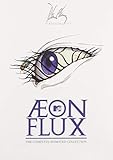
Aeon Flux: The Complete Animated Collection | $13.78 | Buy on Amazon |
| 4 |

|
Dragon Ball Z - Movie Pack Collection Two (Movies 6-9) | $20.35 | Buy on Amazon |
| 5 |

|
Ergo Proxy - Box Set (Classic) | $27.31 | Buy on Amazon |
The saddest anime series endure because they understand that heartbreak isn’t just about what happens, but how it’s remembered. Music cues arrive late or not at all, climactic moments are underplayed, and hope often exists alongside despair rather than replacing it. As we rank the most emotionally devastating anime of all time, what connects them isn’t shock value, but their ability to leave a quiet, lasting bruise that viewers carry long after the final episode fades to black.
Ranking Criteria: What Makes an Anime Truly Heartbreaking
Before diving into individual titles, it’s important to define what separates a merely sad anime from one that genuinely devastates. Heartbreak in anime isn’t measured by body count or tragic endings alone; it’s shaped by how deeply a story embeds loss into its characters, its world, and ultimately, the viewer. The following criteria guided this ranking, focusing on emotional resonance that lingers rather than momentary shock.
The Tool Desk
Outbyte PC Repair FREEClear out junk files and repair common Windows errorsFree Scan →Outbyte Driver Updater FREEFix the driver behind crashes, sound loss and screen glitchesFind Drivers →#1 Best Overall
Emotional Investment Over Time
The most heartbreaking anime take their time earning your tears. They allow relationships to form organically, often through quiet, everyday moments that make the eventual loss feel personal rather than performative. When tragedy strikes after episodes of shared meals, inside jokes, or unspoken bonds, the grief feels earned and unavoidable.
Characters Defined by What They Lose
Truly devastating series don’t treat loss as a plot twist; they let it reshape who the characters become. Grief alters motivations, fractures identities, and leaves permanent emotional scars that persist long after the inciting tragedy. These stories honor pain by refusing to let characters simply move on as if nothing changed.
The Weight of Impermanence
Many of the saddest anime lean heavily into impermanence, embracing the idea that happiness is fragile by nature. Whether it’s fleeting youth, borrowed time, or relationships doomed by circumstance, these series make viewers acutely aware that nothing lasts forever. That awareness, more than any single death or farewell, is what creates the deepest ache.
Restraint in Storytelling and Presentation
Heartbreaking anime often hurt the most when they hold back. Minimal dialogue, lingering silence, and understated music cues allow emotion to surface naturally instead of being dictated. This restraint respects the audience, trusting viewers to sit with discomfort rather than offering easy catharsis.
Lasting Emotional Aftershocks
Finally, the saddest anime are the ones that don’t end when the credits roll. They linger in memory, resurfacing through a song, a visual motif, or a single unresolved feeling weeks or even years later. These are stories that don’t just make you cry; they quietly change the way you think about love, loss, and the passage of time.
Ranks #10–#7: Tragic Journeys That Slowly Break You
As the list begins, these series don’t aim for immediate devastation. Instead, they draw viewers into intimate emotional spaces, allowing grief, regret, and longing to accumulate quietly. By the time the tears arrive, they feel inevitable rather than forced.
#10 Anohana: The Flower We Saw That Day
Anohana turns childhood nostalgia into a source of deep emotional pain. What begins as a reunion story about estranged friends gradually reveals how unresolved grief can paralyze people for years. The ghost at the center of the narrative isn’t just a supernatural presence, but a symbol of everything the characters refuse to confront.
The series is devastating because it understands how loss lingers in ordinary moments. Laughter feels incomplete, friendships feel strained, and even happiness carries guilt. Anohana doesn’t rush toward catharsis, making its final emotional release hit with surprising force.
#9 Violet Evergarden
Violet Evergarden is structured as a series of quiet emotional reckonings rather than a single tragic arc. Each episode explores a different expression of love and loss, slowly teaching Violet what emotions mean after a childhood shaped entirely by war. The sadness comes not from spectacle, but from empathy built one letter at a time.
Rank #2
- Brand New in box. The product ships with all relevant accessories
What makes the series especially heartbreaking is its restraint. Violet’s emotional growth is subtle, often communicated through small gestures or pauses in dialogue. By the time she begins to understand her own grief, the audience has already felt it in full.
#8 March Comes in Like a Lion
March Comes in Like a Lion presents depression and loneliness with rare honesty. Rei’s journey is defined less by dramatic tragedy and more by emotional erosion, as isolation, survivor’s guilt, and self-doubt quietly consume him. The show captures how sadness can exist even in moments of apparent success.
Its heartbreak lies in how real it feels. Healing comes slowly and unevenly, and moments of warmth never fully erase the pain. The series respects mental health struggles by refusing easy answers, making every small step forward feel hard-earned.
Outdated Drivers Are Slowing You Down
One free scan finds every outdated or missing driver and matches the right update for your exact hardware.Free scan · exact hardware matchPC Slower Than It Used to Be?
A free scan shows the junk files, broken settings and background clutter dragging Windows down - then fixes them in one click.Free scan · Windows 10 & 11#7 Your Lie in April
Your Lie in April disguises its sorrow beneath vibrant colors and musical passion. At first, it feels like a story about rediscovering joy through art and connection. Gradually, however, it reveals a tragedy rooted in time running out and words left unsaid.
The emotional devastation comes from contrast. Moments of beauty and laughter only deepen the eventual loss, making the silence afterward unbearable. By the end, the series leaves viewers reflecting on how fleeting inspiration, love, and youth can be, long after the music stops.
Ranks #6–#4: Emotional Devastation Through Love, Loss, and Time
As the list climbs, sadness stops being situational and becomes existential. These series don’t just depict heartbreak; they ask viewers to sit with it, to consider how love persists through absence and how time can both heal and destroy. The pain here is cumulative, shaped by bonds formed slowly and broken irrevocably.
#6 Clannad: After Story
Clannad: After Story reframes what anime heartbreak looks like by grounding its tragedy in adulthood. Rather than focusing on fleeting youth, it explores marriage, parenthood, and the quiet responsibilities that define real life. The devastation comes not from shock, but from watching happiness built carefully over time, only to be taken away.
Quick wins for a faster PC:
Fix the driver behind crashes, sound loss and screen glitchesFind Drivers →Clear out junk files and repair common Windows errorsFree Scan →Scan for outdated or missing drivers - takes under a minuteDriver Scan →What makes After Story so emotionally overwhelming is its patience. By investing deeply in Tomoya and Nagisa’s ordinary joys, the series ensures that loss feels personal and suffocating. Its portrayal of grief, regret, and the struggle to keep living afterward remains one of anime’s most harrowing emotional experiences.
#5 Angel Beats!
Angel Beats! masks its sorrow behind humor and chaotic energy, set in a liminal afterlife where lost souls grapple with unresolved regrets. Each character’s story unfolds like a delayed confession, revealing lives cut short by cruelty, illness, or simple misfortune. The comedy softens the blow just long enough to make the emotional impact land harder.
Rank #3
- DVD
- Multiple Formats, Animated, Box set
- English (Original Language), English (Unknown)
- 1
- 224
The series’ sadness lies in its inevitability. Acceptance means disappearance, and peace comes at the cost of connection. By the time the characters are ready to move on, viewers are left grieving the friendships that finally felt complete.
#4 Steins;Gate
Steins;Gate transforms time travel into a vehicle for prolonged emotional torture. What begins as an eccentric sci-fi thriller gradually becomes a meditation on sacrifice, responsibility, and the unbearable weight of choice. Every attempt to fix the past only compounds the pain, forcing its protagonist to relive loss again and again.
The heartbreak of Steins;Gate is rooted in endurance. Love persists across timelines, but so does suffering, and the series never lets its audience forget the cost of playing god with time. Its emotional power lingers because it asks a devastating question: how much pain can one person endure to save the people they love?
Ranks #3–#1: Anime That Leave Permanent Emotional Scars
#3 Violet Evergarden
Violet Evergarden is grief rendered in exquisite detail. Set in the aftermath of war, the series follows a former child soldier learning how to live in a world that no longer needs her violence, only her heart. Each episode unfolds like a handwritten letter, intimate and devastating in its emotional precision.
What makes Violet Evergarden so painful is its quiet honesty. The show doesn’t rush catharsis; it allows sorrow to sit, breathe, and slowly transform. By exploring love, loss, and the difficulty of expressing feelings that arrive too late, it becomes a meditation on healing that still aches long after the final frame.
#2 Your Lie in April
Your Lie in April disguises its heartbreak beneath pastel colors and soaring classical music. At its core is a story about young love entangled with trauma, illness, and the pressure to move forward when the past refuses to let go. The emotional devastation builds gradually, hiding in moments of joy that feel almost too bright.
What’s actually slowing this PC down?
Pick the symptom - the matching free tool is one click away.
The series excels at making inevitability feel cruel rather than comforting. Every performance, every smile, carries the weight of what’s coming, turning beauty into a source of pain. By the time its truth is fully revealed, the audience is left with a hollow, echoing sadness that mirrors its protagonist’s silence.
#1 Grave of the Fireflies
Grave of the Fireflies stands alone as anime’s most unflinching portrait of loss. Set during World War II, it follows two siblings struggling to survive as society collapses around them. There is no melodrama, no false hope, only the slow erosion of innocence in a world that offers none in return.
What makes Grave of the Fireflies unbearable is its restraint. The tragedy isn’t framed as extraordinary; it’s treated as tragically common, a consequence of indifference and survival stacked against the vulnerable. More than any other anime, it leaves viewers with a lasting emotional wound, not because it wants to break hearts, but because it refuses to look away from reality.
Rank #4
Recurring Themes: Grief, Impermanence, and the Beauty of Suffering
Across the saddest anime ever made, grief isn’t just an emotional response, it’s a narrative engine. These stories don’t treat loss as something to overcome quickly, but as a state of being that reshapes identity, relationships, and time itself. Characters are often defined less by what they have than by what they’ve lost.
Grief as a Language
Many of these series portray grief as a form of communication when words fail. In shows like Clannad: After Story or Anohana, silence, distance, and repetition speak louder than dialogue. Pain lingers in empty rooms, half-finished routines, and conversations that can no longer happen.
This approach mirrors real mourning, where resolution is rare and emotions resurface unexpectedly. Anime excels here because it allows space for stillness, letting viewers sit with discomfort rather than rushing toward emotional payoff.
Impermanence and the Cruel Passage of Time
A defining thread running through these stories is the idea that nothing lasts, not youth, not happiness, not even the people we love most. Time moves forward regardless of readiness, turning memory into both comfort and torment. Series like Your Lie in April and Plastic Memories build their heartbreak around countdowns, making the inevitable feel suffocating.
This focus on impermanence reflects a deeply rooted cultural awareness, influenced by mono no aware, the Japanese sensitivity to the transience of things. Beauty is heightened precisely because it fades, and anime uses that truth to devastating effect.
Recommended Free Tools
The Beauty of Suffering
What ultimately unites these anime is their refusal to frame suffering as meaningless. Pain becomes a source of connection, empathy, and growth, even when it leaves permanent scars. Characters endure not because they are strong, but because survival itself becomes an act of love or remembrance.
Rather than offering easy hope, these series find quiet beauty in endurance. They suggest that sadness doesn’t invalidate joy, it gives it context, making even brief moments of warmth feel profound and achingly human.
Independent reader supportYour contribution helps us test, update, and keep practical guides available for everyone.Honorable Mentions: Series That Nearly Made the List
Not every heartbreaking anime fits neatly into a top ten, especially when emotional impact is shaped by personal experience, timing, and the kind of sadness that lingers differently for each viewer. These series came painfully close, offering devastating moments, haunting themes, or sustained melancholy that rivals the most infamous tearjerkers. Their exclusion isn’t a dismissal of their power, but a testament to how crowded this emotional landscape truly is.
Erased
Erased blends thriller mechanics with deeply personal tragedy, grounding its suspense in the quiet devastation of lost childhoods. Its portrayal of abuse, neglect, and regret hits hardest in the spaces between plot twists, where small acts of kindness carry enormous emotional weight. While its ending remains divisive, the journey there is filled with a heavy sense of mourning for the lives that could have been different.
Free tools Windows power users keep installed
One-click scans. No signup required.
Best Value
Tokyo Magnitude 8.0
Few anime confront sudden loss with the raw realism of Tokyo Magnitude 8.0. Framed through the eyes of a child navigating a shattered city, the series builds dread through exhaustion, fear, and fragile hope. Its emotional climax is restrained rather than melodramatic, making the devastation feel startlingly real and difficult to shake.
Violet Evergarden
Violet Evergarden is less about one overwhelming tragedy and more about cumulative sorrow. Each episode explores a different form of grief, from unresolved love to survivor’s guilt, written in letters that say what people cannot. Its exquisite animation and deliberate pacing turn emotional restraint into its sharpest weapon, leaving viewers quietly undone rather than openly shattered.
Banana Fish
Banana Fish is relentless in how it intertwines love and violence, never allowing its characters a moment of true safety. The bond at its center offers fleeting warmth in a world defined by exploitation and trauma, making every tender scene feel painfully temporary. Its ending is infamous not because it is shocking, but because it feels cruelly inevitable.
A Silent Voice
A Silent Voice approaches sadness through guilt and redemption rather than loss alone. Its focus on bullying, disability, and self-loathing makes the pain deeply internal, often uncomfortable in its honesty. While ultimately more hopeful than many series on this list, the emotional toll of watching its characters confront their pasts earns it a place among anime’s most affecting experiences.
Each of these series understands that sadness isn’t always loud or catastrophic. Sometimes it’s found in missed chances, unresolved apologies, or the quiet realization that some wounds never fully heal. They may not have made the final cut, but their emotional impact is undeniable, and for many viewers, unforgettable.
Why We Keep Watching Sad Anime (And Why It’s Worth the Pain)
Sad anime asks something unusual of its audience: not escapism, but emotional presence. These stories don’t offer comfort by pretending the world is kinder than it is. Instead, they sit with grief, regret, and longing, trusting viewers to do the same.
Catharsis Through Connection
At its best, tragic anime creates a powerful sense of emotional release. Watching characters endure loss, love deeply, and fail painfully allows viewers to process feelings they may not have words for in their own lives. The tears come not just from what happens on screen, but from recognizing ourselves within those moments.
Stories That Respect Emotional Intelligence
Many of the saddest anime resonate because they refuse to simplify pain. They understand that grief is often quiet, messy, and unresolved, and they trust the audience to engage with that complexity. This respect for emotional intelligence is why these series linger long after the final episode ends.
The Beauty Found in Impermanence
There is also something uniquely moving about stories that acknowledge how fleeting happiness can be. Sad anime often frames joy as temporary but meaningful, emphasizing that love and connection matter precisely because they don’t last forever. In doing so, these series mirror real life more honestly than many happier narratives ever attempt.
A Shared Language of Loss
Across cultures and generations, sad anime has become a shared emotional language among fans. Recommending a heartbreaking series is often an act of trust, an unspoken promise that the pain leads somewhere meaningful. These stories build community through vulnerability, reminding viewers they are not alone in how deeply they feel.
In the end, we keep returning to sad anime not because we enjoy suffering, but because these stories affirm something essential about being human. They hurt, but they also heal, offering understanding where words often fail. The pain is real, but so is the connection it leaves behind, and that makes every tear worth it.
Quick Recap
Product prices and availability are accurate as of the date/time indicated and are subject to change. Any price and availability information displayed on Amazon at the time of purchase will apply.




