When Ted McGinley casually described The Baxters as “Melrose Place meets the Bible,” it landed like a cultural curveball. For anyone who remembers his long run on glossy, high-stakes primetime dramas, the comparison instantly reframed expectations around a faith-based series often assumed to be gentle or sedate. The quote suggested something juicier: emotional entanglements, complicated relationships, and real conflict, just filtered through a values-driven lens.
McGinley knows exactly what he’s invoking. Melrose Place wasn’t just a soap; it was a pressure cooker of ambition, romance, and moral gray areas that defined ’90s television excess, and he was right at the center of it. By invoking that legacy, McGinley positions The Baxters as a character-first drama that leans into human messiness rather than avoiding it, even as it operates within a faith-forward framework.
| # | Preview | Product | Price | |
|---|---|---|---|---|
| 1 |

|
The Baxter | $8.99 | Buy on Amazon |
| 2 |

|
The Baxter | $16.43 | Buy on Amazon |
| 3 |

|
The Baxters: A Prequel | $13.99 | Buy on Amazon |
| 4 |
![The Stanley Baxter Collection [DVD]](https://m.media-amazon.com/images/I/512vqEHup3L._SL160_.jpg)
|
The Stanley Baxter Collection [DVD] | $12.23 | Buy on Amazon |
| 5 |
|
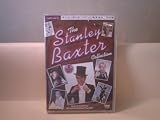
The Stanley Baxter Collection | $114.00 | Buy on Amazon |
That tension is precisely why the quote caught fire. In the current streaming landscape, faith-based TV is evolving beyond niche audiences, aiming for broader emotional and narrative appeal without abandoning its core audience. McGinley’s presence, and his savvy description, signal that The Baxters isn’t trying to sermonize so much as dramatize, using familiar soap DNA to invite viewers who might never have clicked on a Bible-adjacent series before.
What Does ‘Melrose Place Meets the Bible’ Actually Mean? Decoding the Comparison
On the surface, Ted McGinley’s description sounds almost mischievous, as if he’s daring viewers to rethink their assumptions about what faith-based television looks like. But the comparison isn’t flippant. It’s a shorthand for tone, structure, and emotional intensity rather than a promise of scandal for scandal’s sake.
Free tools Windows power users keep installed
One-click scans. No signup required.
#1 Best Overall
At its core, McGinley is talking about a style of storytelling that prioritizes relationships under pressure. Like Melrose Place, The Baxters is less interested in tidy moral lessons than in watching flawed people navigate love, disappointment, and personal crossroads over time.
Soap DNA Without the Soapiness
Melrose Place thrived on serialized storytelling, where consequences lingered and character choices echoed across episodes. That same DNA runs through The Baxters, which treats family dynamics and romantic entanglements as evolving arcs rather than one-off problems solved in 42 minutes.
The key difference is the moral compass guiding those stories. Where Melrose reveled in excess and chaos, The Baxters frames its conflicts through faith, accountability, and the possibility of growth. The drama isn’t watered down; it’s redirected.
Faith as a Lens, Not a Lecture
When McGinley invokes the Bible in his comparison, he’s not suggesting sermons dressed up as television. Instead, faith operates as a lived-in presence, shaping how characters argue, forgive, and sometimes fail. It’s woven into daily life rather than positioned as an external lesson imposed on the audience.
That approach aligns with a newer wave of faith-based streaming content that understands viewers want authenticity over idealization. The characters believe, struggle, and contradict themselves, which makes the spiritual dimension feel earned rather than ornamental.
Why McGinley Is the Perfect Messenger
Coming from an actor so closely associated with primetime excess, the comparison carries extra weight. McGinley has spent decades in shows where emotional volatility was the point, not the problem. His involvement signals that The Baxters isn’t afraid of intensity, even as it plays by different ethical rules.
For longtime fans, there’s a sense of continuity rather than contradiction. This is the same performer, applying the same commitment to character-driven drama, just within a framework that values reconciliation over ruin.
A Broader Invitation Than Traditional Faith TV
Ultimately, “Melrose Place meets the Bible” is a marketing bridge as much as a creative one. It invites viewers who might normally skip past faith-labeled content to recognize something familiar in the rhythm and stakes of the show.
What’s actually slowing this PC down?
Pick the symptom - the matching free tool is one click away.
By blending soap-style momentum with spiritually grounded storytelling, The Baxters positions itself at a cultural crossroads. It’s not trying to replace classic primetime drama, but it’s clearly borrowing its language to speak to a wider, more curious audience.
Inside The Baxters: Premise, Family Dynamics, and Moral Stakes
At its core, The Baxters is a family drama about what happens after the “happily ever after” fades. Adapted from Karen Kingsbury’s bestselling novels, the series follows John and Elizabeth Baxter and their adult children as marriages strain, secrets surface, and faith is tested under very real pressures. The conflicts aren’t abstract; they’re grounded in careers, infidelity, grief, and the slow erosion of trust.
That’s where Ted McGinley’s description clicks. Like Melrose Place, the show thrives on interconnected relationships and emotional fallout, but the lens is domestic rather than sensational. The drama unfolds around dinner tables, hospital rooms, and long, uncomfortable conversations instead of rooftop pools and boardrooms.
The Baxter Household as the Emotional Hub
McGinley’s John Baxter anchors the series as a calm but not unshakeable patriarch. He’s a man of faith who doesn’t always have answers, especially when watching his children make choices that challenge everything he believes. Rather than dispensing wisdom on cue, John often wrestles with doubt, frustration, and the limits of parental influence.
Rank #2
Elizabeth Baxter complements that tension, offering empathy without naïveté. Together, they form a moral center that’s aspirational but human, setting expectations without controlling outcomes. Their marriage models stability, yet it’s clear that stability has been earned, not assumed.
Siblings, Secrets, and the Push-Pull of Belief
The adult Baxter children are where the series finds its Melrose-style momentum. Each sibling carries a different relationship to faith, commitment, and accountability, creating friction that feels generational rather than ideological. When marriages crack or past mistakes resurface, the fallout ripples across the entire family.
What keeps the show from sliding into melodrama is its refusal to simplify blame. Characters make selfish choices, but they’re rarely painted as villains. The tension comes from consequences, not condemnation, which allows viewers to stay emotionally invested even when decisions go wrong.
High Stakes Without Cynicism
The Baxters understands that moral stakes don’t require extreme behavior to feel urgent. A threatened marriage, a loss of trust, or a crisis of belief carries real weight when the characters care deeply about doing the right thing. Faith doesn’t erase the problem; it complicates it, forcing characters to confront who they are versus who they claim to be.
Quick wins for a faster PC:
Fix the driver behind crashes, sound loss and screen glitchesFind Drivers →Repair Windows errors before they cause bigger problemsFix Now →That balance is key to the show’s crossover appeal. Fans of classic primetime drama will recognize the structure and emotional pacing, while faith-oriented viewers see a reflection of lived experience rather than idealized virtue. It’s drama fueled by conscience, not chaos, which makes McGinley’s comparison feel less like a pitch and more like an honest translation.
Soapy DNA, Spiritual Core: How The Baxters Balances Drama with Faith-Based Storytelling
Ted McGinley’s description of The Baxters as “Melrose Place meets the Bible” isn’t a throwaway soundbite. It’s a tonal roadmap. The show borrows the pacing, relationship entanglements, and emotional escalation of classic primetime soap, then filters those elements through a faith-forward lens that prioritizes reflection over spectacle.
Where Melrose Place thrived on excess and implosion, The Baxters is more interested in pressure and restraint. Conflicts don’t explode immediately; they simmer. Secrets matter not because they’re scandalous, but because of how they test trust, integrity, and belief over time.
Soap Mechanics, Reframed
Structurally, The Baxters understands the pleasures of serialized drama. Storylines overlap, conversations echo across episodes, and emotional payoffs are delayed just long enough to keep viewers leaning in. That’s the soapy DNA McGinley is pointing to, the sense that personal choices reverberate across a tight-knit ensemble.
The Tool Desk
Outbyte PC Repair FREEClear out junk files and repair common Windows errorsFree Scan →Outbyte Driver Updater FREEScan for outdated or missing drivers - takes under a minuteDriver Scan →The difference is intent. Instead of cliffhangers built around betrayal for shock value, the show uses moral crossroads as its engine. A decision made in private often becomes a reckoning in public, not to shame the character, but to explore accountability within community.
Faith as Complication, Not Cure
What sets The Baxters apart within the faith-based space is its refusal to treat belief as a narrative shortcut. Prayer doesn’t instantly solve problems, and Scripture isn’t deployed as a mic-drop argument. Faith is present, but it’s active, debated, and sometimes strained.
That approach mirrors how belief operates in real families, especially across generations. Younger characters question traditions they inherited, while older ones grapple with the fear that conviction might look like control. The show lets those tensions breathe, trusting the audience to sit with discomfort rather than rushing toward resolution.
A Streaming-Era Evolution of Faith-Based TV
The Baxters also reflects a broader shift in faith-oriented programming on streaming platforms. These shows are no longer chasing mass-market approval or softening their identity to appeal to everyone. Instead, they’re leaning into specificity, trusting that authenticity will draw viewers who want stories grounded in shared values without being insulated from reality.
Do these 3 things before closing this tab:
1Clear out junk files and repair common Windows errors2Fix the driver behind crashes, sound loss and screen glitches3Repair Windows errors before they cause bigger problemsRank #3
That confidence allows The Baxters to coexist with mainstream dramas rather than positioning itself in opposition to them. It’s not asking viewers to choose between entertainment and meaning. It’s offering both, in a format that feels familiar enough to be inviting.
Why McGinley Fits This World
McGinley’s presence bridges that gap effortlessly. His career has been defined by ensemble storytelling, whether in the heightened chaos of ’90s soaps or the self-aware comedy of later sitcoms. He understands how to play authority without rigidity and vulnerability without self-pity.
In The Baxters, that skill set becomes essential. His performance signals to longtime TV fans that this isn’t a sermon disguised as a series. It’s a drama first, rooted in character, where faith informs the story without overwhelming it. That’s the real meaning behind “Melrose Place meets the Bible,” not a mash-up of extremes, but a careful blending of emotional tradition and spiritual inquiry.
Ted McGinley’s Career Arc: From Primetime Soap Icon to Streaming Faith Series
Ted McGinley’s résumé reads like a guided tour through modern television history. He’s one of those actors whose face instantly triggers recognition, even if viewers can’t immediately place the show. That familiarity is precisely what makes his involvement in The Baxters feel intentional rather than surprising.
For decades, McGinley has specialized in ensemble-driven storytelling, stepping into established casts and recalibrating their emotional center. Whether the tone skewed dramatic, comedic, or chaotic, his characters often arrived with authority, charm, and just enough friction to stir things up. That skill set translates seamlessly into a faith-based drama that thrives on interpersonal tension rather than spectacle.
The Melrose Place Effect
McGinley’s time on Melrose Place cemented his reputation as a primetime soap stabilizer. The series was notorious for its heightened emotions, moral gray areas, and rotating alliances, but it also relied heavily on grounded performances to keep the drama from tipping into parody. McGinley understood how to play sincerity inside excess, a balance that made the chaos feel emotionally real.
When he describes The Baxters as “Melrose Place meets the Bible,” he’s not suggesting scandal for shock value. He’s pointing to the shared DNA of serialized storytelling, where relationships evolve, conflicts linger, and personal choices ripple across an entire community. The difference is that here, the guiding framework isn’t ambition or betrayal, but belief.
A Career Built on Transition
One of McGinley’s defining traits as an actor is adaptability. He moved fluidly from drama to comedy, from network staples like Happy Days and Married… with Children to guest roles and recurring arcs that benefited from his steady presence. He became known as someone who could enter a long-running series late and still feel essential.
Recommended Free Tools
That history mirrors the current moment in television, where legacy actors are finding new relevance on streaming platforms with clearly defined audiences. Faith-based series like The Baxters don’t need stunt casting; they need performers who bring credibility and emotional fluency. McGinley offers both, without irony or distance.
Why Faith-Based Streaming Makes Sense for Him
At this stage in his career, McGinley isn’t chasing reinvention so much as refinement. The Baxters allows him to explore themes that align naturally with his screen persona: responsibility, generational tension, and the quiet weight of leadership. His performance isn’t about delivering doctrine, but about embodying a man shaped by conviction and compromise.
For viewers who grew up watching him in mainstream primetime dramas, his presence acts as a bridge. It reassures them that this series speaks the same emotional language, even as it operates within a faith-centered framework. That crossover appeal is exactly what modern streaming-era faith television is betting on, and McGinley’s career arc makes him an ideal anchor for that bet.
The Rise of Premium Faith-Based Streaming and Where The Baxters Fits In
Faith-based television has quietly undergone a tonal shift over the last decade. What was once dominated by low-budget programming or overtly instructional storytelling has evolved into something closer to prestige drama, built for streaming audiences who expect polish, emotional complexity, and long-form arcs.
Rank #4
- Polish Release, cover may contain Polish text/markings. The disk has English audio.
Platforms like Great American Pure Flix and Angel Studios have leaned into serialized storytelling, recognizing that faith-driven audiences want the same narrative rewards as mainstream viewers. They’re not tuning in for sermons; they’re tuning in for characters whose beliefs are tested by real-world pressures. That shift has created space for shows like The Baxters to exist without apology.
From Sunday Programming to Serialized Drama
The Baxters reflects this new model almost point for point. It’s designed to be binged, with interlocking family storylines, unresolved tensions, and conflicts that don’t wrap up neatly at the end of an episode. That’s where McGinley’s “Melrose Place meets the Bible” comparison becomes useful shorthand rather than provocation.
Like classic primetime soaps, the show understands that audience investment comes from accumulation. Disagreements linger. Secrets carry consequences. Emotional decisions echo across multiple relationships, not just individual arcs. The faith element doesn’t flatten the drama; it complicates it by adding moral weight to every choice.
Why Familiar Faces Matter in This Space
Premium faith-based streaming is also benefiting from a strategic recalibration in casting. Rather than relying solely on niche performers, these series are increasingly anchored by actors with deep mainstream credibility. That familiarity lowers the barrier to entry for curious viewers who might otherwise assume the content isn’t meant for them.
PC Slower Than It Used to Be?
A free scan shows the junk files, broken settings and background clutter dragging Windows down - then fixes them in one click.Free scan · Windows 10 & 11Outdated Drivers Are Slowing You Down
One free scan finds every outdated or missing driver and matches the right update for your exact hardware.Free scan · exact hardware matchMcGinley’s presence signals intention. This isn’t a novelty project or a side lane; it’s a serious attempt to meet audiences where they already are emotionally and narratively. His career, built on joining ensembles midstream and stabilizing them, aligns perfectly with a genre trying to redefine its public perception.
The Baxters as a Crossover Series
What ultimately sets The Baxters apart is its confidence in occupying the middle ground. It doesn’t dilute its faith perspective to chase broader appeal, nor does it isolate itself from the rhythms of mainstream television. Instead, it borrows the mechanics of classic serialized drama and reframes them through a belief-centered lens.
That balance is why McGinley’s description resonates. The show isn’t promising scandal for its own sake, but it understands that faith doesn’t exist in a vacuum. It lives inside families, marriages, and communities where emotions run high and outcomes are uncertain. In that sense, The Baxters isn’t borrowing from Melrose Place as much as it’s reclaiming the power of long-form, character-driven drama for a new kind of audience.
Independent reader supportYour contribution helps us test, update, and keep practical guides available for everyone.Crossover Appeal: Why Familiar TV Faces Matter for Expanding Religious Audiences
There’s a reason Ted McGinley’s involvement in The Baxters immediately reframes expectations. For viewers who grew up with him as a dependable presence on shows like Happy Days, Dynasty, and Melrose Place, his casting carries narrative shorthand. It signals a certain level of polish, emotional intelligence, and long-form storytelling discipline that transcends genre.
Faith-based television has historically been marketed inward, assuming a built-in audience that already understands its language. What’s changing now is the recognition that accessibility often begins with familiarity. When a recognizable face anchors a series, it invites viewers who might otherwise keep their distance to at least lean in and see what kind of story is being told.
Ted McGinley as a Bridge, Not a Bait-and-Switch
McGinley’s career has been defined by entering established worlds and helping them evolve without breaking their DNA. He’s not known for scene-chewing theatrics or ironic detachment; he brings steadiness, credibility, and emotional grounding. That skill set translates cleanly into a series like The Baxters, which depends on accumulated trust rather than shock value.
Importantly, his presence doesn’t feel like stunt casting. McGinley isn’t there to wink at the audience or subvert the genre. He’s there to validate it, lending the show the same dramatic legitimacy he once brought to primetime soaps that took family conflict seriously, even when the situations were heightened.
Lowering the Barrier Without Lowering the Stakes
For modern faith-based streaming platforms, the challenge isn’t just reaching believers; it’s reaching adjacent audiences who enjoy character-driven drama but may feel excluded by overt messaging. Familiar actors act as a kind of narrative translator. They reassure viewers that, even if the worldview is specific, the emotions are universal.
Recommended Free Tools
Best Value
The Baxters leverages that dynamic smartly. The show doesn’t ask newcomers to adopt its values immediately. It asks them to recognize the rhythms: unresolved arguments, generational tension, marriages under pressure, and the slow burn of consequence. Those are the same tools that powered mainstream dramas for decades, now applied with a different moral framework.
Legacy TV Stars and the Future of Faith-Based Streaming
McGinley’s casting also reflects a broader trend in streaming, where legacy television actors are finding renewed relevance in niche spaces that value consistency and depth over algorithmic churn. These performers come with built-in audience trust and an understanding of serialized storytelling that younger platforms are eager to harness.
In that context, The Baxters doesn’t feel like an outlier. It feels like part of an industry recalibration, where faith-based series are no longer content to exist on the margins. By pairing belief-centered narratives with actors who shaped mainstream television, these shows are quietly expanding what religious entertainment can look like, and who it’s allowed to reach.
What Viewers Should Expect: Tone, Conflict, and Why the Show Resonates Now
Ted McGinley’s description of The Baxters as “Melrose Place meets the Bible” isn’t a joke or a marketing gimmick. It’s a tonal roadmap. The series blends the emotional density of classic primetime drama with a faith-forward worldview, creating something that feels familiar without being cynical.
At its core, The Baxters is less about sermons than pressure points. Relationships strain, secrets surface, and choices ripple outward in ways that feel grounded rather than sensational. The faith element informs the characters’ responses, but it doesn’t erase the messiness that drives the story forward.
A Character-Driven Drama, Not a Moral Lecture
Viewers expecting a sanitized or conflict-averse show may be surprised. The Baxters leans into disagreement, disappointment, and long-standing resentments, especially within marriages and between generations. That friction is the engine of the series, echoing the interpersonal intensity that once defined shows like Melrose Place, just without the tabloid edge.
Where the show diverges is in consequence. Instead of rewarding bad behavior with cliffhanger thrills, The Baxters is interested in accountability and reconciliation, even when it’s uncomfortable. That approach gives the drama weight, allowing moments to breathe rather than rushing toward shock value.
Why the Comparison Works in 2026
The timing of a show like this matters. Audiences are increasingly fatigued by irony-heavy storytelling and endless escalation. The Baxters arrives as a counterbalance, offering sincerity without naivety and conflict without cruelty.
Faith-based streaming has also matured. Platforms are investing in longer arcs, higher production values, and actors who understand how to sustain emotional tension over time. McGinley’s presence signals that this isn’t niche content made in isolation, but part of a broader evolution in how values-driven stories are told.
The Appeal Beyond the Choir
For viewers outside the faith-based audience, the hook isn’t belief; it’s recognition. The arguments feel real. The marriages feel lived-in. The generational clashes echo ones seen in countless mainstream dramas, just filtered through a moral lens that prioritizes repair over rupture.
That’s where McGinley’s legacy quietly does its work. He bridges eras of television, reminding audiences that drama doesn’t need to be mean-spirited to be compelling. In positioning The Baxters as “Melrose Place meets the Bible,” he’s not redefining either side of the equation. He’s revealing how much overlap there always was, and why, right now, that intersection feels especially resonant.
Quick Recap
Product prices and availability are accurate as of the date/time indicated and are subject to change. Any price and availability information displayed on Amazon at the time of purchase will apply.
The Tool Desk
Outbyte PC Repair FREERepair Windows errors before they cause bigger problemsFix Now →Outbyte Driver Updater FREEFix the driver behind crashes, sound loss and screen glitchesFind Drivers →



