Do these 3 things before closing this tab:
1Repair Windows errors before they cause bigger problems2Fix the driver behind crashes, sound loss and screen glitches3Clear out junk files and repair common Windows errorsThe available record does not support a responsible list of 20 proven “shady things” about Sylvester Stallone. It does document a disputed 1991 car-chase account, allegations that prosecutors later declined to charge, and Chuck Wepner’s claims in litigation over the Rocky story. Those matters have different evidentiary and legal statuses; none should be presented as a proven finding where the sources do not establish one.
Why a list of 20 proven scandals would mislead
The phrase “20 shady things about Sylvester Stallone everybody ignores” promises a count and a conclusion that the reviewed sources cannot substantiate. Repeating one dispute in different forms, or turning allegations into findings, would make the count look stronger than the evidence.



A careful account distinguishes contemporaneous news reports, a court opinion recounting claims, prosecutorial decisions, and Stallone’s own later reflections. They are not interchangeable forms of proof.
The documented controversies
The 1991 car-chase dispute
In a March 29, 1991 report, the Los Angeles Times described conflicting accounts of a two-mile car chase involving Stallone, his bodyguard Gary Compton, and photographers in a Honda. The photographers told police that Stallone and Compton struck their car. Stallone’s lawyer said a photographer hit Stallone’s car first and that the other driver caused the subsequent collisions.
#1 Best Overall
The newspaper reported that police planned to send their investigation results to the district attorney, who would decide whether charges should be filed. That report does not establish a final charge or finding, so the incident should be described as disputed—not as proven wrongdoing.
Allegations reviewed by prosecutors in 2018
In June 2018, the Los Angeles Times reported a prosecutorial review of an allegation reported to Santa Monica police and described as dating to the 1990s. Stallone’s attorney, Martin Singer, denied it, saying: “It is a false claim. It is a complete fabrication.” That is the attorney’s statement, not a court finding.
In October 2018, the newspaper reported prosecutors’ decision not to charge Stallone over allegations concerning 1987 and 1990. According to the Times’ account of a prosecutors’ memo, witnesses could not corroborate the allegations and the statute of limitations had run. The report also said prosecutors stated Stallone and the woman had previously had a consensual sexual relationship; Singer again characterized the claims as fabricated.
A decision not to file charges is not proof that an allegation was false. It is also not a charge or conviction. The procedural outcome reported by the Times should be stated alongside the allegations, without implying more than it establishes.
Rank #3
Chuck Wepner’s claims related to Rocky
A U.S. District Court opinion concerning Chuck Wepner’s claims recounts his complaint, which included claims about use of his name to promote Rocky-related works and products without consent or compensation. The opinion’s background says the parties did not contest that Rocky Balboa was based on Wepner and that the first film was inspired by Wepner’s 1975 fight.
Those statements need to be read in context: a court opinion’s account of a complaint does not make every allegation in that complaint an adjudicated fact. The opinion also summarizes Stallone’s request for dismissal and the parties’ arguments. It is not sound to reduce the dispute to an unqualified claim of “theft” or to assert a settlement not established by this account.
What Stallone’s memoir and interviews add
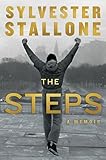
Stallone’s memoir and interviews are relevant as his account of his life, not as independent corroboration of the controversies above. In September 2026, the Associated Press reported on his memoir, Steps, and quoted him reconsidering the underdog narrative: “Yeah. Come on. I am a lucky dog.” The exchange concerned his success and how he now describes it, rather than the disputed incidents.
In an October 5, 2026 interview, EL PAÍS described the memoir as organized around five pivotal moments and reported Stallone’s recollections about childhood, career disappointment, and changed views. AP also reported his past description of Donald Trump as “the second George Washington” and later breaks with conservative positions. These are attributed accounts and political statements; they do not verify claims about other events.
What’s actually slowing this PC down?
Pick the symptom - the matching free tool is one click away.
The career context behind the headline
Stallone wrote the screenplay for Rocky and played its title character. His official biography says the film won the 1976 Best Picture Oscar. That career milestone does not resolve the controversies, but it is relevant context: a fair account should neither treat the allegations as findings nor reduce his public history to them.
Quick Recap
How to read claims about public figures
- Identify the source type: a contemporaneous news report, complaint, court ruling, and first-person interview establish different things.
- Keep allegations attributed: name who made a claim and include a material denial or procedural outcome when reported.
- Use precise legal language: a review is not a filed charge; a decision not to charge is not a judicial finding that an allegation was false.
- Separate recollection from corroboration: a memoir can document what its author says about their life, but it does not independently establish a disputed event.
Product prices and availability are accurate as of the date/time indicated and are subject to change. Any price and availability information displayed on Amazon at the time of purchase will apply.




