The easy assumption going into Sydney Sweeney’s latest R-rated thriller was that it would be all heat and no substance. Between the provocative marketing, the salacious premise, and Sweeney’s tabloid-friendly stardom, the film was widely written off as another disposable “watch it for her” entry destined for Rotten Tomatoes purgatory. Instead, it landed with a critics’ score hovering comfortably above expectations, instantly reframing the conversation from guilty pleasure to legitimate genre entry.
What critics responded to wasn’t the shock value they were bracing for, but the control behind it. Reviews consistently note that the film understands exactly how to weaponize discomfort, leaning into its erotic and violent elements without letting them devolve into empty provocation. Several top critics praised its slow-burn tension, disciplined direction, and an atmosphere that feels closer to prestige horror-thrillers than grindhouse exploitation, a tonal balance few expected given the marketing.

Most surprising of all is how often Sweeney herself is singled out as the film’s anchor rather than its distraction. While some criticism remains about uneven pacing and a third act that doesn’t fully capitalize on its ideas, the prevailing takeaway is that this is a smarter, more self-aware movie than its reputation suggested. That unexpected Rotten Tomatoes score isn’t just a statistical anomaly; it’s a signal that Sweeney’s career pivot toward darker, riskier material is resonating with critics who were ready to roll their eyes and ended up leaning forward instead.
Breaking Down the Rotten Tomatoes Score: What the Numbers Actually Say
The headline number is doing a lot of work here, but it’s worth unpacking what that Rotten Tomatoes score actually represents. Sitting comfortably in the “fresh” range, the film didn’t just squeak by on a handful of contrarian takes. It earned a broadly positive consensus from critics who typically bristle at erotic thrillers marketed on sex appeal alone.
The Tool Desk
Outbyte Driver Updater FREEFix the driver behind crashes, sound loss and screen glitchesFind Drivers →Outbyte PC Repair FREEClear out junk files and repair common Windows errorsFree Scan →#1 Best Overall
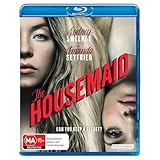
- Sydney Sweeney, Amanda Seyfried, Paul Feig
Why “Fresh” Matters More Than the Exact Percentage
Rotten Tomatoes isn’t a measure of how much critics loved a movie, but how many found it worthwhile. In this case, a solid majority of reviews landed on the positive side, even when individual critiques were measured or cautious. That’s significant for a genre entry that many expected to be critically radioactive from the jump.
What’s especially telling is that the score held steady after the initial review wave. Instead of collapsing once more traditional or prestige-leaning critics weighed in, the film maintained its footing. That kind of stability suggests the early praise wasn’t driven by novelty or hype, but by genuine appreciation for its execution.
Critics vs. Audience: A Rare Alignment
Equally surprising is how closely the audience score tracks with critical reception. R-rated thrillers often suffer from a disconnect, either embraced by viewers and dismissed by critics or vice versa. Here, both groups seem to agree on the fundamentals: the film is tense, stylish, and far more controlled than its marketing implies.
Audience reactions tend to highlight the same elements critics praised, particularly the atmosphere and Sweeney’s performance. Complaints about pacing or narrative restraint pop up on both sides, but they’re framed more as missed opportunities than fatal flaws. That shared language is rare and speaks to the film’s clarity of purpose.
What’s actually slowing this PC down?
Pick the symptom - the matching free tool is one click away.
Recurring Praise and the Limits of the Love
Scroll through the reviews and patterns emerge quickly. Critics repeatedly cite the film’s command of tone, its willingness to sit in discomfort, and its refusal to cheapen its eroticism for easy thrills. Sweeney’s work is described less as provocative and more as controlled, with several critics noting how she carries long stretches of tension without dialogue or spectacle.
The criticism, however, is just as consistent. Some reviews point to a third act that plays it a bit too safe, while others argue the film flirts with deeper themes it never fully explores. These notes keep the score from climbing into breakout territory, but they also underline how close the film comes to being something even more daring.
What This Score Signals for the Film and Sweeney
In practical terms, a strong Rotten Tomatoes showing gives the movie legitimacy beyond its shock-value appeal. It positions the film as a serious genre offering rather than a disposable curiosity, which matters for word-of-mouth and long-term streaming life. For Sydney Sweeney, the implications are even bigger.
This reception reframes her pivot into darker, riskier material as a calculated evolution rather than a publicity stunt. Critics responding to her restraint instead of her image is a meaningful shift, and the Rotten Tomatoes score captures that change in real time. It’s not just a win for this film, but a signal that Sweeney’s post-breakout career is being shaped by intention, not impulse.
Crashes, No Sound, or Screen Glitches?
Random freezes, missing sound and display glitches usually trace back to one bad driver. Find and replace yours safely.Free scan · under a minuteWindows Errors? Fix Them Before They Spread
Repair common Windows errors and clear accumulated junk for a smoother, more stable PC - no reinstall needed.Free scan · no reinstallWhere the Praise Is Coming From: Performances, Tone, and Unexpected Restraint
What’s quietly driving the film’s Rotten Tomatoes strength isn’t shock value, but craft. Critics who went in expecting something lurid or aggressively provocative found a thriller that’s far more disciplined than advertised, anchored by performances and tonal control rather than excess. That gap between expectation and execution is where much of the goodwill is coming from.
Sydney Sweeney’s Most Controlled Performance Yet
Reviewers are nearly unanimous that Sydney Sweeney is the film’s stabilizing force. Instead of leaning into overt sexuality or melodrama, she plays the role with a measured stillness that lets tension accumulate slowly. Several critics point out how often the camera stays on her face, trusting micro-expressions and silence to do the heavy lifting.
This restraint has been repeatedly framed as a maturation moment for Sweeney. It’s less about proving range through volume and more about confidence in minimalism, a quality critics tend to reward. The performance invites attention without demanding it, which helps the film maintain credibility even when the material flirts with exploitation.
A Thriller That Understands Mood Over Momentum
Another frequent point of praise centers on the film’s command of tone. The direction favors atmosphere over constant escalation, allowing scenes to breathe and discomfort to linger. Critics describe the pacing as deliberate rather than sluggish, a distinction that signals intention instead of indulgence.
Do these 3 things before closing this tab:
1Repair Windows errors before they cause bigger problems2Fix the driver behind crashes, sound loss and screen glitches3Clear out junk files and repair common Windows errorsThat tonal discipline is especially notable in a genre where escalation is often mistaken for tension. By resisting the urge to overcut or overscore its suspense, the film creates a more immersive experience. It’s a choice that won’t satisfy every viewer, but it’s one that critics consistently respect.
Rank #2
The Surprise Factor: Knowing When Not to Go Further
Perhaps the most unexpected source of praise is what the film chooses not to do. Despite its R-rating and provocative marketing, the thriller frequently pulls back instead of pushing limits for their own sake. Reviewers highlight how eroticism is suggested rather than exploited, and violence is framed with consequence instead of spectacle.
This restraint is what allows the film to land as serious rather than sensational. While some critics argue that this caution keeps it from becoming truly transgressive, many see it as the reason the movie works at all. In a crowded landscape of attention-seeking thrillers, its self-control reads as confidence, and that’s a quality Rotten Tomatoes tends to reward.
Sydney Sweeney’s Star Turn: From Internet Fixation to Critical Credibility
For years, Sydney Sweeney’s online visibility has been both a rocket booster and a distraction. Internet fixation often flattened her into a headline or a meme, overshadowing the steady, sometimes daring choices she was making on screen. This thriller feels like a recalibration, forcing the conversation back to performance rather than persona.
Free tools Windows power users keep installed
One-click scans. No signup required.
Critics have been notably consistent in how they describe her work here: controlled, grounded, and deliberately unflashy. The film doesn’t ask her to dominate scenes through spectacle, but to anchor them through presence. That approach has shifted the critical narrative, reframing Sweeney less as a cultural fixation and more as a dependable dramatic lead.
Why Critics Are Taking Her Seriously This Time
A recurring theme across reviews is how effectively Sweeney resists the obvious choices. Instead of leaning into the film’s erotic or violent edges, she plays against them, letting vulnerability and calculation coexist. That tension gives the character weight, and critics respond to the intelligence behind the restraint.
Several reviews point out that the performance works precisely because it refuses to explain itself. Sweeney allows ambiguity to linger, trusting the audience to meet her halfway. It’s a subtle gamble, but one that signals growing confidence and craft, especially in a genre that rarely rewards understatement.
The Rotten Tomatoes Effect on Her Career Trajectory
The surprisingly strong Rotten Tomatoes score has amplified this shift in perception. Rather than being treated as a guilty-pleasure thriller buoyed by star power, the film is now framed as a credible genre entry elevated by its lead. That critical validation carries weight, particularly for an actor navigating the jump from buzz-heavy projects to longevity.
What matters most is that the praise isn’t qualified or backhanded. Reviewers aren’t saying the film works despite Sweeney; they’re saying it works because of her. In an industry quick to box young stars into narrow lanes, this reception suggests she’s actively widening her own.
Beyond Hype, Toward Staying Power
This moment feels less like a breakout and more like a course correction. The performance aligns with a broader trend in Sweeney’s recent choices, favoring psychological complexity over surface provocation. Critics are responding not just to the role, but to the intention behind it.
If the film’s critical performance is any indication, audiences may start approaching her projects with different expectations. Less curiosity-driven clicks, more genuine interest in what she’s doing as an actor. That shift, more than any single score, may be the most important outcome of this thriller’s unexpected critical success.
The Divisive Elements: Violence, Eroticism, and Why Some Critics Still Pushed Back
For all the praise surrounding the film’s craft and Sweeney’s performance, the R-rating isn’t window dressing. The thriller leans hard into physical brutality and sexual tension, and for some critics, that excess proved impossible to ignore. Even those who admired its ambition questioned whether the film always earned its most extreme moments.
Quick wins for a faster PC:
Clear out junk files and repair common Windows errorsFree Scan →Scan for outdated or missing drivers - takes under a minuteDriver Scan →Repair Windows errors before they cause bigger problemsFix Now →Violence as Atmosphere, Not Shock
Supportive reviews often describe the violence as deliberately suffocating rather than sensational. The film uses bloodshed to reinforce paranoia and emotional collapse, not to chase cheap adrenaline. That restraint is part of why it landed better than expected with critics who are typically wary of grindhouse tendencies.
Still, detractors argued the violence occasionally tips from purposeful to punishing. A handful of reviews note that the film’s final act, in particular, escalates so aggressively that it risks alienating viewers who were invested in its psychological slow burn. For those critics, the brutality felt less like storytelling and more like provocation.
Rank #3

- Blu-ray Movies, Blu-ray TV Shows
Eroticism That Walks a Fine Line
The erotic elements proved even more polarizing. Some critics praised the film for treating sexuality as power, currency, and vulnerability all at once, aligning with Sweeney’s controlled, self-aware performance. In those readings, the eroticism is integral, not decorative, reinforcing themes of manipulation and agency.
Others weren’t convinced. A recurring criticism is that the camera occasionally lingers too long, undercutting the film’s otherwise thoughtful approach. Even sympathetic reviews acknowledged moments where the line between commentary and indulgence becomes uncomfortably thin.
Genre Expectations Versus Critical Standards
Part of the pushback stems from genre bias. Erotic thrillers have historically struggled to earn critical goodwill, often dismissed as relics or exploitative by default. Some negative reviews seem less about this specific film’s execution and more about resistance to the genre itself.
That tension helps explain the split reactions embedded within an otherwise strong Rotten Tomatoes score. The film is outperforming expectations because many critics met it on its own terms. The dissenting voices, however, reflect lingering discomfort with stories that blur sex, violence, and prestige in equal measure.
The result is a critical landscape where admiration and unease coexist. That friction may ultimately be part of the film’s appeal, forcing conversations that safer thrillers never spark and reinforcing why this particular R-rated gamble refuses to fade quietly into the background.
How the Thriller Stands Out in an Overcrowded R-Rated Market
In a marketplace saturated with R-rated thrillers chasing shock value, Sydney Sweeney’s latest entry distinguishes itself by aiming higher than mere provocation. Where many recent genre releases lean on algorithm-friendly extremes, this film commits to mood, character psychology, and thematic intent. That focus helps explain why its Rotten Tomatoes score landed higher than early buzz suggested, catching even seasoned industry watchers off guard.
Recommended Free Tools
Rather than trying to outdo its peers in sheer brutality or erotic excess, the film positions those elements as narrative tools. Critics who responded positively frequently noted that the restraint is as important as the intensity, a balance that feels increasingly rare in the current streaming-era arms race for attention.
A Star-Driven Thriller That Resists Feeling Manufactured
One key differentiator is how intentionally the film uses Sweeney’s star persona. Instead of packaging her solely as a marketing hook, the thriller leans into audience expectations and then destabilizes them. Reviews repeatedly cite how the script weaponizes her image, allowing her performance to operate on multiple levels at once.
That strategy separates the film from more disposable R-rated thrillers built around stunt casting. The Rotten Tomatoes consensus suggests critics appreciated that the movie treats Sweeney as a dramatic engine, not just a visual selling point, reinforcing her transition from breakout star to calculated career architect.
Critical Praise Rooted in Craft, Not Just Shock
The surprising Rotten Tomatoes score is largely driven by critics responding to craft over content. Direction, sound design, and pacing come up consistently in positive reviews, with many noting the film’s confidence in letting tension breathe. This emphasis on atmosphere recalls mid-budget thrillers from the 1990s, a comparison that surfaces often in critical write-ups.
That sense of throwback seriousness helps the film stand apart in a field crowded with hyper-stylized, disposable entries. Even critics who balked at certain excesses often acknowledged the technical competence, which helped push reviews into the “fresh” column despite reservations.
Why the Film’s Polarization Actually Works in Its Favor
Interestingly, the same elements that fueled criticism also amplified the film’s visibility. In an era where many R-rated thrillers arrive and vanish with little conversation, this one sparked debate. That discourse appears to have benefited its Rotten Tomatoes performance, as critics engaged more deeply with its intentions rather than dismissing it outright.
For Sweeney, this reception signals a pivotal moment. The film’s ability to outperform expectations suggests that audiences and critics alike are increasingly open to seeing her take calculated risks. In a crowded market defined by sameness, that willingness to provoke thoughtfully may be the most distinguishing feature of all.
Rank #4

- ✯ A PRESENT THEY'LL ACTUALLY LOVE - Be a legend with this signed printed photo of one of movie greats, Sydney Sweeney. A starstruck present for them and top present-giving points to you!
- ✯ YOU WON'T FIND A BETTER PRODUCT FOR THE PRICE - Just like the real thing but without the cost, Fans and collectors of any age will be delighted to receive this authentic-looking display that makes for a unique addition to their collectors' memorabilia
- ✯ ARRIVES READY TO GIVE AS A PRESENT - Our US Letter size (8.5" x 11") prints come unframed on a sleek black matt mount display. Lightweight, but of the highest quality - Simply perfect for a birthday, Christmas, or any kind of celebration!
- ✯ QUALITY ALL THE WAY - Professionally made and finished in our studio, these displays are quality checked and parcelled up with care using robust packing materials to ensure they arrive in mint condition
Audience vs. Critics: Is This a Crowd-Pleaser or a Critics’ Darling?
What makes the film’s Rotten Tomatoes performance especially intriguing is how closely the audience conversation tracks alongside the critical one. This isn’t a case of critics embracing something viewers reject, nor is it a pure crowd-pleaser skating by on star power. Instead, the response suggests a rare overlap where both camps are engaging with the movie for different, but complementary, reasons.
Why Audiences Are Leaning In
Audience reactions skew toward the film’s tension and unpredictability rather than its provocation alone. Viewer feedback frequently highlights how the story keeps recalibrating expectations, delivering enough narrative turns to justify its runtime and rating. For casual moviegoers, that sense of momentum matters more than thematic nuance, and the film largely delivers on that front.
Sweeney’s performance also plays differently with general audiences than it does with critics. Where critics dissect the meta-layer of her casting, viewers tend to respond more viscerally, praising her intensity and commitment. That accessibility helps explain why the film hasn’t collapsed into the kind of audience backlash that often dogs R-rated thrillers marketed on allure.
Where Critics and Viewers Part Ways
The clearest divide emerges around the film’s restraint. Critics largely applaud its refusal to over-explain, while some audience members express frustration with its ambiguity and deliberate pacing. Those complaints aren’t deal-breakers, but they signal that the movie demands more patience than the average Friday-night thriller.
Still, that friction hasn’t translated into outright rejection. Instead, it positions the film as something slightly elevated without becoming alienating, a balance that’s notoriously difficult to strike. The result is a reception that feels measured rather than polarized, which is precisely why its Rotten Tomatoes standing has held firm.
Recommended Free Tools
A Hybrid Hit in an Unforgiving Genre
Ultimately, the film lands somewhere between a critics’ darling and a crowd-pleaser, borrowing credibility from both camps. That hybrid status is significant for Sweeney’s career trajectory. It suggests she’s not just drawing audiences in, but keeping them engaged with material that asks more than passive consumption.
For a genre that often lives or dies on opening-week buzz, this kind of sustained, cross-demographic interest is telling. It reinforces the idea that the film’s success isn’t a fluke, but the result of deliberate creative choices aligning at the right moment, both for the thriller itself and for the evolving perception of its star.
What This Reception Means for the Film’s Longevity — and Sweeney’s Career Trajectory
The most telling aspect of the film’s reception isn’t just the Rotten Tomatoes score itself, but how stable it’s been. R-rated thrillers often spike early and then tumble as word-of-mouth catches up. Here, the conversation has cooled into something steadier, suggesting the movie is finding an audience beyond its opening-week curiosity factor.
That kind of durability matters. It points to a film that can sustain interest through repeat viewings, late adopters, and the inevitable streaming debut, where adult thrillers often find their second life.
Quick wins for a faster PC:
Fix the driver behind crashes, sound loss and screen glitchesFind Drivers →Repair Windows errors before they cause bigger problemsFix Now →Scan for outdated or missing drivers - takes under a minuteDriver Scan →A Thriller Built to Age Well
Because the movie isn’t reliant solely on shock value or twist inflation, its appeal doesn’t evaporate once spoilers circulate. The restrained approach that divided some viewers is precisely what gives it replay value, encouraging discussion rather than closure. In the current market, that’s a quiet advantage.
The Rotten Tomatoes reception reflects that balance. Critics consistently highlight its confidence and tonal control, even when they note its emotional distance. That combination tends to favor longevity over instant gratification.
From Pop Culture Fixation to Strategic Star Power
For Sydney Sweeney, this response marks another step in a carefully evolving career. She’s already proven her box-office pull and cultural visibility, but this film reinforces her credibility as someone willing to anchor riskier material. The fact that critics are engaging with her performance on craft rather than novelty signals a shift in how she’s being framed.
It also helps that the film doesn’t feel like a detour. Instead, it positions Sweeney as an actor actively shaping her trajectory, gravitating toward projects that complicate her image rather than cash in on it.
Do these 3 things before closing this tab:
1Clear out junk files and repair common Windows errors2Scan for outdated or missing drivers - takes under a minute3Repair Windows errors before they cause bigger problemsWhy This Moment Feels Pivotal
In an industry quick to flatten rising stars into marketable templates, this reception suggests Sweeney is resisting that gravitational pull. A solid Rotten Tomatoes score on an R-rated thriller isn’t just a win for this film, it’s leverage for the next one. It expands the range of projects she can credibly lead.
The takeaway is clear. The movie’s success isn’t loud, but it’s meaningful, and the same can be said for Sweeney’s ascent. If this is what her risk-taking phase looks like, both her filmography and her longevity are in far stronger shape than the hype alone would suggest.
Quick Recap
Product prices and availability are accurate as of the date/time indicated and are subject to change. Any price and availability information displayed on Amazon at the time of purchase will apply.




