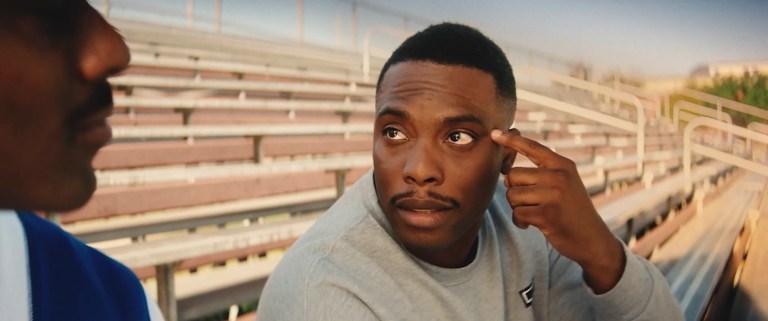
From its opening moments, Song Sung Blue announces itself as a lament disguised as a love story, one carried on familiar melodies and bruised emotions. The film leans into the ache behind its music, using song not as escapist uplift but as a confessional language for characters already aware of how fragile happiness can be. There’s a quiet confidence in how the story lets melancholy linger, trusting the audience to sit with the discomfort rather than rush toward catharsis.
Set against a working-class backdrop where dreams are measured in barroom applause and half-forgotten records, the film frames music as both salvation and slow poison. Each performance feels tethered to personal history, turning lyrics into emotional landmines that reveal regret, longing, and unresolved grief. This is not a glossy jukebox musical but a drama that understands how deeply songs can wound when they mirror real lives too closely.
| # | Preview | Product | Price | |
|---|---|---|---|---|
| 1 |

|
Song Sung Blue (2025) - Collector's Edition Blu-ray + Digital | $11.99 | Buy on Amazon |
| 2 |
![Song Sung Blue [Blu-ray]](https://m.media-amazon.com/images/I/51EBb3nTKIL._SL160_.jpg)
|
Song Sung Blue [Blu-ray] | $31.99 | Buy on Amazon |
| 3 |
|
Song Sung Blue Blu-ray | Hugh Jackman, Kate Hudson | Region Free | $30.22 | Buy on Amazon |
| 4 |

|
Red River Blue | $8.97 | Buy on Amazon |
| 5 |
|
Song Sung Blue Logo T-Shirt | $19.99 | Buy on Amazon |
Hugh Jackman and Kate Hudson enter this world with an ease that immediately grounds the film, their chemistry rooted less in romantic fantasy than shared emotional exhaustion. The tragedy at the heart of Song Sung Blue is never shouted; it hums beneath the surface, carried by glances, unfinished verses, and the weight of what these characters know is slipping away. In setting this tone early, the film makes a clear promise: the music will soar, but it will never let the audience forget the cost of singing through heartbreak.
Hugh Jackman’s Raw, Soul-Baring Turn: Performance as Emotional Conduit
Hugh Jackman approaches Song Sung Blue with a startling lack of vanity, stripping away the performative polish audiences often associate with his musical roles. His character feels lived-in from the first scene, carrying disappointment in his posture and a lifetime of compromises in his eyes. Rather than chasing grand emotional peaks, Jackman lets the pain register in smaller, more devastating ways.
Free tools Windows power users keep installed
One-click scans. No signup required.
#1 Best Overall
A Performance Built on Wear and Weathering
There is a physical heaviness to Jackman’s work here that speaks volumes before a single note is sung. He moves like someone who has spent years bracing for letdowns, shoulders slightly hunched, gestures economical and guarded. The body language becomes its own narrative, quietly charting how hope has been rationed over time.
When the camera lingers on his face during moments of silence, Jackman allows discomfort to breathe. He resists the instinct to explain his character’s sadness, trusting stillness and restraint to communicate emotional truth. It’s a confident choice that deepens the film’s sense of authenticity.
Singing as Confession, Not Performance
Jackman’s vocal work is deliberately unvarnished, favoring emotional clarity over technical showmanship. His voice cracks at strategic moments, not for effect, but because the character is singing from a place of unresolved grief. Each song feels less like a set piece and more like an admission he can no longer keep buried.
The film’s musical numbers become emotional checkpoints, and Jackman treats them as such. He sings as if the lyrics are being discovered in real time, allowing hesitation and fragility to shape each performance. The result is music that feels painfully intimate, as though the audience has wandered into a private reckoning.
Generosity in Shared Scenes
What makes Jackman’s turn especially effective is how openly he plays off Kate Hudson, never dominating a scene even when the emotional spotlight tilts his way. He listens with intention, reacting rather than projecting, which gives their shared moments a lived-in credibility. Their chemistry emerges not from overt romantic gestures but from mutual recognition of emotional damage.
Jackman’s performance ultimately functions as the film’s emotional conduit, translating the story’s quiet despair into something tactile and resonant. He doesn’t ask for sympathy or admiration, only understanding. In doing so, he anchors Song Sung Blue with a portrayal that lingers long after the final chord fades.
Kate Hudson’s Quiet Power: Vulnerability, Restraint, and Resonance
If Jackman provides the film’s emotional gravity, Kate Hudson supplies its emotional permeability. Her performance operates in softer registers, but its impact is no less profound, shaping the film’s tone through careful restraint rather than overt dramatics. Hudson understands that Song Sung Blue lives in the spaces between expression, and she builds her character around what remains unsaid.
Where Jackman’s sadness feels worn into the body, Hudson’s pain surfaces as a kind of practiced composure. She plays a woman who has learned how to function around disappointment, smiling when necessary, retreating when honesty feels too dangerous. That quiet calibration gives the character an authenticity that resonates long after individual scenes end.
PC Slower Than It Used to Be?
A free scan shows the junk files, broken settings and background clutter dragging Windows down - then fixes them in one click.Free scan · Windows 10 & 11Crashes, No Sound, or Screen Glitches?
Random freezes, missing sound and display glitches usually trace back to one bad driver. Find and replace yours safely.Free scan · under a minuteA Performance Built on Listening
One of Hudson’s greatest strengths here is her attentiveness. She reacts with precision, often allowing Jackman’s character to occupy the emotional foreground while she subtly adjusts her posture, gaze, or breathing to reflect internal shifts. These choices prevent the performance from slipping into passivity; instead, they suggest someone constantly negotiating how much of herself she can safely reveal.
Rank #2
- Blu-ray
Her silences are particularly expressive. Hudson resists the temptation to fill emotional gaps with dialogue, trusting the camera to capture hesitation, doubt, and longing in real time. In a film so deeply invested in emotional honesty, that restraint becomes a form of courage.
Singing as Emotional Exposure
Hudson’s musical moments mirror this philosophy. Rather than pushing for vocal dominance, she sings with a conversational intimacy that prioritizes feeling over flourish. Her voice carries a gentle fragility, suggesting a character who sings not to impress, but to articulate emotions she can’t otherwise name.
There’s a tentative quality to her phrasing that feels intentional, even revelatory. Each song becomes an act of emotional risk, underscoring the film’s belief that music is less about performance than survival. In duet sequences with Jackman, her restraint creates a poignant counterbalance to his rawness, allowing the music to function as dialogue rather than spectacle.
What’s actually slowing this PC down?
Pick the symptom - the matching free tool is one click away.
Chemistry Rooted in Mutual Recognition
Hudson’s chemistry with Jackman is defined by recognition rather than romance. They play two people who see each other clearly, flaws included, and choose connection anyway. Hudson grounds those moments with a natural ease that prevents the relationship from feeling idealized or artificially heightened.
She brings warmth without sentimentality, tenderness without illusion. It’s a performance that doesn’t announce its power, but accumulates it quietly, scene by scene. By the time the film reaches its emotional crescendos, Hudson’s work has already done its most important job: making the tragedy feel personal, lived-in, and uncomfortably real.
When Voices Collide: Jackman and Hudson’s Electric On-Screen Chemistry
What ultimately gives Song Sung Blue its emotional voltage is the way Hugh Jackman and Kate Hudson meet each other in the same cinematic space. Their chemistry isn’t engineered through grand romantic gestures or heightened melodrama, but through attentive listening, shared vulnerability, and an unspoken understanding that feels earned rather than scripted. The film becomes most alive when it allows them to simply react to one another.
Jackman’s intensity, already well established in earlier scenes, finds a surprising softness when paired with Hudson’s restraint. He doesn’t overpower her presence; instead, he calibrates his performance to match her emotional frequency. That adjustment creates a dynamic where each glance, pause, or unfinished thought carries weight, making their connection feel intimate without being insular.
The Tool Desk
Outbyte PC Repair FREEClear out junk files and repair common Windows errorsFree Scan →Outbyte Driver Updater FREEFix the driver behind crashes, sound loss and screen glitchesFind Drivers →A Duet of Contrasts
The contrast between their performance styles is the engine of their chemistry. Jackman plays outwardly, his emotions often threatening to spill over, while Hudson pulls inward, letting meaning surface gradually. When these approaches collide, the friction generates authenticity rather than imbalance.
In their shared musical numbers, this contrast becomes especially potent. Jackman’s voice carries urgency and strain, as if each note is a confession, while Hudson’s softer delivery grounds the moment in vulnerability. The result is a duet structure that feels less like harmony and more like conversation, two emotional truths running alongside each other without needing to resolve.
Rank #3
- Hugh Jackman, Kate Hudson, Craig Brewer
Connection Without Idealization
Crucially, the film resists turning their bond into something aspirational or neatly romantic. Jackman and Hudson play characters aware of each other’s limitations, and the chemistry thrives because of that awareness, not in spite of it. There’s a lived-in quality to their interactions that suggests history, even when the script leaves details unsaid.
This refusal to idealize the relationship strengthens the tragedy at the heart of the film. Their connection feels fragile, contingent, and therefore deeply human. When the story asks the audience to feel the weight of what’s at stake, it’s their shared authenticity that makes the loss resonate rather than overwhelm.
When Performance Becomes Trust
The most compelling aspect of their chemistry is the sense of trust underlying every scene. Jackman allows moments of emotional exposure that would feel excessive without a scene partner capable of meeting them honestly. Hudson, in turn, lets herself be seen without defensiveness, even when the camera lingers uncomfortably close.
Together, they create a performance rhythm that feels responsive rather than rehearsed. It’s the kind of chemistry that doesn’t demand attention but rewards it, inviting the audience to lean in rather than be swept along. In a film built on emotional risk, that shared willingness to be unguarded becomes its most convincing and affecting strength.
The Music as Narrative Engine: How Songs Carry Grief, Memory, and Meaning
Rather than interrupting the drama, the music in Song Sung Blue functions as its primary storytelling language. Each song arrives at moments where dialogue would feel insufficient, allowing emotion to surface through melody, phrasing, and silence between notes. The film understands that grief often resists articulation, and it lets the music speak where words fail.
What’s striking is how little the songs aim to impress on a technical level. They’re written and staged to feel exposed, sometimes even unfinished, mirroring the emotional states of the characters performing them. That restraint keeps the musical elements grounded, ensuring they deepen the narrative instead of distracting from it.
Songs as Emotional Memory
Several key numbers operate less as present-tense performances and more as emotional flashpoints, carrying the weight of past choices and unresolved loss. Lyrics echo earlier conversations, reframing them through regret or longing, while familiar melodies resurface with altered emotional context. The effect is cumulative, rewarding attentive viewers who recognize how meaning shifts over time.
Jackman, in particular, uses repetition as a dramatic tool, returning to certain musical phrases with increasing strain. What once sounded hopeful becomes brittle, then mournful, charting an internal descent without the film needing to underline it narratively. Hudson’s contributions counterbalance this by feeling like acts of preservation, songs sung not to move forward but to hold onto what remains.
Performance-Driven Musical Storytelling
The film’s most effective musical moments are inseparable from performance. Jackman sings with a rawness that borders on self-indictment, his voice cracking at points that feel intentionally unpolished. Hudson’s approach is quieter, more controlled, but no less powerful, using restraint to convey the cost of emotional survival.
Rank #4
- Reigning CMA Male Vocalist of the Year, Blake Shelton will release his ninth album entitled, Red River Blue on July 12. Produced by multi-award winner, Scott Hendricks the forthcoming album includes Shelton's fastest rising single-to-date, "Honey Bee." Less than seven weeks since its debut, the up-beat, feel-good summer tune is already in the Top 10 on the Billboard and Mediabase charts. During its first week the single sold over 138,000 digital singles, a feat unmatched by any country male soloist. Shelton is currently one of the musician coaches on NBC's "The Voice" along with superstars Christina Aguilera, Cee Lo Green and Adam Levine.
Their duets avoid traditional musical catharsis. Instead of building toward release, they often end unresolved, fading out or breaking off at emotionally awkward moments. This choice reinforces the film’s thematic refusal to offer easy closure, reminding the audience that grief rarely resolves cleanly.
Recommended Free Tools
When Music Risks Overreach
Not every musical choice lands with equal precision. There are moments where the film leans too heavily on a song to carry emotional weight that the preceding scene hasn’t fully earned. In these instances, the music feels like it’s compensating rather than complementing, briefly disrupting the otherwise careful balance.
Still, these missteps are relatively minor within a framework that largely understands its own limits. Song Sung Blue succeeds because it treats music not as spectacle, but as emotional architecture. The songs don’t just underscore the tragedy; they actively shape how it’s remembered, felt, and ultimately understood.
Independent reader supportYour contribution helps us test, update, and keep practical guides available for everyone.Direction, Pacing, and Visual Mood: Crafting Intimacy Without Sentimentality
The direction mirrors the film’s musical philosophy, favoring restraint over flourish. Rather than chasing emotional peaks, the camera often stays close, allowing performances to breathe without being framed as moments. This approach trusts the audience to lean in, aligning the visual language with the story’s refusal to sensationalize grief.
A Director’s Trust in Stillness
Extended takes and minimal coverage dominate the film’s most devastating scenes. The director resists cutting away at moments of discomfort, letting silence linger just long enough to become expressive rather than awkward. It’s a choice that deepens intimacy, especially in scenes where Jackman and Hudson share the frame but not necessarily the same emotional space.
Do these 3 things before closing this tab:
1Repair Windows errors before they cause bigger problems2Fix the driver behind crashes, sound loss and screen glitches3Clear out junk files and repair common Windows errorsPacing follows a similar philosophy. The film moves deliberately, sometimes risking patience, but the measured tempo reinforces the sense of time stretching under emotional weight. Rather than escalating toward obvious turning points, the narrative drifts, mimicking how loss often erodes momentum rather than redefining it.
Muted Visuals, Emotional Precision
Visually, Song Sung Blue embraces a subdued palette that borders on austere. Natural light dominates interiors, often flattening shadows instead of romanticizing them, while exteriors feel overcast even in daylight. The effect is not bleakness for its own sake, but a visual neutrality that prevents the film from tipping into melodrama.
Production design and costuming quietly support this mood. Characters rarely appear visually transformed across the story, reinforcing the idea that internal shifts aren’t always reflected externally. When visual changes do occur, they’re subtle enough to register emotionally before they do intellectually.
Where Restraint Becomes a Risk
At times, the commitment to understatement edges toward emotional distance. Certain transitional scenes feel more functional than felt, as if the film is so wary of manipulation that it withholds texture. These moments don’t derail the experience, but they briefly interrupt the otherwise immersive emotional flow.
Quick wins for a faster PC:
Clear out junk files and repair common Windows errorsFree Scan →Scan for outdated or missing drivers - takes under a minuteDriver Scan →Best Value
- This Song Sung Blue logo features an old-school vintage font with timeless character. “Song” and “Sung” stand out in bold red, while “Blue” is rendered in rich blue, creating a classic color contrast with nostalgic appeal.
- Officially licensed Song Sung Blue design; Song Sung Blue logo; vintage style logo; retro typography; classic music inspired design; unisex graphic tee; timeless apparel; gift for music lovers
- Lightweight, Classic fit, Double-needle sleeve and bottom hem
Still, the overall direction demonstrates a clear understanding of tone. By prioritizing performance, pacing, and visual consistency over dramatic punctuation, Song Sung Blue crafts an atmosphere that feels honest rather than orchestrated. The result is a film that invites connection without demanding it, allowing its tragedy to resonate through accumulation rather than insistence.
Where the Film Stumbles: Emotional Excesses and Structural Missteps
For all its careful restraint, Song Sung Blue occasionally overcorrects in ways that blunt its emotional clarity. The film’s devotion to mood sometimes supersedes narrative momentum, resulting in stretches where scenes accumulate without clearly deepening character or advancing tension. What initially feels meditative can, in isolated passages, drift toward inertia.
When Subtlety Turns Repetitive
The script leans heavily on emotional withholding, but not every moment earns that silence. Several exchanges between Jackman and Hudson circle the same unresolved beats, reiterating pain rather than reframing it. Their performances remain compelling, yet the repetition risks diminishing the impact of what should feel like emotional escalation.
Musical Interludes That Strain the Balance
While the musical elements are integral to the film’s identity, they aren’t always seamlessly integrated into the dramatic arc. A few song-driven sequences arrive with thematic intent but uneven placement, interrupting rather than enhancing the emotional rhythm. Instead of acting as catharsis, these moments occasionally feel like pauses in the narrative flow, asking the audience to admire rather than feel.
Structural Drift in the Final Act
The film’s loose structure, effective early on, becomes more problematic as it approaches its conclusion. Without a clearly articulated emotional pivot, the final act meanders, relying on atmosphere to do the work of resolution. The ending isn’t unearned, but it arrives more through emotional exhaustion than narrative inevitability, leaving the tragedy resonant yet slightly diffuse.
The Last Note Lingers: Emotional Impact, Awards Potential, and Final Verdict
Even with its imperfections, Song Sung Blue leaves a residue that’s difficult to shake. The film’s power doesn’t arrive in a single crescendo, but in the way its sadness quietly settles, lingering long after the final frame. It’s a work that understands grief not as a plot point, but as a lived condition, something that hums beneath every conversation, every unfinished song.
Performances That Carry the Weight
Hugh Jackman delivers one of his most inward performances in years, stripping away showmanship in favor of vulnerability that feels almost exposed. His physical restraint and vocal fragility give the musical moments an aching intimacy, as if each note costs something personal. Kate Hudson, meanwhile, offers a career-best turn defined by emotional precision, grounding the film with a performance that balances warmth, regret, and quiet resolve.
Together, their chemistry becomes the film’s emotional spine. They share a lived-in rapport that makes even their silences feel communicative, allowing the relationship to feel textured rather than idealized. When the film falters structurally, it’s their connection that keeps the emotional stakes intact.
Recommended Free Tools
Music as Memory, Not Spectacle
While the musical elements occasionally disrupt the narrative flow, their cumulative effect is undeniable. The songs function less as performance pieces and more as emotional memory, echoing the characters’ pasts and unrealized futures. By the end, the music no longer feels like an interruption, but a shared language of loss that words can’t fully capture.
This approach won’t satisfy viewers looking for traditional musical catharsis, but it reinforces the film’s commitment to emotional honesty. Song Sung Blue isn’t interested in applause; it’s interested in resonance.
Awards Prospects and Lasting Impressions
From an awards perspective, the film’s prospects rest largely on its performances. Jackman feels particularly well-positioned for serious awards consideration, with Hudson not far behind, especially among critics’ circles that value subtlety over showiness. The film itself may struggle in major Best Picture conversations due to its structural looseness, but it stands a strong chance of being recognized for acting, music, and possibly original song.
Ultimately, Song Sung Blue is a film that asks for patience and emotional openness. Its narrative may drift, and its restraint may occasionally test endurance, but its sincerity is never in doubt. For viewers willing to meet it on its own terms, the film offers a deeply felt, performance-driven meditation on love, loss, and the melodies we carry long after the music fades.
What’s actually slowing this PC down?
Pick the symptom - the matching free tool is one click away.
Quick Recap
Product prices and availability are accurate as of the date/time indicated and are subject to change. Any price and availability information displayed on Amazon at the time of purchase will apply.