The White Lotus has reached that rare pop‑culture altitude where its mood is as recognizable as its plot. The show’s hushed menace, weaponized wealth, and painfully specific brand of vacation malaise have seeped into the collective consciousness, making it instantly legible even in parody. When a series becomes shorthand for “prestige TV anxiety,” Saturday Night Live can’t resist poking at the bubble.
Timing matters, and right now the White Lotus formula is especially primed for satire. Its third season-era aura of self‑importance, whispered monologues, and luxuriant discomfort offers SNL a rich target, one that skewers not just the show but the audience trained to treat every ominous pause like a thesis statement. Add in surprise guest appearances who effortlessly slip into the Lotus universe, and the sketch becomes a meta-joke about how celebrity itself now feels native to prestige television.


The parody works because SNL doesn’t just mock the aesthetics; it understands the culture surrounding them. By exaggerating the show’s glacial pacing, elliptical dialogue, and obsession with status, the sketch becomes commentary on how “serious” TV is consumed and discussed online. It’s funny because it’s accurate, and it lands because The White Lotus has become less a series than a shared language for modern TV obsession.
Rebuilding the Resort: How SNL Nailed the Look, Tone, and Musical Language of ‘The White Lotus’
SNL’s parody succeeds first because it commits fully to the illusion. From the moment the sketch opens, the audience isn’t watching a loose impression; they’re dropped into a meticulously recreated White Lotus-adjacent resort space. The sun-bleached luxury, the symmetrical framing, and the curated emptiness all mirror the HBO series’ visual grammar, where wealth feels sterile and beauty is quietly oppressive.
What’s actually slowing this PC down?
Pick the symptom - the matching free tool is one click away.
#1 Best Overall
The production design leans into that uncanny calm the show does so well. Everything looks expensive, tasteful, and faintly hostile, as if something is already going wrong but no one has admitted it yet. That attention to visual specificity signals that the sketch isn’t rushing to the punchline; it’s letting the discomfort marinate, just like the real thing.
Weaponizing Stillness and Prestige TV Pacing
One of the sharpest choices SNL makes is refusing to speed the sketch up. Characters linger in silence, exchange loaded glances, and deliver dialogue that sounds profound until you realize it’s saying almost nothing. The humor comes from how seriously everyone treats these moments, parodying the way White Lotus trains viewers to read existential dread into every pause.
The performances mirror the show’s trademark emotional opacity. Everyone seems vaguely unhappy, deeply self-aware, and convinced they’re the smartest person in the room. It’s a send-up of prestige TV acting itself, where minimalism becomes a competitive sport and restraint is treated like depth.
The Music as the Real Punchline
No White Lotus parody works without addressing its music, and SNL understands that the score is half the joke. The sketch’s pulsing, ritualistic theme instantly signals the genre, conjuring that familiar sense of doom-meets-vacation that fans now associate with the show. The music doesn’t just underscore scenes; it actively mocks how much emotional weight the original series asks viewers to project onto a beat and a hum.
Do these 3 things before closing this tab:
1Fix the driver behind crashes, sound loss and screen glitches2Clear out junk files and repair common Windows errors3Scan for outdated or missing drivers - takes under a minuteBy exaggerating the cues, SNL exposes how conditioned audiences have become. The moment the music swells, we’re trained to expect betrayal, scandal, or collapse, even if the characters are just standing by a pool. The parody lands because it reveals how much storytelling the soundtrack is doing.
Surprise Guests Who Understand the Assignment
The surprise guest appearances elevate the sketch from clever to culturally sharp. These cameos don’t play against the White Lotus tone; they lean into it, adopting the same aloof detachment and eerie sincerity as the main cast. Watching recognizable faces disappear into the Lotus vibe becomes part of the joke, reinforcing how seamlessly celebrity now blends into prestige TV worlds.
Their presence also comments on how The White Lotus itself has become a magnet for star power and cultural validation. When surprise guests slip into the parody without breaking its rhythm, it underscores how the show’s aesthetic has become a ready-made template for relevance. In that way, the sketch isn’t just mocking the series, but the ecosystem of hype, discourse, and status that surrounds it.
From Subtle Menace to Broad Satire: Translating Prestige-TV Tension into Sketch Comedy
What SNL does best here is take The White Lotus’ slow-burn unease and turn it into something legible within a five-minute format. The original series thrives on patience, letting discomfort accumulate until it becomes unbearable. Sketch comedy doesn’t have that luxury, so the show responds by compressing the tension until it borders on absurdity.
Instead of simmering resentment, characters telegraph their inner darkness immediately. Side-eyes linger too long, polite smiles curdle on cue, and every interaction feels like it’s one line away from a social crime scene. The menace is no longer subtext; it’s the text, written in all caps.
Speed-Running Prestige Anxiety
SNL essentially speed-runs the White Lotus experience. Where the HBO series might take an entire episode to make a dinner conversation uncomfortable, the sketch accomplishes it in seconds. That acceleration is the joke, exposing how formulaic the tension can feel once you strip away the glossy cinematography and episodic sprawl.
By stacking moments of awkwardness back-to-back, the sketch reveals the mechanics behind prestige discomfort. The long pauses, the passive-aggressive phrasing, the sense that everyone is silently ranking each other’s moral worth all become comedic beats. It’s satire through efficiency, not imitation.
When Subtext Becomes the Punchline
The sketch also understands that White Lotus tension often lives in what characters refuse to say. SNL flips that by making the silence itself ridiculous. Characters stare, breathe, and hover in emotionally charged limbo long enough for the audience to recognize how performative that restraint has become.
Rank #2
This is where the parody sharpens into commentary. The joke isn’t just that these people are miserable; it’s that modern prestige TV has trained viewers to equate emotional opacity with importance. By exaggerating that withholding, SNL turns subtext into the loudest punchline in the room.
Why the Satire Lands Instead of Diluting the Source
Crucially, the sketch never treats The White Lotus as disposable or shallow. It assumes the audience knows the rhythms, the stakes, and the cultural weight of the show. That shared fluency allows the comedy to aim higher, poking fun at how seriously we take TV that insists on being felt rather than enjoyed.
The result is satire that works on two levels. It’s funny even if you’ve only absorbed White Lotus through memes and discourse, but it’s especially sharp if you’ve watched every episode, parsing glances like clues. SNL isn’t undermining prestige TV; it’s reminding us how close reverence and ridicule have always been.
The Surprise Guests Explained: Who Appeared, Why It Mattered, and How the Audience Reacted
If the writing did the heavy lifting, the surprise guests were the accelerant. SNL knows that a prestige parody hits harder when the people most associated with the source material briefly step into the joke. The sketch used those appearances sparingly, which is exactly why they landed.
Jennifer Coolidge: The Ghost of White Lotus Past
The most talked-about appearance was Jennifer Coolidge, whose presence immediately rewired the sketch’s energy. Even in a brief role, she carries the emotional residue of The White Lotus with her, turning a simple reaction shot into a meta-commentary on the show’s legacy. Her arrival functioned like a living punchline: the audience didn’t need exposition because her voice and cadence already told the story.
What made it matter wasn’t just recognition, but association. Coolidge represents the moment when The White Lotus crossed from critical darling into cultural obsession. By dropping her into the parody, SNL anchored the sketch in shared memory, not just reference humor.
Aubrey Plaza and the Art of Weaponized Detachment
Aubrey Plaza’s appearance worked for the opposite reason. Where Coolidge evokes heightened emotion, Plaza embodies White Lotus detachment at its most surgical. Her deadpan delivery felt less like a cameo and more like a tone-setting device, reinforcing the sketch’s thesis about emotional withholding as prestige performance.
The joke wasn’t simply that Plaza had been on the show before. It was that her persona already operates in the same register the parody is skewering. SNL didn’t ask her to play against type; it let her type do the commentary.
Recommended Free Tools
Why These Cameos Felt Earned, Not Gimmicky
What separates these appearances from stunt casting is restraint. None of the guests hijacked the sketch or paused it for applause-baiting monologues. They entered, delivered a concentrated dose of recognition, and exited before the rhythm could stall.
That discipline signaled confidence. SNL trusted the audience to get the joke without being handheld, and trusted the parody to survive without leaning entirely on celebrity shock value. The cameos enhanced the satire instead of replacing it.
The Immediate Audience Reaction: Recognition as Comedy
In the room, the reaction was instant but controlled, more of a knowing ripple than a roar. Online, it was a different story. Clips circulated with captions focused less on jokes and more on timestamps, treating the sketch like a scavenger hunt for cultural literacy.
That response is part of why the parody resonated. White Lotus fandom thrives on close reading, on spotting meaning in glances and gestures. SNL mirrored that behavior by turning cameos into Easter eggs, making recognition itself part of the laugh.
The Tool Desk
Outbyte PC Repair FREERepair Windows errors before they cause bigger problemsFix Now →Outbyte Driver Updater FREEScan for outdated or missing drivers - takes under a minuteDriver Scan →Rank #3
Character Archetypes Under the Microscope: Wealth, Wellness, and Weaponized Politeness
Once the cameos established credibility, the sketch turned its attention to what The White Lotus actually obsesses over: people who weaponize good manners, therapy-speak, and luxury as a form of soft dominance. SNL didn’t parody plot so much as posture. Every character felt less like an individual and more like a walking ideology wrapped in linen and passive aggression.
The Affluent Tourist as Social Predator
At the core of the parody was the White Lotus tourist archetype: wealthy, self-styled as progressive, and quietly convinced the world exists to accommodate them. SNL heightened this by exaggerating the characters’ constant need to appear reasonable while behaving monstrously. Requests were framed as concerns, insults disguised as curiosity, and cruelty delivered with a smile that dared anyone to object.
This is where the sketch’s satire landed hardest. White Lotus characters rarely see themselves as villains, and neither did their SNL counterparts. The humor came from watching privilege rationalize itself in real time, using etiquette as both shield and sword.
Wellness Culture as Moral Camouflage
No White Lotus parody would be complete without skewering the language of wellness, and SNL leaned in with precision. Conversations were saturated with talk of boundaries, energy, trauma, and healing, all deployed selectively to avoid accountability. Therapy-speak became less about growth and more about control.
Free tools Windows power users keep installed
One-click scans. No signup required.
The sketch understood that wellness, in this world, is performative. It’s not about becoming better, but about sounding better than everyone else. By exaggerating that disconnect, SNL exposed how easily self-care rhetoric curdles into narcissism when paired with unchecked wealth.
Politeness as a Power Play
Perhaps the sharpest observation was how politeness functioned as a threat. Characters smiled through conflict, apologized while escalating, and maintained immaculate tone even as they detonated emotional landmines. This wasn’t kindness; it was dominance masquerading as decorum.
That dynamic mirrors The White Lotus at its most uncomfortable, where tension comes not from shouting but from restraint. SNL translated that into sketch comedy by letting silences linger and glances do the work. The laughs came from recognition, from seeing how familiar and unsettling that behavior has become in prestige TV storytelling.
Why These Archetypes Translate So Well to Sketch Comedy
What made the parody effective is that these characters are already borderline absurd. The White Lotus thrives on heightened realism, which gives SNL just enough room to push without breaking the illusion. The sketch didn’t need caricature; it needed amplification.
Windows Errors? Fix Them Before They Spread
Repair common Windows errors and clear accumulated junk for a smoother, more stable PC - no reinstall needed.Free scan · no reinstallOutdated Drivers Are Slowing You Down
One free scan finds every outdated or missing driver and matches the right update for your exact hardware.Free scan · exact hardware matchBy isolating these archetypes and placing them under a comedic microscope, SNL revealed how formulaic prestige misery can be. Wealth, wellness, and weaponized politeness aren’t just traits; they’re the genre’s building blocks. The parody worked because it treated them not as jokes, but as systems worth dismantling, one impeccably phrased insult at a time.
Mike White’s World Through an SNL Lens: What the Parody Gets Right About the Series’ Themes
What SNL tapped into most effectively wasn’t just the look of The White Lotus, but its worldview. Mike White’s series isn’t about rich people behaving badly so much as it is about systems protecting them while they do. The sketch grasped that distinction, using comedy to underline how privilege doesn’t just excuse harm, it aestheticizes it.
By leaning into familiar beats from the show, hushed arguments, emotional chaos framed as personal growth, disasters unfolding poolside, SNL mirrored how White builds tension through contrast. Beauty softens cruelty. Luxury distracts from damage. The parody didn’t mock the show’s tone; it replicated it, then nudged it one uncomfortable inch further.
Entitlement Disguised as Self-Awareness
One of The White Lotus’ sharpest tricks is letting its characters name their flaws without ever changing them. SNL nailed that rhythm. Characters confessed privilege, acknowledged their messiness, and still expected applause for the admission alone.
Quick wins for a faster PC:
Fix the driver behind crashes, sound loss and screen glitchesFind Drivers →Repair Windows errors before they cause bigger problemsFix Now →Scan for outdated or missing drivers - takes under a minuteDriver Scan →Rank #4
That’s pure Mike White. Self-awareness becomes another status symbol, a way to dominate the room while pretending to disarm. The sketch treated these confessions like rehearsed monologues, less about growth than control, which is exactly how the show uses them to expose emotional hypocrisy.
Luxury as a Pressure Cooker
The parody also understood how setting functions as a character in The White Lotus. The pristine resort wasn’t just background dressing; it was the engine of the conflict. Everything felt too calm, too curated, which made every minor slight feel seismic.
SNL exaggerated that stillness for comedic effect, holding shots just long enough to let discomfort bloom. That pacing choice echoed the show’s belief that wealth doesn’t eliminate chaos, it traps it. When there’s nowhere for tension to go, it leaks out sideways, usually in passive-aggressive whispers.
The Role of the Surprise Guests
The surprise cameos worked because they didn’t break the illusion, they reinforced it. Rather than playing themselves, the guests slid seamlessly into the White Lotus ecosystem, instantly legible as another variation of entitlement or desperation. Their presence added texture, not distraction.
In true White Lotus fashion, these characters felt like they’d always been there, hovering at the edge of the frame with unresolved issues and immaculate outfits. The shock wasn’t just seeing them onstage; it was how easily they fit into the moral rot of the resort. That seamlessness is what made the sketch feel less like a spoof and more like an unauthorized episode.
Why the Satire Lands Beyond the Laughs
The reason the parody resonated online is that it treated prestige TV culture as part of the joke. It poked at the audience’s comfort with watching rich people implode beautifully, then congratulating the show for being “sharp” instead of unsettling. SNL didn’t accuse viewers, but it didn’t let them off the hook either.
By faithfully recreating Mike White’s themes and gently distorting them, the sketch highlighted how familiar this brand of misery has become. It wasn’t parody as ridicule; it was parody as reflection. And in that mirror, both The White Lotus and its fans looked a little too recognizable.
Independent reader supportYour contribution helps us test, update, and keep practical guides available for everyone.Why the Sketch Went Viral: Internet Reception, Meme-ability, and Cultural Timing
A Parody Built for the Algorithm
The sketch didn’t just parody The White Lotus, it spoke fluent internet. Its slow zooms, loaded silences, and pointed reaction shots were practically pre-packaged for TikTok clips and Twitter screenshots. You could lift any five-second moment out of context and still understand the joke.
Quick wins for a faster PC:
Repair Windows errors before they cause bigger problemsFix Now →Fix the driver behind crashes, sound loss and screen glitchesFind Drivers →Clear out junk files and repair common Windows errorsFree Scan →That meme-ability mattered. The White Lotus itself thrives online through GIFs and quote-tweeted side-eyes, and SNL mirrored that visual language perfectly. The sketch didn’t need explanation, which made it infinitely shareable.
Prestige TV Fatigue Meets Self-Awareness
Part of the viral response came from a growing cultural exhaustion with prestige TV’s particular brand of misery. Viewers love these shows, but they’re also increasingly aware of the formula: wealth, trauma, moral ambiguity, and immaculate lighting. SNL tapped into that awareness without sounding cynical.
The sketch landed at a moment when audiences are comfortable laughing at the seriousness they once treated as sacred. By treating The White Lotus as both high art and ripe for parody, it gave fans permission to enjoy the show and mock it simultaneously.
The Surprise Guests as Social Currency
Surprise cameos didn’t just enhance the sketch, they fueled its online afterlife. Each appearance became its own mini-event, prompting reaction videos, pause-and-zoom screenshots, and endless “I wasn’t ready for this” posts. The joy wasn’t just recognition; it was watching those guests fully commit to the tone.
Best Value
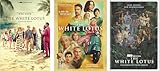
- The White Lotus: The Complete First, Second and Third Seasons (1, 2 & 3) - DVD Set Collection
Because the cameos blended so cleanly into the White Lotus world, fans debated whether they were the joke or part of the satire. That ambiguity kept the conversation going long after the episode aired. It rewarded repeat viewing, which is catnip for social platforms.
Timing That Felt Inevitable
The sketch arrived when The White Lotus had fully crossed from hit show to cultural shorthand. Even people who hadn’t watched every episode recognized the vibes: whispered insults, unbearable tension, and wealth used as camouflage. SNL didn’t have to explain the premise because the culture had already done that work.
That immediacy is why the parody felt less like commentary and more like punctuation. It didn’t announce itself as timely; it simply showed up right on cue. In an era where virality often feels forced, this sketch spread because it felt obvious, overdue, and perfectly calibrated to the moment.
SNL vs. Prestige Television: What This Sketch Says About the Show’s Modern Satirical Voice
From Broad Parody to Cultural Translation
What made the White Lotus sketch feel unusually sharp for SNL is how little it relied on punchlines and how much it trusted atmosphere. Instead of exaggerating characters into cartoons, the show recreated the rhythms of prestige TV with near-reverent precision, then let the comedy emerge from recognition. It was less spoof and more translation, turning HBO’s signature moodiness into a language SNL fluently spoke.
Recommended Free Tools
That approach signals how SNL’s modern satirical voice has evolved. The show isn’t trying to “send up” prestige television from the outside anymore; it’s engaging with it as a peer. The humor comes from understanding the rules of the genre so well that simply following them to their logical extreme becomes funny.
Comedy That Respects the Source Material
There’s a confidence in parodying something without flattening it. The sketch clearly admired The White Lotus’s craft, from its simmering tension to its weaponized silence, which made the satire feel affectionate rather than dismissive. SNL wasn’t mocking the show for being popular; it was poking at the cultural reverence surrounding it.
That balance is hard to pull off, especially in an era where prestige TV fandom can be intensely protective. By matching the show’s visual grammar and emotional pacing, SNL earned the right to joke about its excesses. The laughter comes from complicity, not superiority.
Surprise Guests as Proof of Cultural Buy-In
The surprise appearances also signaled something bigger than stunt casting. These guests didn’t feel parachuted in for applause; they felt like participants in the satire itself. Their willingness to play within the White Lotus tone reinforced the idea that prestige TV has become a shared cultural sandbox, not an untouchable pedestal.
That buy-in matters. When actors associated with serious drama happily lean into parody, it collapses the perceived divide between “serious” television and sketch comedy. SNL used those cameos to underline a larger point: prestige TV has become mainstream enough to laugh at itself.
A Snapshot of SNL’s Current Identity
Ultimately, the sketch reveals an SNL that’s most effective when it operates as a cultural mirror rather than a megaphone. It’s less interested in chasing headlines and more focused on distilling how pop culture feels in real time. In doing so, it positions itself not as a disruptor of prestige television, but as its sly commentator.
The White Lotus parody worked because it understood the moment: audiences are fluent in prestige TV language, a little tired of its seriousness, and ready to see it gently deflated. By meeting viewers at that exact intersection, SNL proved it can still define the conversation, not by shouting, but by perfectly mimicking the silence before something goes wrong.
Quick Recap
Product prices and availability are accurate as of the date/time indicated and are subject to change. Any price and availability information displayed on Amazon at the time of purchase will apply.
Do these 3 things before closing this tab:
1Fix the driver behind crashes, sound loss and screen glitches2Clear out junk files and repair common Windows errors3Scan for outdated or missing drivers - takes under a minute
