Set against a meticulously realized period backdrop, Sinners is a horror film that wears its history as deliberately as its dread. The story unfolds in an early-20th-century American setting, where faith, repression, and community fracture under the weight of something far older and more sinister than its characters expect. Early viewers have been quick to note how the film uses its era not as window dressing, but as an active source of tension, grounding its supernatural elements in social realities that feel disturbingly close.
At its core, Sinners is being praised as a mood-first horror experience, one that values atmosphere and character over jump-scare excess. Reactions consistently highlight the film’s textured production design, shadow-heavy cinematography, and an escalating sense of unease that builds scene by scene rather than rushing to spectacle. Performances have also emerged as a major talking point, with critics citing a cast that fully commits to the emotional weight and moral ambiguity demanded by the story.
| # | Preview | Product | Price | |
|---|---|---|---|---|
| 1 |

|
Sinners (DVD) | $7.79 | Buy on Amazon |
| 2 |

|
Sinners | Buy on Amazon | |
| 3 |

|
Sinners | $26.98 | Buy on Amazon |
| 4 |
|
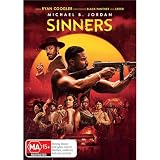
Sinners DVD | Michael B. Jordan | Region 4 (Australia) | $15.98 | Buy on Amazon |
| 5 |
![In the Land of Saints and Sinners [DVD]](https://m.media-amazon.com/images/I/418BfMrrkTL._SL160_.jpg)
|
In the Land of Saints and Sinners [DVD] | $19.99 | Buy on Amazon |
What’s striking about the early buzz is how measured the praise has been, positioning Sinners less as a crowd-pleasing shock machine and more as a confident, slow-burn genre piece with ambitions beyond its scares. Those expecting a traditional horror ride may find something more patient and psychologically driven, while fans of elevated or period-set horror appear primed for a standout. As its release approaches, Sinners is shaping up as a film that rewards attention, atmosphere, and a willingness to sit with discomfort rather than flee from it.
Festival and Early Screening Buzz: Where the First Reactions Are Coming From
The first wave of reactions to Sinners has emerged from a carefully curated rollout that prioritizes tastemaker screenings over broad exposure. Rather than debuting as a midnight crowd-pleaser, the film has been positioned within festival-adjacent previews, industry press screenings, and select critic showings designed to foreground its craft and intent. That strategy has shaped the conversation, anchoring early praise in thoughtful analysis rather than hyperbolic shock.
#1 Best Overall
Festival Circuits and Prestige Horror Spaces
Much of the buzz traces back to genre-forward festival environments, where Sinners played for audiences already attuned to slow-burn, atmosphere-driven horror. These early screenings reportedly took place within sidebars and curated programs known for championing elevated and period genre work, putting the film in dialogue with recent critical darlings rather than mainstream studio horror. In those settings, critics responded strongly to how confidently Sinners embraces restraint and thematic weight.
Festival attendees have noted that the film played especially well in rooms primed for immersion, where its sound design, pacing, and visual composition could fully take hold. That context has been crucial in framing the movie as a serious piece of horror cinema rather than a disposable fright ride, setting expectations early for a more contemplative experience.
Press Screenings and Industry Tastemakers
Beyond festivals, early press screenings in major media markets have expanded the conversation, bringing in veteran critics and genre specialists. Reactions from these showings tend to be more measured, but no less enthusiastic, frequently praising the director’s command of tone and the film’s confidence in letting scenes breathe. Several critics have emphasized how rare it feels to see a period horror film trust its audience this much.
Performances have become a recurring focal point in these write-ups, with particular attention paid to the cast’s ability to convey repression, fear, and moral conflict without overt exposition. Industry voices have also highlighted the film’s visual discipline, noting how its cinematography avoids nostalgia gloss in favor of a harsher, more oppressive aesthetic that reinforces the story’s themes.
Outdated Drivers Are Slowing You Down
One free scan finds every outdated or missing driver and matches the right update for your exact hardware.Free scan · exact hardware matchPC Slower Than It Used to Be?
A free scan shows the junk files, broken settings and background clutter dragging Windows down - then fixes them in one click.Free scan · Windows 10 & 11Social Media Reactions and the Shape of the Conversation
On social media, early reactions have remained relatively restrained, likely due to limited access and tighter embargo windows. When impressions do surface, they tend to focus on mood, dread, and lingering imagery rather than plot specifics or shock moments. Words like unsettling, patient, and quietly devastating appear far more often than scary in the conventional sense.
This tone has helped establish realistic expectations ahead of release. The emerging consensus frames Sinners as a film best suited for viewers who appreciate slow escalation, historical texture, and psychological tension, rather than those seeking constant adrenaline. As more screenings roll out, the early buzz suggests a horror film whose reputation will be built on sustained appreciation rather than opening-night noise.
Why Critics Are Calling It One of the Best Films of 2025
What ultimately elevates Sinners in early critical conversations is how decisively it transcends genre expectations. Rather than leaning on familiar horror rhythms, the film operates with the confidence of a prestige drama, using fear as an undercurrent rather than a blunt instrument. For many critics, that ambition alone places it in rare company this early in the year.
The phrase “best of 2025” appears less as hype and more as a recognition of craft. Reviewers consistently frame the film as one that will grow in reputation over time, rewarding patience and close attention rather than immediate shock value.
A Director in Complete Command
Much of the praise centers on the director’s control over tone and pacing, which critics describe as unusually assured for a film operating within horror frameworks. Scenes are allowed to unfold without editorial hand-holding, creating tension through stillness, framing, and implication. Several reactions note that even moments without overt menace feel charged with unease.
This restraint has been cited as one of the film’s greatest strengths. Critics argue that Sinners trusts its audience to read between the lines, making its most disturbing elements feel earned rather than imposed.
Atmosphere That Does the Heavy Lifting
The film’s period setting is not treated as decorative backdrop but as an active source of dread. Early reviews emphasize how production design, sound, and cinematography work in tandem to create a world defined by suppression and moral rigidity. The lack of visual romanticism gives the setting a suffocating authenticity that critics find deeply immersive.
Rank #2
Rather than relying on score-driven cues, the film often lets silence and environmental noise dominate. That choice has been repeatedly highlighted as a key reason the tension lingers long after individual scenes end.
The Tool Desk
Outbyte PC Repair FREERepair Windows errors before they cause bigger problemsFix Now →Outbyte Driver Updater FREEScan for outdated or missing drivers - takes under a minuteDriver Scan →Performances Built on Subtlety and Repression
Performances are another pillar of the film’s acclaim, particularly the way the cast conveys internal conflict with minimal dialogue. Critics have praised the actors’ ability to suggest entire emotional histories through posture, eye movement, and hesitation. This approach aligns seamlessly with the film’s thematic interest in repression and unspoken guilt.
Several early reactions point out that no single performance overwhelms the others. Instead, the ensemble works in careful balance, reinforcing the story’s sense of collective unease rather than spotlighting a conventional protagonist.
A Horror Film With Broader Critical Appeal
What separates Sinners from many early-year standouts is its crossover appeal. While firmly rooted in horror, critics are already discussing it alongside serious dramatic contenders rather than seasonal genre releases. Some have even suggested it may find traction beyond horror circles, particularly among viewers drawn to historical dramas and psychological thrillers.
This positioning has helped frame expectations clearly. Sinners is being praised not as a crowd-pleasing scare machine, but as a film that prioritizes mood, theme, and craftsmanship, qualities that often define the year’s most enduring critical favorites.
What’s actually slowing this PC down?
Pick the symptom - the matching free tool is one click away.
A Masterclass in Atmosphere: Period Detail, Production Design, and Dread
If there is one element nearly every early reaction agrees on, it is the film’s command of atmosphere. Sinners uses its period setting not as a nostalgic flourish, but as a psychological pressure cooker, one where every object, sound, and shadow feels complicit in the unfolding horror. Critics describe a film that understands how dread accumulates slowly, embedded in environment rather than announced through spectacle.
Period Detail That Feels Lived-In, Not Curated
The production design has been singled out for its refusal to romanticize the past. Interiors are described as cramped and dimly lit, with worn textures and practical layouts that reflect daily survival rather than aesthetic beauty. This commitment to authenticity grounds the film’s horror in something tangible, making the setting feel inescapable rather than theatrical.
Early viewers note that even small details, from household tools to clothing wear patterns, reinforce a sense of routine oppression. The period becomes a lived reality instead of a stylized reconstruction, heightening the unease because nothing feels safely distant or decorative.
Cinematography That Weaponizes Stillness
Visually, Sinners favors restraint over flourish. Critics have praised the cinematography for its deliberate framing, often holding shots longer than expected and allowing discomfort to seep in through stillness. The camera rarely rushes, forcing viewers to sit with spaces and expressions that feel quietly ominous.
Do these 3 things before closing this tab:
1Clear out junk files and repair common Windows errors2Scan for outdated or missing drivers - takes under a minute3Repair Windows errors before they cause bigger problemsLighting choices are equally intentional. Natural light sources dominate, creating pockets of darkness that feel organic rather than engineered, and reviewers point out how frequently the film allows threats to remain partially unseen, trusting the audience’s imagination to do the rest.
Sound Design and Silence as Narrative Tools
Sound has emerged as one of the film’s most effective weapons. Instead of leaning heavily on a traditional score, Sinners often prioritizes environmental noise, creaking wood, distant footsteps, breath, and ambient hums that critics describe as deeply unsettling. Silence is used not as a pause, but as an active presence.
Rank #3
This approach has been repeatedly cited as a reason the film’s tension lingers. Without musical cues to dictate emotion, viewers are left to anticipate danger on their own terms, creating a sustained sense of dread that doesn’t dissipate when scenes end.
Dread Rooted in Space, Not Shocks
What ultimately distinguishes Sinners in early reactions is how thoroughly its horror is embedded in place. Fear doesn’t arrive through sudden reveals or aggressive pacing, but through the slow realization that the environment itself is hostile. Rooms, corridors, and communal spaces become psychologically charged simply by how they are observed and revisited.
For audiences, this sets clear expectations. Sinners is not aiming to overwhelm with constant scares, but to immerse viewers in a world where tension accumulates quietly and relentlessly. Critics suggest this patience will reward viewers willing to engage with its rhythms, especially those drawn to horror that values atmosphere as much as narrative momentum.
Performances Under the Microscope: Standout Turns and Breakout Stars
If the craft behind Sinners establishes its oppressive mood, the performances are what make that atmosphere feel lived-in rather than imposed. Early reactions consistently point to the cast’s restraint, noting how much is communicated through silence, posture, and guarded expressions rather than overt dialogue. The acting style mirrors the film’s formal discipline, never calling attention to itself, yet quietly anchoring the tension scene by scene.
Critics have emphasized how the performances feel calibrated to the period, avoiding modern inflections or exaggerated theatrics. There’s a sense that the characters are constrained not just by the horror encroaching around them, but by the social and cultural pressures of the era itself. That layered containment gives the film an emotional authenticity that deepens its unease.
A Commanding Lead Built on Stillness
Much of the praise centers on the film’s central performance, which early viewers describe as a masterclass in minimalism. The lead character’s inner conflict is conveyed through micro-expressions and carefully modulated reactions, allowing dread to accumulate internally before it ever manifests externally. Reviewers note that this approach aligns perfectly with the film’s refusal to telegraph fear, trusting the audience to read what remains unsaid.
Quick wins for a faster PC:
Repair Windows errors before they cause bigger problemsFix Now →Scan for outdated or missing drivers - takes under a minuteDriver Scan →Clear out junk files and repair common Windows errorsFree Scan →Rather than positioning the protagonist as a traditional genre hero, the performance leans into vulnerability and moral ambiguity. That choice has been singled out as one of the reasons Sinners feels more psychologically grounded than many recent period horror entries. The character doesn’t dominate the frame; they absorb it, becoming another haunted element within the environment.
Supporting Roles That Deepen the World
The ensemble has drawn equal admiration, particularly for how secondary characters are sketched with surprising depth. Critics highlight that even brief appearances feel purposeful, with actors suggesting histories and tensions that extend beyond the edges of individual scenes. This attention to character texture reinforces the sense that the setting is a functioning world rather than a backdrop designed solely for scares.
Several early reactions point to at least one supporting turn as a potential breakout, citing an ability to oscillate between warmth and menace without obvious shifts in tone. These performances reportedly enhance the film’s thematic concerns, blurring the line between threat and familiarity in ways that keep viewers unsettled. It’s horror rooted in human behavior as much as supernatural implication.
Performance as an Extension of Atmosphere
What ultimately distinguishes the acting in Sinners is how seamlessly it integrates with the film’s broader aesthetic. Performances don’t compete with the cinematography or sound design; they operate in concert with them. Pauses linger, eye contact replaces exposition, and emotional beats are allowed to breathe within the same measured pacing that defines the film’s visual language.
Free tools Windows power users keep installed
One-click scans. No signup required.
Early critics suggest this synergy is a major reason the film’s dread feels so persistent. When performances refuse to release tension through catharsis or overt emotionality, the unease remains unresolved. For audiences, this means Sinners isn’t just something to watch unfold, but something to sit with, carried as much by the actors’ restraint as by the horrors implied around them.
Rank #4
- Michael B. Jordan
Direction and Craft: How ‘Sinners’ Elevates Horror Storytelling
A Director in Full Command of Tone
Early reactions repeatedly emphasize how assured the direction feels, particularly in balancing slow-burn tension with moments of narrative escalation. Rather than chasing constant shock, the filmmaker reportedly prioritizes mood, allowing dread to accumulate through framing, blocking, and carefully modulated pacing. Critics note that this confidence gives Sinners a sense of inevitability, as though each scene is pulling the audience closer to something inescapable.
What stands out is how rarely the film telegraphs its intentions. The direction trusts viewers to read visual cues and emotional undercurrents without heavy signposting. That restraint is frequently cited as a defining strength, distinguishing Sinners from period horror that leans too heavily on exposition or overt symbolism.
Visual Storytelling Rooted in Period Authenticity
Cinematography has emerged as one of the most praised elements in early screenings, with critics pointing to a visual language that feels inseparable from the film’s historical setting. Natural light, muted color palettes, and textured compositions reportedly reinforce the sense of a world shaped by hardship and repression. The past isn’t romanticized; it’s oppressive, worn, and quietly threatening.
Several reactions highlight how the camera often lingers just a moment longer than expected, turning otherwise ordinary spaces into sources of unease. Wide shots emphasize isolation, while tight interiors suggest lives constrained by both environment and belief. It’s a visual approach that makes the period setting an active participant in the horror rather than a decorative backdrop.
Sound, Silence, and the Anatomy of Dread
Sound design is another area where Sinners appears to earn its early acclaim. Reviewers describe a soundscape that favors subtlety over volume, using ambient noise, distant echoes, and strategic silence to unsettle. Music, when it appears, is reportedly sparse and deliberate, amplifying emotional undercurrents rather than dictating them.
This careful use of audio contributes to a sense that danger may exist just beyond the frame. Silence becomes anticipatory instead of empty, forcing viewers to remain alert even in moments of apparent calm. For many critics, this auditory restraint is central to why the film’s tension feels so sustained.
Pacing That Respects the Audience’s Patience
Sinners has been described as unafraid to move deliberately, a choice that early reactions largely celebrate. The film reportedly allows scenes to unfold without rushing to narrative payoff, trusting atmosphere and performance to maintain engagement. That patience is said to pay off by making later developments feel earned rather than abrupt.
Recommended Free Tools
Importantly, critics caution that this measured pacing won’t appeal to viewers expecting constant shocks. Instead, Sinners seems designed for audiences willing to invest in mood, character, and implication. In that sense, its craft aligns squarely with prestige horror traditions, prioritizing lasting unease over momentary thrills.
Independent reader supportYour contribution helps us test, update, and keep practical guides available for everyone.Themes of Faith, Guilt, and Moral Corruption Beneath the Scares
Beyond its technical craft, many early reactions emphasize how Sinners uses horror as a vehicle for probing deeper moral and spiritual anxieties. Critics note that the film’s scares are rarely arbitrary, instead emerging from a world shaped by rigid belief systems and unspoken transgressions. The horror is inseparable from the characters’ internal conflicts, giving the film a weight that lingers after individual scenes fade.
Rather than presenting faith as a simple source of comfort or villainy, Sinners reportedly treats it as a double-edged force. Religious devotion offers structure and meaning, but it also becomes a mechanism for denial, repression, and quiet cruelty. Reviewers suggest the film is most unsettling when it exposes how belief can be weaponized to excuse harm or bury guilt beneath ritual and doctrine.
Guilt as a Haunting Presence
Several critics describe guilt as one of the film’s most pervasive antagonists. It manifests not only through dialogue or backstory, but through behavior, framing, and silence, shaping how characters move through their environment. Past sins are not always named, but they are felt, pressing against the narrative like an invisible weight.
Best Value
- In the land of saints and sinners, some sins can't be buried.
This approach reportedly allows Sinners to blur the line between psychological and supernatural horror. Viewers are left questioning whether certain horrors are external forces or projections born from unresolved remorse. That ambiguity is frequently cited as a key reason the film’s tension feels so persistent and emotionally grounded.
Moral Decay Beneath Respectability
Early reactions also point to the film’s fascination with respectability and the rot hidden beneath it. Communities that outwardly prize order and righteousness are shown to harbor secrets that fester in silence. Horror arises not from chaos, but from the rigid maintenance of appearances at the expense of compassion or truth.
By tying fear to moral compromise, Sinners reportedly avoids easy villains. Instead, it presents corruption as something incremental and communal, reinforced by collective choices rather than singular evil acts. Critics argue this thematic depth elevates the film beyond genre mechanics, positioning it as a period horror story with contemporary resonance and unsettling moral clarity.
What Audiences Should Expect: Tone, Terror Level, and Who This Film Is For
For all the early praise surrounding Sinners, reactions make it clear this is not a crowd-pleasing horror film built around constant shocks or easy catharsis. Its power lies in restraint, atmosphere, and the slow accumulation of dread. Viewers should expect a measured, deliberate experience that prioritizes mood and moral unease over spectacle.
The Tool Desk
Outbyte PC Repair FREEClear out junk files and repair common Windows errorsFree Scan →Outbyte Driver Updater FREEFix the driver behind crashes, sound loss and screen glitchesFind Drivers →A Brooding, Introspective Tone
The tone of Sinners is consistently described as somber and oppressive, steeped in the textures of its period setting. Critics note that the film takes its time establishing environment and character, allowing tension to seep in gradually rather than announcing itself with loud genre signals. Silence, stillness, and implication do much of the heavy lifting.
This approach reportedly gives the film a literary quality, closer to a gothic drama than a traditional horror ride. The scares are often internalized, arising from what characters refuse to say or confront. As a result, the film’s mood lingers well beyond individual scenes.
Terror Rooted in Atmosphere, Not Excess
In terms of sheer terror, early reactions suggest Sinners is more unsettling than outright frightening. There are moments of genuine shock, but they are used sparingly and with purpose. The horror is cumulative, built through sound design, lighting, and a creeping sense of inevitability rather than relentless jump scares.
Several critics emphasize that the film’s most disturbing elements come from recognition rather than surprise. The fear is grounded in human behavior, moral compromise, and the slow erosion of empathy. That makes the experience deeply uncomfortable in a way that feels intentional and enduring.
Who Will Respond Most Strongly to Sinners
Sinners appears tailor-made for viewers who appreciate elevated horror, period filmmaking, and thematically ambitious storytelling. Fans of slow-burn genre cinema, particularly films that blur psychological and supernatural boundaries, are likely to find it deeply rewarding. Those drawn to performances and atmosphere over plot-driven thrills will also respond strongly.
Conversely, audiences expecting fast pacing or conventional horror beats may find the film challenging. Early reactions stress that Sinners demands patience and engagement, asking viewers to sit with ambiguity and moral discomfort rather than offering clear answers. For the right audience, however, that challenge is precisely what makes it stand out.
Taken together, early reactions position Sinners as a film that trusts its viewers and refuses to dilute its themes for accessibility. Its terror is quiet, its tone unyielding, and its ambitions unmistakable. If the buzz holds through release, Sinners may not only emerge as one of 2025’s most respected horror films, but as one of its most enduring.
Quick Recap
Product prices and availability are accurate as of the date/time indicated and are subject to change. Any price and availability information displayed on Amazon at the time of purchase will apply.




