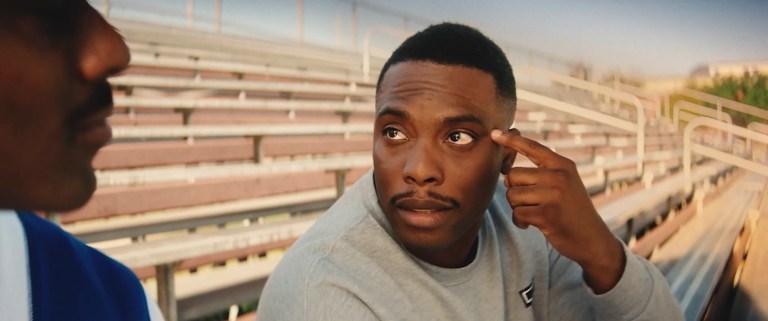
The speculation didn’t begin with a studio announcement or a leaked call sheet, but with the familiar churn of online scooper culture. As chatter around the rumored Avengers: Doomsday project intensified, fans began noticing one conspicuous absence: She-Hulk was missing from every circulating “early cast” list, despite her established place in the post-Endgame MCU. In the vacuum of official confirmation, that absence quickly hardened into a theory that something had gone wrong behind the scenes.
Fuel was added when entertainment rumor accounts began framing the situation more dramatically, suggesting the actor had been offered a role and declined it. No sourcing was provided, but the claim spread rapidly across social media, amplified by speculation about creative direction, scheduling conflicts, and Marvel’s evolving approach to its Disney+ characters. Within days, the narrative shifted from uncertainty to assumption, with many fans treating the rumor as settled fact.
What often went unmentioned was how little concrete information existed to support the claim. At the time the rumor gained traction, Marvel Studios had not formally announced Avengers: Doomsday, let alone its full cast, and the She-Hulk star herself had previously indicated she hadn’t been briefed on future Avengers plans. That gap between what was said, what was inferred, and what was ultimately reported is where the confusion took root, setting the stage for a clarification that would soon follow.
What the She-Hulk Star Actually Said: Full Context and Key Quotes Explained
Once the rumor reached critical mass, Tatiana Maslany addressed it directly, and her response was notably calmer and more precise than the online narrative suggested. Rather than confirming a rejected offer, the actor made it clear that no such decision had ever been placed in front of her. In other words, there was nothing to turn down.
Do these 3 things before closing this tab:
1Repair Windows errors before they cause bigger problems2Scan for outdated or missing drivers - takes under a minute3Clear out junk files and repair common Windows errors#1 Best Overall

- She-Hulk superhero figure design. Officially Licensed Marvel She-Hulk Apparel for Men, Women, Boys, and Girls
- 22MFSK00029A-001
- Lightweight, Classic fit, Double-needle sleeve and bottom hem
Maslany’s clarification came during press conversations where she was asked, point-blank, about her absence from Avengers: Doomsday chatter. Her answer cut through the speculation: she said she had not been approached about the project and had no knowledge of casting plans beyond what fans were already seeing online. That distinction is crucial, because it reframes the rumor as a misunderstanding rather than a behind-the-scenes rift.
“I Haven’t Been Asked”: What That Really Means
In addressing the claim, Maslany emphasized that she hadn’t been contacted by Marvel Studios regarding Avengers: Doomsday. She explained that reports suggesting she declined an offer were inaccurate, because no offer had ever materialized. The takeaway wasn’t reluctance or refusal, but simple absence of communication.
That kind of answer aligns with how Marvel typically operates in early development phases. Actors are often kept in the dark until schedules, scripts, and long-term plans are locked, especially for ensemble films with massive casts. Maslany’s comments reflect that reality, not a creative disagreement or contract dispute.
Separating Actor Knowledge From Fan Assumptions
Another key part of Maslany’s statement was her acknowledgment that she learns about many MCU developments the same way fans do. She noted that casting rumors, project titles, and supposed story beats often circulate long before Marvel has finalized anything internally. From her perspective, the rumor mill was running well ahead of the studio.
Recommended Free Tools
That context matters because it explains how quickly speculation can be mistaken for insider information. An actor saying “I don’t know” can easily be twisted into “they’re not involved,” and from there into “they walked away,” even when none of those steps are accurate.
Why Her Response Doesn’t Close the Door on She-Hulk
Importantly, Maslany did not rule out appearing in a future Avengers film, including Avengers: Doomsday if it moves forward as rumored. Her comments were rooted firmly in the present tense, describing what she knew at the time, not making a statement about long-term participation in the MCU. That leaves plenty of room for She-Hulk to factor into future plans once Marvel begins formally assembling its next Avengers lineup.
In industry terms, her response reads less like a denial and more like a placeholder. Until Marvel Studios announces a cast or begins formal production, the absence of She-Hulk from rumor lists says more about timing than intent. Maslany’s words simply brought the conversation back to that grounded reality.
Breaking Down the Misinterpretation: How Industry Comments Became a Rejection Narrative
What ultimately fueled the “turned down the role” rumor was not a direct quote from Tatiana Maslany, but a familiar game of telephone that plays out constantly in franchise reporting. A casual, matter-of-fact explanation about not being contacted was reframed through headlines and social media shorthand, where nuance rarely survives intact.
Once that reframing took hold, the narrative shifted quickly. “No offer” quietly became “passed on the offer,” which then evolved into assumptions about creative differences, contract disputes, or dissatisfaction with Marvel’s direction. None of those elements were present in Maslany’s actual comments.
How Neutral Industry Language Gets Misread
Actors speaking about projects still in development often use deliberately cautious language. Phrases like “I haven’t heard anything” or “no one’s reached out” are standard responses when studios haven’t finalized plans, especially on films as tightly controlled as Avengers installments.
Outside the industry, however, that restraint is frequently interpreted as subtext. Fans and aggregators are conditioned to read between the lines, even when there are no lines to read. In this case, Maslany’s neutral clarification was treated as coded messaging, rather than a literal description of the situation.
The Role of Aggregation and Headline Economics
The modern rumor ecosystem thrives on speed over precision. A single quote pulled from a longer interview can be repackaged dozens of times within hours, often stripped of context to maximize engagement. By the time the story reaches a broader audience, the original meaning has already been reshaped.
Quick wins for a faster PC:
Repair Windows errors before they cause bigger problemsFix Now →Fix the driver behind crashes, sound loss and screen glitchesFind Drivers →Clear out junk files and repair common Windows errorsFree Scan →Rank #2

- Officially Licensed Marvel She-Hulk: Attorney At Law Apparel for Men - Women - Boys and Girls; She-Hulk: Attorney At Law T-Shirts; Jennifer Walters T-Shirts; She-Hulk Transformation T-Shirts; She-Hulk Poster T-Shirts; Superhero T-Shirts;
- 22MLSK00004A-001
- Lightweight, Classic fit, Double-needle sleeve and bottom hem
That process is especially volatile with Marvel-related news, where anticipation for casting announcements is constant. The idea that a major MCU character might have rejected Avengers: Doomsday was inherently clickable, even if unsupported by the source material.
What Maslany Actually Clarified
Maslany’s statement was not a reaction to an offer she declined, but a correction of a false premise. She made it clear that there was nothing to turn down because there had been no conversation to begin with. That distinction is critical, yet it was largely lost in early coverage.
Rather than expressing disinterest, her comments reflected how removed actors can be from early-stage planning. In Marvel’s structure, silence often means exactly that, not a hidden decision or quiet exit from the franchise.
Why This Happens So Often With Marvel Projects
Avengers films, more than any other MCU entries, are assembled late and strategically. Cast lists are among the most closely guarded secrets in the industry, and even returning actors are frequently informed only when schedules align and scripts are locked.
The Tool Desk
Outbyte Driver Updater FREEScan for outdated or missing drivers - takes under a minuteDriver Scan →Outbyte PC Repair FREERepair Windows errors before they cause bigger problemsFix Now →Seen through that lens, the rumor says more about audience impatience than about Maslany’s standing with Marvel Studios. The rejection narrative wasn’t born from her words, but from the gap between what fans want to know and what the studio is willing to reveal.
Inside Marvel’s Casting Reality: Scheduling, Contracts, and How Avengers Roles Are Decided
Understanding how Marvel actually assembles an Avengers ensemble helps demystify why rumors like this take hold. Unlike standalone projects, Avengers films are built through a layered process that balances story needs, actor availability, and long-term franchise planning. Offers are rarely simple yes-or-no propositions, and they almost never happen as early as fans assume.
Scheduling Comes Before Everything Else
At the top of Marvel’s priority list is scheduling, not enthusiasm or popularity. Avengers films require months of coordinated availability across dozens of actors, many of whom are simultaneously committed to other films, television series, or stage work. If an actor isn’t available during a narrow production window, the conversation often stops before it begins.
That reality matters in Maslany’s case, particularly given her continued work outside the MCU. An absence from early planning does not indicate disinterest or exclusion, only that timing hasn’t aligned yet.
What’s actually slowing this PC down?
Pick the symptom - the matching free tool is one click away.
What MCU Contracts Actually Guarantee
Despite persistent fan assumptions, most MCU contracts do not guarantee automatic appearances in crossover events. They typically include options, not obligations, allowing Marvel to retain flexibility as stories evolve. Even actors with ongoing franchise roles may not be contacted until a script specifically requires their character.
For newer characters like She-Hulk, that flexibility is even more pronounced. Marvel tends to assess audience response, tonal fit, and narrative purpose before committing a character to an Avengers-scale appearance.
Why Offers Often Happen Late
Marvel Studios is famously secretive, and that secrecy extends to casting. Actors are frequently brought in once scripts are locked and production logistics are finalized, sometimes mere months before filming begins. In many cases, performers learn about their involvement far later than the public expects.
This is especially true for Avengers films, which are designed as narrative culmination points rather than starting lines. A character’s inclusion depends on how their story intersects with the larger arc at that specific moment, not on their standalone popularity or fan demand.
Rank #3

- Officially Licensed Marvel Avengers Apparel for Women - Men - Boys - Girls - Toddler; Avengers T-Shirts; Comics T-Shirts; Marvel; Iron Man; Captain America; Hulk; Retro; Superheroes; Infinity War;
- 22MFSK00023A
- Lightweight, Classic fit, Double-needle sleeve and bottom hem
What This Means for She-Hulk’s MCU Future
Maslany’s clarification fits squarely within this established casting reality. Not being approached for Avengers: Doomsday does not signal a creative dead end for She-Hulk, nor does it suggest Marvel has closed the door on the character. It simply reflects where the project is in its development cycle.
In Marvel terms, no conversation often means not yet, rather than no. For a franchise that plans years ahead but executes late, silence remains the most misinterpreted part of the process.
Is She-Hulk Really Off the Table? What the Statement Does (and Doesn’t) Mean for the Character
Maslany’s recent comments were notable less for what they revealed than for what they corrected. She did not confirm turning down Avengers: Doomsday, nor did she suggest any dissatisfaction with Marvel Studios. Instead, she clarified that no offer ever came across her desk, directly undercutting the rumor that she declined a major Avengers role.
That distinction matters. In the language of franchise casting, turning something down implies a creative or contractual decision point. Maslany’s statement places She-Hulk firmly before that stage, in the realm of speculation rather than negotiation.
Free tools Windows power users keep installed
One-click scans. No signup required.
What Maslany Actually Said — and What She Didn’t
Maslany’s phrasing emphasized absence, not refusal. She explained that she was not approached about Avengers: Doomsday, a reality that aligns with how Marvel typically handles ensemble planning. There was no mention of script concerns, scheduling conflicts, or creative differences.
Just as importantly, she did not rule out future involvement. The statement left the door open by default, reinforcing that her relationship with Marvel remains intact and undefined rather than strained or concluded.
Why “Not Asked” Is Not a Red Flag in the MCU
Within the Marvel ecosystem, being uncontacted at this stage is not unusual, particularly for characters introduced during Phase Four. Avengers films are structured around core narrative pillars, and secondary or tonal outliers are often folded in later once the story framework is finalized.
She-Hulk’s fourth-wall-aware, comedic energy also places her in a unique category. Marvel has historically been deliberate about how and when characters with distinct tonal identities intersect with large-scale event films, often waiting until the right narrative justification presents itself.
Crashes, No Sound, or Screen Glitches?
Random freezes, missing sound and display glitches usually trace back to one bad driver. Find and replace yours safely.Free scan · under a minuteWindows Errors? Fix Them Before They Spread
Repair common Windows errors and clear accumulated junk for a smoother, more stable PC - no reinstall needed.Free scan · no reinstallWhat This Does Mean for She-Hulk Going Forward
The takeaway is not that She-Hulk has been sidelined, but that her trajectory remains undecided. Maslany’s comments suggest the character is still in Marvel’s broader toolkit, even if she is not currently positioned as a front-line player in Avengers: Doomsday.
In practical terms, this keeps multiple avenues open. She-Hulk could re-emerge through a second season, appear in another character’s project, or be held back for a later crossover where her tone and skill set better serve the story Marvel is telling at that moment.
The Bigger MCU Picture: Where She-Hulk Fits Post-Disney+ and Post-Multiverse Saga
Tatiana Maslany’s clarification arrives at a moment when Marvel itself is recalibrating. The studio is moving out of its Disney+ expansion phase and toward a more selective, event-focused strategy, which has reshaped how and when characters re-enter the spotlight. In that environment, absence from one Avengers film does not equate to narrative exile.
She-Hulk was born in a transitional era for the MCU, introduced during a period of tonal experimentation and rapid content growth. As Marvel narrows its output and re-centers around long-term arcs, characters like Jennifer Walters are being assessed not on popularity alone, but on strategic fit.
Rank #4

- THIS TRENDS MARVEL SHE-HULK - JEN WALTERS WALL POSTER uses high-resolution artwork and is printed on PhotoArt Gloss Poster Paper which enhances colors with a high-quality look and feel
- HIGH QUALITY ART PRINT is ready-to-frame or can be hung on the wall using poster mounts, clips, push pins, or thumb tacks
- OFFICIALLY LICENSED wall poster
- PERFECT SIZE for any room; poster is 22.375" x 34"
- EASILY DECORATE any space to create the perfect decor for a party, bedroom, bathroom, kids room, living room, office, dorm, and more
Life After Disney+: Streaming Characters and the New MCU Model
Marvel’s approach to Disney+ characters has evolved since Phase Four. Early assumptions that every streaming lead would immediately graduate to Avengers-level visibility have proven inaccurate, as the studio now treats Disney+ introductions as modular rather than mandatory franchise pillars.
She-Hulk’s first season was designed as a self-contained tonal statement rather than a launchpad for immediate crossover escalation. That positioning gives Marvel flexibility, allowing the character to reappear when the story calls for her specific voice rather than forcing integration for the sake of continuity.
Post-Multiverse Saga Doesn’t Mean Post-She-Hulk
While Avengers: Doomsday is rumored to sit near the culmination of the Multiverse Saga, Marvel has been clear that the end of one narrative framework does not reset the entire board. Characters introduced late in the saga are not inherently tied to its conclusion, especially those whose stories are more grounded or character-driven.
She-Hulk’s legal expertise, Hulk-adjacent mythology, and genre-savvy perspective make her particularly adaptable for a post-multiverse MCU that may lean more heavily into street-level stories, institutional conflicts, or hybrid genres. That versatility is an asset, not a liability, as Marvel plans beyond its current event cycle.
Why Timing Matters More Than Demand
The rumor that Maslany “turned down” Avengers: Doomsday reflects a fan expectation that visibility equals value. Marvel’s internal calculus is more conservative, often holding characters back until they serve a precise narrative purpose rather than responding to audience demand alone.
In that context, Maslany not being contacted suggests patience, not rejection. She-Hulk remains a character whose re-entry will likely be dictated by tone, story utility, and the MCU’s evolving shape after its multiverse chapter closes, rather than by any single casting decision tied to Avengers: Doomsday.
Independent reader supportYour contribution helps us test, update, and keep practical guides available for everyone.Fan Reaction and Online Discourse: Why This Rumor Resonated So Strongly
The rumor that Tatiana Maslany had personally turned down a role in Avengers: Doomsday spread quickly because it tapped into multiple long-running MCU pressure points at once. It wasn’t just about one actor or one movie; it became a proxy debate about Marvel’s direction, Disney+ priorities, and which characters fans believe are being sidelined.
Within hours, the claim migrated from speculative scoop accounts to broader fandom spaces, where context was often stripped away in favor of emotional shorthand. A nuanced scheduling clarification became framed as a creative rejection, a distinction that mattered far less in the heat of online discourse than the headline itself.
The Legacy of Phase Four Skepticism
She-Hulk arrived during a period when Marvel was experimenting aggressively with tone, format, and audience expectations. For some fans, that experimentation felt refreshing; for others, it became emblematic of what they perceived as a lack of cohesion in the post-Endgame MCU.
As a result, Maslany’s character has often been pulled into broader debates that have little to do with her performance or narrative function. The rumor resonated because it appeared to confirm an existing belief among certain corners of the fandom that Marvel was quietly retreating from its Phase Four risks.
How Algorithmic Fandom Amplifies Assumptions
Social media platforms reward certainty over accuracy, and the phrasing of “turned down” carries far more dramatic weight than “was never approached.” Once that framing took hold, it invited speculation about behind-the-scenes friction, creative dissatisfaction, or even ideological clashes, none of which were supported by Maslany’s actual comments.
Fan videos, reaction threads, and engagement-driven posts often blurred the line between inference and fact. By the time Maslany clarified that she had not been contacted at all, the rumor had already evolved into a narrative about absence as intention.
The Tool Desk
Outbyte Driver Updater FREEScan for outdated or missing drivers - takes under a minuteDriver Scan →Outbyte PC Repair FREERepair Windows errors before they cause bigger problemsFix Now →Best Value

- Officially Licensed Marvel She-Hulk: Attorney At Law Apparel for Men - Women - Boys and Girls; She-Hulk: Attorney At Law T-Shirts; Jennifer Walters T-Shirts; Superhuman Law Division T-Shirts; Watercolor Portrait T-Shirts; Superhero T-Shirts;
- 22MLSK00011A-001
- Lightweight, Classic fit, Double-needle sleeve and bottom hem
Why She-Hulk Remains a Flashpoint Character
She-Hulk occupies a uniquely meta position within the MCU, one that directly engages with audience expectations and superhero tropes. That self-awareness, while intentional, has made the character unusually sensitive to online interpretation, where irony and commentary are frequently read at face value.
For supporters, the rumor felt like another example of a character being unfairly dismissed. For critics, it was taken as validation of a belief that She-Hulk was a creative detour Marvel was eager to move past. Both reactions stemmed less from new information and more from unresolved conversations about what the MCU should be at this stage.
Clarification Rarely Travels as Far as Controversy
Maslany’s statement was measured, professional, and unambiguous, but it lacked the sensational edge that fuels viral discourse. In an ecosystem built around rapid reactions, clarification often functions as a footnote rather than a headline.
That imbalance explains why the rumor lingered even after being addressed. It wasn’t sustained by evidence, but by the emotional investment fans have in the future of the franchise and their desire to interpret every casting whisper as a referendum on Marvel’s long-term strategy.
Outdated Drivers Are Slowing You Down
One free scan finds every outdated or missing driver and matches the right update for your exact hardware.Free scan · exact hardware matchWindows Errors? Fix Them Before They Spread
Repair common Windows errors and clear accumulated junk for a smoother, more stable PC - no reinstall needed.Free scan · no reinstallWhat Comes Next: Likely Scenarios for She-Hulk’s MCU Future After ‘Avengers: Doomsday’
With the rumor clarified and Maslany’s comments placed back in their original context, the question shifts from why She-Hulk wasn’t involved to what role the character could realistically play moving forward. Marvel Studios’ current strategy suggests fewer appearances, but more deliberate ones, especially for characters introduced in Phase Four.
Rather than signaling an exit, the absence from a single Avengers project may reflect timing, tone, or narrative focus. In that light, several plausible paths emerge for Jennifer Walters’ MCU future.
A Strategic Pause, Not a Disappearance
One likely scenario is that She-Hulk is simply sitting out a particular crossover moment rather than being written off entirely. Avengers films often prioritize characters whose arcs directly intersect with the central threat, and not every hero fits organically into every event.
Marvel has historically rotated its ensemble, allowing characters to re-enter when the story demands it. From that perspective, skipping Avengers: Doomsday could position She-Hulk for a more tailored return later, rather than a cameo-driven appearance that underserves the character.
Recommended Free Tools
A Legal Corner of the MCU Still in Play
She-Hulk remains uniquely positioned within the MCU’s legal and civilian-facing world, an angle no other hero fully occupies. As Marvel continues to explore street-level stories through characters like Daredevil, Kingpin, and Echo, Jennifer Walters’ dual role as attorney and Hulk offers storytelling opportunities that don’t require Avengers-scale stakes.
Industry patterns suggest Marvel may be consolidating these characters into interconnected, genre-specific projects. If so, She-Hulk’s future could be less about world-ending battles and more about grounding the MCU’s expanding mythology in human consequences and accountability.
Selective Crossovers Over Full-Time Team Membership
Another strong possibility is that She-Hulk appears in future ensemble projects without being positioned as a core Avengers roster member. Marvel has increasingly favored flexible team-ups over fixed lineups, allowing characters to move between franchises without long-term commitments.
This approach would align with Maslany’s comments and Marvel’s broader creative recalibration. It preserves She-Hulk as a viable crossover character while avoiding the pressure of forcing her into every major event.
Do these 3 things before closing this tab:
1Fix the driver behind crashes, sound loss and screen glitches2Clear out junk files and repair common Windows errors3Scan for outdated or missing drivers - takes under a minuteThe Long Game: Post-Multiverse Storytelling
Looking beyond Avengers: Doomsday, She-Hulk may ultimately benefit from Marvel’s post-multiverse reset. As the franchise transitions away from sprawling cosmic arcs, characters rooted in contemporary, self-aware storytelling could regain prominence.
If Marvel refocuses on character-driven narratives, She-Hulk’s meta sensibility may feel less like an outlier and more like a tonal bridge between eras. In that context, her absence now could be part of a longer-term repositioning rather than a quiet phase-out.
In the end, Maslany’s clarification doesn’t close the door on She-Hulk’s MCU future; it reframes it. The character’s trajectory appears less about rejection or retreat and more about Marvel deciding when, and how, she fits best into a franchise still redefining itself after years of relentless expansion.
Quick Recap
Product prices and availability are accurate as of the date/time indicated and are subject to change. Any price and availability information displayed on Amazon at the time of purchase will apply.
Quick wins for a faster PC:
Fix the driver behind crashes, sound loss and screen glitchesFind Drivers →Repair Windows errors before they cause bigger problemsFix Now →